25 Cottage Interior Ideas That Bring a Countryside Feel to Any Home
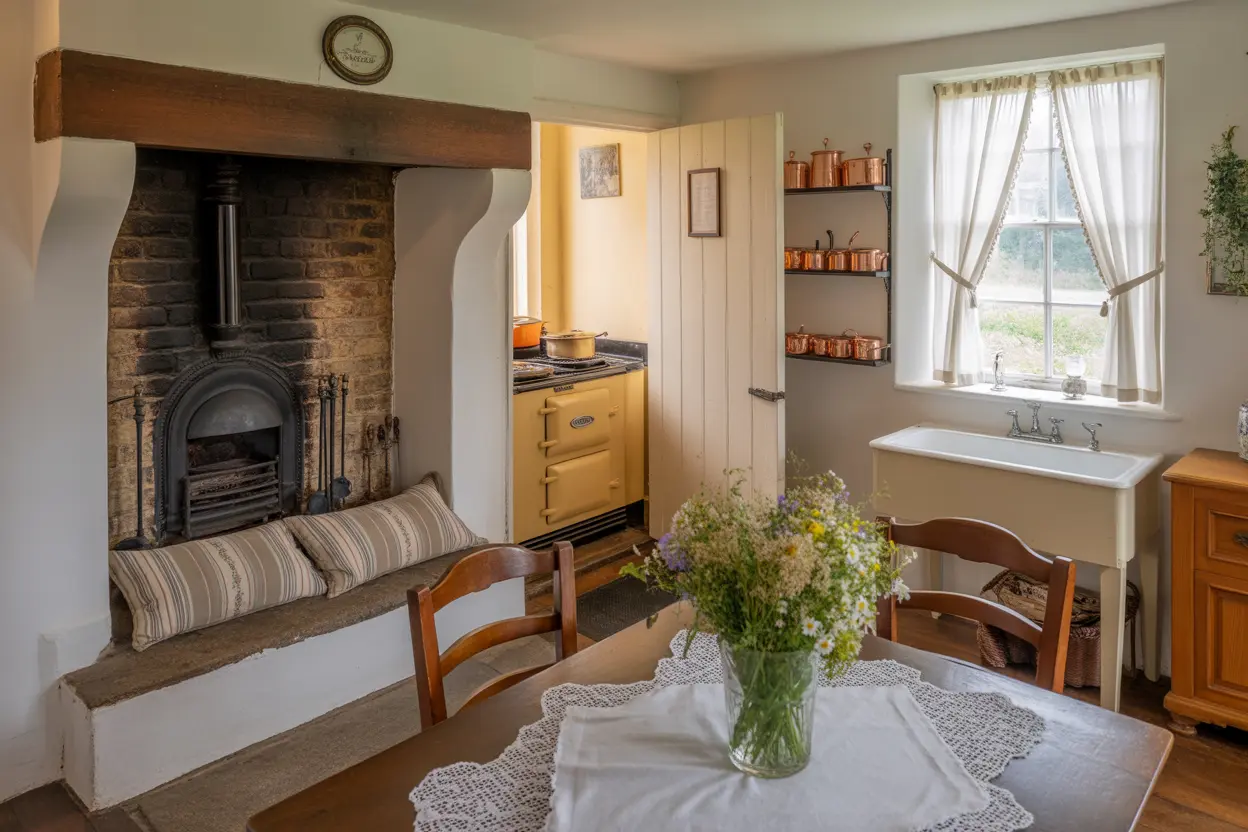
Some people spend years chasing a specific feeling in their home without quite landing on it. The feeling they are usually after, even if they cannot name it exactly, is the quality of a countryside cottage on a quiet afternoon. The light is soft. The room smells faintly of something natural. Everything has been there long enough to have earned its spot. You do not have to live in the countryside to have that feeling in your home. You just need to bring the right things inside and let the right light in. These 25 ideas cover the full range of how to do that across every room in the house.
1. Freestanding Bathtub

Nothing says countryside cottage bathroom quite like a freestanding bathtub positioned beside a window with sheer curtains and a view of the garden or the sky. A classic clawfoot tub in white or a painted exterior color is the traditional option, but any freestanding soaker tub in a simple oval or rectangular form achieves the same effect at a lower price point. Position it so natural light falls across the water when the bath is drawn. Add a simple wooden bath tray across the rim for a candle, a book, and a small plant. A freestanding bathtub does not require any structural changes beyond the standard plumbing connections, and a mid-range freestanding tub is available for well under a thousand dollars, which is significantly less than most full bathroom renovations.
2. Dutch Door Entry
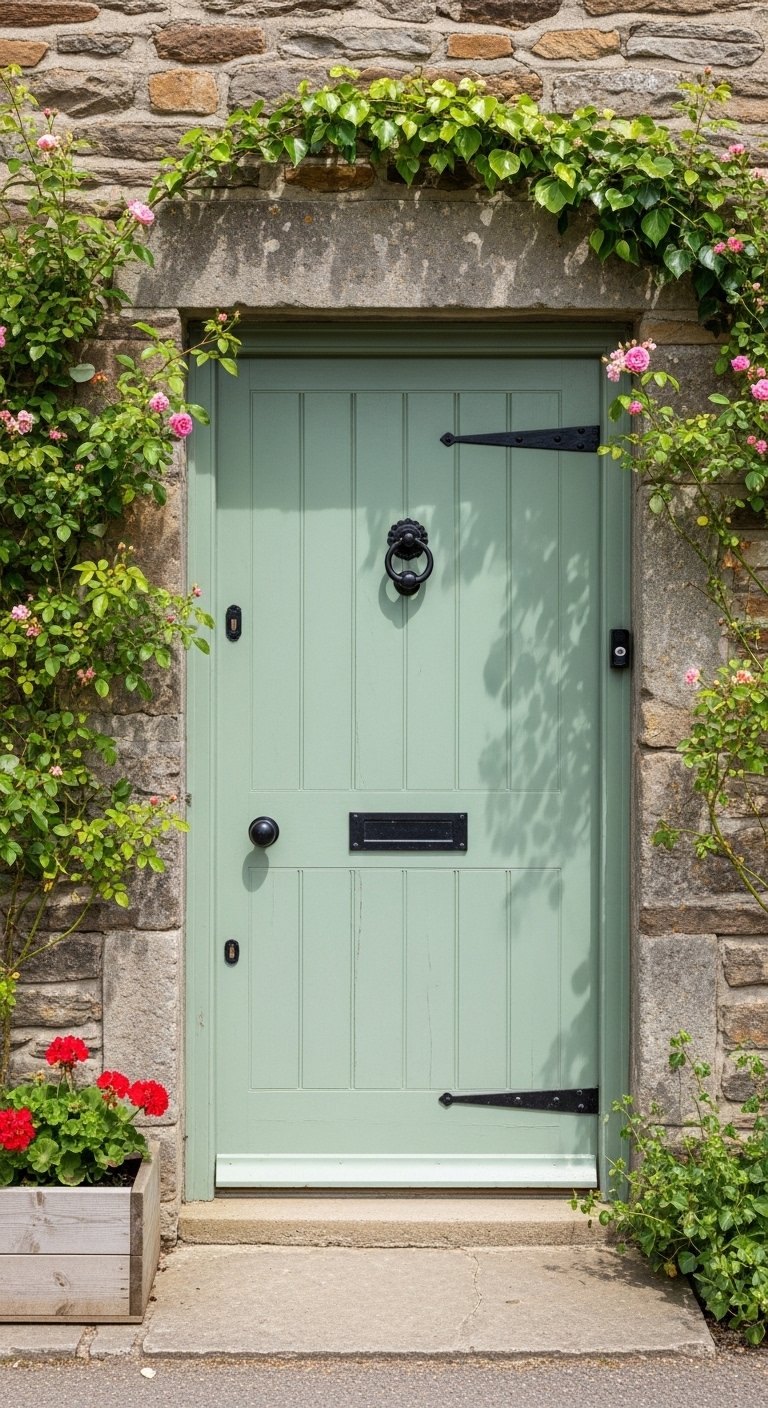
A Dutch door, which is divided horizontally so the top half can open independently of the bottom, is a countryside cottage staple that brings immediate charm and character to any entry. When the top half is open on a warm day, fresh air and garden sounds come in while children and pets stay inside, and the entry feels connected to the outside in a way that no standard door can achieve. Dutch doors are available new from specialty door manufacturers and occasionally at salvage yards when an original is being replaced. Paint it in a traditional cottage color like sage green, soft cream, warm red, or a dusty slate blue. The painted door with simple ironwork hardware is a complete statement on its own and sets the tone for the entire home before anyone steps inside.
3. Stone Garden Pathway

A stone pathway from the front door or gate through the garden to the entry creates a cottage approach that makes the whole property feel more intentional and connected to the land. Flat stepping stones in irregular shapes set into grass or gravel with a little moss growing between the joints is the classic cottage garden path aesthetic. The moss grows naturally over time in cooler and damper climates and can be encouraged with a diluted buttermilk mixture applied to the stones in wetter months. The pathway itself does not need to be straight or perfectly even. A gently curving path with softly uneven stones and small flowering plants like chamomile or thyme planted in the gaps creates exactly the kind of charming, slightly imperfect countryside approach that is central to the cottage aesthetic.
4. Kitchen Garden Window
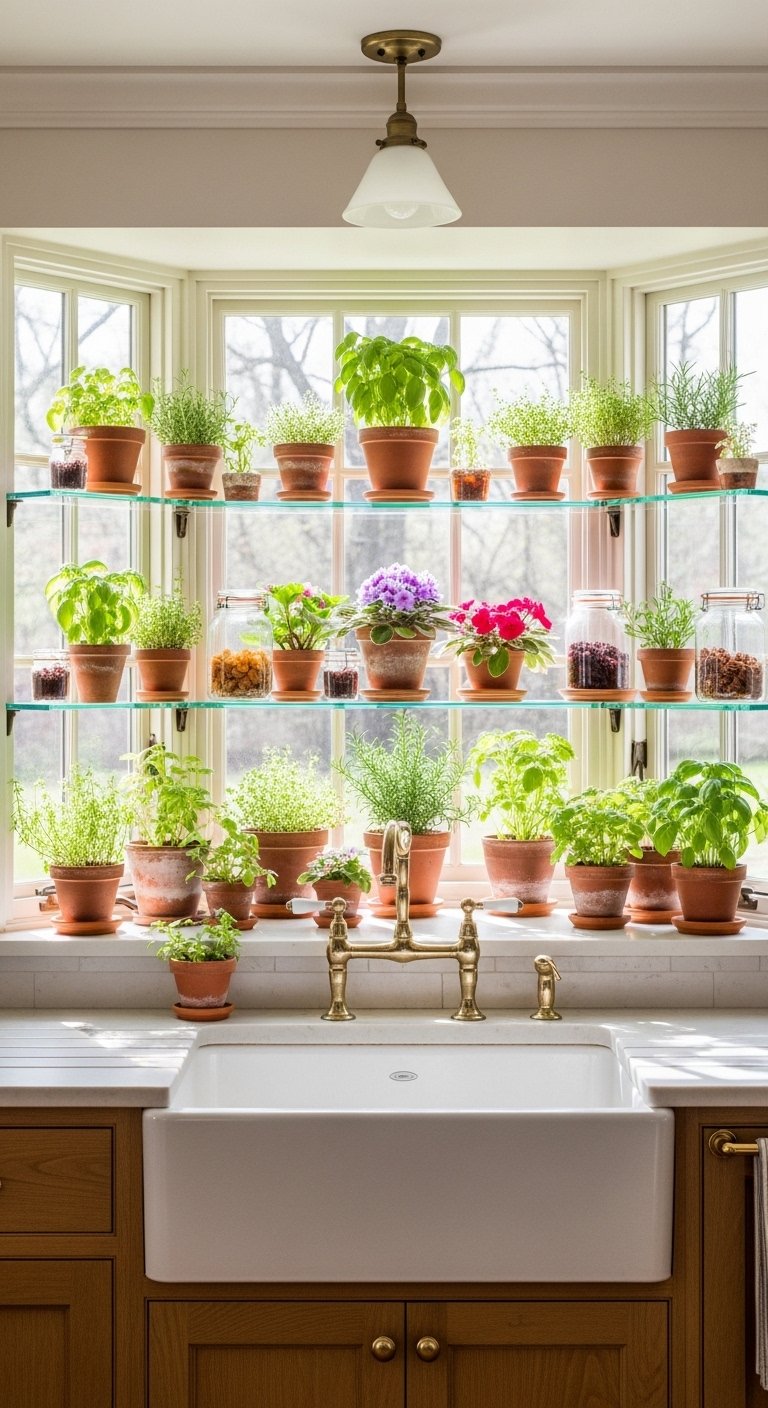
A kitchen window with a deep sill or a glass greenhouse-style box attached to the outside creates a small indoor garden that grows herbs, small flowers, and kitchen plants year-round without taking any floor space away from the kitchen interior. Greenhouse box windows are available as replacement windows from specialty manufacturers and install in the existing window opening. They add a bay of glass shelving in front of the kitchen window that lets in light on all three sides. This is where the kitchen herb garden, small terracotta pots of tomatoes or peppers, and a few flowering plants live through all seasons. The view from inside the kitchen through the glass box to the garden or street beyond is framed beautifully by the plants and contributes a strong countryside cottage quality to the room at any time of year.
5. Inglenook Fireplace Nook

An inglenook is a recessed fireplace alcove with built-in seating on either side, and it is the most distinctly cottage interior feature there is. If your home has an existing inglenook or a deep fireplace alcove, furnishing it with simple cushioned bench seats built into the recesses creates a gathering spot that is warm, intimate, and completely unlike anything you can achieve with freestanding furniture. Even a shallow fireplace surround with a built-out section on either side can create a partial inglenook effect. Line the seat tops with simple cushions in a woven or linen fabric, add a low shelf above the seats for books and candles, and keep the fireplace opening clean and functional with a simple iron grate and a basket of firewood beside it.
6. Cottage Garden Planters

Large terracotta or stone planters positioned at the front door, on a garden wall, or along a path are one of the most recognizable elements of the cottage exterior and work equally well on apartment balconies and small courtyards. Plant them with a mix of trailing plants, upright flowering perennials, and some aromatic herbs so the planter has visual layers and changes through the seasons. Lavender, rosemary, geraniums, nasturtiums, and sweet peas are all classic cottage planter choices that look good together and have the added benefit of scenting the air near the entry. Aged terracotta pots with white mineral deposits on the sides look more cottage-authentic than new clean ones, and can be aged deliberately by applying a yogurt and water mixture to the surface and leaving them in a shaded spot for a few weeks.
7. Wisteria or Climbing Rose

A climbing rose or wisteria trained over a door frame, a garden arch, or the front of the house is one of the most iconic cottage exterior images there is, and growing one is an investment in the long-term character of the property that pays off year after year. Climbing roses take two to three years to establish and begin flowering abundantly, but once they are established they are vigorous, beautiful, and relatively low-maintenance. Wisteria is even faster growing and flowers in dramatic cascades of purple or white in late spring. Both plants need a simple framework of wires or a trellis attached to the wall for the stems to attach to. The flowering season passes but the bare stems and leaves provide structure and greenery the rest of the year, and the flowers when they come are worth every bit of the wait.
8. Painted Garden Furniture
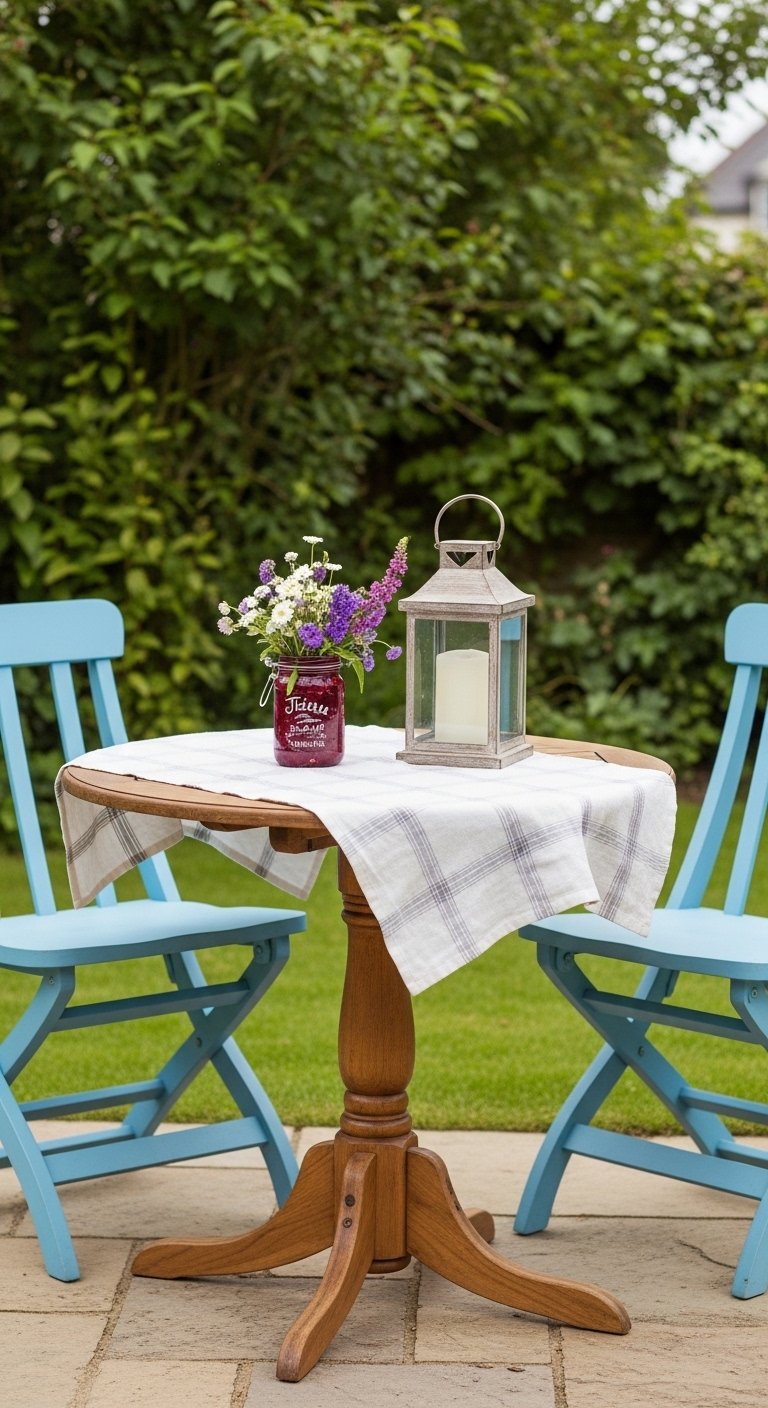
Wooden garden furniture painted in a classic cottage color, a soft sage green, a faded duck egg blue, or a warm cream, creates an outdoor living area that feels like a natural extension of a cottage interior rather than a separate utilitarian space. Sand the furniture lightly, apply an outdoor primer, and finish with an exterior wood paint in your chosen cottage tone. A small painted table and two chairs on a stone patio or in a sheltered corner of the garden becomes a spot for morning coffee or afternoon tea that looks genuinely charming in any season. Add a simple cotton or linen tablecloth, a jam jar of garden flowers, and a candle lantern for a complete cottage outdoor table styling that costs almost nothing beyond the paint.
9. Patterned Kitchen Floor Tiles

A kitchen floor tiled in a traditional pattern, whether a simple black-and-white checkerboard, a hand-painted Moroccan-style tile, or a classic encaustic geometric, anchors the room in a way that immediately shifts it toward a cottage or farmhouse aesthetic. Patterned floor tiles have a history and craftsmanship quality that plain tiles and most hard flooring options cannot match. They also work beautifully with the organic, natural material palette of a cottage kitchen: wooden cabinets, stone counters, linen curtains, and worn brass hardware all look better against a patterned tile floor than they do against plain surfaces. Peel-and-stick versions of many classic tile patterns are available as a non-permanent alternative and look convincing enough in photographs and everyday use to make a real difference.
10. Wildflower Garden Patch
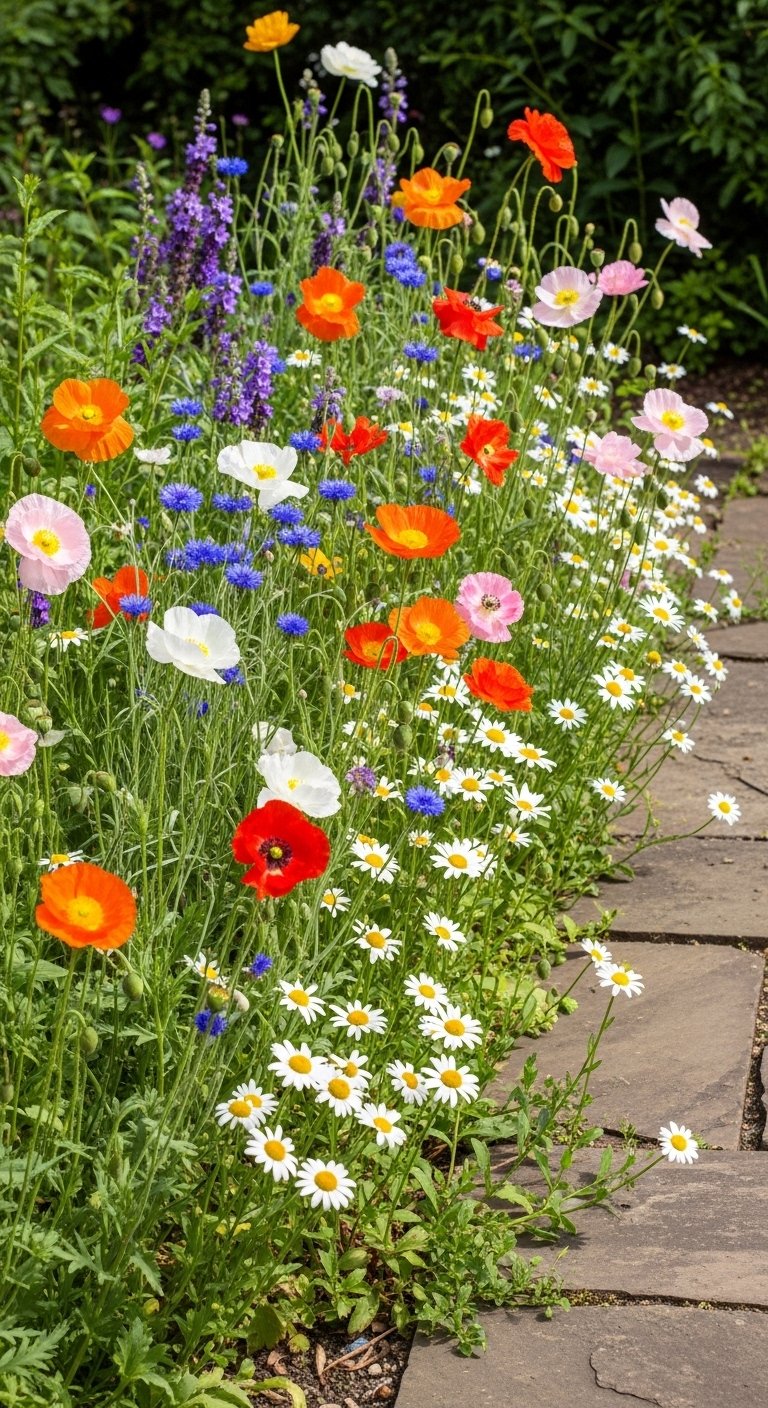
A small patch of garden given over to wildflowers is a countryside cottage signature that requires almost no maintenance once established and provides an ever-changing display of color and texture through spring and summer. Wildflower seed mixes for cottage garden styles are widely available and can be sown into a prepared patch of bare soil in early spring or late autumn. The mix typically includes poppies, cornflowers, ox-eye daisies, forget-me-nots, foxgloves, and a range of other species that bloom at different times to provide continuous interest. Cut stems regularly to bring indoors in simple jam jars and small jugs for the most authentic countryside-flowers-on-the-table detail. The patch itself, when in flower, is a living piece of cottage exterior decor that changes every week.
11. Aga-Style Kitchen Range
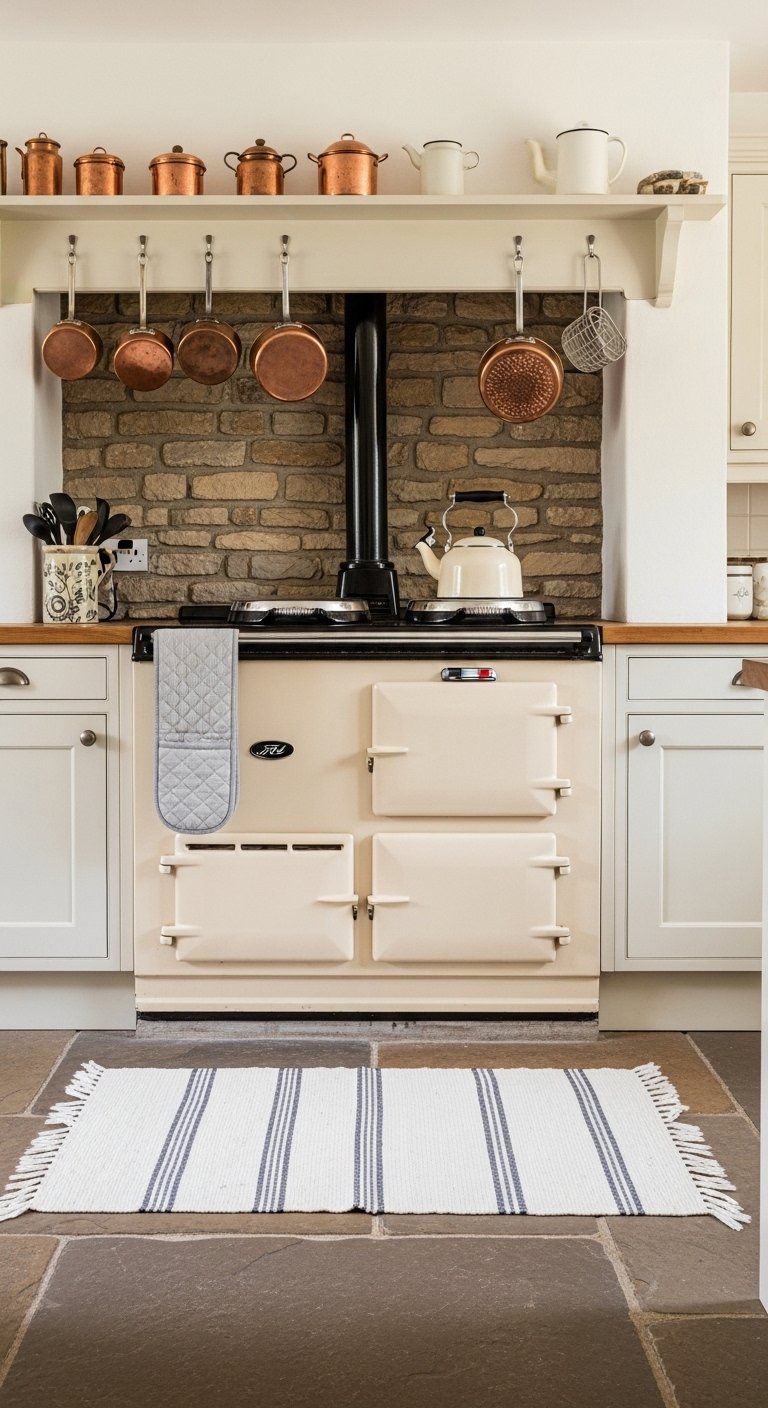
An Aga-style range or a vintage kitchen stove is the most defining appliance in a countryside cottage kitchen. The wide, solid presence of a traditional range cooker in cream, British racing green, or matte black sets the tone for the entire kitchen and draws the eye immediately. New Aga-style ranges from various manufacturers are available at a range of price points, and vintage-style electric versions avoid the installation complexity of gas or oil-fired originals. The range becomes the functional heart of the cottage kitchen, and styling the area around it well, a pot rack above, a row of copper or enamel pots on the shelf beside, a simple cotton rug on the floor in front, completes the countryside kitchen picture in a way that no other appliance can match.
12. Lace Tablecloth Dining
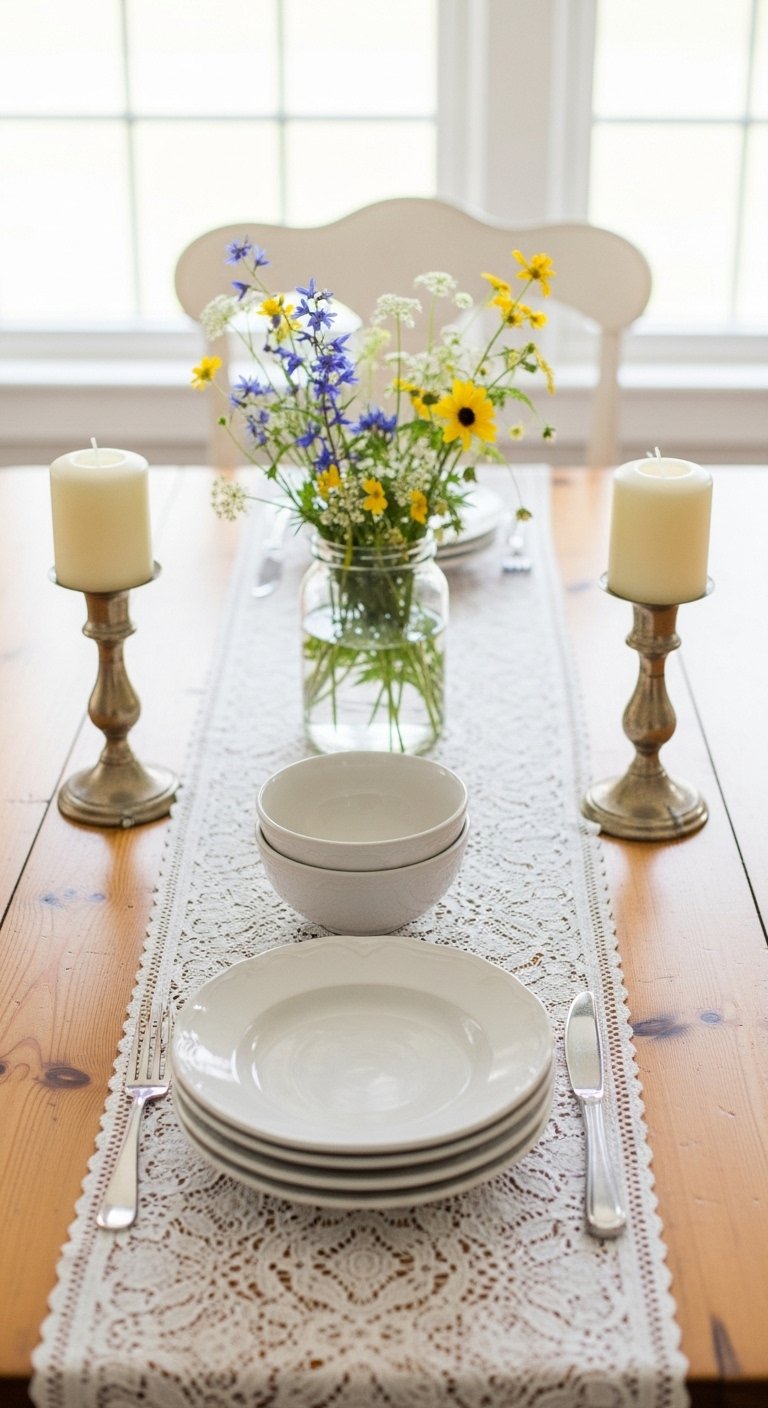
A lace or lace-trimmed tablecloth on a cottage dining table, particularly when paired with simple china, a jam jar of garden flowers, and a pair of candlesticks, creates a table setting that looks like a countryside Sunday lunch scene. The lace adds a delicate, traditional quality that cotton and linen tablecloths approach but do not fully achieve. Look for vintage or vintage-inspired lace tablecloths at textile shops, antique dealers, or online. Cotton lace is more durable and washable than synthetic versions and develops a slightly warm ivory tone with use that suits the cottage aesthetic better than a harsh bright white. A lace tablecloth does not have to cover the whole table. A lace runner down the center of a wooden dining table, showing the wood grain on either side, is a slightly more modern interpretation of the same idea.
13. Butler’s Sink Kitchen
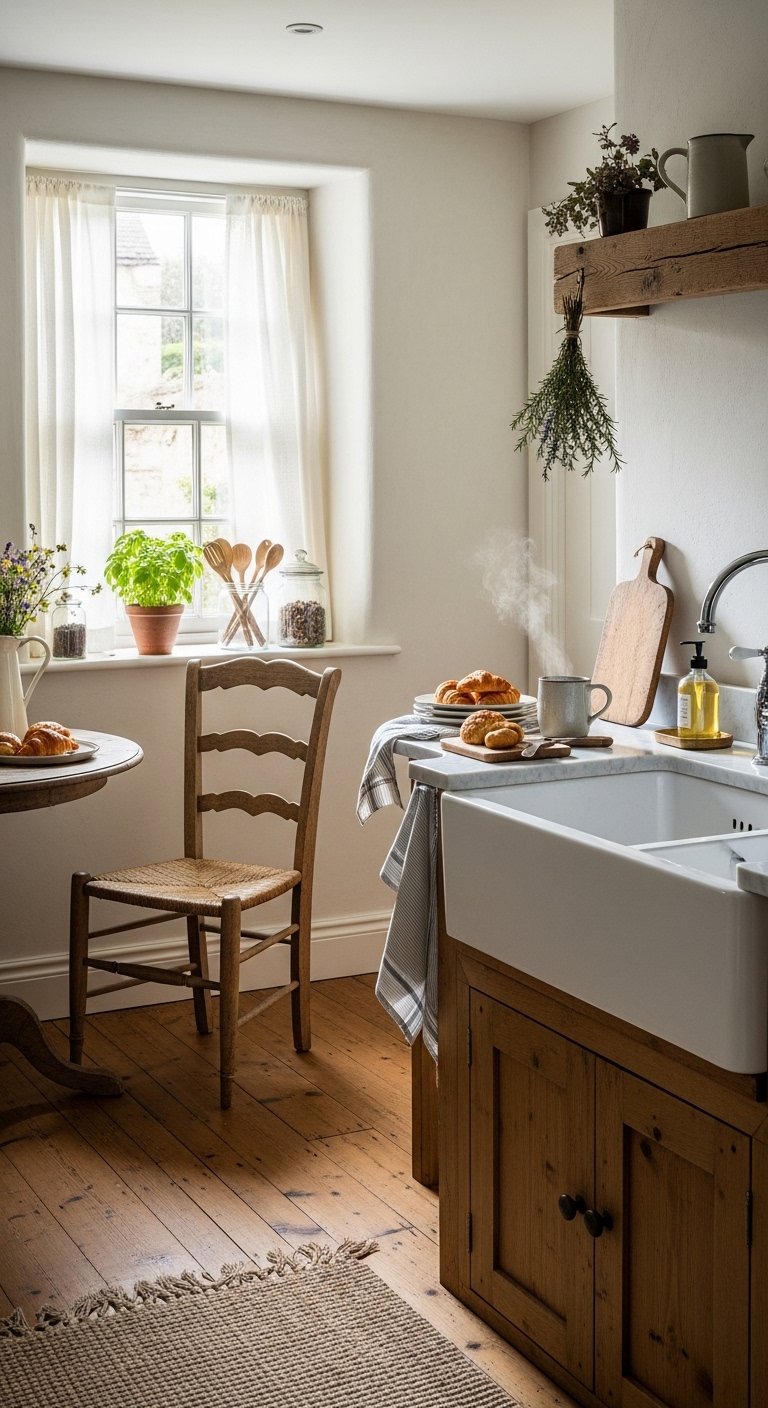
A large ceramic butler’s sink or Belfast sink in a classic white or cream glaze is one of the most recognizable cottage kitchen features and the single most character-adding plumbing fixture you can install. The deep basin, the thick ceramic walls, and the simple apron front have a practical, farmhouse quality that standard stainless steel sinks simply do not have. They work particularly well set into a wooden kitchen cabinet base or a stone countertop rather than a laminate surface. Pair with period-appropriate pillar tap hardware in chrome, brushed nickel, or unlacquered brass for the most authentic countryside kitchen result. New butler’s sinks are widely available from kitchen suppliers at a range of price points and make a strong visual statement that contributes to the cottage kitchen atmosphere every time the room is entered.
14. Antique Pine Furniture
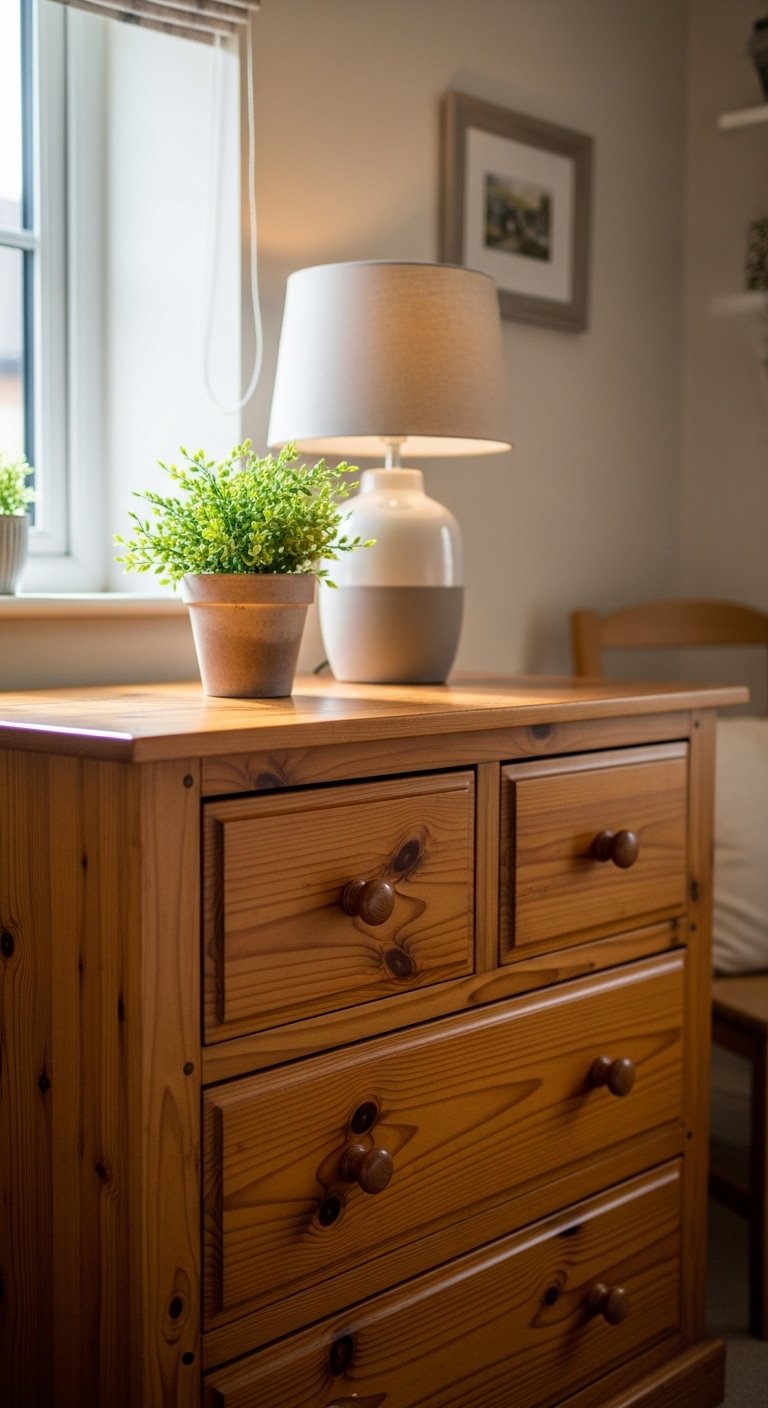
Antique pine, particularly the warm amber-orange tone of aged Victorian and Edwardian pine furniture, is the wood most associated with traditional English cottage interiors. A stripped pine kitchen dresser, a pine farmhouse dining table, a pine chest of drawers in a bedroom, all carry the warmth and history that the cottage aesthetic requires. The light-admitting quality of pine, with its visible knots, irregular grain, and warm color, gives a room a natural, organic feeling that stained dark woods and painted finishes approach from a distance but never quite reach. Look for pieces at antique shops, salvage yards, and estate sales. Pine furniture is generally less expensive than mahogany or oak antiques because it was historically considered a secondary wood, which means genuine antique pine pieces are often available for very reasonable prices.
15. Cottage Kitchen Dresser
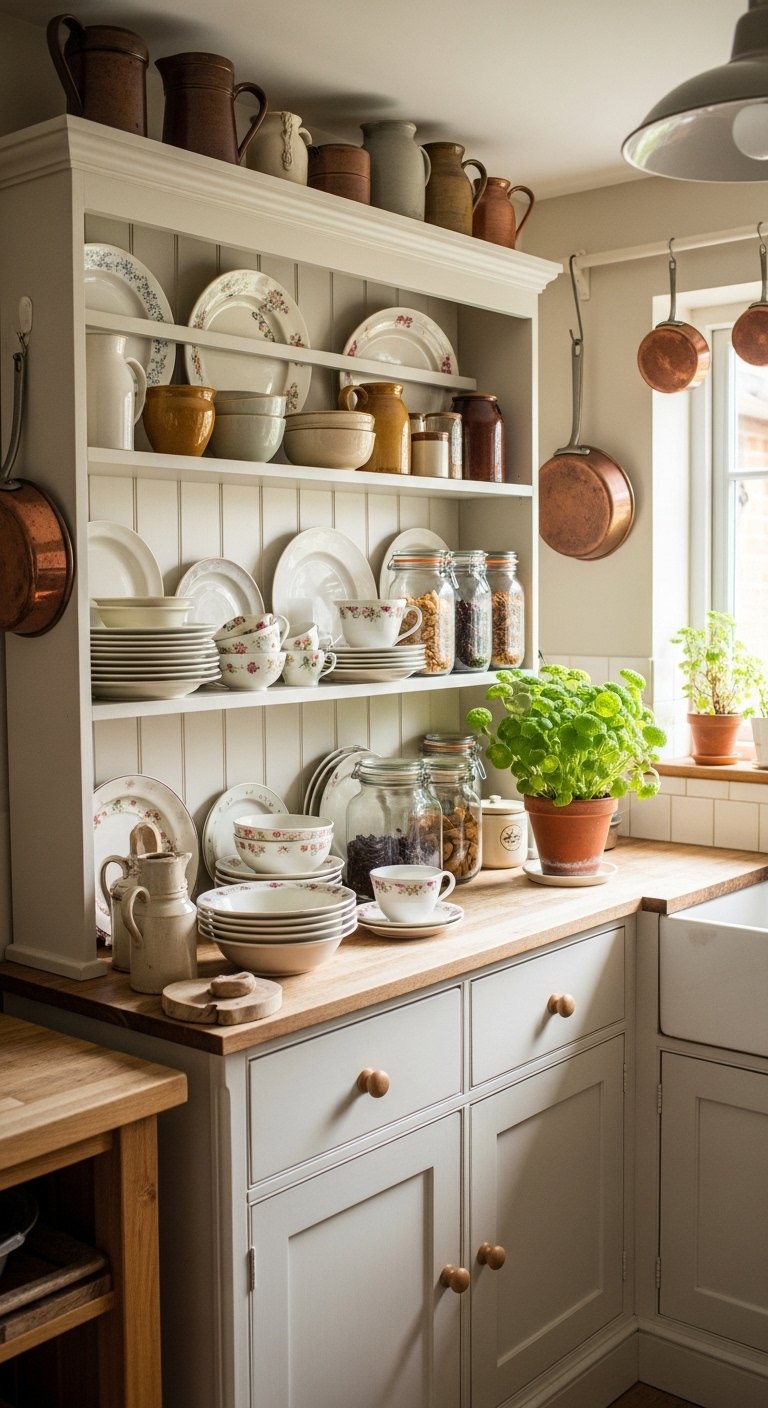
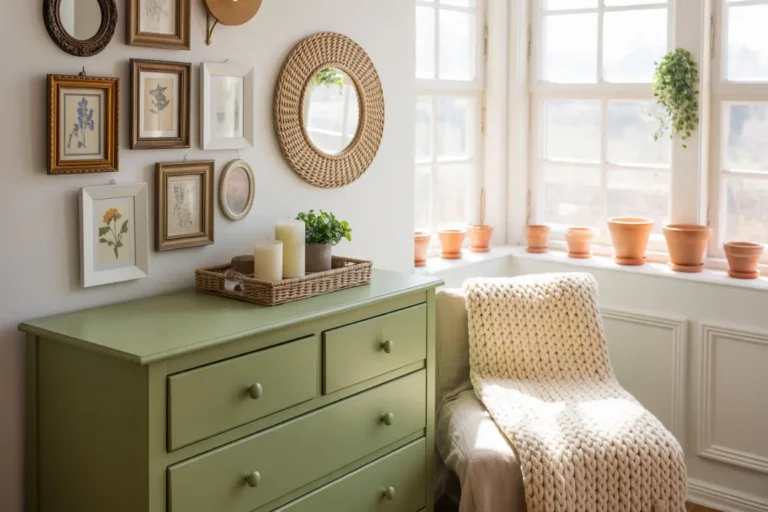
A traditional kitchen dresser, a freestanding unit with a lower cupboard section and open shelves above, is the defining furniture piece of a cottage kitchen. Dressed with mismatched china, a row of jugs in different sizes, a few cookbooks, some small plants, and a collection of vintage tins or ceramic storage jars, it becomes both the storage and the visual heart of the room. A plain wooden dresser can be painted in a cottage color and the shelves styled to suit the room without any structural changes. The dresser works in the kitchen but is also increasingly used in living rooms and dining rooms as a display and storage piece that brings immediate cottage character to any room it occupies. Source one from a secondhand furniture shop or auction for a fraction of the cost of a new equivalent.
16. Copper Kitchen Accents
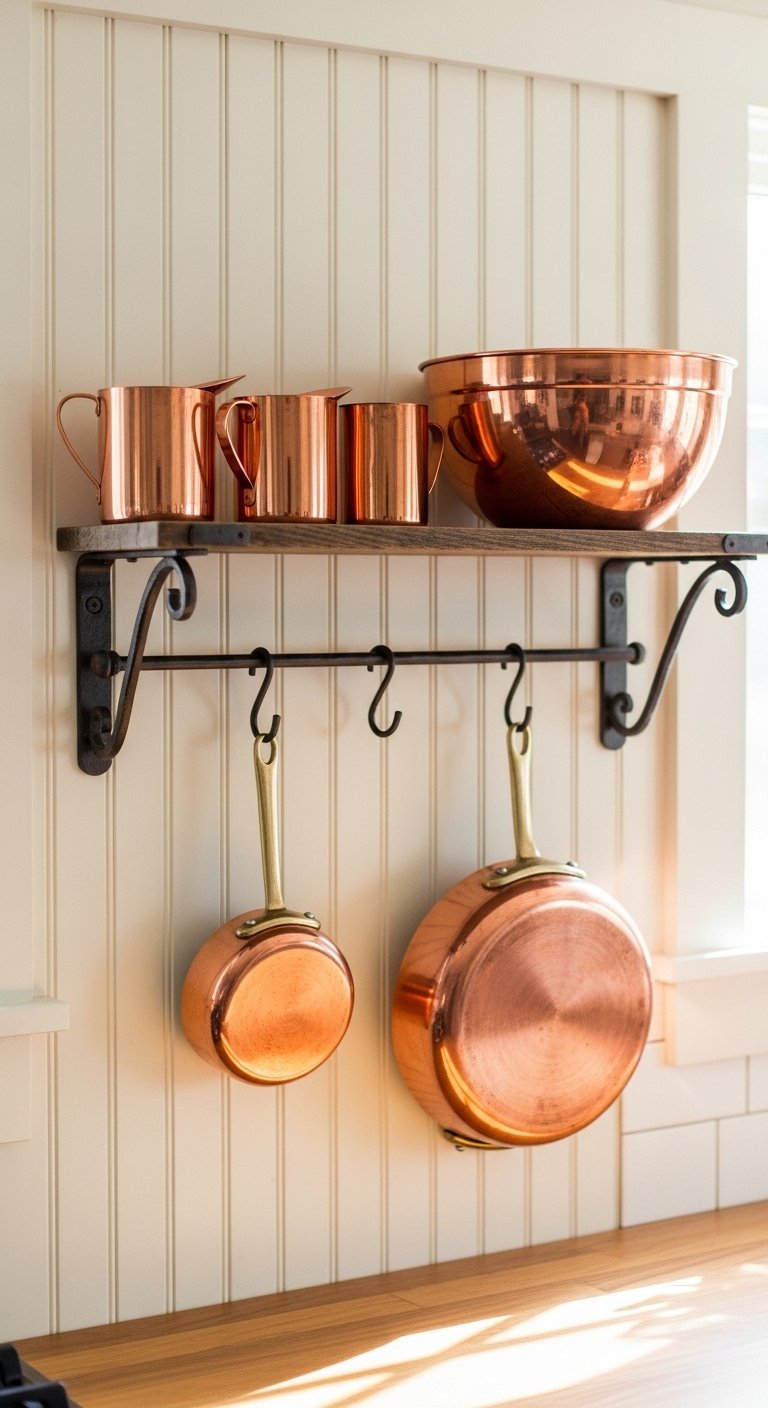
Copper pots, copper measuring jugs, copper mixing bowls, and small copper accessories have a warm, traditional quality that suits cottage kitchens particularly well. The reddish-gold tone of copper develops a natural patina over time that makes it look more beautiful and more genuinely antique the older it gets, which is exactly the quality you want in a cottage interior. Hang copper pots from a pot rack above the stove or range, arrange a few copper pieces on an open shelf, or display a set of copper measuring cups on a small hook rail beside the kitchen window. New copper pieces are available at kitchen shops at various price points, and vintage copper is regularly available at antique markets for reasonable amounts. Even one or two copper pieces among more neutral kitchen items shifts the room noticeably toward warmth.
17. Cottage Bedroom Canopy
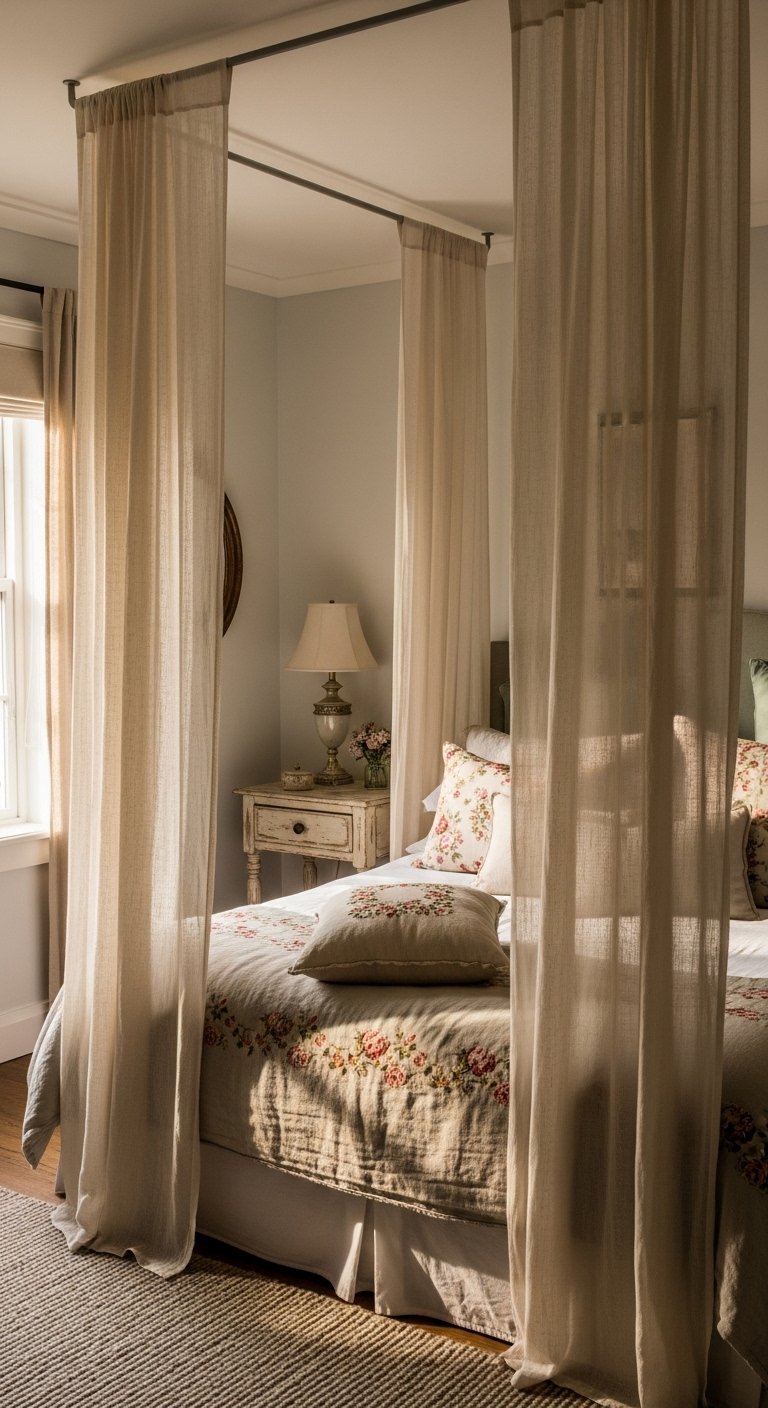
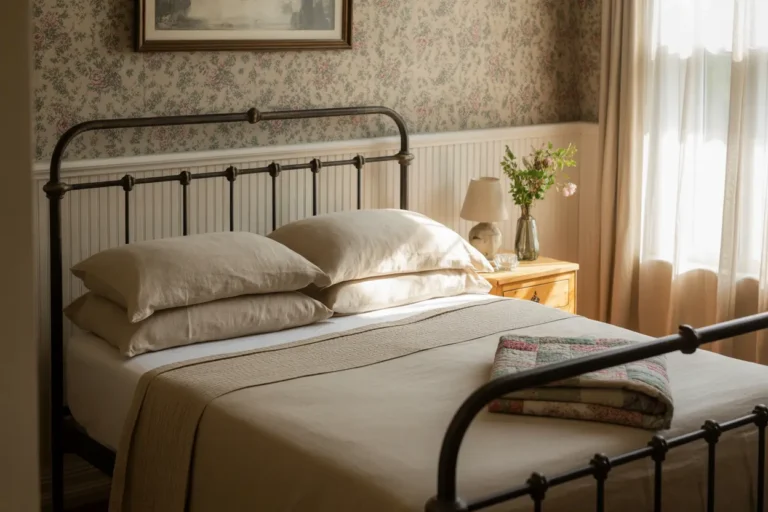
A simple fabric canopy above a cottage bedroom bed, created by hanging sheer or lightweight linen panels from a ceiling-mounted ring or a simple wooden dowel, adds an enclosed, intimate quality to the sleeping area that feels distinctly cottage-romantic. The canopy does not need to cover the whole bed or to close like a four-poster curtain. Even two panels hanging loosely on either side of the bed head are enough to create the impression of a dedicated sleeping nook. Use natural linen in cream or warm white for a light, airy effect, or a lightweight floral print in soft tones for a more decisively cottage look. Pair the canopy with simple wooden furniture, floral bedding in muted tones, and a small vase of garden flowers on the nightstand for a complete cottage bedroom styling.
18. English Garden Room

A sunroom, conservatory, or even a well-placed corner of a living room styled as an indoor garden room brings the most distinctly English cottage living quality to any home. The key elements are an abundance of plants in terracotta and ceramic pots at various heights, wicker or rattan furniture with plump cushions in a botanical or stripe print, a tiled or stone floor, and plenty of natural light from a window or glass door. Add a small bistro table, a watering can used decoratively, a collection of seed packets or pressed flower frames on the wall, and a basket of gardening tools in the corner. The garden room atmosphere is one of the most immediately inviting and relaxing cottage living environments and can be created in any light-filled corner of a home with the right furniture and plant choices.
19. Cottage Bathroom Tiles
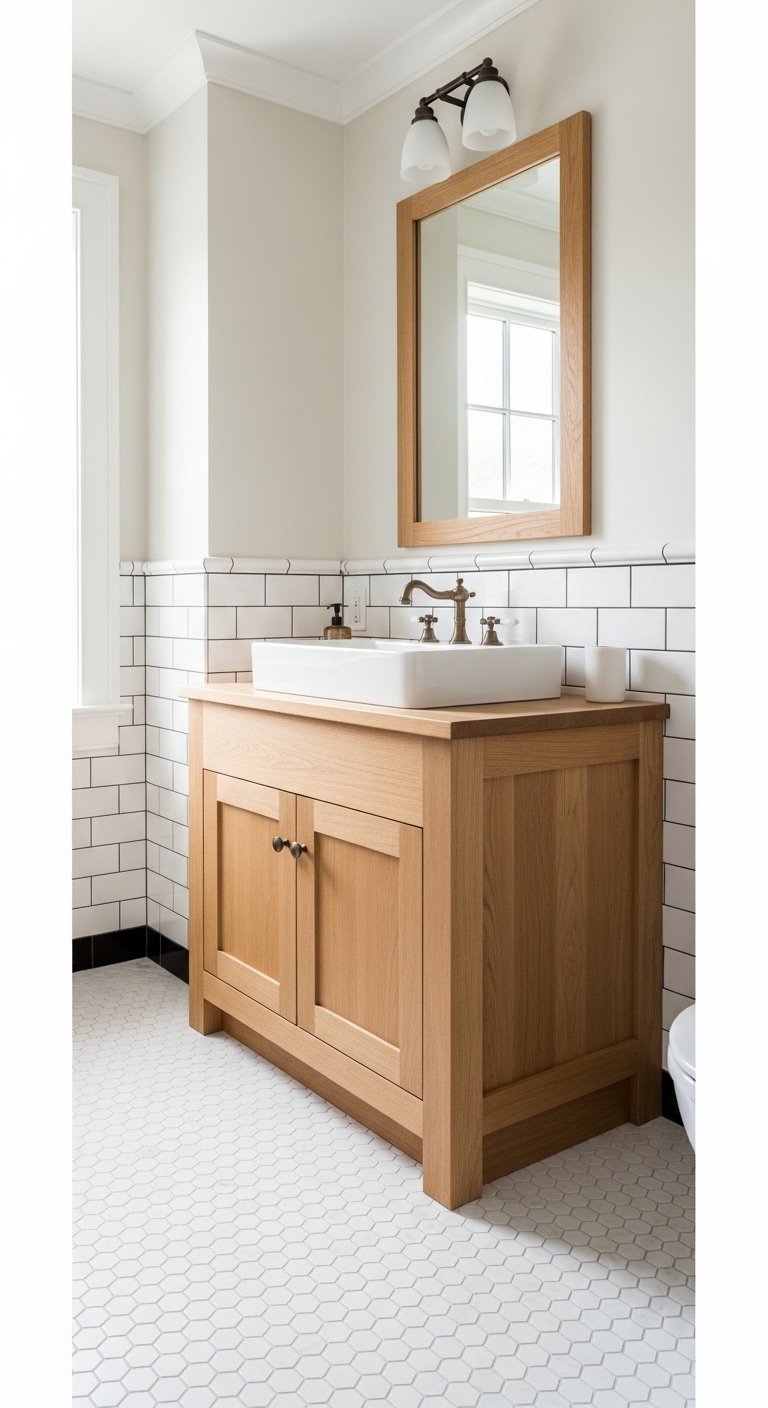
Small hexagonal floor tiles in white or black-and-white, classic subway tiles on the walls, or a hand-painted tile border at dado height all give a cottage bathroom a traditional, crafted quality that modern large-format tiles cannot replicate. The scale of smaller tiles suits the usually modest dimensions of cottage bathrooms well, and the grout lines add texture and visual interest that a large tile floor reads as plain by comparison. Original Victorian-era hexagonal floor tiles are reproduced accurately by several tile manufacturers and give a cottage bathroom an immediately period-appropriate character. Pair them with simple white subway wall tiles, a wooden vanity, and a wall-mounted mirror in a natural wood or unlacquered brass frame for a complete cottage bathroom that looks genuinely thought through.
20. Slate or Stone Floors
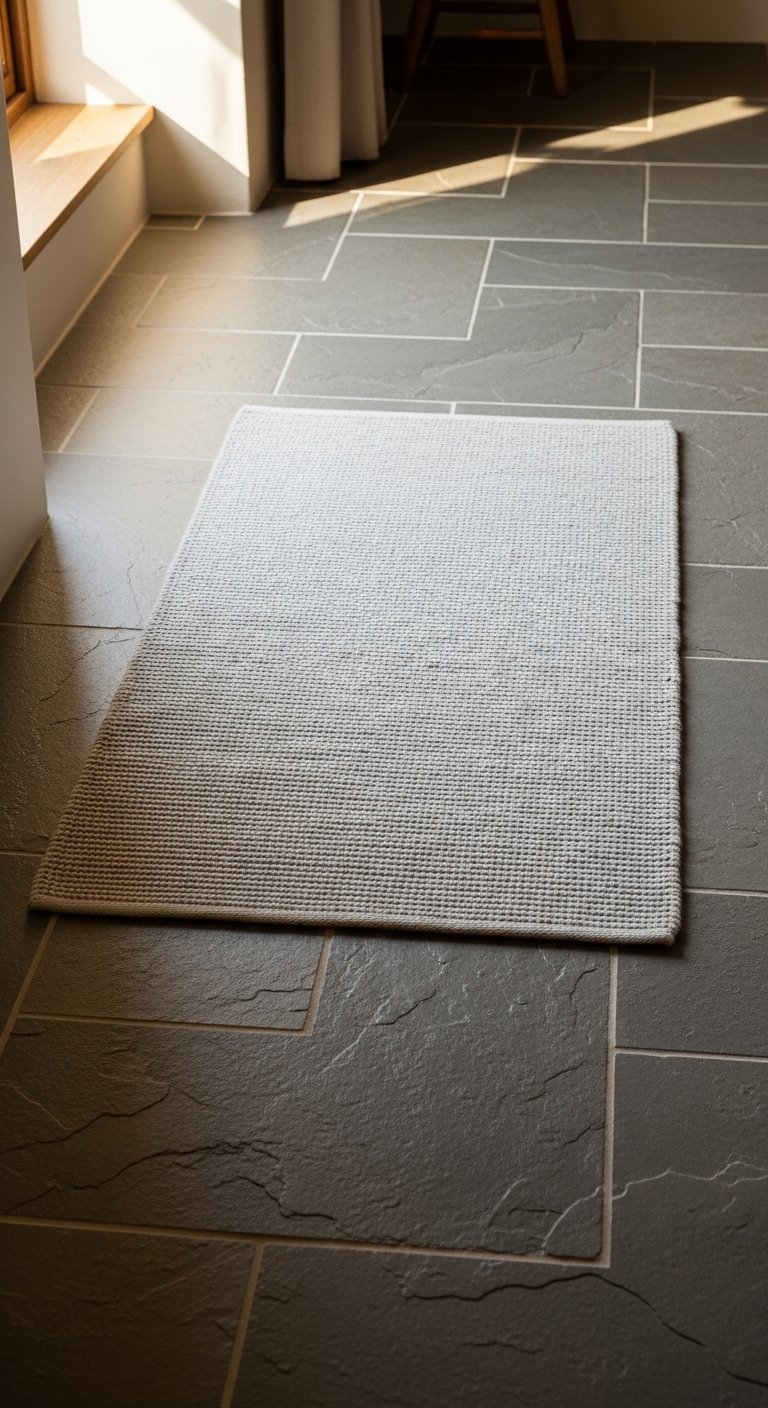
Natural stone or slate flooring is the most grounded and authentic cottage floor surface available, bringing the geological character of the landscape directly into the home. In a kitchen, hallway, or bathroom, natural stone tiles in a warm gray, buff, or brown tone create a floor surface that looks better with age and wear rather than deteriorating. The slight variation in color and texture between individual stones gives the floor a depth and interest that manufactured tiles cannot replicate. Reclaimed stone flags are available from architectural salvage companies and have the added warmth of genuine age and previous use. New natural slate is widely available from tile suppliers at a range of price points. Both options seal simply with a penetrating stone sealer that protects the surface while preserving the natural matte appearance.
21. Beadboard Bathroom Walls
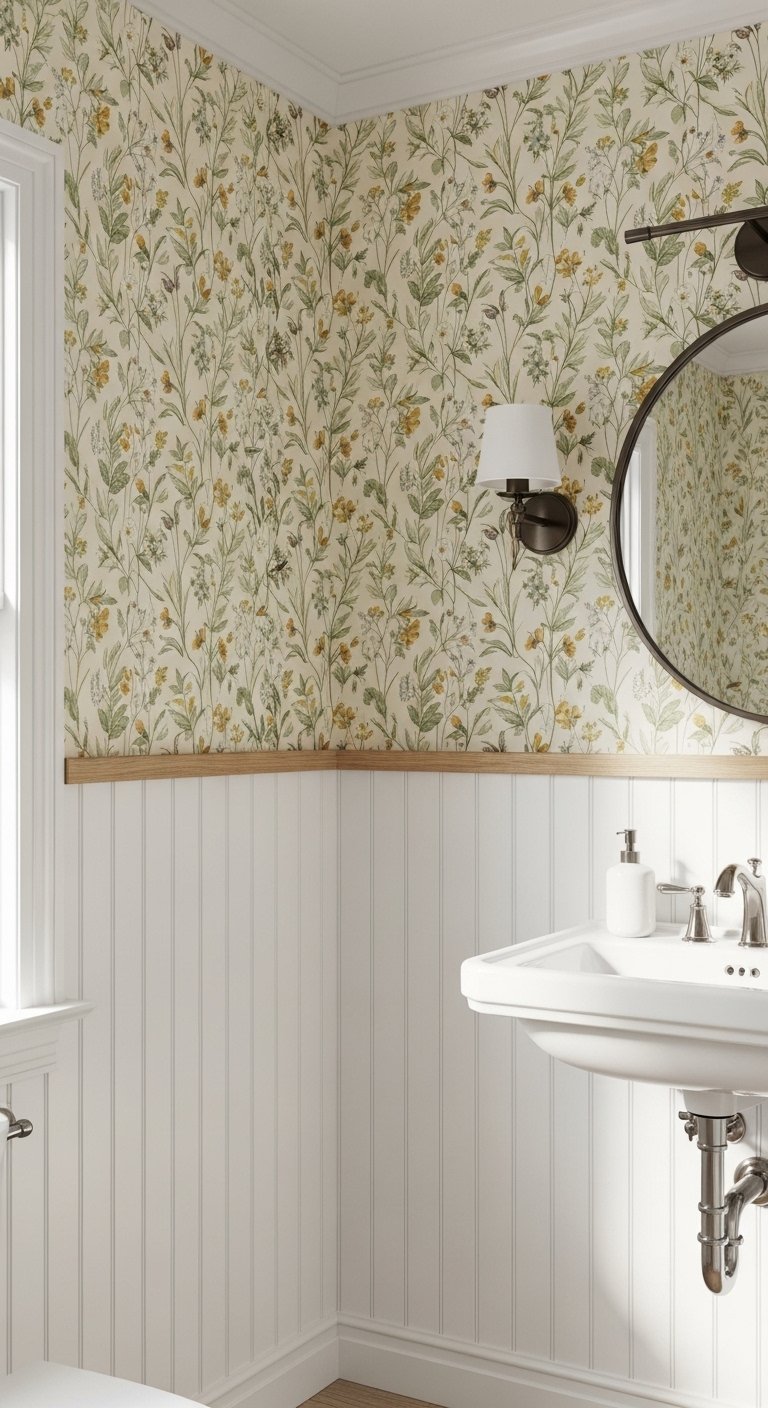
Beadboard paneling, the narrow vertical tongue-and-groove boards associated with traditional cottage and farmhouse interiors, is one of the most effective and affordable ways to add cottage character to a bathroom. Installed on the lower half of the bathroom walls up to dado height and painted in a soft white, cream, or pale sage, it transforms a plain bathroom into something with genuine architectural character and charm. Beadboard panels are available at home improvement stores as large sheets that are cut to size and applied directly to the wall. The installation is well within the reach of a DIYer with basic tools. Finish the top edge with a simple wooden chair rail cap to complete the look. Above the beadboard, a complementary wallpaper or a simple paint color in a slightly warmer tone creates a two-material wall treatment that looks considered and charming.
22. Cottage Color Palette
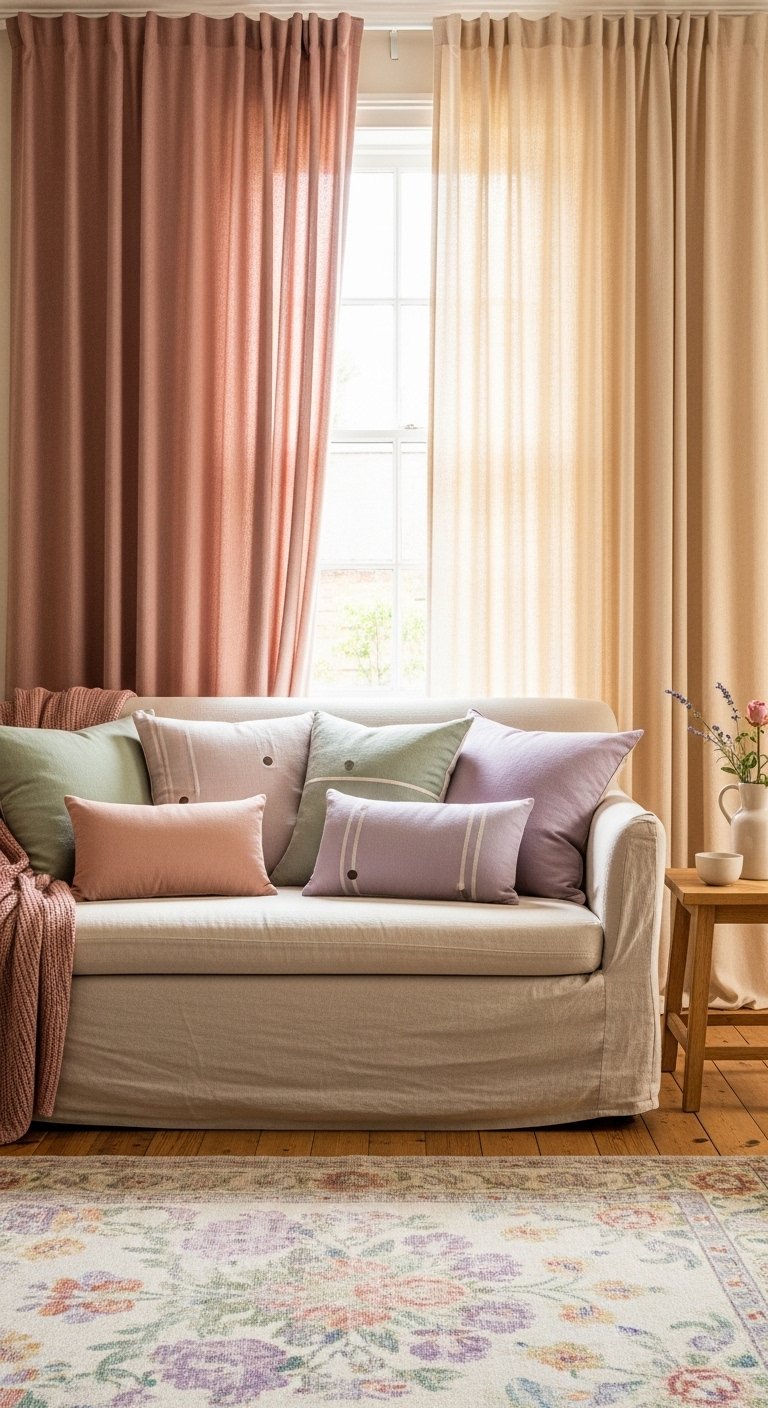
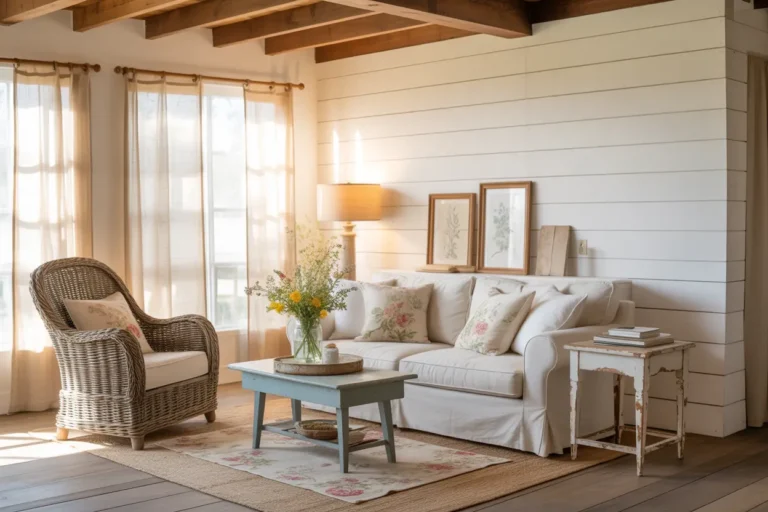
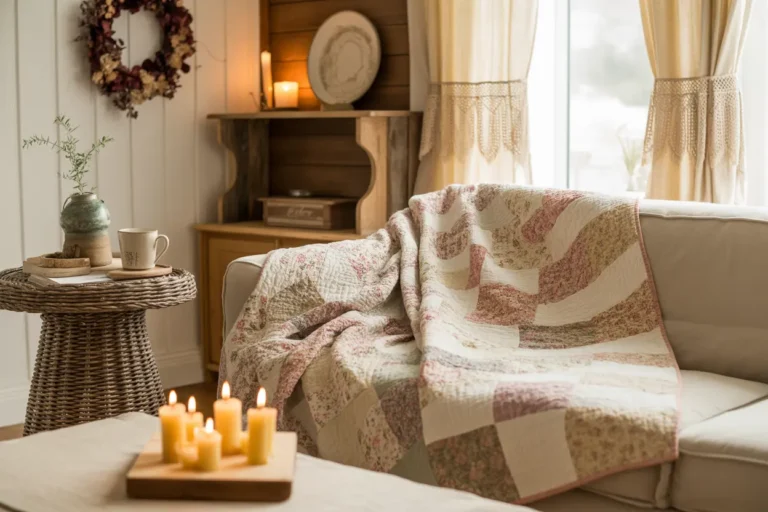
A true cottage color palette is not about any single color but about a specific quality of color across all the tones in the room. Cottage colors are never harsh, never neon, and rarely stark. They are the colors of faded things: old painted wood, dried flowers, worn fabric, natural stone, terracotta left to weather. Think dusty rose, lavender, sage green, soft butter yellow, warm cream, slate blue, faded coral, and muted terracotta. When two or three of these tones are used together in the same room, each influencing the others, the result has a soft, layered quality that feels genuinely cottage rather than simply decorated. The easiest way to build this palette is through textiles first, cushions, curtains, throws, and rugs, since textiles can be changed more easily than paint and let you try combinations before committing to wall color.
23. Original Sash Windows
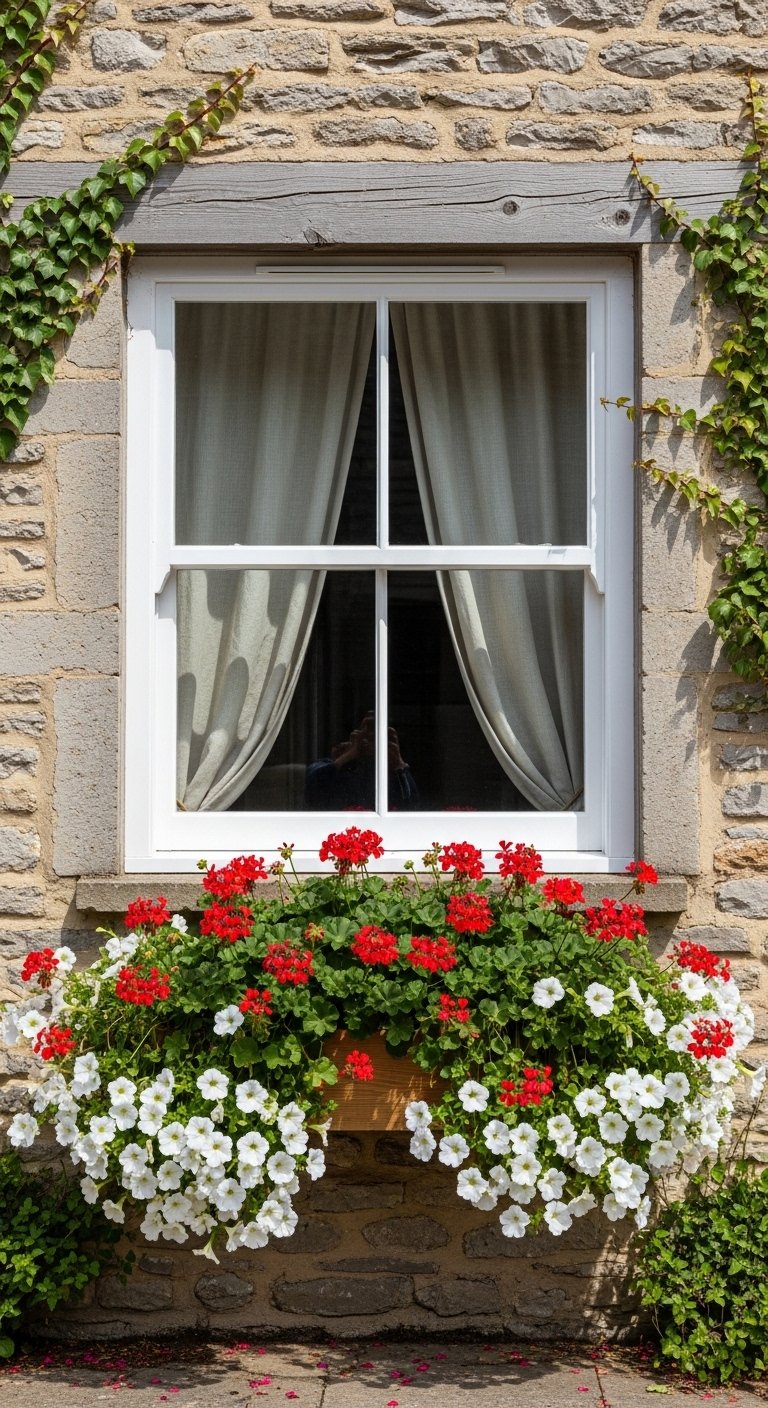
Original sash windows, or accurate reproductions, are one of the most defining architectural features of a traditional cottage exterior and interior. The slim glazing bars, the two sashes that slide vertically, and the slightly imperfect reflection of old glass all contribute to the cottage atmosphere in a way that modern window styles cannot approach. If your home has original sash windows, maintaining and restoring them rather than replacing them with modern alternatives preserves the character that makes cottage buildings distinctive. Draught-proofing and secondary glazing can make original sash windows warm and efficient without changing their appearance. If your windows are already modern, using soft furnishings and styling around them, sheer linen panels, a window seat below, plants on the sill, can soften the effect and partially recreate the cottage window atmosphere.
24. Garden Gate Bell

A simple wrought iron bell or a traditional pull-bell mounted beside a cottage gate or front door is a small detail that speaks immediately to countryside living and the slow, considered pace of cottage life. These bells are genuinely functional as door callers but they also carry a visual and auditory charm that modern electric doorbells simply cannot replicate. The sound of a pull-bell or a hanging iron bell is one of those sensory details that makes a place feel like it exists outside of modern time, which is exactly the quality cottage living is built on. Simple wrought iron bells and pull-bell sets are available from ironmongers, garden hardware suppliers, and online for modest prices. Pair with iron or brass door furniture in a traditional style for a completely consistent cottage entry aesthetic.
25. Windowsill Kitchen Garden
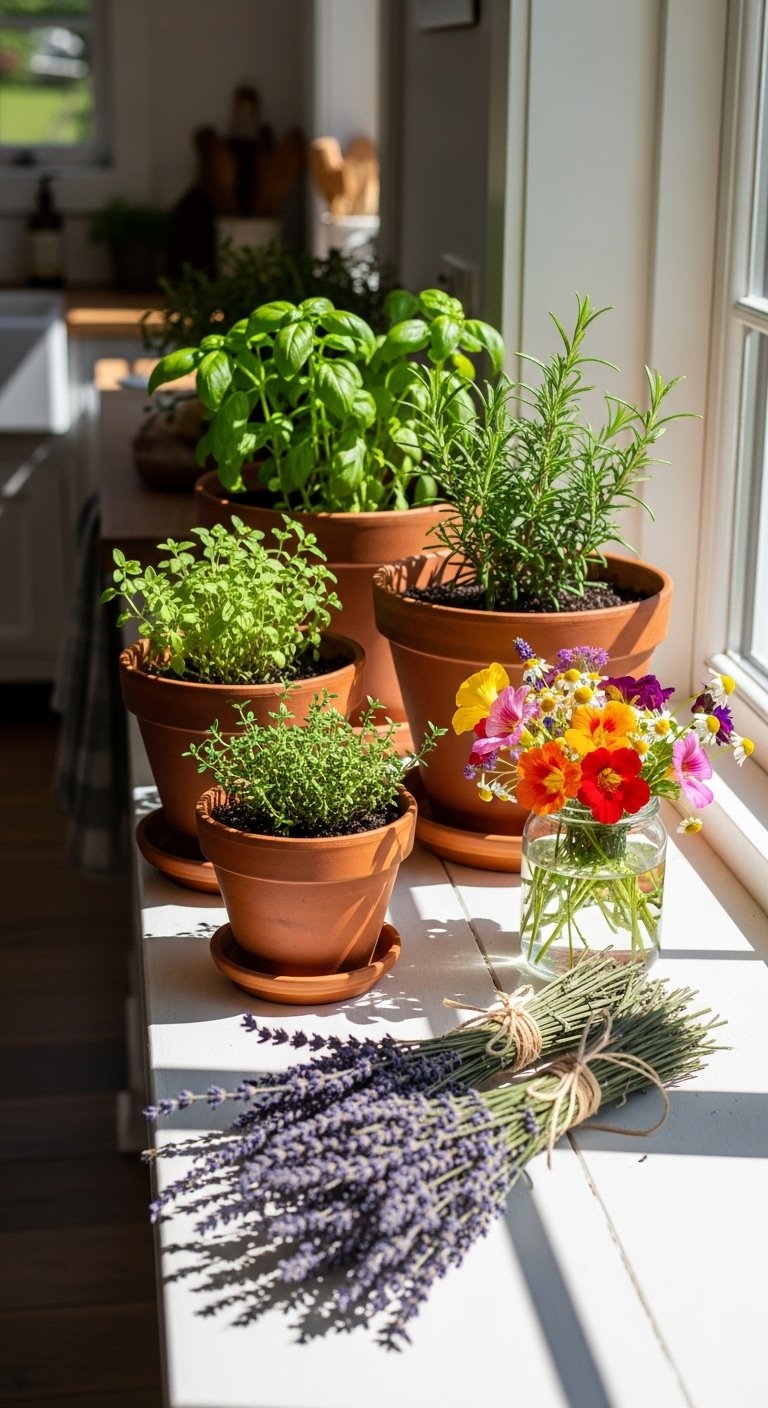
A kitchen windowsill planted with a changing selection of edible and flowering plants is the everyday expression of the cottage ideal that the home and garden are connected, that what grows outside can come inside, and that beauty and function are not separate things. A well-tended kitchen windowsill with growing herbs, a small pot of chives in flower, a jar of freshly cut kitchen garden stems, and perhaps a few drying lavender bundles tied to a hook nearby creates a sensory environment that is warm, productive, and visually charming all at once. Change the plants with the seasons: spring bulbs in small pots in late winter, growing herbs through summer, dried flowers and berries in autumn. The windowsill becomes a living calendar of the countryside brought as close as possible to the kitchen table.
The countryside feeling in a home is mostly about slowing down and letting natural things in. Good light, natural materials, things that grow and change with the seasons. None of that requires a specific budget or a specific style. It just requires paying attention to what makes a room feel alive.