23 Toddler Bedroom Ideas With Real Pros and Cons for Every Family
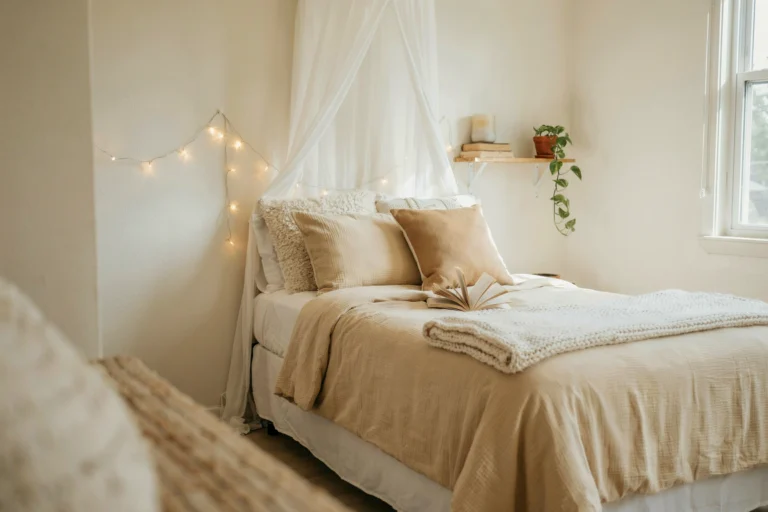
A toddler bedroom is one of the most special spaces to design because it grows and changes with your little person during their most important years. This is where they learn to sleep on their own, play independently, and start understanding the world around them. The right setup makes bedtime easier, encourages learning, and keeps things safe for a growing child.
This list has 23 toddler bedroom ideas that focus on real needs of kids ages one to four. Some ideas are big pieces like beds and shelves. Others are small styling touches like wall art and nightlights. Every idea includes honest pros and cons so you can pick what fits your family, your space, and your budget. Toddler rooms grow fast, so pieces that work for multiple stages are always smart picks.
1. Montessori Floor Bed
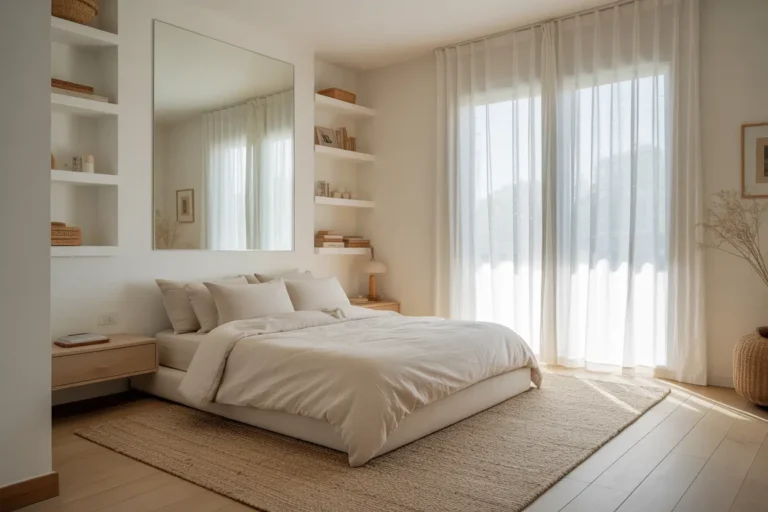
A Montessori style floor bed is a low mattress placed directly on the floor or on a very low wooden frame. This lets toddlers safely get in and out of bed on their own without falling from a high crib or bed.
Buy a toddler sized floor bed frame from Amazon, Etsy, or IKEA for one hundred to three hundred dollars. Twin size mattresses work great, sitting only six to eight inches off the floor with a low frame.
Pros: Encourages independence and helps toddlers transition out of a crib smoothly. No falling risk from bed height. Toddlers can crawl in for naps or play on their own. Extends into bigger kid years as they grow.
Cons: Toddlers can wander around the room at night, so the whole room needs to be baby proofed. Also floor beds mean parents cannot easily lay next to the child for cuddles without lying on the floor. Some parents find toddlers keep waking and wandering the first few weeks. Consistency during the transition takes about two to three weeks. Not great for homes with pets that might jump on the low bed at night. Consider a small pet gate at the bedroom door if needed.
2. Cotton Play Teepee
A cotton or canvas play teepee in a corner of the bedroom creates a magical little hideaway for reading, quiet play, and imagination. This is one of the most beloved toddler bedroom pieces.
Buy a natural cotton teepee about five feet tall from Amazon, Target, or Etsy for sixty to one hundred and fifty dollars. Choose cream, sage green, or dusty pink colors for a calm look. Add floor cushions and a small stack of books inside.
Pros: Encourages independent quiet play and reading time. Creates a cozy hideaway for calm down moments during meltdowns. Works as pretty decor even when not being used.
Cons: Teepees take up floor space, about four by four feet minimum. Not great for very small bedrooms. Some cheap teepees are made with harsh chemical smells or dyes. Look for certified organic cotton for safety with young children. Also toddlers can pull down teepees if they climb inside roughly. Make sure the pole assembly is sturdy and reinforce with extra ties if needed. Some kids get scared of enclosed spaces, so introduce slowly and never force use if the child seems nervous. Watch closely with kids under two years old to prevent smothering risk.
3. Low Open Bookshelf
A low open bookshelf that a toddler can reach independently teaches them to pick their own books and put them back. This is the classic Montessori style for reading independence.
Buy a low toddler height bookshelf about twenty four inches tall from IKEA or Amazon for forty to one hundred dollars. Look for shelves with a lipped edge to prevent books from sliding forward. Face books outward so covers show, which draws toddler attention.
Pros: Teaches independence and reading habits from a young age. Kids can grab and return books on their own. Doubles as pretty display of colorful book covers.
Cons: Toddlers can pull books off the shelf faster than they put them back, creating messy piles. Also low shelves become play surfaces for standing on, which is unsafe. Anchor to the wall with an anti tip strap for safety. Cheap particle board shelves warp under heavy books over time. Look for solid wood or MDF construction for real durability. Some toddlers rip pages out of books when unsupervised, so board books last longer than paperbacks at this stage. Rotate books weekly to keep interest fresh.
4. Peel Stick Wall Mural
A peel and stick wall mural in soft nature themes or playful scenes turns one bedroom wall into a beautiful focal point without commitment. Great for renters and anyone who wants easy updates.
Buy peel and stick murals from Anewall, Etsy, or Amazon for one hundred to three hundred dollars for a full wall size. Look for soft themed murals like watercolor forests, mountains, or muted sky scenes rather than loud cartoon themes.
Pros: Beautiful room upgrade for under three hundred dollars in most cases. Removable when your child outgrows the theme or you move homes. Sets a peaceful mood in the sleeping space.
Cons: Wall murals need smooth walls with fresh paint for the best adhesion. Textured or freshly painted walls cause the mural to peel. Some murals arrive in multiple panels that need careful alignment during installation. Watch tutorial videos before starting. Cheap murals fade in direct sunlight within a year or two, so look for UV rated options for real longevity. Also very busy mural patterns can overstimulate toddlers before bed, making sleep harder. Choose calm nature themes with soft colors for the best bedtime effect on young sleepers.
5. Small Fabric Play Tent
A small pop up fabric play tent in the corner of the bedroom gives toddlers their own private play space. Different from a teepee, these tents have a full enclosed shape.
Buy a pop up play tent from Amazon or Target for thirty to eighty dollars. Look for tents about four by four feet with windows and a rolled up door. Cream, sage, or pastel colors look nicer than bright primary colored ones.
Pros: Great cozy play spot that packs down flat when not needed. Encourages imaginative play like camping, forts, or hideouts. Very portable for travel or moving between rooms.
Cons: Cheap fabric tents rip easily from toddler rough play. Look for reinforced seam construction. Some tents have chemical smells from packaging that take days to air out. Unbox outdoors and let air a few days before letting kids use. Pop up tents can suddenly collapse if the frame springs slip, potentially startling little ones inside. Test the frame stability regularly. Not great for homes with pets that might chew or lay on the tent. Also tents create dark spaces where naps might happen unsupervised, which can be a safety concern for very young toddlers.
6. Soft Round Play Rug
A big soft round play rug on the bedroom floor gives toddlers a defined play area and cushions them during tumbles and falls. This is one of the most functional pieces for a toddler room.
Buy a soft round rug about five feet across from Ruggable, IKEA, or Amazon for sixty to two hundred dollars. Look for machine washable options since toddler messes happen daily. Neutral cream, warm beige, or soft sage colors work with any decor.
Pros: Cushions falls during toddler learning to walk and run. Defines a clear play area on hardwood or tile. Adds warmth to a cold floor for bare feet mornings. Machine washable is a huge win for families.
Cons: Round rugs take up more floor space than they seem because of the shape. Measure carefully before ordering. Cheap play rugs shed heavily for the first few weeks. Vacuum daily until it settles. Some rugs have chemical smells from packaging that need airing out for a few days. Choose OEKO-TEX certified rugs for lower chemical exposure. Also round rugs can be tripping hazards if the edges curl up. Use a rug pad underneath to keep flat and secure against slipping.
7. Reading Nook Corner
A dedicated reading nook in the corner of the bedroom with a small chair, floor cushions, and a low bookshelf becomes the favorite spot for quiet time and bedtime stories.
Set up the nook with a small toddler armchair or bean bag, a soft rug, and a low bookshelf. Total setup cost around one hundred and fifty to three hundred dollars. Add a small warm bulb lamp for cozy reading light. Position near a window if possible for natural daylight reading.
Pros: Encourages daily reading habits from a young age. Creates a designated calm down spot for tantrums. Doubles as pretty room decor when not being used.
Cons: Requires enough corner space, at least four by four feet. Not great for very small bedrooms. Cheap toddler chairs wear out fast under rough use. Look for solid wood or reinforced frames for real durability. Also reading nooks can become clutter zones if not maintained. Do weekly tidying to keep the space inviting. Bean bag chairs are risky for kids under three since the beads can be a choking hazard if the bag rips. Choose small armchairs or floor cushions instead for youngest toddlers.
8. Toy Rotation Shelves
A rotation shelf system displays only a few toys at a time and keeps the rest stored away. This Montessori inspired approach helps toddlers focus on what is available and reduces overwhelm.
Use a low open shelf with three or four toys displayed at a time. Store the rest in labeled bins in a closet or under the bed. Rotate the visible toys every one to two weeks to keep interest fresh. IKEA Kallax units work great for this system.
Pros: Reduces toy clutter dramatically. Helps toddlers actually engage with each toy instead of dumping bins. Makes cleanup fast since there are fewer items out at once. Old toys feel new again after being stored for a few weeks.
Cons: Requires ongoing parent effort to rotate toys weekly. Some parents find this too much work. Also storing bins of toys elsewhere requires closet or extra storage space many families do not have. Toddlers who see the storage bins may cry to have their favorite toy back before rotation time. Store bins out of sight to prevent this issue. Also this system does not work if grandparents or family constantly gift new toys, which creates too many for even rotation to manage well.
9. Blackout Cellular Shades
Cellular honeycomb blackout shades are the best window treatment for toddler bedrooms because they block light completely while insulating the room from temperature swings.
Buy custom cellular blackout shades from Home Depot, Lowes, or Blindster for eighty to two hundred dollars per window. Look for cordless models for child safety. Cream or soft grey colors blend with any decor.
Pros: Complete darkness for good naps and early bedtimes even in summer. Insulates the room, reducing heating and cooling costs. Cordless models are safe for toddlers who might get tangled in traditional cords.
Cons: Blackout shades limit natural morning light, which some parents rely on to help kids wake naturally. Also cellular shades collect dust in the pleats and need occasional vacuuming with a brush attachment. Cheap blackout shades have pinhole gaps that let light through, defeating the whole purpose. Check reviews for real light blocking performance. Also blackout shades can make it hard to enjoy natural light during the day for play, so pair with a curtain or roman shade you can adjust separately. Look for double blind or curtain plus shade combos.
10. Rainbow Cloud Mobile
A soft cloud shaped mobile with pastel rainbow accents hanging from the ceiling above the bed is one of the sweetest toddler bedroom decor pieces. This adds a magical touch without being too babyish.
Buy a felt or fabric cloud mobile from Etsy, Amazon, or Target for twenty five to sixty dollars. Look for options in soft pastels or warm neutrals. Hang from a small ceiling hook, positioned so it is visible from the bed but out of reach.
Pros: Adds sweet ceiling interest without needing more floor or wall space. Very affordable decor piece under sixty dollars. Suits both girl and boy nurseries with the right colors.
Cons: Ceiling mobiles need to be hung well out of reach, at least seven feet up, so toddlers cannot grab and pull them down. Cheap mobiles can shed felt pieces or fabric that become choking hazards. Inspect regularly for loose parts. Some parents find mobiles overstimulating at bedtime since the movement catches toddler attention. Consider removing or replacing with a still art piece as your child ages. Also mobiles collect dust over time and are hard to clean. Choose ones that spot clean easily or plan on gently vacuuming with a brush attachment monthly.
11. Toddler Table Chairs
A small toddler sized table and chairs set in the bedroom gives kids a spot for art, snacks, and puzzles at their own scale. This encourages independence at every activity.
Buy a matching table and two chair set from IKEA, Melissa and Doug, or Amazon for sixty to one hundred and fifty dollars. Look for solid wood construction with rounded edges. About twenty inches high is the right size for kids ages two to five.
Pros: Encourages independent play and creativity. Great for coloring, puzzles, and quiet snacks. Doubles as a spot for parents to sit while helping with activities.
Cons: Kids sized furniture takes up floor space, about four by four feet with chairs pulled out. Not great for small bedrooms. Cheap tables and chairs wobble under active play and need replacement after a year or two. Solid wood sets last much longer for a bit more cost. Watch for sharp corners on the table, since toddlers running around bump into corners frequently. Look for tables with fully rounded corners for real safety. Also tables become clutter zones if not maintained. Do a weekly cleanup to keep the surface useful.
12. Low Wall Hooks Row
A row of low wall hooks at toddler height gives kids a spot to hang their own backpack, hat, and jacket. This teaches independence and organization from a young age.
Buy cute wall hooks in fun shapes like animals or clouds. Mount three or four hooks at about forty inches from the floor for two to four year olds. Around five to fifteen dollars per hook at Target or Amazon. Total setup cost around twenty to sixty dollars.
Pros: Teaches organization and self care habits early. Kids can hang up their own items without help. Adds cute wall decor at the same time as function.
Cons: Cheap wall hooks pull out of drywall under heavy jacket weight. Use wall anchors rated for at least fifteen pounds. Also low hooks can be hazards when toddlers run into them at eye level. Choose hooks with rounded ends or soft coverings to prevent injury. Some cute themed hooks look outdated as kids grow, so simple modern shapes work better long term. Also low hooks put items in easy reach of pets in shared homes. Position away from where dogs or cats might chew or knock down hanging items.
13. Storage Cube Ottoman
A storage cube ottoman doubles as a soft seat and hidden toy storage. This is one of the most functional pieces for a toddler bedroom.
Buy a storage cube ottoman about eighteen inches square from IKEA, Amazon, or Target for forty to one hundred dollars. Look for ottomans with lift up tops or hinged lids that reveal storage inside. Sturdy enough for adult weight for parents to sit while reading bedtime stories.
Pros: Doubles as seating and storage in one piece. Great for storing stuffed animals, extra bedding, or off season clothes. Wipeable fabric or leather options are easy to clean up spills.
Cons: Cheap ottomans have thin lids that snap under active toddler use. Look for reinforced lid construction with slow close hinges for safety and durability. Little fingers can get pinched under lids that slam down. Choose ottomans with soft close hinges to prevent injuries. Also ottomans that are too tall become climbing risks for small toddlers trying to reach shelves above. Choose lower ottomans around fourteen to sixteen inches tall for youngest kids. Watch for ottoman fabrics that stain from juice or milk spills, since toddler messes are constant.
14. Fabric Storage Bins
Soft fabric storage bins on open shelves are perfect for organizing toys, books, and clothes in a toddler bedroom. The soft sides mean no bumped heads and no pinched fingers.
Buy matching fabric storage bins from IKEA, Target, or Amazon for ten to twenty five dollars each. Look for bins about twelve by twelve inches that fit into standard cube shelf openings. Neutral cream, sage, or dusty pink match any decor.
Pros: Very safe for toddler use since soft sides prevent injuries. Machine washable options handle spills and messes. Lightweight enough for toddlers to grab and put back themselves.
Cons: Fabric bins hold less weight than plastic or wood bins. Overloaded bins sag and tear. Also cheap fabric bins fade or fray within a year of heavy use. Look for reinforced canvas construction for durability. Some fabric bins collect dust and pet hair quickly on open shelves. Vacuum monthly with a brush attachment. Also bins without lids expose contents to view, which can look cluttered. Choose ones with attached labels or tags so kids can learn what goes where. Great starter organization for toddler rooms.
15. Small Chalkboard Wall
Painting a small section of the bedroom wall with chalkboard paint gives toddlers a giant drawing surface that never runs out of paper. This is one of the most engaging toddler bedroom features.
Use chalkboard paint from Rust-Oleum or Home Depot for around thirty dollars per quart. Paint a section about three by four feet at toddler height. Add a small basket of large chalk sticks nearby, sized to prevent choking.
Pros: Endless creative outlet for toddlers who love to draw. Wipes clean with a damp cloth. Very budget friendly for a big impact wall feature.
Cons: Chalk dust gets everywhere, including on toddler clothes and the floor around the wall. Wipe walls and floors daily to control mess. Also toddlers may draw beyond the chalkboard section onto regular walls. Watch for straying drawings and gently redirect. Chalk dust can worsen asthma or allergies in sensitive kids. Consider chalk marker walls with liquid chalk pens instead for less dust. Very small toddlers under three may try to eat chalk. Store the chalk basket out of reach and only bring out during supervised drawing time for safety.
16. Growth Chart Ruler
A wooden growth chart ruler mounted on the wall lets you track your child’s height over the years. This becomes a beautiful family keepsake as they grow.
Buy a wooden ruler style growth chart from Etsy, Amazon, or Target for twenty five to sixty dollars. Look for hardwood construction with clear number markings. Mount to the wall at floor level so the numbers line up correctly.
Pros: Sweet family keepsake that captures growth memories. Doubles as pretty decor. Works from age one all the way through teens.
Cons: Mounting requires drilling into the wall, which some renters cannot do. Look for peel and stick growth charts if drilling is not allowed. Ink from measuring marks can smear if not sealed properly. Use a pencil first, then a permanent marker only when you are sure the height is correct. Some growth charts are made from soft wood that dents easily from being bumped by toys or vacuum cleaners. Look for solid hardwood construction for real durability. Also make sure to record the marks somewhere else too, since a fire, flood, or move could destroy the physical growth chart with all your memories.
17. Star Nightlight Projector
A star or galaxy nightlight projector casts a beautiful pattern of stars or clouds on the ceiling, giving toddlers a magical bedtime experience. This is one of the most beloved sleep aids.
Buy a projector nightlight from Amazon, Target, or specialty stores for thirty to eighty dollars. Look for options with adjustable brightness, timer function, and warm color modes rather than blue light which disrupts sleep.
Pros: Helps kids with fear of the dark by adding calming ambient light. Also gives toddlers something to look at while falling asleep instead of asking for another story. Modern projectors have timer features so they turn off after the child sleeps.
Cons: Cheap projectors have loud fans that keep light sleepers awake. Look for silent LED models for real sleep support. Some kids get too focused on the star patterns and cannot settle for sleep. Use a timer function to turn off after twenty minutes. Blue light projectors can actually delay sleep onset instead of helping. Look for warm amber colored light modes only. Also very bright projectors keep parents awake if the bedroom is nearby. Choose adjustable brightness models so you can dim as needed.
18. Framed Alphabet Prints
A gallery wall of framed alphabet prints or letter art adds educational decor to the toddler bedroom. Kids start recognizing letters from a young age, which supports early reading.
Buy alphabet prints from Etsy or Amazon for ten to twenty five dollars each. Look for sets with matching frames in warm oak or white for a cohesive look. Hang at toddler eye level so kids can point and touch as they learn.
Pros: Educational decor that supports early learning. Beautiful gallery wall look. Works from toddler through elementary school ages.
Cons: Alphabet decor can start looking babyish as kids get older. Swap out for simpler prints as your child ages past six or seven. Cheap paper prints fade in direct sunlight over years. Look for archival quality prints with UV protection. Also framed art on toddler height walls is at risk of being pulled down by curious little hands. Use command strips instead of nails for safer mounting. Or hang above furniture that toddlers cannot climb to reach the frames. Cheap frames can shatter if pulled down, creating glass hazards. Choose acrylic front frames instead of glass for safety around young kids.
19. Mini Kids Armchair
A small toddler sized armchair in the bedroom gives kids their own comfy seat for reading, playing, or just having a moment to themselves. This is one of the sweetest touches.
Buy a small toddler armchair from Pottery Barn Kids, Amazon, or Target for eighty to two hundred dollars. Look for cushioned seats with removable washable covers. About eighteen inches tall works for kids ages two to five.
Pros: Gives kids their own defined seating spot. Encourages independent quiet activities. Doubles as pretty room decor even when empty. Great for grandparents to sit while babysitting.
Cons: Kid sized furniture is short lived since kids outgrow it within two to three years. Cheap toddler chairs wear out fast under jumping and rough play. Look for solid frame construction with cleanable fabrics. Some chairs tip backwards easily when kids stand on them, which is a common toddler habit. Choose chairs with wider bases for stability. Also stuffed chairs with removable cushions can hide small toy pieces underneath, creating safety hazards. Do a monthly cleanup under cushions to remove hidden objects.
20. Under Bed Rolling Drawer
Rolling storage drawers that slide under the toddler bed use otherwise wasted space for organized storage. Great for stuffed animals, extra bedding, or off season clothes.
Buy under bed rolling storage drawers from IKEA, Amazon, or Target for twenty to fifty dollars each. Look for drawers with lids to prevent dust and with sturdy wheels for smooth rolling. Fabric or plastic construction both work depending on needs.
Pros: Uses previously wasted under bed space efficiently. Wheels make it easy for even toddlers to pull out and access. Lids keep contents dust free and out of sight.
Cons: Only works with beds tall enough to fit drawers underneath, at least eight inches of clearance. Floor beds and low platforms cannot accommodate under bed storage. Cheap plastic drawers crack under heavy contents. Look for reinforced construction with a weight rating of at least twenty pounds. Also drawers on carpeted floors are hard to roll. Consider fabric bins that slide instead for carpeted rooms. Wheels can trap hair and dust over time, requiring periodic cleaning. Also under bed spaces can become forgotten dumping grounds if not organized regularly.
21. Low Wardrobe Rail
A low wardrobe rail hung inside the toddler closet at their height lets kids see and pick their own clothes each morning. This encourages independence in dressing.
Install a second lower closet rod at about forty inches from the floor inside the existing closet. Around fifteen to thirty dollars for the rod and brackets at Home Depot. Or buy freestanding low toddler clothing racks from IKEA for forty to eighty dollars.
Pros: Teaches toddlers to pick their own outfits from a young age. Encourages independence in morning routines. Helps parents by reducing the daily what to wear negotiations.
Cons: Toddlers may pull all clothes off hangers at once, creating messes. Also they can outgrow the low rail height by age five, requiring adjustment. Cheap installed rods sag under clothes weight. Look for solid metal construction with sturdy brackets. Also very small toddlers may try to swing from the low rod, which is a safety concern. Install the rod securely into wall studs to prevent falls. Some toddlers pick outfits that are silly mismatched every day. Embrace it as part of their independence rather than fighting outfit choices at this age.
22. Play Kitchen Corner
A small play kitchen set up in the bedroom corner gives toddlers hours of imaginative pretend play. This is one of the most beloved bedroom features for kids ages two to six.
Buy a wooden play kitchen from IKEA, Pottery Barn Kids, or KidKraft for one hundred to four hundred dollars. Add small pretend food, wooden dishes, and a small basket of aprons. Position in a corner where the setup does not block main pathways.
Pros: Encourages imaginative play, social skills, and pretend cooking. Doubles as pretty decor even when not being used. Kids play with these for years, sometimes ages two through eight.
Cons: Play kitchens take significant floor space, at least three by three feet. Not great for very small bedrooms. Cheap plastic play kitchens look childish and break within a year of heavy use. Solid wood construction lasts through multiple kids and years. Also play food and dishes create clutter that needs regular organization. Add a small storage bin nearby for tidying. Some kids lose interest by age five, so it becomes a large piece of furniture just sitting unused. Consider passing to younger siblings or donating when kids outgrow it.
23. Botanical Accent Wallpaper
A soft botanical wallpaper on one accent wall in the toddler bedroom creates a calming natural feel. This works better than loud cartoon character wallpapers that toddlers outgrow.
Buy peel and stick botanical wallpaper from Anewall, Chasing Paper, or Amazon for eighty to two hundred dollars per wall. Look for muted watercolor leaves, ferns, or floral patterns in soft greens and creams. Peel and stick is easier to swap as kids grow.
Pros: Creates a peaceful sleep environment with calming natural imagery. Ages well as kids grow, unlike cartoon themed walls. Beautiful photograph worthy accent for room photos.
Cons: Wallpaper installation on textured walls can peel or bubble. Test a small area first. Cheap wallpaper fades in sunlight within a year or two. Look for UV rated peel and stick options for real longevity. Also some peel and stick wallpapers leave adhesive residue when removed years later. Test removability before committing to a large area. Toddlers may pick at loose wallpaper edges out of curiosity. Choose smooth application methods that leave no lifted edges for safest install. Consider high grade permanent wallpaper if you want longer lasting durability without the peel worry.
Final Thoughts
A toddler bedroom should feel safe, calm, and encouraging of independence. You do not need to include every idea on this list. Pick the ones that match your child’s personality and your family’s daily rhythm. Toddler rooms grow quickly with the child, so pieces that work across multiple ages give you the best value. Start with the basics like a safe bed, good storage, and blackout window treatments, then add fun styling touches over time.