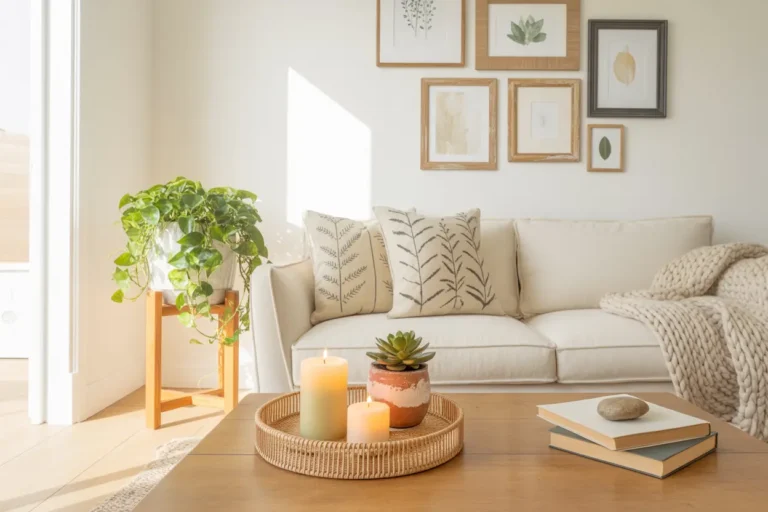
27 Cozy Bedroom Ideas That Make You Never Want to Leave
There is a specific kind of tired that only a truly cozy bedroom can fix. Not just a place with a bed in it, but a room that wraps around you when you walk in, that feels warmer and quieter than the rest of the house, that makes you want to stay. Getting that feeling does not require a renovation or a decorator. It comes down to layering textures, choosing the right lighting, and making deliberate choices about what goes in the room and what does not. These 27 ideas cover every part of the bedroom, from the bedding to the walls to the small details that add up to something that genuinely feels like a retreat. Work through them slowly or try several at once, but either way, your bedroom is about to feel very different.
1. Chunky Knit Blanket
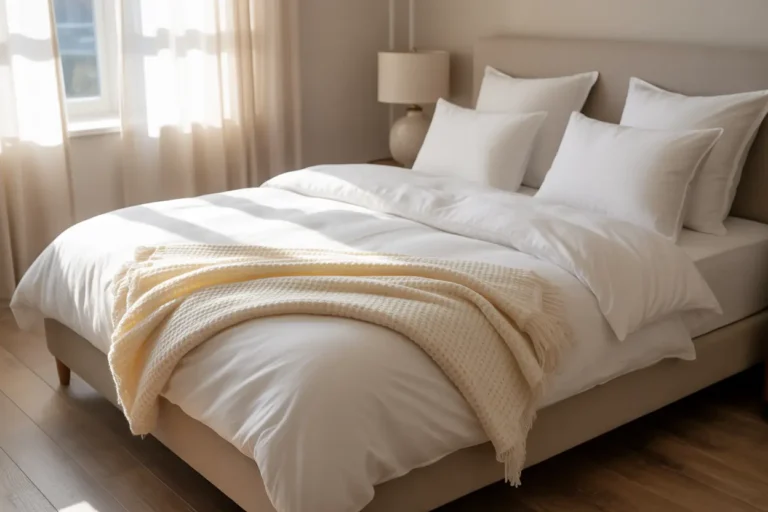
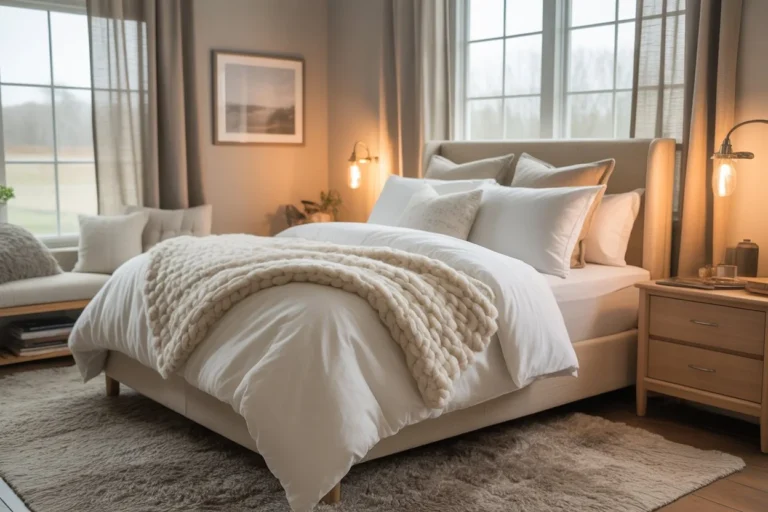
A chunky knit throw blanket draped across the foot of the bed or folded over the edge of a chair is one of the most immediately cozy things you can add to a bedroom. The thick, textured weave gives it a handmade quality that feels warm even before you touch it. These blankets are widely available in off-white, cream, warm gray, and camel tones that look good against almost any bedding color. Place it at the foot of the bed with a casual fold so it looks like you just tossed it there rather than arranging it precisely. You can also pile it into a large woven basket next to the bed for a cozy nook look that functions as both decor and a practical grab-and-go comfort item. Chunky knit blankets are made from thick yarn that holds its shape well and tends to get softer with washing over time.
2. Warm Overhead Lighting
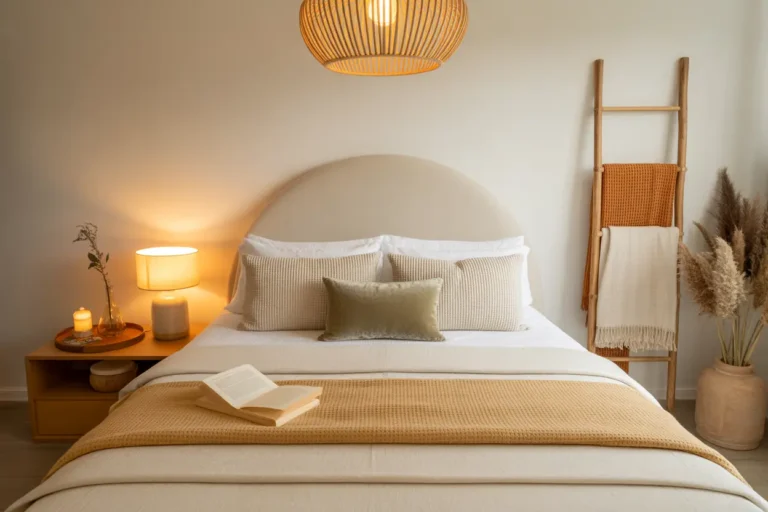
One of the fastest ways to make a bedroom feel less inviting is to rely on a cool-toned overhead light. The blue-white light of most standard bulbs mimics daylight and keeps the brain alert rather than easing it toward rest. Swapping overhead bulbs for warm LED options with a color temperature between 2200K and 2700K changes the entire atmosphere of the room. The light becomes golden and soft, more like candlelight than office lighting. If your overhead fixture is harsh or unattractive, consider replacing it with a simple rattan pendant shade or a soft fabric drum shade that diffuses the light before it hits the room. Both options are widely available for under forty dollars and can be swapped out without any electrical work beyond changing a bulb. The difference in the room’s feeling is immediate and significant.
3. Flannel Sheet Set
If you have never slept on flannel sheets, you may not fully appreciate how much the texture of bedding affects how cozy a bedroom feels. Flannel is a brushed cotton fabric that feels noticeably warmer and softer than standard percale or sateen sheets, especially in cooler months. It has a slightly napped surface that traps warmth without being as heavy as a wool blanket. Good quality flannel sheets are available at most home goods stores for between thirty and sixty dollars for a full set. Solid-color flannel in warm tones like oatmeal, warm white, or soft sage works well in any bedroom and looks clean rather than campy. Keep flannel sheets on the bed from fall through early spring and switch to lighter cotton or linen for warmer months. Your bed will look and feel distinctly different with the seasonal swap.
4. Layered Bedding Look
A bed with multiple layers of bedding always looks more inviting than a bed with a single flat cover. Start with a fitted sheet, then a flat sheet, then a quilt or thin blanket, then your main duvet or comforter, then a folded throw at the foot. The layers create visual depth and a sense of warmth even before anyone gets into the bed. You can pull back the layers to show the different textures underneath for a styled, editorial look. Mixing textures across the layers, like a cotton quilt under a linen duvet with a velvet throw on top, makes the arrangement feel intentional and collected rather than bought as a set. You do not need to spend much on the layering pieces. Thin quilts from discount stores and basic blankets work just as well as expensive versions when layered together with more premium outer pieces.
5. Soft Area Rug
A thick, soft rug on the bedroom floor is one of those additions that immediately changes how the room feels underfoot and visually. Stepping out of bed onto a cold hard floor in the morning is one of the least cozy experiences a bedroom can offer. A plush rug fixes that immediately. High-pile rugs like shaggy styles or thick wool options feel luxurious underfoot and add visible warmth to the room from a visual standpoint as well. Place it so it extends well past both sides of the bed and beyond the foot, creating a landing zone that feels soft and welcoming. Neutral tones in cream, warm gray, or sand work in almost any bedroom color scheme. Washable rugs are worth considering for a bedroom since they are easy to keep fresh. Many come in high-pile styles now that are machine washable on a gentle cycle.
6. Candle Grouping Display
A grouping of candles on a dresser top, nightstand, or a floating shelf creates a warm, atmospheric focal point in a bedroom. You do not need to burn them every day for them to have an effect. Even unlit candles in varying heights and widths look intentional and cozy as a decorative arrangement. Place them on a tray or a small wooden board to anchor the grouping and make it easier to move if needed. When you do light them, the flickering light creates a quality of warmth that no electric bulb can fully replicate. Choose candles in similar color families, like all cream and ivory, or all natural beeswax tones, for a cohesive look. Pillar candles, jar candles, and tapers can all be mixed together when the tones are similar. Always use a candle holder or heat-safe surface underneath.
7. Blackout Curtains
Good sleep is the foundation of a cozy bedroom, and blackout curtains make a significant difference to how well and how deeply you sleep. They block early morning light, street lamps, and headlights from disrupting rest. Beyond the practical benefit, blackout curtains also tend to be heavier and fuller than sheer or light-filtering panels, which adds a sense of richness and enclosure to the room that feels inherently cozy. Look for velvet, thermal, or thick woven blackout curtains in warm tones like taupe, warm gray, navy, or sage. Hang them from a rod positioned close to the ceiling and let them fall to the floor for the most dramatic and effective result. Most blackout curtain panels at a standard size are available for under thirty dollars each, making this one of the more affordable improvements you can make for both comfort and sleep quality.
8. Gallery of Personal Photos
A wall filled with printed personal photos framed simply and arranged with care makes a bedroom feel genuinely personal and warm in a way that purchased art cannot always replicate. These are your people, your places, your memories, and seeing them on the wall creates a sense of belonging that is fundamental to what makes a space cozy. Print photos at home or through an online printing service and frame them in matching simple frames for a unified look. Black and white printing can make even casual snapshot photos look more composed and artistic. Arrange the frames on the floor before hanging to find an arrangement that feels right. A loose grid of even-sized frames has a modern, editorial look, while a more organic arrangement of mixed sizes feels relaxed and collected. Either approach works as long as the frames are cohesive.
9. Reading Nook Corner
A small reading corner in the bedroom, even in the tightest space, adds a sense of purpose and comfort to the room beyond just sleeping. All you need is a comfortable chair or a floor cushion, good lighting from a nearby lamp or clip-on reading light, and a small surface for a cup of tea and a stack of books. Tuck this corner into an unused area near a window or between the bed and the wall. Add a small side table or a simple tray on the floor as a surface. A throw blanket draped over the chair and a small plant nearby complete the look. Having a dedicated spot for quiet activities like reading makes the bedroom feel like more of a retreat and less like just a place to sleep. It does not need to be large. Even a small armchair with a good lamp turns an unused corner into something genuinely inviting.
10. Warm Wall Color
Cool whites and grays can feel fresh and modern, but warm wall colors create an entirely different atmosphere in a bedroom. Shades like warm terracotta, dusty blush, soft amber, warm sage, or muted camel make a room feel wrapped and sheltered rather than open and airy. These colors work especially well in bedrooms because they bring in warmth that feels different from a brightly lit neutral room. The light in a room with warm-toned walls takes on a golden quality in the evenings that is very difficult to replicate any other way. If you are hesitant to commit to a full room paint job, try it on just the wall behind the bed first. That single wall change can tell you quickly whether the color suits the room before you invest the time in painting all four walls. Most paint stores will mix a small sample size for just a few dollars.
11. Bookshelf Beside Bed
A small bookshelf placed beside the bed does double duty as both a nightstand and a display for books, plants, and small personal items. It gives you more surface area and storage than a standard nightstand, and a shelf filled with books has an inherent coziness that few other furniture pieces can match. A simple three-shelf unit in natural wood or painted white can work in most bedroom styles. Stack books both vertically and horizontally on the shelves for a natural, collected look. Leave space for a small lamp on top, a plant on one shelf, and a few personal items that make the arrangement feel lived-in rather than staged. A bookshelf nightstand works especially well in rooms where reading before sleep is a regular habit, since your current and upcoming reads are always within easy reach.
12. Ceiling Canopy Fabric
Hanging a fabric canopy above the bed creates an immediate sense of enclosure and intimacy that transforms the sleeping area into something that feels like its own private space within the room. You do not need a four-poster bed frame to achieve this. A simple wooden dowel or curtain rod mounted to the ceiling above the bed, with fabric panels hanging down on either side, creates the same effect. Sheer white or cream fabric works beautifully for a light, airy canopy. Heavier linen or velvet panels create a more dramatic and cocooning effect. The fabric does not need to close around the bed completely. Even two panels hanging loosely on either side are enough to create the visual impression of a dedicated sleeping nook. This is one of those additions that photographs beautifully and feels even better in person than it looks.
13. Scented Soy Candles
Scent is one of the most powerful tools for making a space feel cozy, and scented soy candles in the bedroom add both fragrance and atmospheric lighting in one. Soy wax burns cleaner than paraffin and tends to hold fragrance more consistently throughout the life of the candle. For a bedroom, look for calming scents that encourage rest rather than energizing ones. Lavender, chamomile, sandalwood, cedarwood, and warm amber are popular choices that feel appropriate for the end of the day. Place candles on a heat-safe surface on the nightstand or dresser where they will be visible and where the scent can circulate through the room without any obstruction. Light them in the hour before sleep as part of a wind-down routine and the association between the scent and relaxation will build over time.
14. Soft Bedside Lamp
The lamp on your nightstand is the light you reach for most often in the bedroom, and the quality of its light matters more than most people think. A lamp with a fabric shade in a warm color casts softer, more flattering light than a lamp with a white or glass shade. The inside of the shade acts as a filter that tones the light before it enters the room. Amber, cream, or blush-colored shades create the warmest light. Make sure the bulb inside the shade is also warm-toned, around 2200K to 2700K, for the best effect. A lamp that is too tall or too short for the nightstand can also affect how the light falls. Ideally, the bottom of the shade should sit roughly at eye level when you are sitting up in bed. This directs the light where you need it for reading without glaring upward at the ceiling.
15. Plants on the Nightstand
A small plant on the nightstand adds life, texture, and color to the area closest to where you sleep. It makes the bedside arrangement feel more like a personal environment and less like a hotel room. Good plant choices for nightstands are small and slow-growing so they do not outgrow the space quickly. A small pothos in a simple pot, a compact succulent, a peace lily, or a tiny snake plant all work well. Peace lilies in particular are known to do well in low light and have been associated with cleaner indoor air, which is a bonus in a bedroom setting. Choose a pot that matches the rest of the room’s palette, either matching the nightstand finish, complementing the bedding color, or going with a natural material like terracotta or woven rattan. Water the plant on a consistent schedule to keep it looking its best.
16. Woven Lampshade
Swapping a plain fabric or white drum shade on a bedroom lamp for a woven rattan or seagrass shade changes the quality of light in the room in a genuinely cozy way. The gaps in the weave allow warm light to filter through in a dappled, patterned way that bounces softly off nearby walls and the ceiling. The effect is subtle but unmistakable. A woven shade creates the kind of light that feels intentional and warm without being overly dim. This swap works well with floor lamps, table lamps, and even pendant lights. Make sure the woven shade is rated for the bulb wattage you plan to use and that there is adequate airflow around the bulb. Natural fiber shades in rattan, seagrass, bamboo, or jute are all widely available and tend to be very affordable, often under twenty-five dollars for a standard shade size.
17. Velvet Headboard
A headboard upholstered in velvet gives the bed a rich, enveloping quality that is different from any other fabric. Velvet reflects light slightly as the pile shifts direction, creating a subtle depth that looks expensive and tactile at the same time. Neutral velvet tones like warm gray, dusty sage, camel, or blush work in most bedroom styles and pair easily with a wide range of bedding colors. Bolder velvet tones like deep teal, charcoal, or burgundy create a more dramatic, moody bedroom feel that is especially effective when paired with soft neutral bedding. Velvet headboards are available at various price points, and mid-range options from online furniture retailers can look just as good as much more expensive versions. If your budget is tight, a DIY upholstered headboard using velvet fabric from a fabric store is a surprisingly achievable project for a weekend.
18. Rope Light Behind Bed
LED rope lights or strip lights installed behind the headboard or along the baseboard behind the bed create a soft halo of warm light that gives the room a cozy, layered glow without being bright enough to interfere with sleep. This type of ambient lighting, sometimes called bias lighting, reduces eye strain and creates a backlit effect that makes the headboard and wall feel like a designed feature rather than just a surface. Use warm white or amber-toned LED strips for the most comfortable result. Plug-in LED strip lights with a remote control allow you to adjust the brightness easily and turn them off without getting up. This is a low-cost setup that takes very little time to install, usually under an hour, and the visual result is something that looks intentionally designed for the space.
19. Mirror With Warm Frame
A mirror framed in a warm material like natural rattan, honey-toned wood, or brushed brass adds both function and atmosphere to a bedroom. Unlike a stark chrome or black metal frame, warm-toned frames absorb into the room rather than standing out sharply. A large rattan-framed mirror leaning against the wall beside the dresser or in an empty corner adds light, a sense of depth, and a relaxed, organic quality to the room. Arch-shaped mirrors in rattan or natural wood are especially popular right now and tend to be very affordable at home goods stores and online. The combination of the organic texture of the frame and the reflective surface of the mirror creates a layered visual effect that suits a cozy, layered bedroom aesthetic extremely well.
20. Weighted Blanket Layer
A weighted blanket used as a top layer on the bed has both a practical and visual benefit. From a comfort standpoint, the gentle pressure of a weighted blanket encourages relaxation and can improve sleep quality for many people. From a styling standpoint, a folded or casually draped weighted blanket at the foot of the bed adds visual weight and presence to the lower portion of the bed, which makes the whole arrangement feel more complete and inviting. Many weighted blankets come in attractive knit or quilted covers in neutral bedroom-friendly tones. Choose a cover that complements the rest of your bedding rather than contrasting with it. Layer it under or over your regular throw blanket depending on the season. In cooler months it works beautifully as a top layer, and in warmer months it can serve more as a styling piece that you use occasionally.
21. Curtains in Warm Tones
Curtain color has a surprisingly large impact on how warm and inviting a bedroom feels. Curtains in cool tones like bright white, icy blue, or stark gray can make a room feel clinical even when everything else is warm and layered. Switching to warm-toned curtains in shades like terracotta, warm rust, muted gold, dusty blush, warm taupe, or olive instantly shifts the color temperature of the room. The curtains frame the window and are one of the larger surface areas in the room, so their color influences the overall palette significantly. Even if you keep everything else the same, warm-toned curtains can change the feeling of the room noticeably. Look for linen or cotton curtains in these tones, as natural fabrics drape more softly and have a more relaxed, lived-in quality than synthetic panels.
22. Footboard Bench Styling
A wooden or upholstered bench placed at the foot of the bed with a throw blanket folded over it creates a layered, styled look that feels like something you would see in a high-end bedroom design. The bench adds a functional surface for getting dressed and also acts as a visual anchor at the end of the bed that makes the sleeping area feel more complete and intentional. Choose a bench that is about two-thirds the width of the bed for the best proportion. Drape a chunky knit throw or a soft velvet blanket casually over one end of the bench and add a small pillow if there is room. The combination of the blanket and the bench creates a welcoming visual layering that suggests comfort even from across the room. This is especially effective in bedrooms where the foot of the bed currently looks bare or unfinished.
23. Soft Rug in Layers
Layering a smaller rug on top of a larger one is a styling technique that adds warmth, texture, and a bespoke quality to a bedroom floor without requiring expensive materials. Start with a large neutral rug as the base, something in a simple solid or subtle texture, and layer a smaller rug on top that adds pattern, color, or a contrasting texture. A woven jute rug as the base with a small vintage-style or geometric printed rug layered on top in the center creates a rich, collected look. The layering also adds physical warmth underfoot, especially in rooms with hard flooring. The rugs do not need to be expensive. Discount stores and online marketplaces often have interesting smaller rugs at low prices that look very good when layered with a simpler base rug. The key is to make sure the scales work, with the top rug being noticeably smaller than the one below.
24. Low Ambient Side Lamp
A small lamp placed low in the room, at floor or table level rather than overhead, creates a cozy pool of warm light that stays contained rather than flooding the whole room. This type of low ambient lighting is very effective in the evening when you want to wind down but still have enough light to move around comfortably. A small ceramic or wooden table lamp on a low shelf, a rattan floor lamp in the corner, or even a simple plug-in accent light near the baseboard all create this effect. The light stays soft and directional rather than diffuse and bright. Pair low ambient lighting with an adjustable overhead light on a dimmer for the most flexible bedroom lighting setup. Being able to lower the overhead light and rely on warm low lamps in the evening encourages the body to shift toward rest in a natural way.
25. Cozy Nook Seating
A small sitting area within the bedroom, separate from the bed, gives the room a dual-purpose quality that makes it feel more like a personal retreat than just a sleeping space. It does not need to be elaborate. A small upholstered chair or a large floor cushion with a side table and a lamp is enough to create a dedicated spot for reading, journaling, or simply sitting with a cup of coffee before getting up for the day. Tuck this area into a corner, near a window, or at the end of the room opposite the bed. Add a small plant and a stack of books or a tray with a candle nearby to make it feel personal and intentional. Even in a modestly sized bedroom, a single comfortable chair with good lighting and a small surface creates a sense of retreat that changes how the whole room feels.
26. Fairy Lights in Jar
A glass jar or a clear lantern filled with warm fairy lights placed on the nightstand or a dresser creates a soft, glowing centerpiece that works year-round. This is a surprisingly simple styling idea that photographs beautifully and looks very intentional in person. Use a clear mason jar, a glass apothecary jar, or even a simple glass hurricane vase. Stuff a warm white or amber fairy light string loosely inside and let the wire trail out the back where it plugs in. The light filters through the glass and creates a soft, scattered glow that adds warmth to the area without being bright enough to disturb sleep. This works especially well on a nightstand where it can replace a traditional lamp for those evenings when you want very soft ambient light rather than functional reading light.
27. Textured Accent Cushions
The final layer of coziness on a well-styled bed comes from the texture of the accent cushions. Cushions in boucle fabric, ribbed velvet, cable knit, or fringe trim add a tactile quality to the bed that a flat printed pillow simply cannot replicate. Textured cushions catch light differently depending on the angle and time of day, giving the bed a dimensional, layered look in photographs and in person. Choose cushion sizes that complement rather than overwhelm the bed. A standard bed looks best with two or three accent cushions of different sizes in front of the sleeping pillows. Keep the color palette cohesive with the rest of the bedding. Mixing two or three textures in similar tones, like a boucle in cream next to a ribbed velvet in warm ivory, creates richness without visual chaos. These small additions pull the whole cozy bedroom look together.
Coziness is really just a collection of small decisions that add up to something bigger. You do not have to do everything on this list at once. Even adding one warm lamp or a chunky throw can shift how a bedroom feels. Start where it feels easy and keep going from there.