21 Living Room Ideas Under $100 That Look Genuinely Expensive
You do not need a designer budget to have a living room that looks genuinely pulled together. The difference between a living room that photographs well and feels good to sit in and one that always seems like it is almost there usually comes down to a handful of specific details, the quality of the lighting, the consistency of the color palette, the way the pillows are arranged, and whether the room has been edited down or left to accumulate. Every idea on this list costs under one hundred dollars and addresses one of those details directly. Some cost under ten. All of them make a visible difference that guests will notice even if they cannot explain exactly what changed.
1. New Throw Pillows
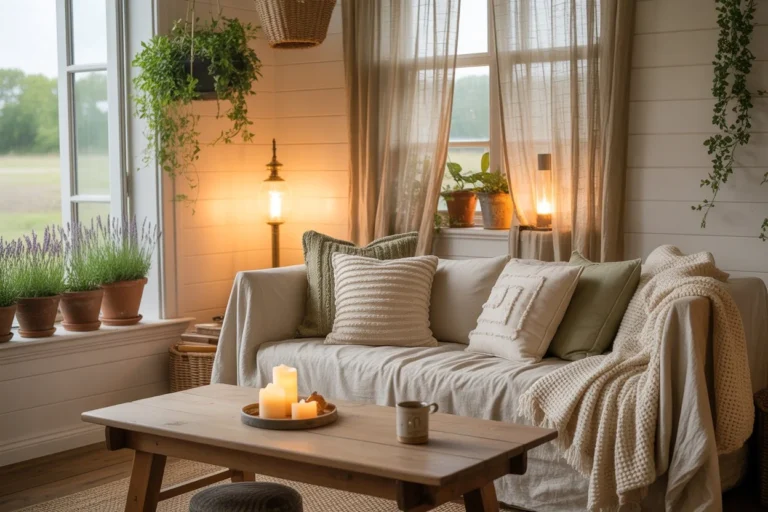
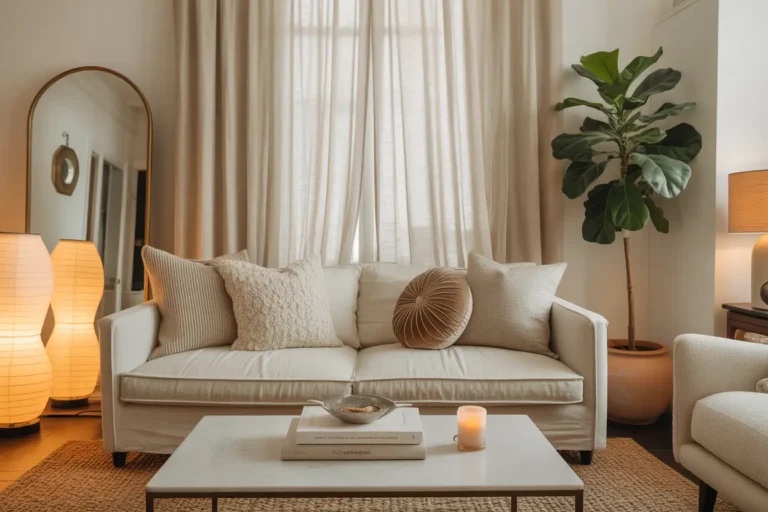
Throw pillows are the fastest way to change the color story of a living room without touching the walls, the furniture, or any permanent fixture. A sofa that has been dressed with the same pillows for two years tends to become invisible, part of the background rather than a focal point. Replacing them with a fresh set in colors and textures that reflect current preferences immediately refreshes the whole seating zone. Aim for a mix of sizes, a standard twenty-by-twenty-inch square, a slightly larger square, and one lumbar pillow, in a palette of two or three coordinated tones. Choose pillow covers rather than full pillows so you can swap them seasonally without buying new inserts each time. Most sets of three pillow covers cost between twenty and sixty dollars online and the change to the room is immediate.
2. Statement Floor Lamp
A well-chosen floor lamp can function as both a practical light source and a visual anchor for a seating arrangement, filling vertical space in a corner and adding a layer of warm ambient light that overhead fixtures cannot provide. Look for a lamp with a simple, well-proportioned shape rather than an elaborate or trendy one, since a clean silhouette in a warm metal finish or a natural material like rattan or bamboo will still look good long after a more decorative design has dated. Position it behind and to one side of the sofa or beside a reading chair where it can throw light down over a seated person for reading. A good floor lamp makes the seating area feel designed and complete in a way that a bare corner or reliance solely on overhead lighting does not.
3. Layered Throw Blanket
A throw blanket draped over the arm of a sofa or folded over the back of an accent chair adds warmth, texture, and color to the living room without requiring any permanent change. The key is in how it is draped. A blanket thrown on carelessly looks messy. A blanket draped with one deliberate fold, pulled partially over the arm and allowed to trail slightly, looks styled and inviting. Choose a material with some visual substance, chunky knit, waffle weave, velvet, or a heavy cotton weave, rather than a thin synthetic throw that looks flat and inexpensive. A single well-chosen throw blanket in a color that complements but does not match the sofa exactly adds the kind of layered, relaxed quality that makes a living room feel genuinely comfortable rather than showroom-ready.
4. Gallery Wall Update
An existing gallery wall that was put up years ago and has not been touched since can start to feel dated or mismatched without a specific reason being obvious. Refreshing it by removing everything, patching and repainting the wall, and reinstalling only the pieces that still feel current and personal can completely change the wall without buying anything new. If the arrangement needs updating, add one or two new inexpensive prints, a small mirror, or a simple framed photo to the mix and rearrange the whole grouping with fresh spacing and a more consistent visual logic. The act of taking everything down and starting fresh almost always results in a better arrangement than adding to or adjusting the existing one, since it forces reconsideration of each piece rather than working around the existing layout.
5. Candle Cluster Display
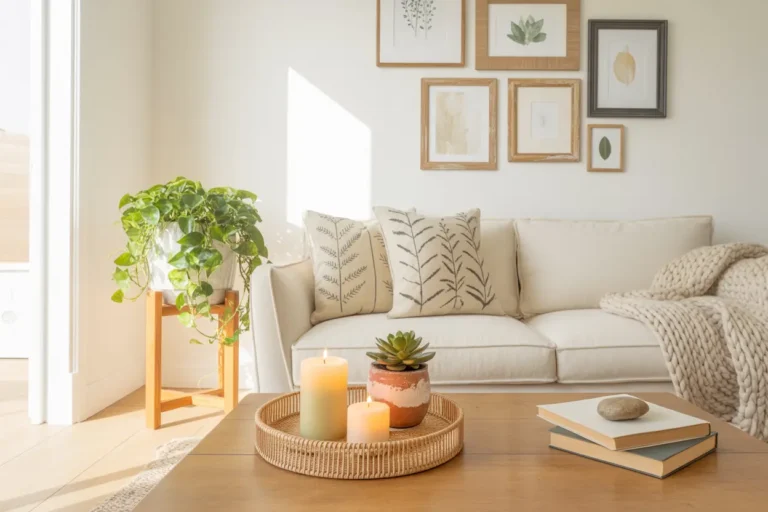
A cluster of candles in varying heights and diameters arranged on a tray or a flat stone on the coffee table, the mantelpiece, or a side table creates a warm, atmospheric focal point in the living room that costs very little and looks sophisticated. Use candles in the same color family rather than mixing bright colors for a more refined look. Cream, ivory, and natural beeswax tones work in almost any living room palette. The tray that contains the arrangement is as important as the candles themselves. A simple wooden tray, a flat marble slab, a slate tile, or a round mirrored plate all work as a base for the grouping and create a defined visual boundary that makes the arrangement read as intentional rather than just several candles sitting out.
6. Botanical Poster Art
Large format botanical posters in simple black frames are one of the most affordable ways to create a significant impact on a living room wall. A single large botanical print, at least twenty-four by thirty-six inches, framed in a clean black or natural wood frame, reads as confidently designed at a fraction of the cost of original art. Free botanical illustrations in the public domain are widely available online and can be downloaded and printed at a local print shop for a few dollars. Frame them in a matching set for a gallery arrangement, or use a single oversized print as the main artwork on the focal wall. The scale is what makes the difference. Small prints tend to look timid on a large wall. One big print looks confident and designed.
7. Matching Table Lamps
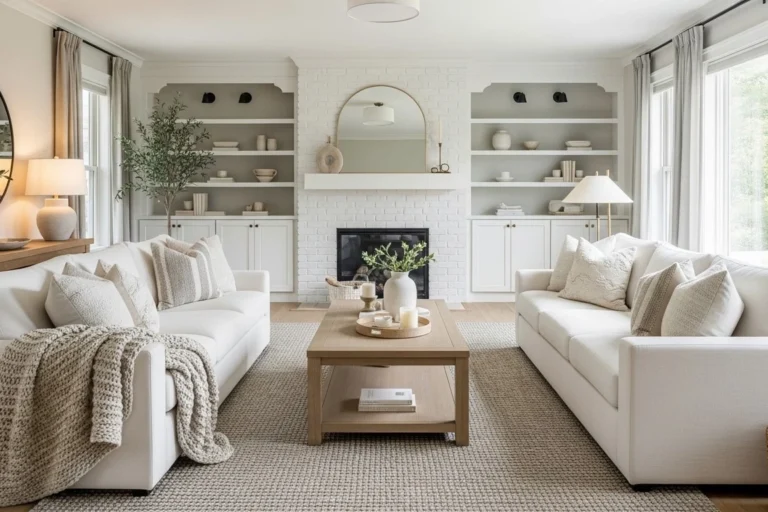
Two matching table lamps placed symmetrically on a console table, on a pair of side tables flanking the sofa, or on a mantelpiece shelf give a living room a polished, hotel-like quality that is difficult to achieve any other way. Symmetry signals intentional design, and two matching lamps on either side of a sofa or fireplace immediately make the seating arrangement look considered and complete. Look for pairs at discount home stores or online where you can often find attractive lamp pairs for under sixty dollars total. A simple ceramic base with a neutral drum shade or a tapered shade in a warm linen fabric works in most living room styles. If buying a pair is not in the budget, two similar lamps from the same collection with slightly different heights can work if the bases are in the same finish.
8. Sofa Refresh With Throw
A sofa that is worn, faded, or simply the wrong color for a refreshed room can be visually transformed with a large throw draped strategically across the main sitting surface. This is not about covering the entire sofa, which tends to look like a slipcover rather than a styling choice. It is about using one large, textured throw to cover the most worn or discolored section, typically the main seating cushion, and allowing the rest of the sofa to show on either side. A woven cotton throw in a warm neutral tone can make a tired beige sofa look intentionally understated. A velvet or boucle throw can upgrade the texture of a plain fabric sofa noticeably. This is the living room equivalent of the bedroom velvet throw: a single piece that shifts the whole visual register of the main furniture in the room.
9. Repaint an Accent Wall
Painting one wall in the living room a different color from the rest, particularly the wall behind the main sofa or the fireplace wall, is a targeted change that has an outsize effect on how the room looks overall. It gives the room a focal point, a clear sense of direction, and a layer of color depth that four identically painted walls cannot provide. Choose a color that is two to three shades deeper than the main wall color for a sophisticated tonal effect, or go bolder with a rich sage, a warm terracotta, a soft navy, or a deep dusty rose if the room needs more personality. A single wall of paint costs well under thirty dollars in a standard room and transforms the space in an afternoon. Combined with other updates from this list, an accent wall change is one of the highest-value single investments you can make.
10. New Curtain Hardware
Curtains that are hanging on old, mismatched, or cheap-looking hardware pull down the appearance of the whole window treatment regardless of how nice the fabric panels themselves are. Replacing the rod, finials, and rings with a coordinated set in a current finish, brushed brass, matte black, or natural wood, makes the curtain arrangement look immediately more polished. Look for curtain rods that are slightly thicker in diameter than standard economy options, since the additional visual weight reads as more substantial and more designed. Mount the rod as high as possible on the wall and use rings rather than a rod pocket for the cleanest, most even drape. New curtain hardware for a standard window typically costs between fifteen and forty dollars and visually upgrades the entire window wall.
11. House Plant Statement
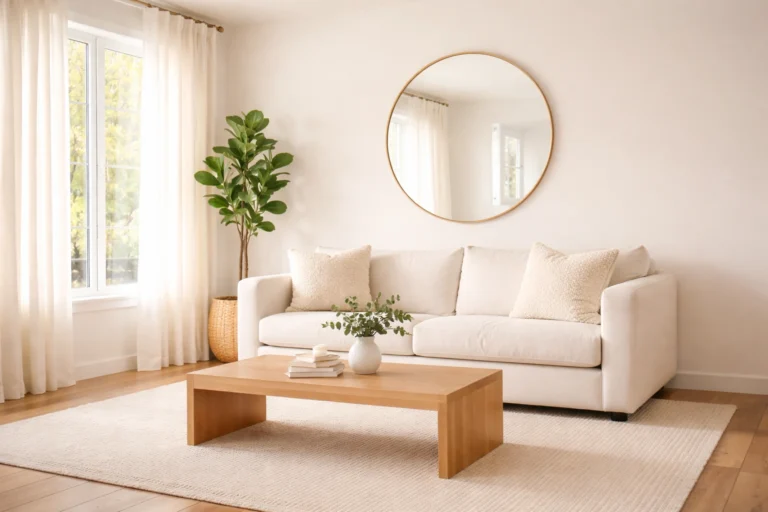
One large, well-chosen houseplant in a quality pot in a visible spot in the living room adds more life, color, and organic warmth than most purchased decor elements can achieve. A large fiddle-leaf fig, a mature monstera, a tall snake plant, or a wide bird of paradise all have a strong presence that contributes to the room’s atmosphere immediately. The pot is as important as the plant. A plain nursery pot in a ceramic cachepot, a woven rattan basket, or a simple clay pot significantly elevates the appearance of even a modestly priced plant. Position the plant where it will get appropriate light and where it has room to be seen from the main seating position. A single large statement plant has more impact than five small ones scattered around the room.
12. Book Stack Styling
A curated stack of three to five books on the coffee table, side table, or a low shelf, with an object on top, is one of the most widely used and reliable styling techniques in interior design because it is inexpensive, endlessly customizable, and genuinely looks good when executed with a little care. Choose books with attractive cover colors or spines and group them in a color-coordinated stack rather than a random pile. Place something on top: a candle, a small ceramic piece, a smooth stone, a tiny plant. The stack creates a vertical element on an otherwise flat surface and signals that the room is lived in by someone with interests and aesthetic sensibility. Swap the books out periodically for a free seasonal refresh that also keeps the tabletop arrangement feeling current.
13. New Area Rug
Replacing an old, worn, or wrong-sized area rug is one of the single most transformative changes you can make to a living room within a limited budget if you shop at the right sources. The rug defines the seating zone, ties the furniture together, adds color and texture to the floor plane, and contributes significantly to how warm and inviting the room feels. A correctly sized rug, large enough that the front legs of all the main seating pieces sit on it, makes a dramatic improvement over a rug that is too small. Discount home stores, online marketplaces, and end-of-season sales all offer genuinely attractive rugs at under a hundred dollars in standard living room sizes. Neutral tones with a subtle pattern or texture tend to have the longest visual lifespan and photograph best in most lighting conditions.
14. Styled Bookshelf Edit
A bookshelf that has been edited and restyled thoughtfully is one of the most impactful and cost-free improvements you can make to a living room. Take everything off the shelves, set it on the floor, and reconsider each piece individually before putting anything back. Return only the books you genuinely want to display and the objects that add something to the room. Arrange books in groups by color or size for a more visual approach, or organize by subject for a more functional approach. Leave deliberate empty sections on each shelf rather than filling every available inch. The editing itself, without buying a single new object, typically results in a shelf that looks far more designed and intentional than the original arrangement.
15. Painted Coffee Table
A coffee table that feels dated, worn, or visually heavy can be updated with a coat of paint for under twenty dollars in materials. Chalk paint in a matte finish adheres to most surfaces with minimal preparation and gives furniture an instant update that reads as intentional and styled rather than budget. A dark oak coffee table painted in a soft sage green or muted navy becomes a piece of intentional accent furniture rather than a default brown table. A brass or gold painted top on a simple table adds a glamorous touch to a neutral room. The paint requires only light sanding before application and a clear wax or matte sealer afterward to protect the finish. Combined with a new rug and some fresh throw pillows, a painted coffee table can shift the entire color story of a living room.
16. Cord Management Update
Visible cords and cables running along the baseboards, dangling behind the television, or snaking across the floor are one of those things that quietly undermine the appearance of a living room regardless of how well styled everything else is. Addressing them costs very little but makes the room look significantly more finished and intentional. Cord covers in a color matching the wall or baseboard, cable management boxes that conceal a power strip and multiple cables in a single neat box, and cord clips that route cables along the wall or inside furniture are all inexpensive solutions available at hardware stores and online. Going through the room and concealing every visible cable in an afternoon makes a difference that is immediately visible and makes the room look considerably more polished.
17. Decorative Tray Styling
A decorative tray placed on the coffee table or a console table performs two functions simultaneously: it groups small objects together into one cohesive visual unit, and it contains the natural accumulation of small things that tends to happen on horizontal surfaces in a living room. Without a tray, three or four objects on a table look like clutter. The same objects arranged inside a tray look like a vignette. Choose a tray in a natural material like rattan, light wood, or stone for a warm organic look, or in a matte metal for a more refined finish. The objects inside the tray should be limited to three or four items at most: a candle, a small plant, a stone or decorative object, and perhaps a small book. More than that fills the tray and removes the clean visual boundary that makes it work.
18. Swap the Cushion Covers
If you have a sofa with removable cushion covers that are worn, faded, or simply the wrong color for a refreshed room, replacing just the covers, not the entire cushions or the sofa itself, is one of the most cost-effective living room updates possible. Custom cushion cover makers and direct-to-consumer fabric retailers offer covers made to your cushion dimensions in a wide range of fabrics and colors for a fraction of the cost of reupholstering. Linen, cotton canvas, and velvet covers are all available in this way. Even if your cushion covers are not commercially replaceable, a slipcover over the main sofa cushion in a new fabric can achieve a similar result. The cushion covers are among the most visible surfaces in the living room and changing them has an immediate effect on the room’s color palette.
19. Wall Shelf Vignette
A single floating shelf installed on a prominent but previously bare wall, styled with a small plant, a candle, two or three books, and one simple ceramic piece, creates a focal point out of dead space and gives the room a layer of interest that the blank wall was not providing. The shelf itself costs between fifteen and thirty dollars for a basic floating shelf with hidden bracket hardware. The styling uses objects you likely already own or can source for very little. Position the shelf at roughly eye level when standing, or slightly higher above a piece of furniture where it can be seen clearly from the main seating arrangement. A single well-styled shelf on a previously bare wall makes the room look more complete and more personally considered, which is what distinguishes a well-designed room from a simply furnished one.
20. Fresh Coat on Trim
Painting just the baseboards, door frames, and window trim in the living room a fresh bright white or a warm off-white, without touching the walls, is a low-cost update that makes the whole room look cleaner, sharper, and more recently maintained. Trim that has yellowed, chipped, or accumulated scuff marks over the years is something that fades into the background of daily life but reads clearly to a fresh eye as a sign of wear. A small can of semi-gloss trim paint costs under twenty dollars and is enough for a standard living room’s worth of trim. Tape the edges carefully and apply with a small brush for a clean line. The contrast between freshly painted trim and the existing wall color, even if the wall color has not changed, gives the room a crisp, well-maintained quality that improves almost any space.
21. Warm Smart Bulbs
Replacing all the bulbs in a living room with warm-toned smart LEDs is a change that you feel before you consciously notice it. Smart bulbs allow you to set the color temperature and brightness from a phone or a voice assistant, which means you can run warm, dim evening light without getting up to manually adjust lamps. The evening light setting at two thousand to twenty-two hundred Kelvin, which is a deep amber similar to firelight, creates a living room atmosphere that flat, cool overhead light at four thousand Kelvin simply cannot match. Smart bulb sets for a living room typically cost between twenty and sixty dollars for a starter kit and pay for themselves in living room enjoyment very quickly. Set the daytime mode to a brighter warm white and the evening mode to a low amber and the room will feel completely different after dark.
The gap between a living room that looks expensive and one that does not is mostly in the details. A few well-chosen updates, the right lighting, some fresh pillows, a plant, and a clean tidy space, are almost always enough to close that gap without a large budget.