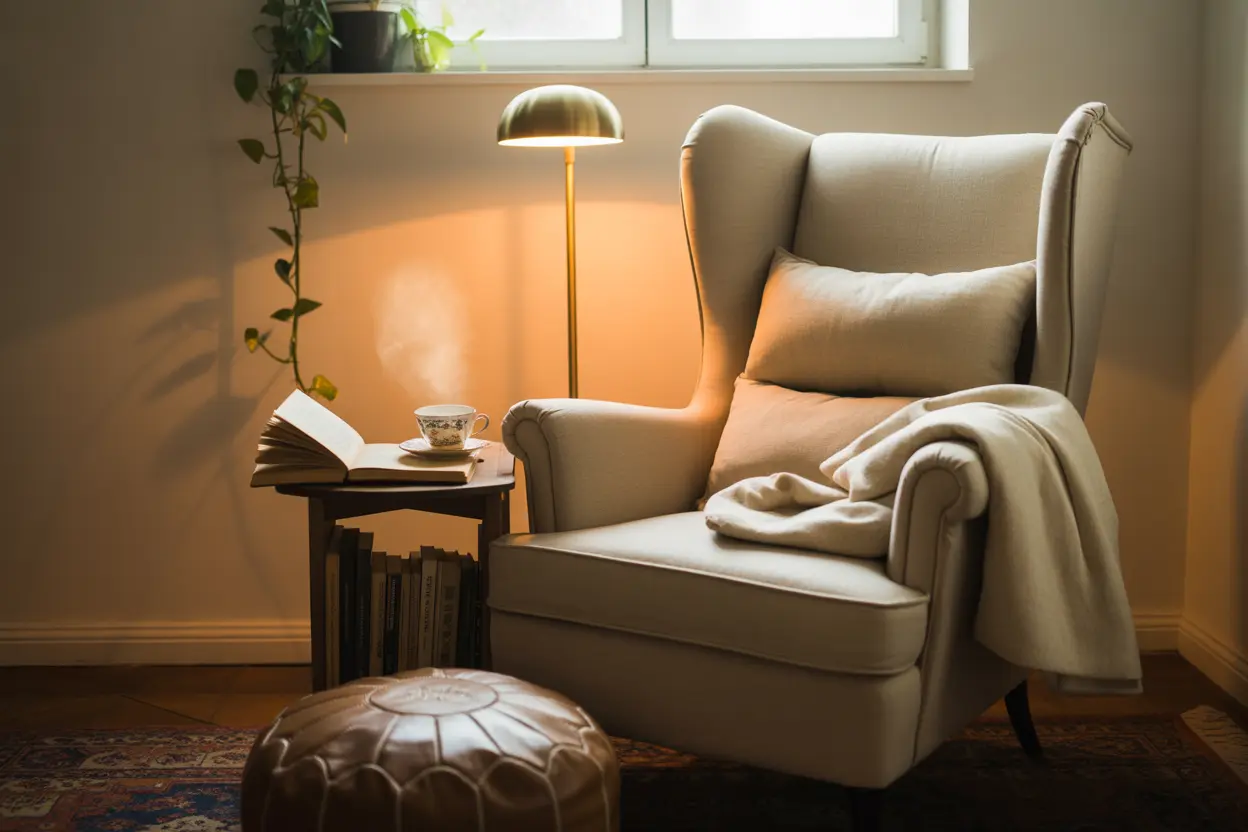
22 Reading Nook Ideas That Make You Want to Stay Off Your Phone
A reading nook competes for your attention with a phone that is specifically engineered to keep you scrolling. To win that competition, the nook has to be more inviting than the phone, not just visually but physically and atmospherically. That means real comfort that makes you want to stay seated, light that does not fatigue your eyes, a temperature that feels right for long sitting, and the small details that signal this is a place where reading actually happens. None of these ideas require a dedicated room or significant space. A reading nook can fit in a corner, beside a window, in a hallway, or even at the foot of a bed. The 22 ideas below cover the full range of setups and the small touches that genuinely make the difference between a nook you photograph and a nook you actually use.
1. The Right Reading Chair
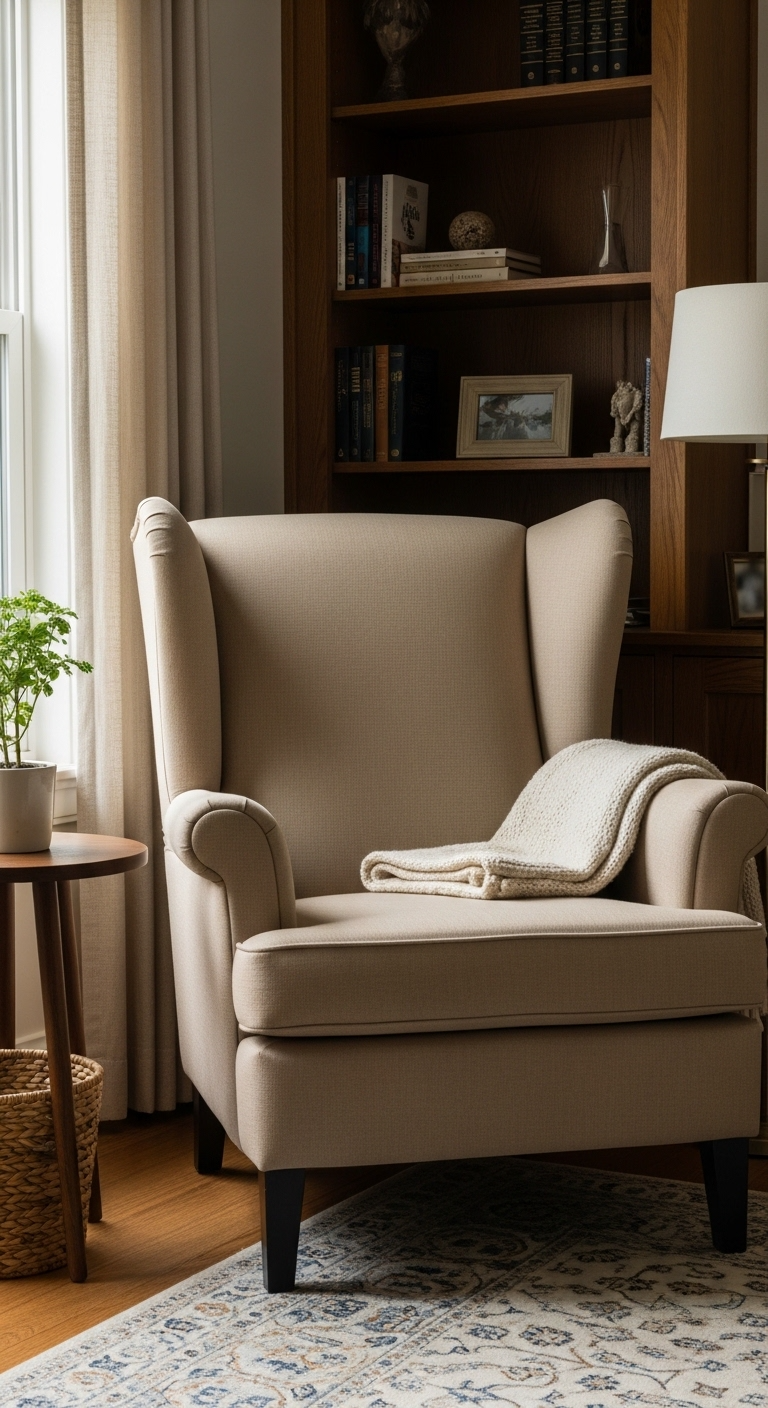
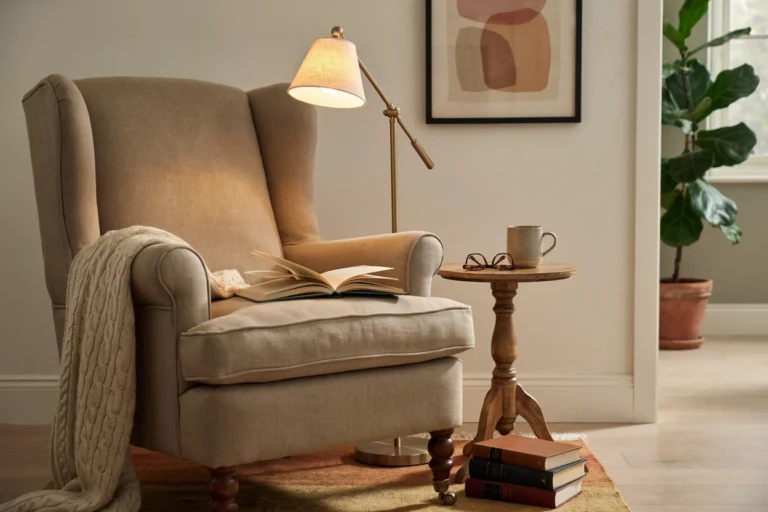
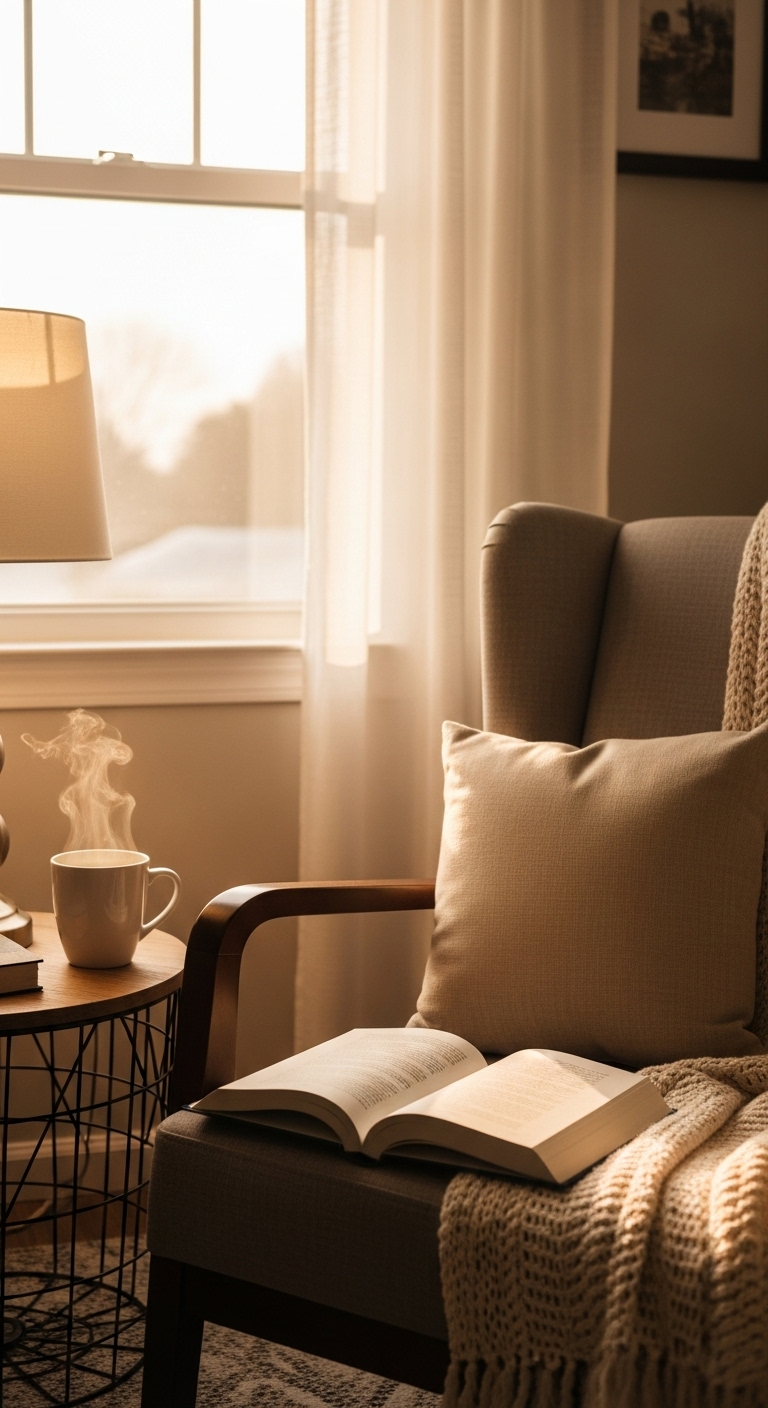
The reading chair is the foundation of any nook and the single decision that most determines whether the nook will actually get used. A chair that looks good but is uncomfortable for thirty minutes of sitting will sit empty. A chair that supports the back, has armrests at the right height for resting a book or a forearm, and is upholstered in a fabric that breathes rather than overheating, becomes a chair that draws you back. Test chairs by sitting in them for at least ten minutes before buying. Wingback chairs, slipper chairs with high backs, and well-designed modern reading chairs all work depending on the aesthetic. The critical thing is the comfort over time, not the appearance in the first thirty seconds.
2. Window Side Placement
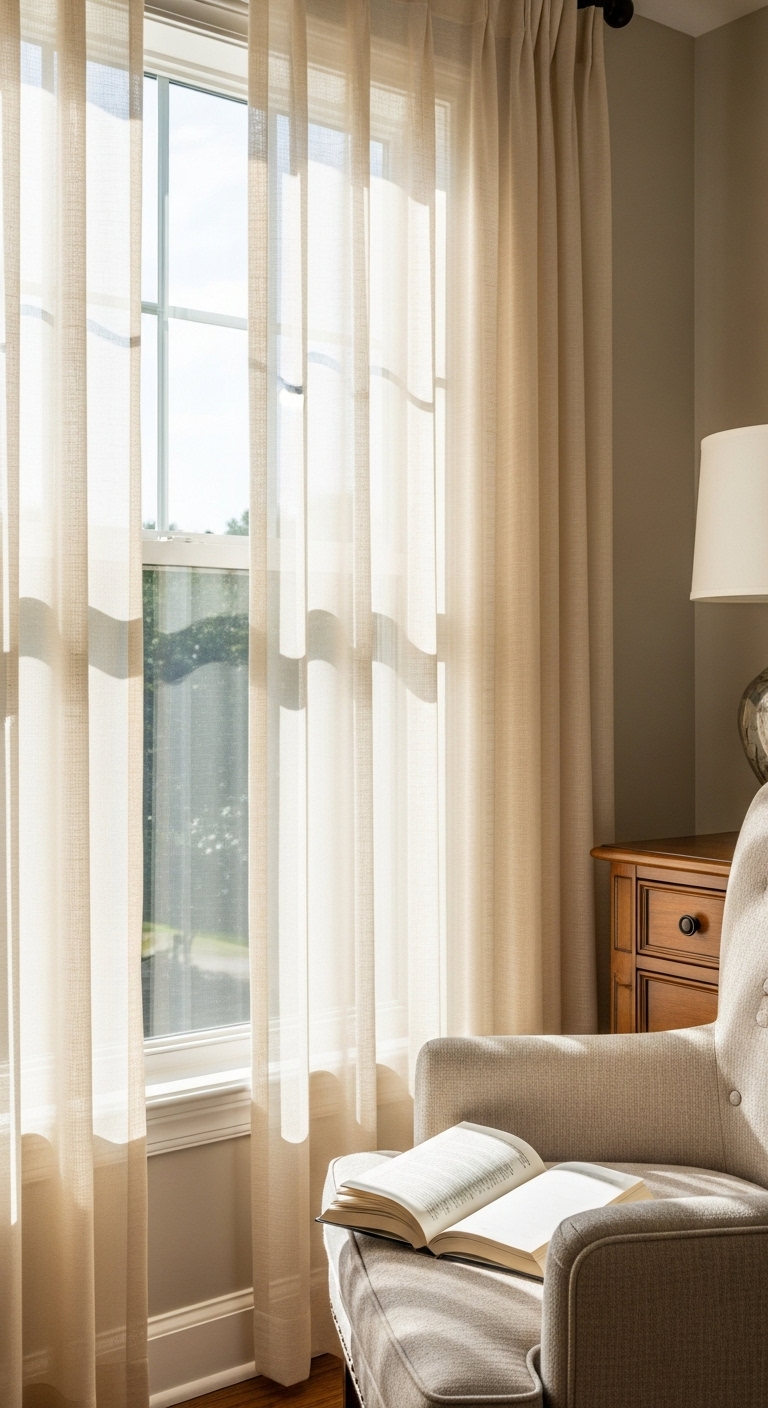
Positioning the reading nook beside a window provides natural daylight for daytime reading, which is significantly easier on the eyes than artificial light. The window also provides a view to look up at when the eyes need a break from the page, which is a small but meaningful daily benefit. Choose a window with a calm view rather than one looking out at a busy street, since the view becomes part of the reading experience. If the window faces direct strong sunlight that creates glare on the page, sheer curtains soften the light without blocking it. The combination of natural light and a calming view turns reading from a task into a small daily ritual.
3. Layered Reading Pillows
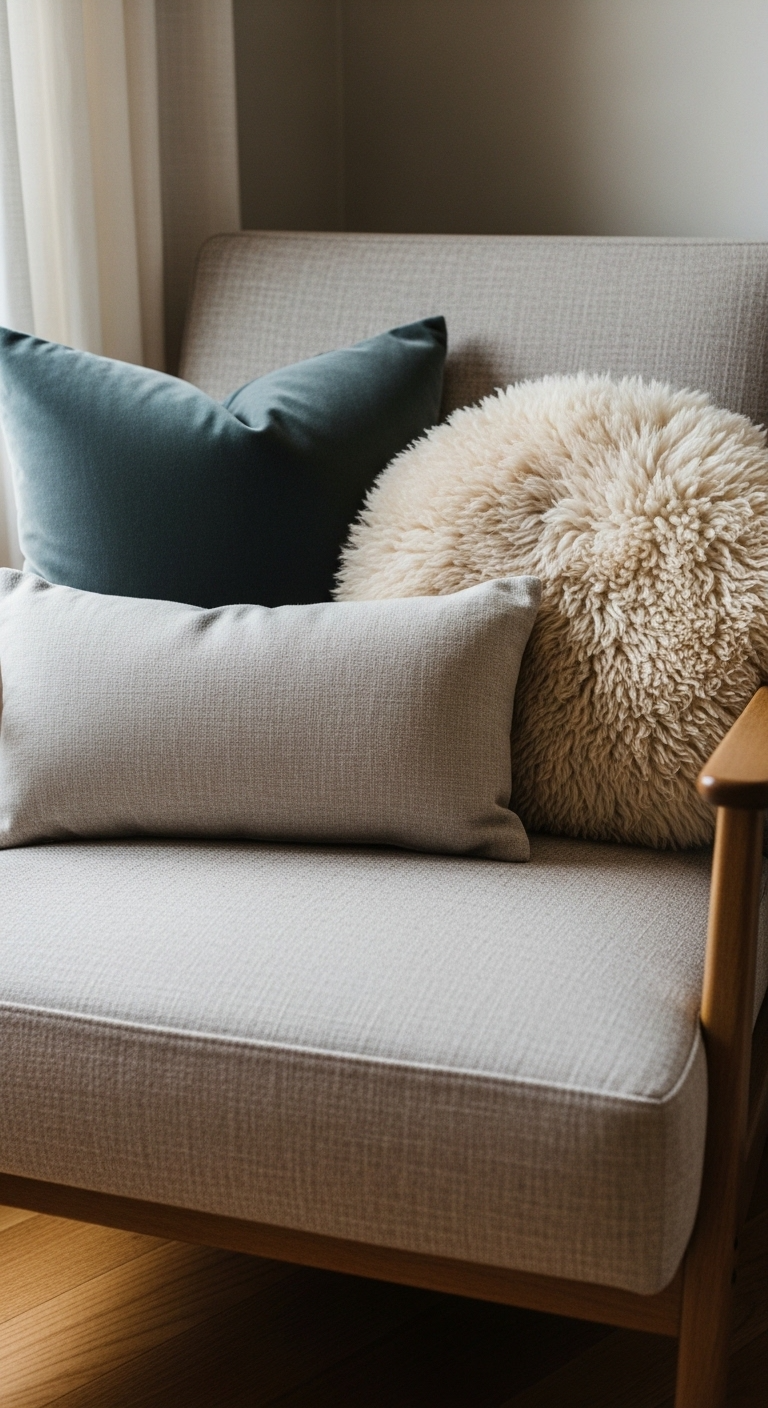
A reading nook benefits from more pillows than a standard chair would normally have. A small lumbar pillow for lower back support, a slightly larger throw pillow for shoulder support when leaning to one side, and a soft round pillow for resting an arm on while holding the book all contribute to the nook becoming a place you can settle into for an hour rather than perch on for ten minutes. Mix pillow textures: a linen lumbar, a velvet throw, and a sheepskin or wool round. The textural variety adds visual interest while serving the practical purpose of supporting different positions during a long reading session.
4. Side Table Essentials
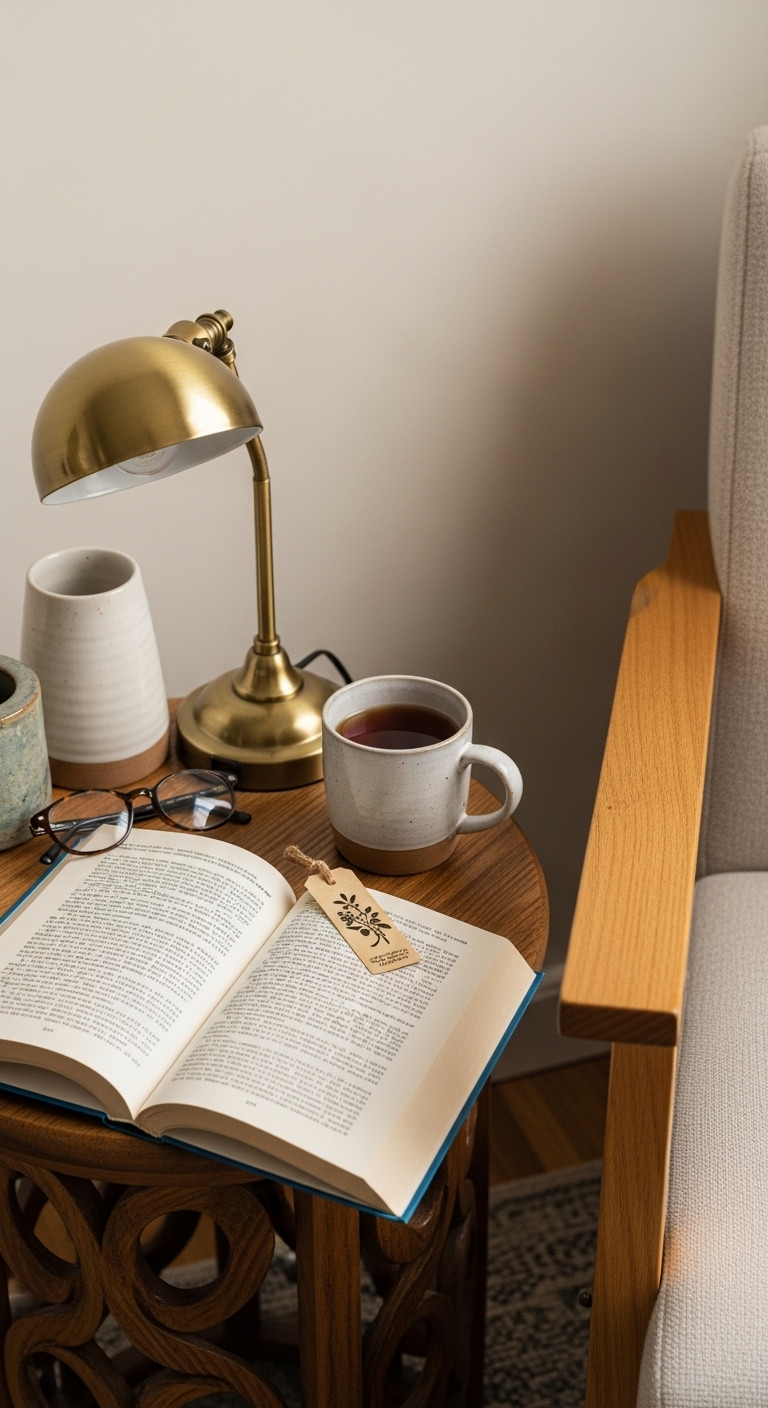
A small side table next to the reading chair is what turns the nook from a chair into a reading destination. The table holds the cup of tea, the book you are reading, the bookmark, the reading glasses, the small lamp, and any other small things that go along with a real reading session. Without a side table, all of these things end up on the floor or on your lap, which interrupts the reading. Choose a small round or square side table at the same height as the chair arm, in a material and style that complements the chair. A small wooden table, a marble side table, or a vintage stool used as a table all work depending on the nook’s style.
5. Dedicated Reading Lamp
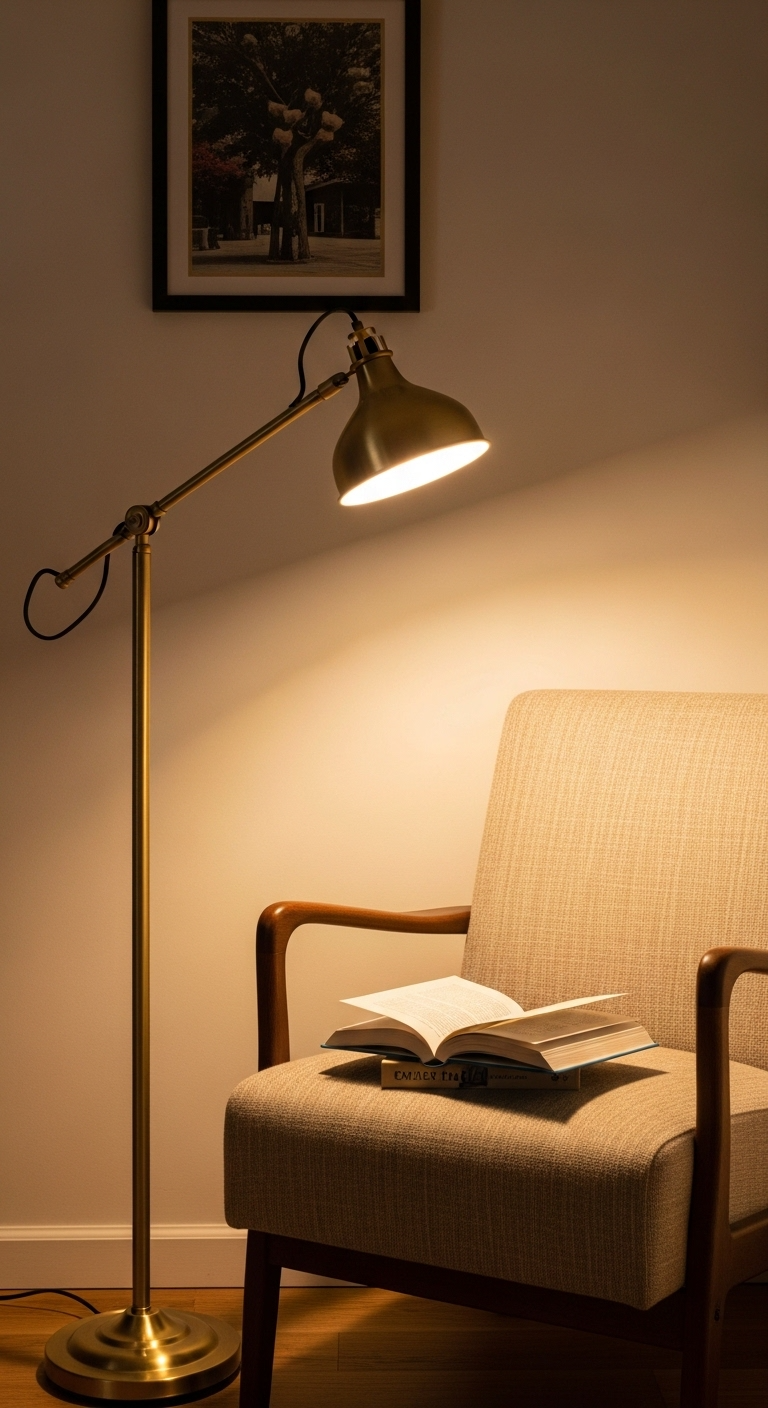
A floor lamp positioned beside the chair, with the bulb at roughly head height when seated, provides focused light onto the page that does not create eye strain over long sessions. The light should come from above and slightly behind the shoulder on the opposite side from the dominant hand, which prevents shadows on the page and reduces glare. Use a warm bulb in the 2700K to 3000K range for the most comfortable long-reading light. Adjustable arm lamps allow precise positioning of the light source over the page. A dedicated reading lamp signals that the nook is set up for actual reading, not just decorative seating.
6. Soft Wool Throw Blanket
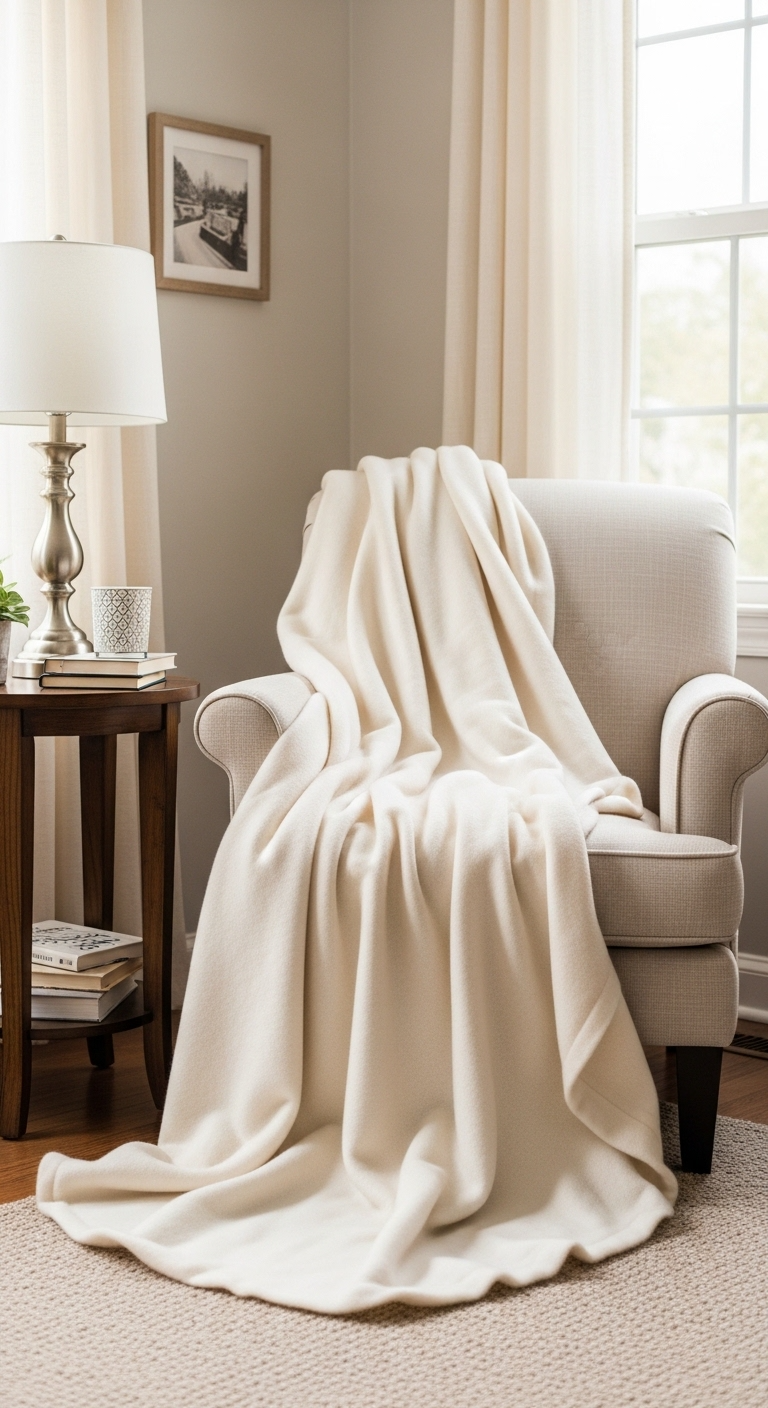
A soft wool or cotton throw blanket draped over the arm of the reading chair becomes one of the most-used items in any reading nook. The blanket regulates body temperature during longer sitting, when staying still tends to make people feel cooler. It also provides a small psychological signal of settling in, which makes the nook feel more like a destination. Choose a throw in a substantial weight rather than a thin decorative one, so the blanket actually serves its function during long reading. Natural fibers like wool, cashmere, or cotton breathe better than synthetic blends and feel better against bare arms during summer reading.
7. Small Book Stack Display
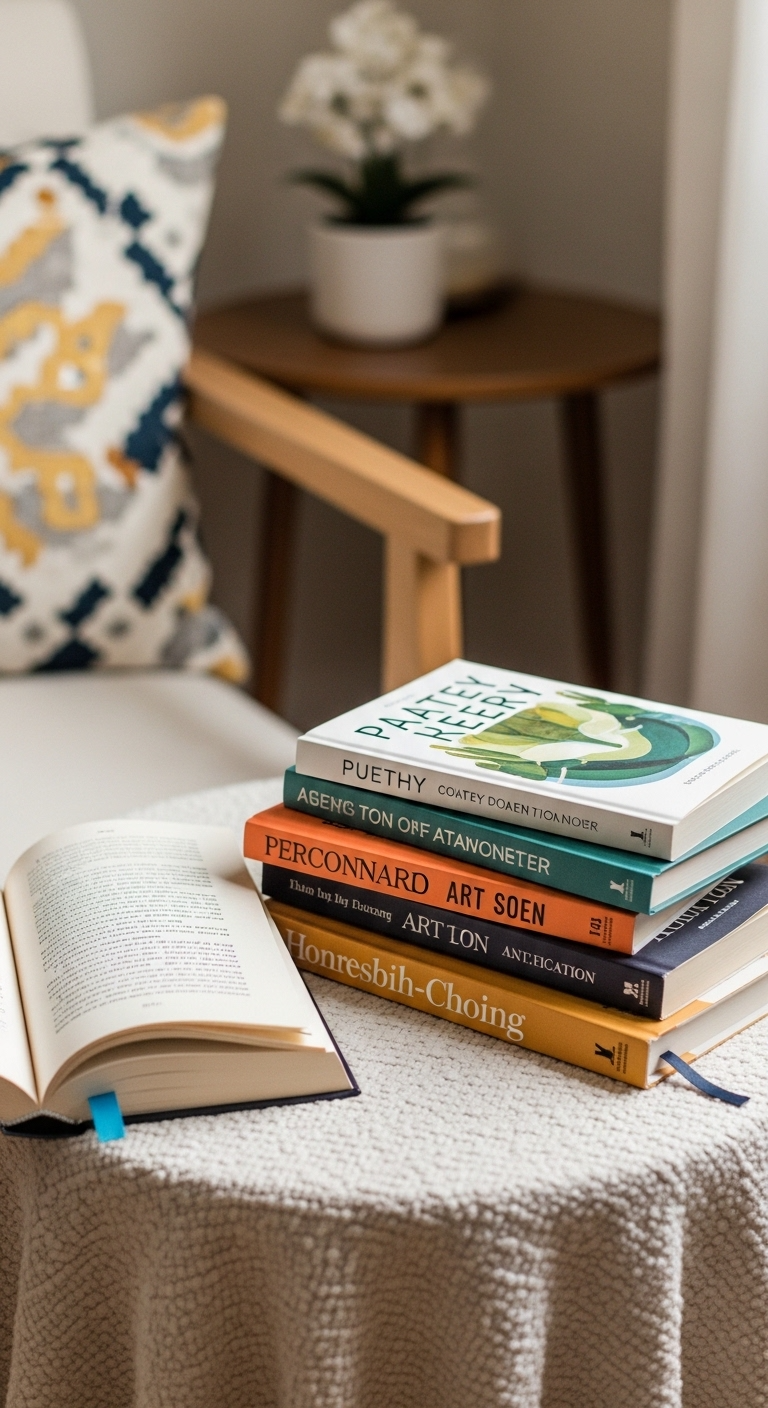
A small stack of three to five books on the side table or on the floor beside the chair, including the book currently being read, signals that the nook is genuinely used. The display also gives you something to choose from when finishing one book and selecting the next without leaving the chair. Mix book formats: a current novel, a poetry collection, a small art book, and a non-fiction title currently in progress. The variety means there is always something to read that suits the current mood. Replace the stack as books are finished and new ones are started, so the display always reflects the actual current reading.
8. Window Seat Conversion
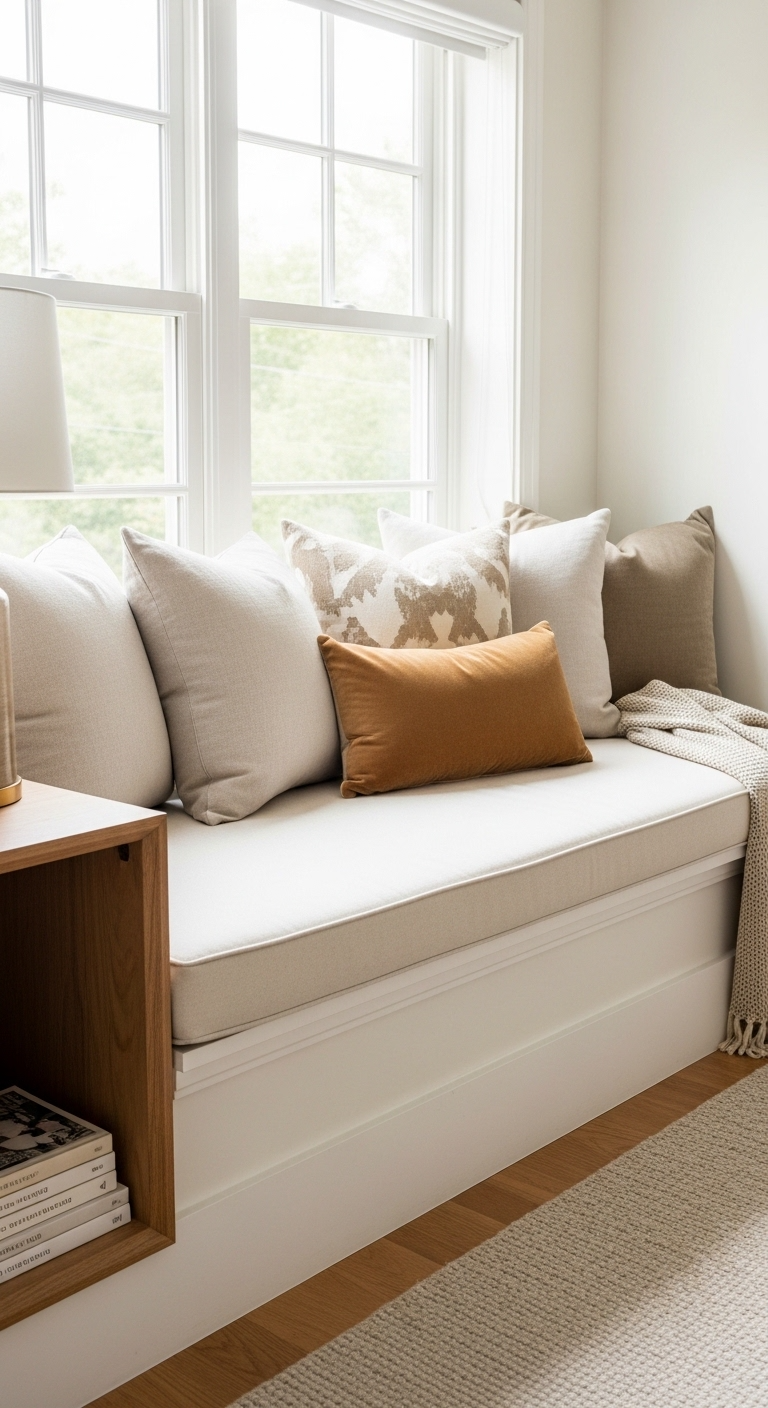
A wide windowsill or built-in bench under a window converts beautifully into a reading nook with the addition of a long cushion, a few pillows, and a small side table. The window seat reading nook is one of the most evocative reading spots possible because the body is fully supported by the architecture itself. Use a thick foam cushion at least four inches deep, upholstered in a durable washable fabric. Add three or four pillows of different sizes for back and side support. The window seat works particularly well in homes with a deep window casing or a bay window. For a wider library setup that pairs well with a window seat reading area, the 21 home library ideas guide covers shelving solutions that fit alongside or above a window seat reading nook.
9. Reading Nook Plants
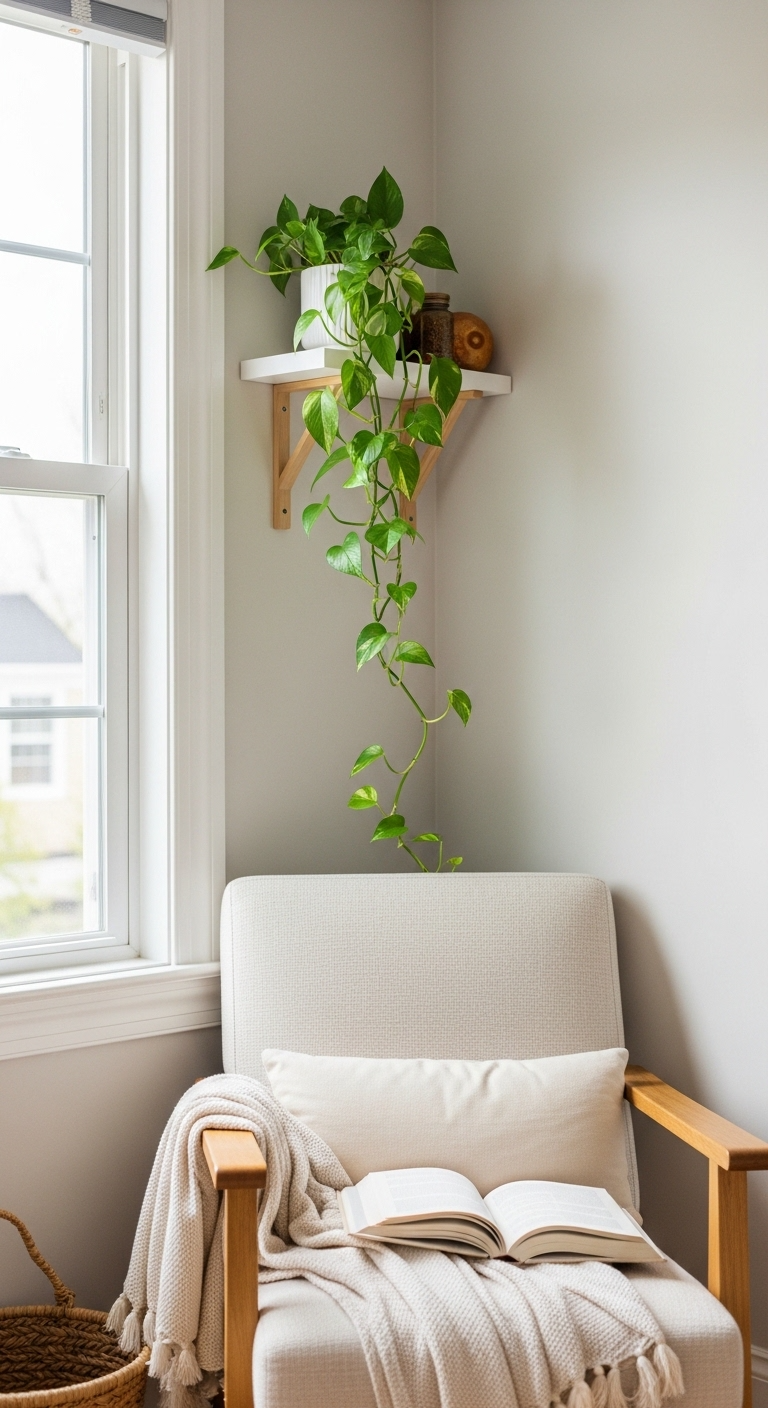
A single plant beside the reading nook adds a quality of living warmth and a soft natural element that hard surfaces cannot replicate. A trailing pothos on a small shelf above the chair, a fiddle-leaf fig in a corner pot, a small fern on the side table, or a single stem of seasonal greenery in a clean glass vase, all work depending on the available light. The plant also provides a small visual rest point for the eyes between reading. Avoid heavy or fragrant plants directly beside the reading chair, since strong scents can become overwhelming over a long sitting. The right plant adds presence without imposing itself.
10. Tucked Corner Setup
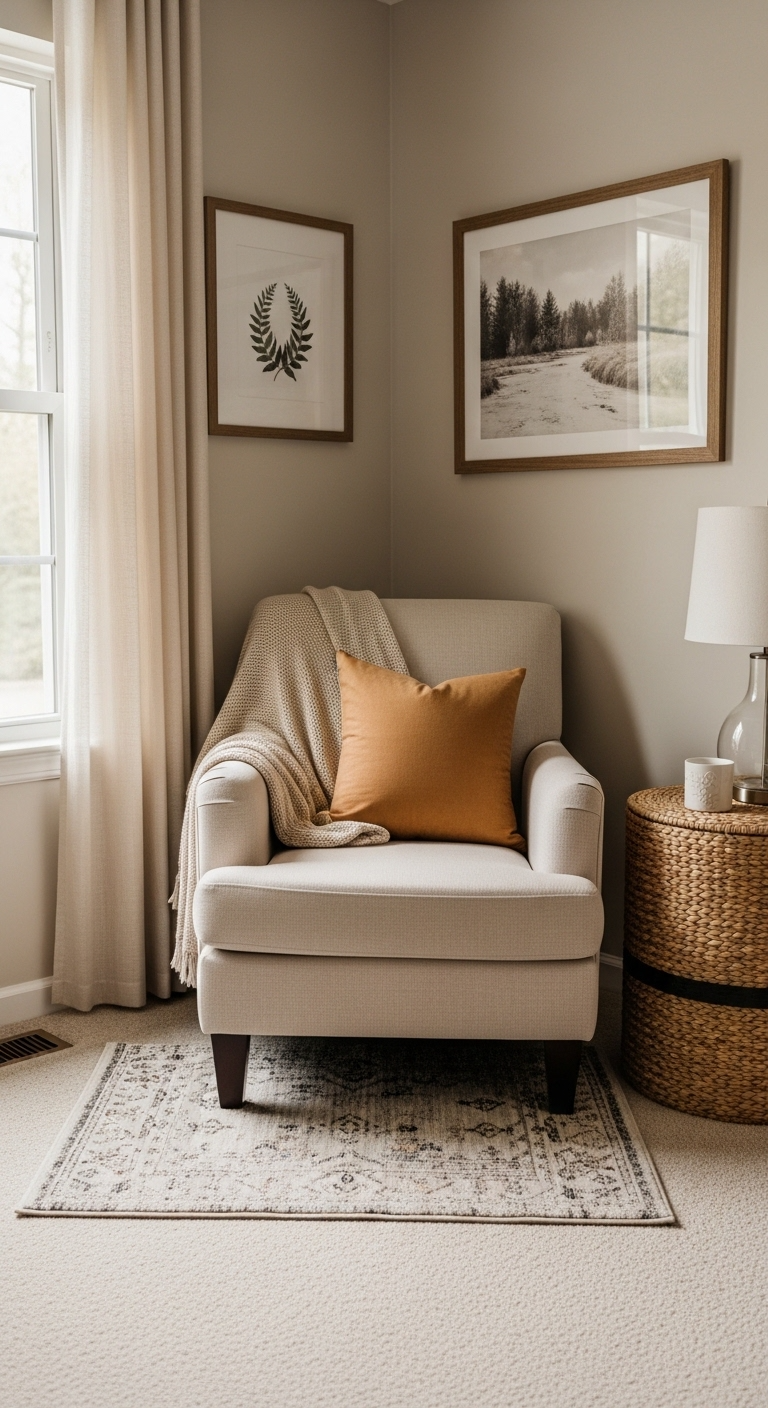
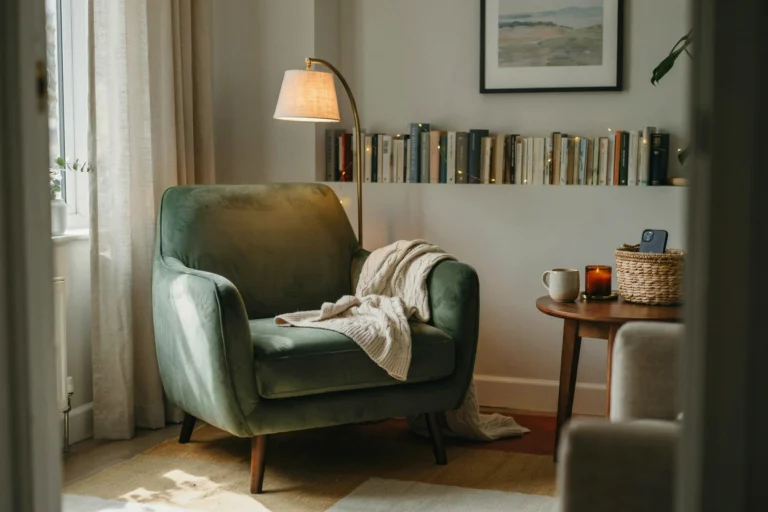
A corner of an existing room, where two walls meet, creates the natural enclosure that makes a reading nook feel sheltered and protected. Position the chair angled into the corner so the back is against one wall and the side is close to the other, which creates a small protected zone within the larger room. Add a small rug under the chair to define the reading zone visually. The corner placement makes the chair feel like a destination within the room rather than a piece of furniture floating in open space. Most rooms have at least one underused corner that converts beautifully into a reading nook with minimal addition.
11. Soft Floor Reading Spot
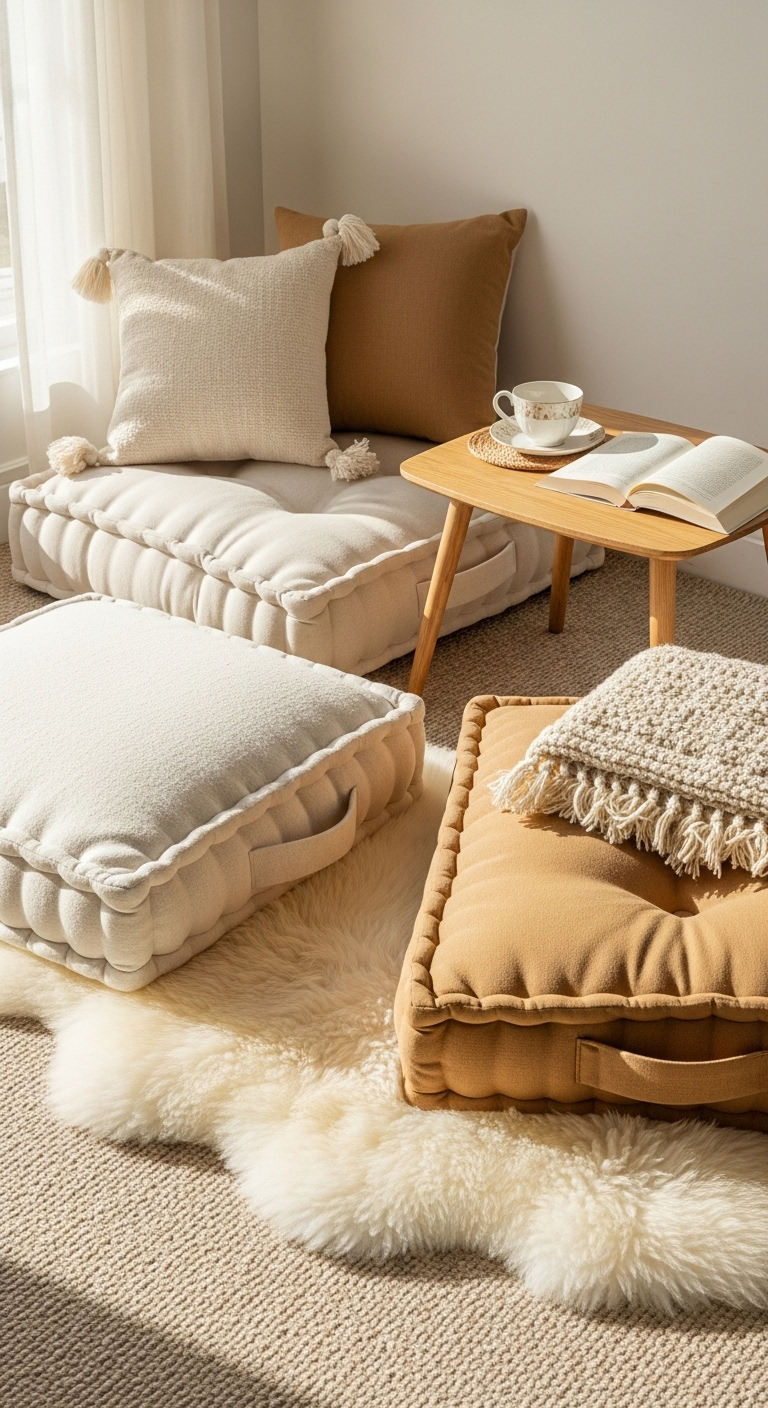
For readers who prefer to sit on the floor with cushions and a low surface, a floor-level reading nook with thick floor cushions, a low side table, and a soft sheepskin or thick area rug provides a genuine alternative to traditional chair-based reading. This style suits readers who naturally sit cross-legged or who like to lie down while reading. Use floor cushions filled with substantial foam or wool rather than light filling, so the cushions provide real support during long sitting. The floor nook reads as more relaxed and less formal than a chair-based setup and works particularly well in homes with a casual or boho aesthetic.
12. Reading Nook Beverage Station
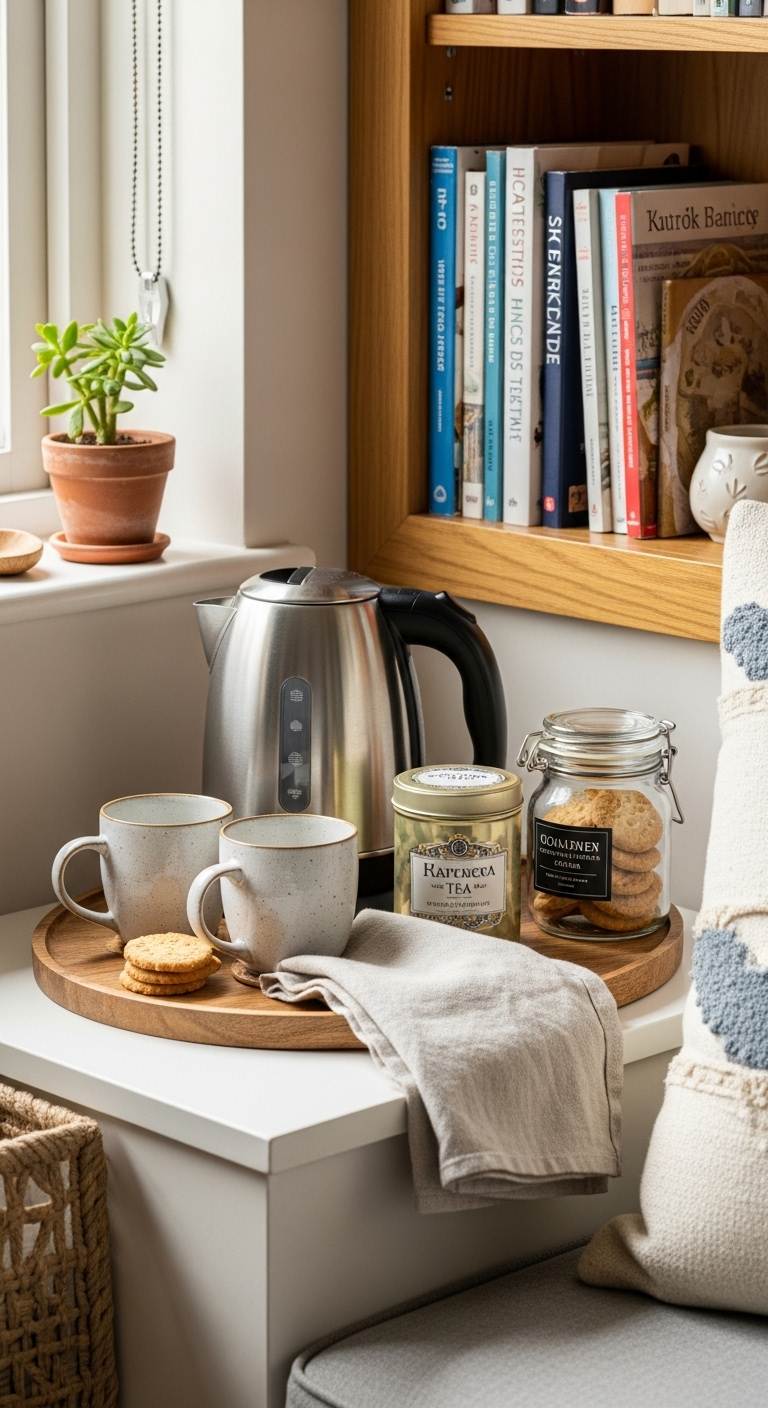
A small electric kettle, a few mugs, a tin of tea, and a small jar of biscuits set up on a side table or small cart near the reading nook means you can make tea or coffee without leaving the nook for long enough to break the reading momentum. The beverage station signals that the nook is set up for genuine extended use rather than quick fifteen-minute reading sessions. Keep it simple: a kettle, a few teas, and the basic supplies, rather than turning the nook into a full coffee bar. The convenience of being able to refresh a hot drink without going to the kitchen is genuinely meaningful for serious readers.
13. Nook Wall Color
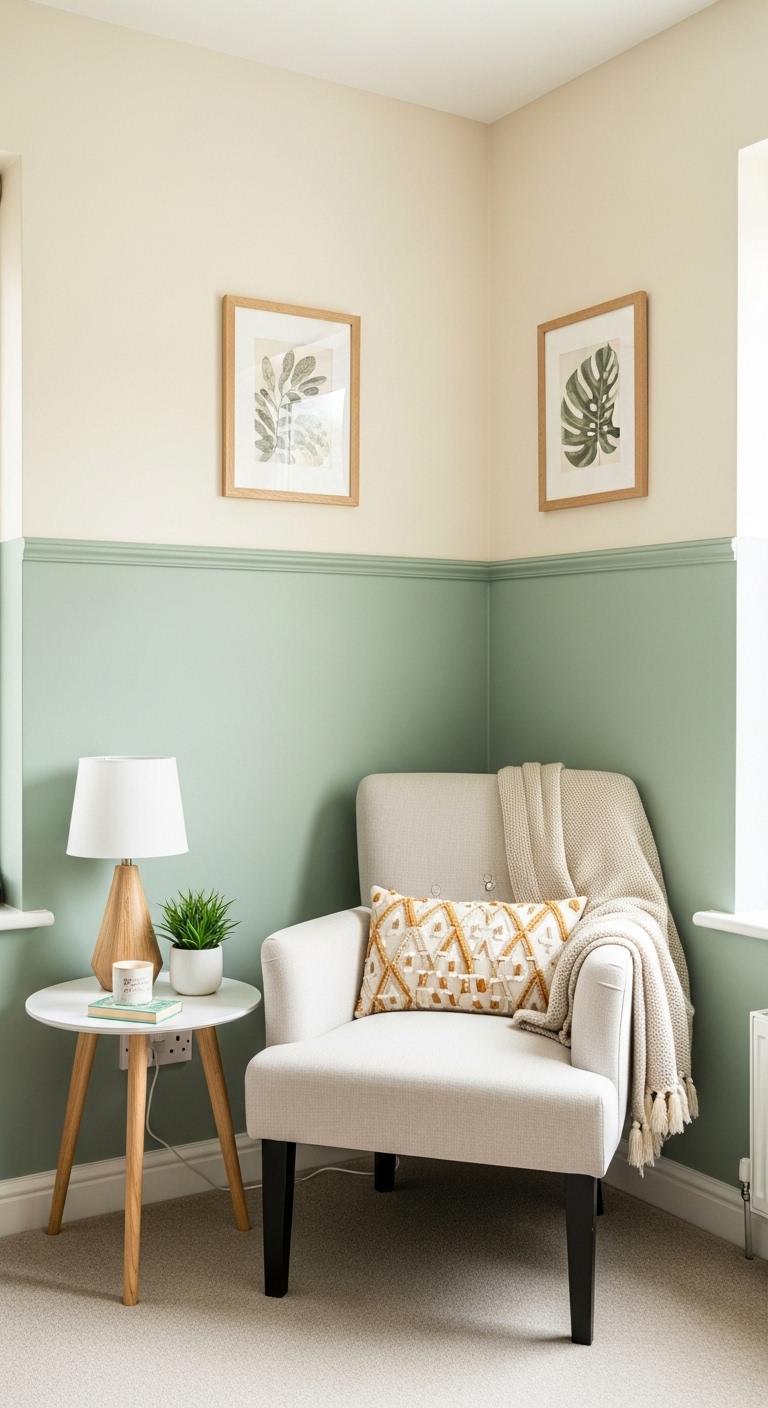
The wall color in the area immediately around the reading nook affects the atmosphere of the nook more than the same color elsewhere in a larger room. A soft warm tone, sage green, dusty blush, warm cream, or a muted blue, behind the reading chair creates a calmer, more enveloping quality than stark white. Even painting just the wall behind the nook in an accent color, with the rest of the room in a different tone, creates a defined reading zone within a larger space. The color should support reading rather than compete with it: nothing too bright or too saturated, nothing that creates visual fatigue over long sitting.
14. Reading Nook Bookshelf
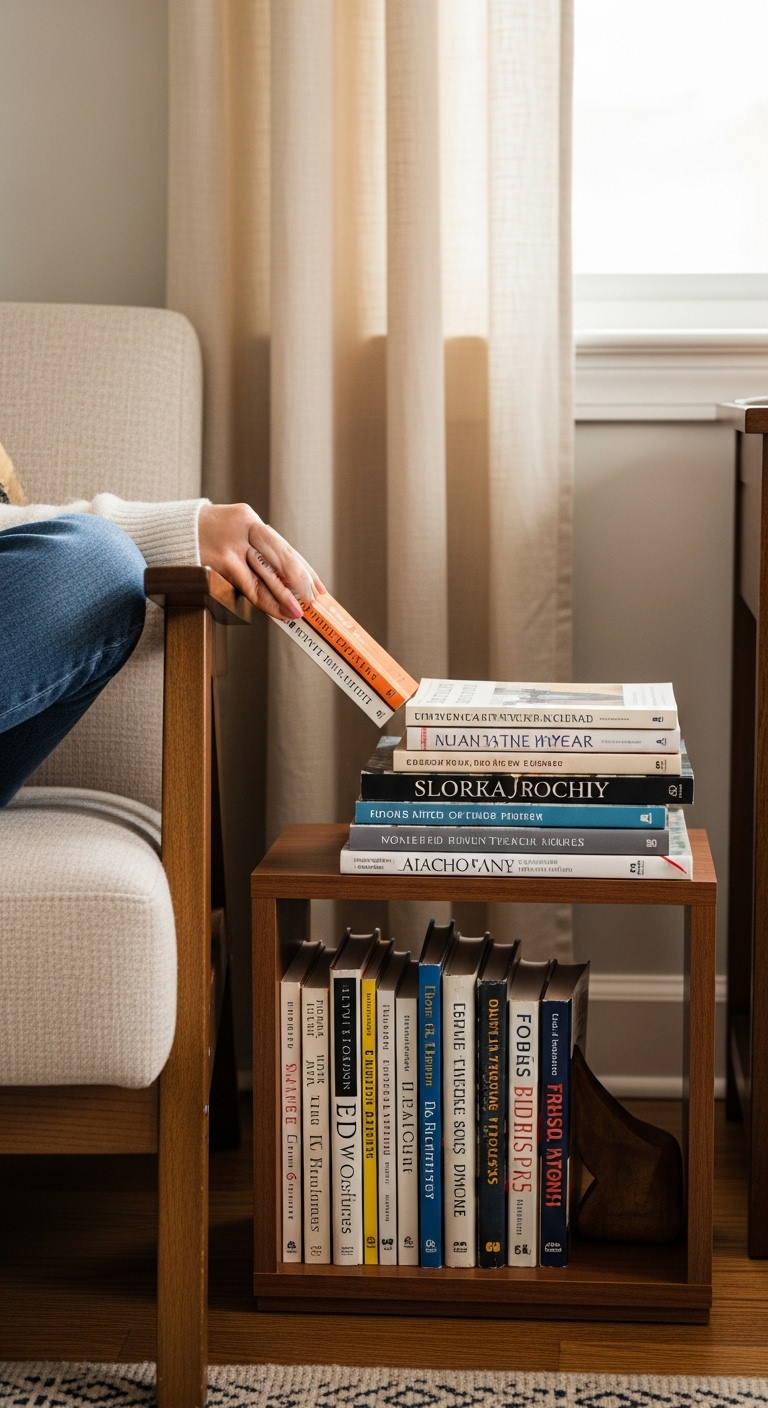
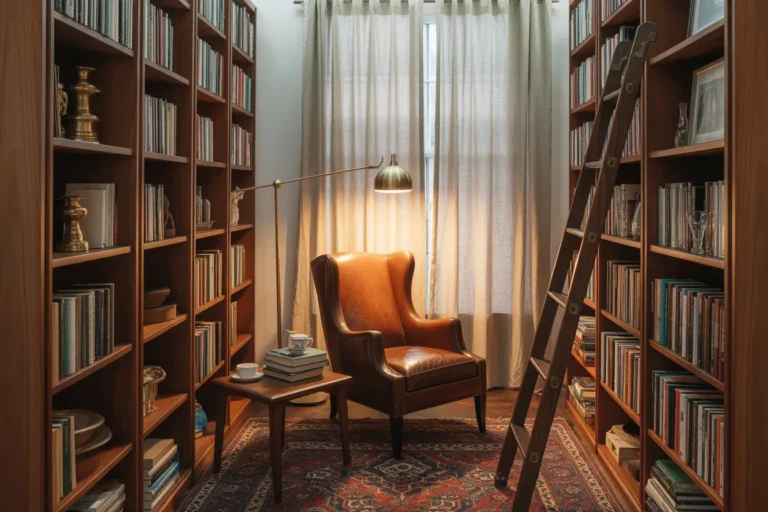
A small bookshelf or stack of shelves immediately beside or behind the reading chair keeps reading material at arm’s reach. Even a single shelf at chair-arm height, holding fifteen or twenty books, makes the nook function genuinely well. The shelf should be small enough to feel personal rather than imposing: this is not a full library wall but a curated collection of books you are currently interested in. A small wall-mounted shelf, a slim freestanding bookcase, or a low side cabinet with shelves all work. Rotate the books based on current interests so the shelf always reflects what you are actually reading or considering reading next.
15. Sheepskin Throw Detail

A genuine sheepskin throw draped over the back or the seat of the reading chair adds a tactile warmth and softness that few other textiles can match. The natural texture and warmth of sheepskin make the chair feel immediately more inviting and the wool fiber regulates temperature naturally during long sitting. Choose a sheepskin in a warm cream or natural undyed tone for the most universally flattering look. Sheepskins are available in a range of price points from very affordable basic versions to high-end Icelandic varieties. The throw can be moved to the floor as a reading mat or used as a lap blanket as well, making it one of the most versatile single additions to a reading nook.
16. Curtain Enclosed Nook
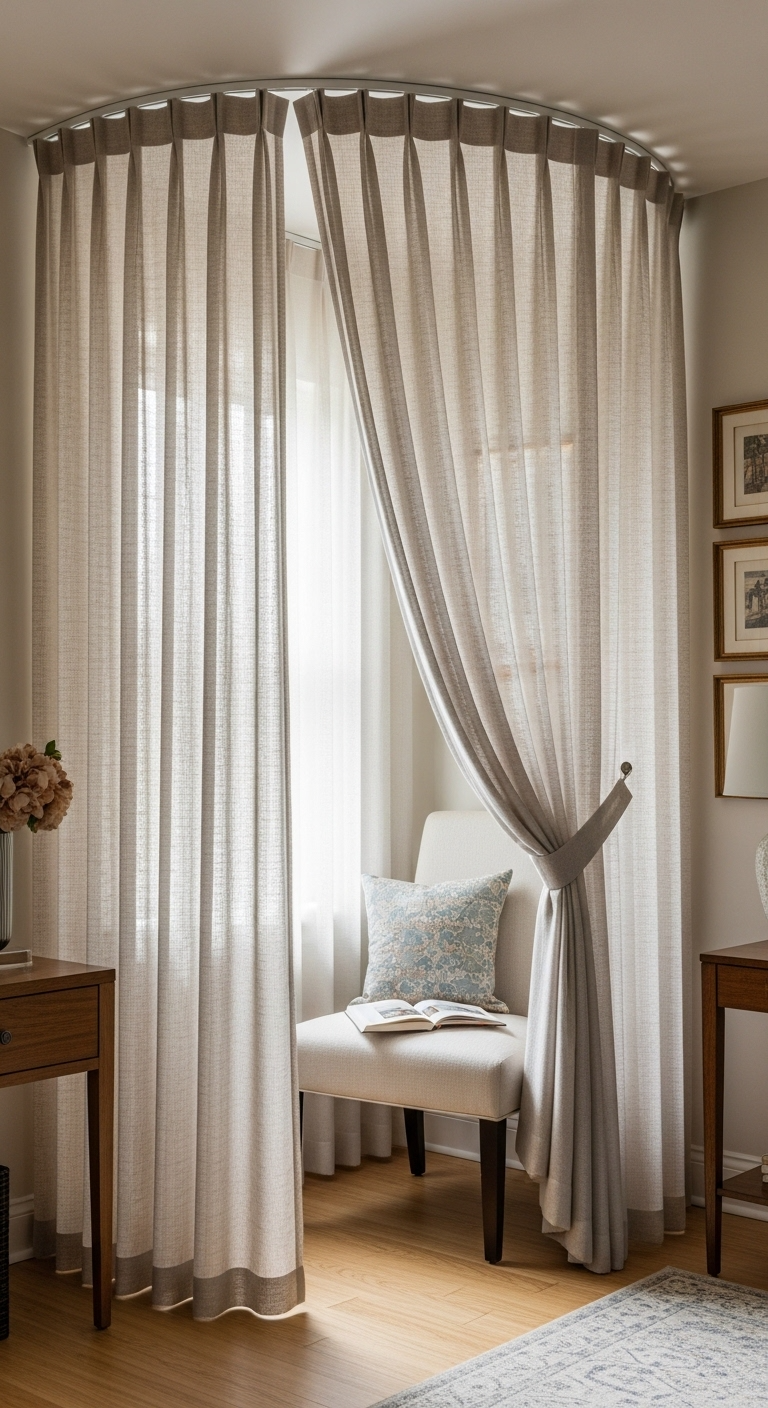
A reading nook fully or partially enclosed by curtains creates a small private retreat within a larger room. Hang sheer or lightweight linen curtain panels from a curved track or a simple ceiling-mounted rod that surrounds the reading area. The curtains can be drawn for a sense of enclosure during reading or pulled back when the nook is not in use. The visual effect is somewhere between a four-poster bed and a small canopy, and the practical effect is a small private zone that signals undisturbed reading time. This works particularly well for readers who share spaces with family members and need a way to signal that they want to be left alone.
17. Soft Ambient Music
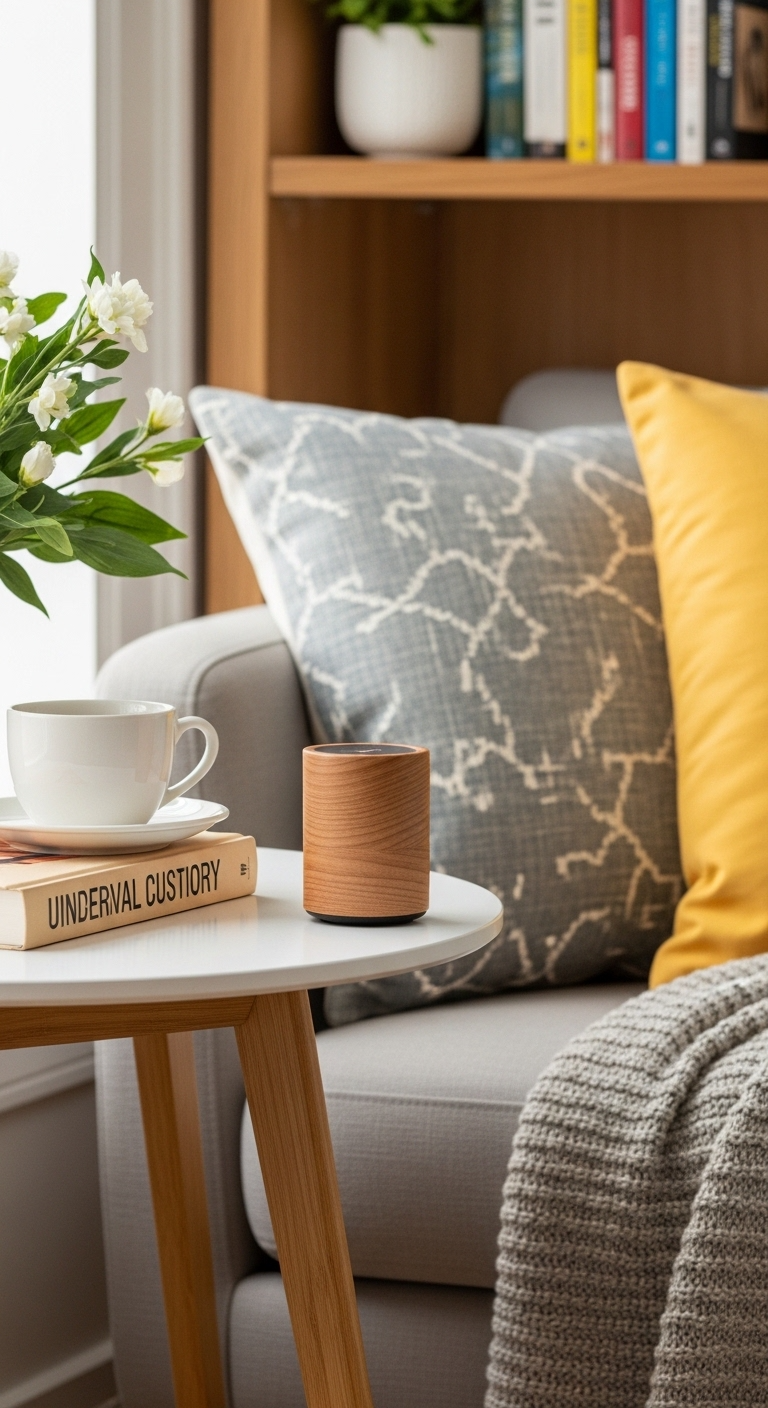
A small Bluetooth speaker positioned near the reading nook playing soft ambient music or quiet instrumental playlists creates an atmospheric quality that competes with the sensory pull of a phone. The music should be unobtrusive enough not to interrupt reading attention, but present enough to fill the silence with something other than household noise. Classical music, ambient instrumental, jazz, and acoustic folk all work depending on personal preference. The presence of music turns the nook into a complete sensory experience rather than just a visual one, which makes it more likely to genuinely compete with screen-based entertainment for attention.
18. Eye-Level Wall Detail
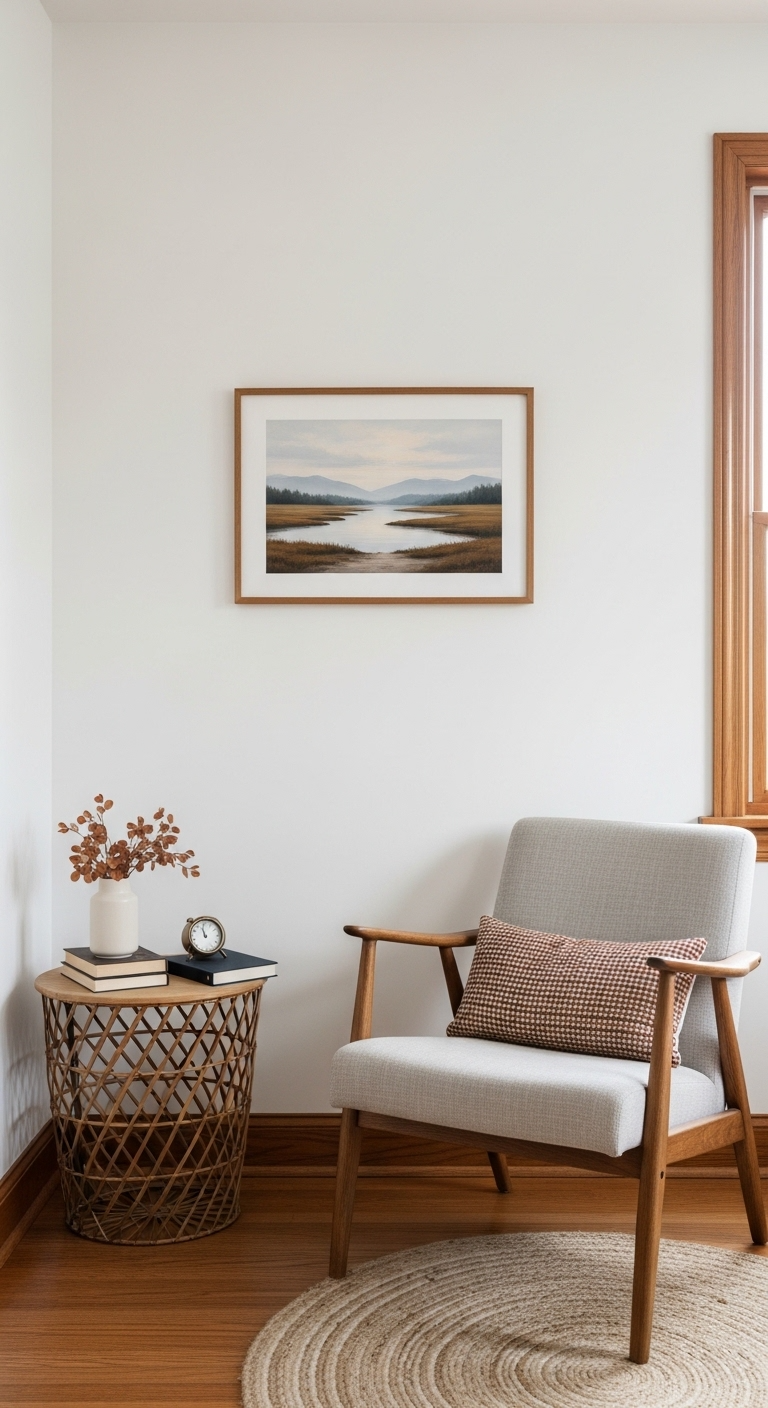
A single piece of art, a framed photograph, or a small shelf with a few meaningful objects mounted on the wall directly opposite the reading chair gives the eyes a calming visual rest point during natural breaks in reading. The piece should be quiet rather than busy: a soft landscape painting, a black and white photograph, a single botanical print, or a simple piece of pottery on a small shelf. The visual rest point becomes a small daily encounter that reinforces the personal nature of the nook. Avoid hanging mirrors directly opposite the reading chair since the constant reflection of yourself reading can be distracting.
19. Nook Footrest Addition
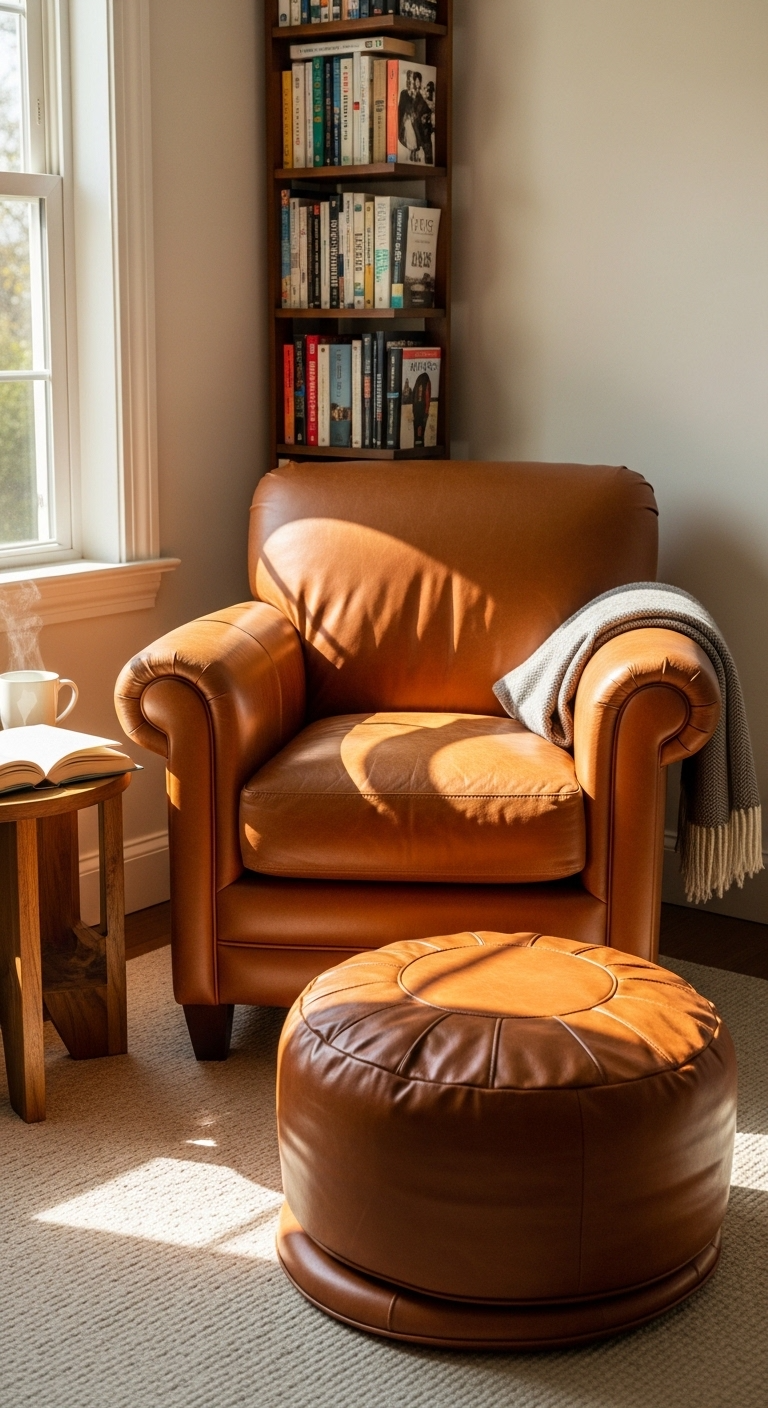
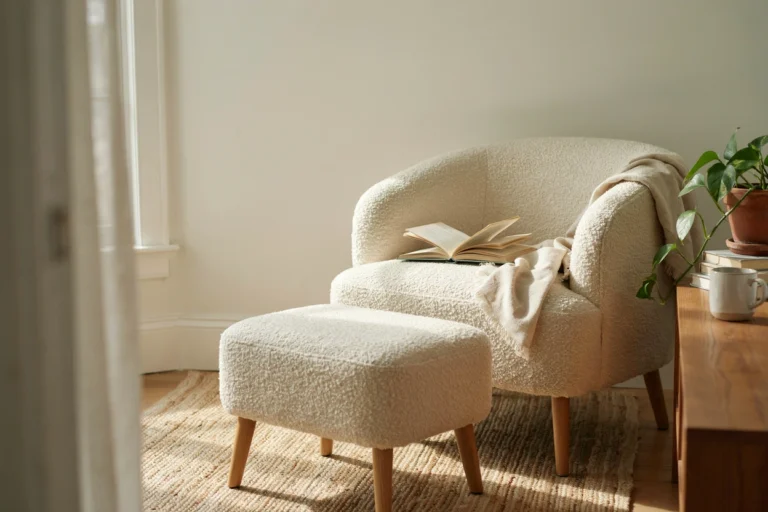
A small footrest, ottoman, or pouf in front of the reading chair allows the legs to elevate slightly during long reading sessions, which improves circulation and significantly extends how long you can comfortably sit. The footrest also signals settling in: putting feet up changes posture from active to reading mode and helps the body relax into the chair. Choose a footrest in a height roughly equal to the chair seat height, upholstered in a fabric that complements the chair. A small leather pouf, a tufted ottoman, or a simple wooden footstool all work depending on the nook’s style.
20. Cup or Glass Specifically

A specific mug, teacup, or wine glass dedicated to reading time, kept clean and ready in or near the nook, creates a small ritual that signals the start of a reading session. The cup itself becomes part of the experience: a vintage teacup with character, a heavy ceramic mug that holds heat well, a thin-walled glass for cold drinks. The dedicated cup adds a layer of intentionality to the reading time that reinforces the difference between productive reading and casual phone scrolling. This sounds like a small detail and it is, but small rituals matter for habits, and reading is fundamentally a habit.
21. Phone-Free Zone Sign
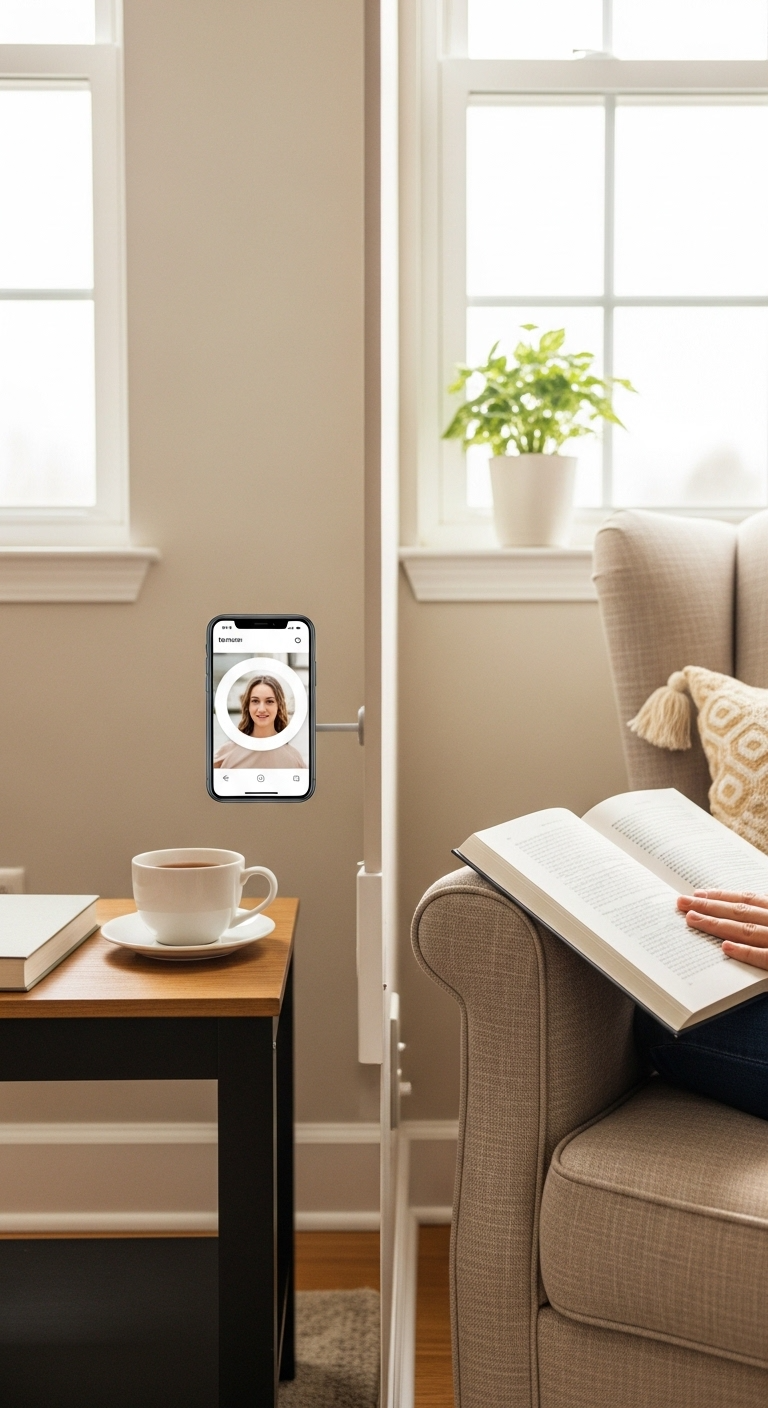
This is mostly a self-imposed rule rather than a literal sign: when sitting in the reading nook, the phone gets left in a different room or placed face-down out of arm’s reach. The single most effective change you can make to encourage reading over scrolling is to physically separate yourself from the phone during reading time. The nook itself supports this: walking to the nook, settling in, and being too comfortable to want to get up and retrieve the phone all work in favor of staying with the book. The phone returns when reading is done. This is the most important rule of the reading nook and the one most often broken.
22. Clear Daily Schedule
The most beautiful reading nook in the world will not get used unless reading time is built into the day with the same intention as exercise or meals. A specific reading time, the same time each day, that is non-negotiable for at least twenty minutes, transforms reading from an aspiration into a habit. The nook supports the habit by being immediately available and immediately inviting at that scheduled time, but the schedule has to come first. Many regular readers find that a morning reading session before checking the phone, or an evening reading session after dinner, becomes one of the most reliably enjoyable parts of the day. The nook is the physical infrastructure that makes the daily habit easier to maintain.
A reading nook that genuinely competes with a phone for attention is built on real comfort, the right kind of light, and small daily rituals that make the nook a destination rather than just a piece of furniture. The setup matters but the habit matters more. Build the nook so it supports a daily reading practice and the practice will follow.