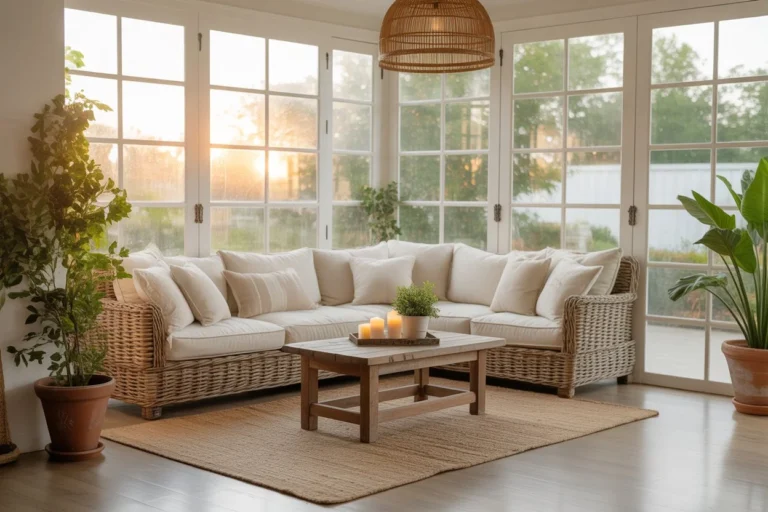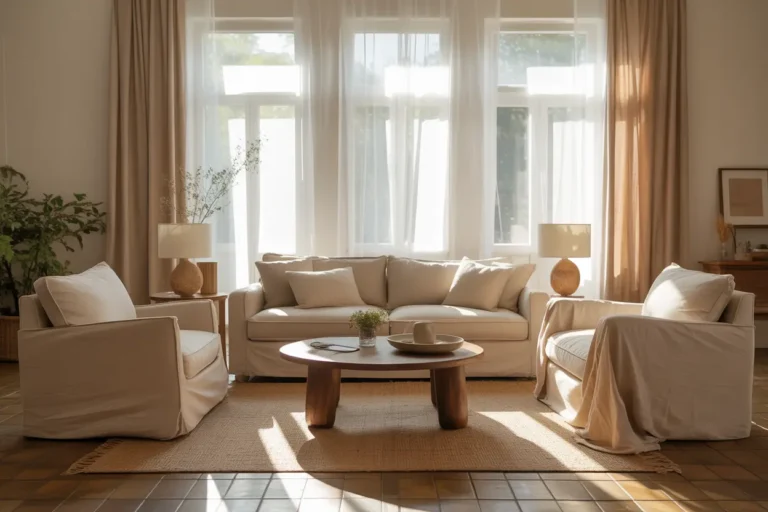
25 Cozy Living Room Ideas That Make Guests Never Want to Leave
The best living rooms are the ones that make people want to sit down and stay. Not because they are particularly fancy or because they follow a current trend, but because they feel warm and considered in a way that is genuinely comfortable. Guests who feel at ease in a living room are responding to a combination of things: the quality of the light, the softness underfoot, the temperature of the color palette, the abundance of comfortable places to sit. All of those things can be adjusted and improved regardless of the budget or the size of the room. These 25 ideas cover the full range of what makes a living room genuinely cozy, from the big pieces to the small details that add up to something that guests feel without being able to name.
1. Deep Comfortable Sofa
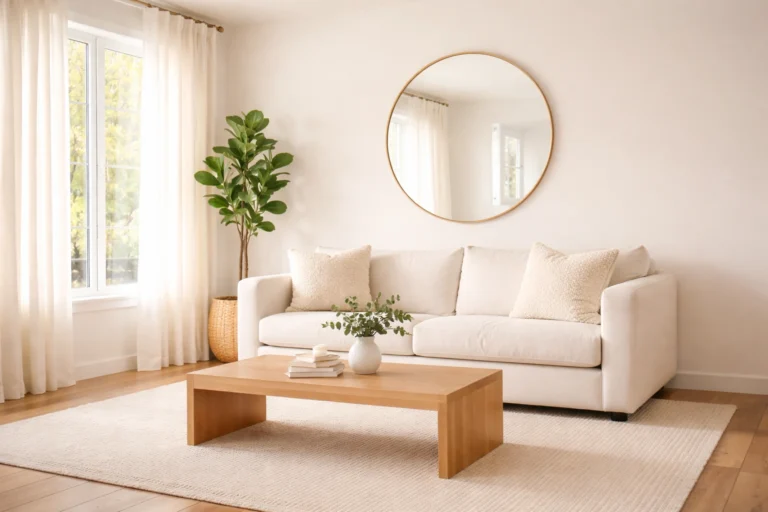
A deep, comfortable sofa is the foundation of a cozy living room in a way that no amount of styling can compensate for if it is missing. A sofa with generous seat depth, at least twenty-four inches from front to back, allows people to sit back fully without feeling perched, which is the physical experience of being settled and comfortable. Firm cushions that hold their shape after sitting create a more supportive and lasting comfort than very soft cushions that bottom out quickly. Look for sofas with a down-blend or high-density foam filling for the best balance of comfort and longevity. Upholstery in a warm-toned neutral like a warm gray, a natural linen, a soft taupe, or a warm cream creates a welcoming visual first impression that matches the physical comfort of the piece itself.
2. Fireplace as Focal Point
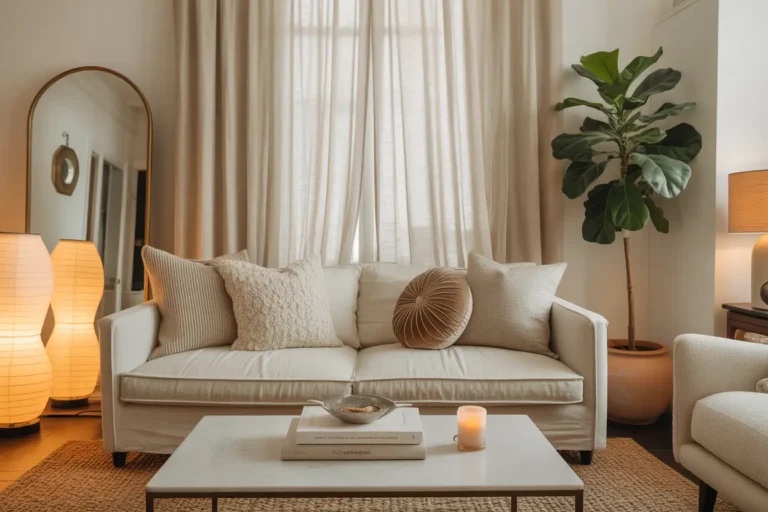
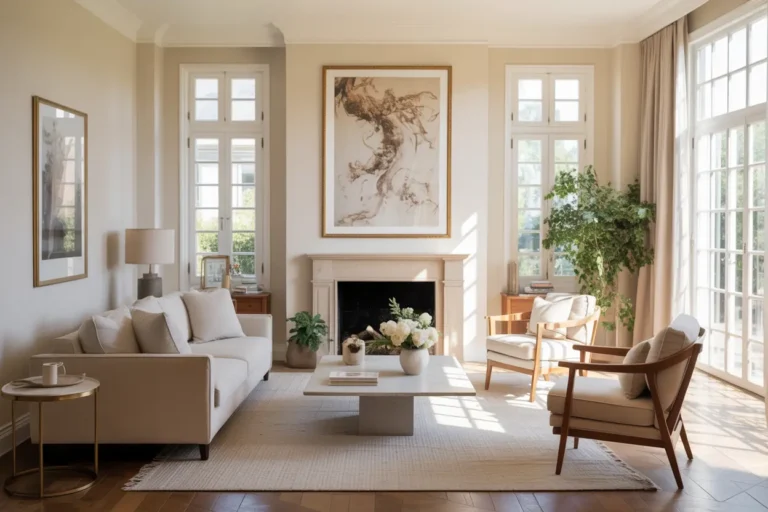
A fireplace, whether wood-burning, gas, or electric, creates a gathering quality in a living room that no other architectural feature can fully replicate. The flickering light, the warmth, and the instinctive human draw toward fire make a fireplace the most naturally cozy element a living room can have. Style the mantelpiece simply: a large mirror or a single piece of art above, a few candles and a plant on either side, and a basket of firewood or a clean iron grate below. Light the fire earlier than you think you need to, while daylight is still coming in, so the room has time to warm before dark. Even an electric fireplace with a realistic flame effect creates a significant amount of the same atmosphere at a fraction of the cost of a gas or wood installation.
3. Warm Wall Paint
The wall color in a living room does more to establish its atmosphere than almost any furnishing decision. Cool-toned walls in gray, blue-white, or stark white can make a living room feel alert and open, which is exactly what you do not want from a room designed for rest and sociability. Warm wall tones, dusty terracotta, sage green, warm amber, soft mustard, muted coral, and deep cream, create an enveloping quality that makes the room feel settled and comfortable before you sit down. The light in a warm-toned room takes on a golden quality in the evenings that no amount of strategic lamp placement can fully achieve in a cool-toned room. If repainting seems like a commitment, test a large sample on the wall and live with it for a week before deciding.
4. Abundance of Soft Textiles
Coziness in a living room is fundamentally a tactile experience, and the way to achieve it is through an abundance of soft, warm textiles throughout the seating area. This means more throw pillows than a minimalist would approve of, more than one throw blanket available and visible, a plush rug underfoot, and upholstery in a fabric that invites touch. Velvet, boucle, chunky knit, and thick cotton all have a warmth and softness that smooth leather, tight weaves, and synthetic fabrics cannot match. The cumulative effect of multiple soft surfaces in a single room creates a sensory environment that feels genuinely comfortable rather than just visually pleasant. Do not underestimate how much difference the tactile quality of the room’s materials makes to how guests experience being in it.
5. Warm-Toned Lighting Only
A living room that relies entirely on overhead lighting will always struggle to feel cozy regardless of what else is in it. Overhead light illuminates everything from above, which is practical but creates a flat, evenly lit environment that reads more as a workspace than a living room. Switching to primarily lower, warmer light sources after dark, floor lamps in the corners, table lamps on side tables, wall sconces at a medium height, and candles on the coffee table, creates a completely different atmosphere in the same room. The pools of warm light at different levels create depth, shadow, and a sense of enclosure that is the physical equivalent of being held by the room. Use bulbs at two thousand to twenty-seven hundred Kelvin for the warmest result.
6. Reading Corner Setup
A dedicated reading corner in the living room, even a small one, creates a sense of retreat within a retreat. A comfortable chair with good arm support, a floor lamp positioned for reading light, a small side table for a drink and a book, and a throw blanket draped over the arm creates a self-contained spot that feels separate from the main sofa area. This corner communicates that the living room is a place for multiple kinds of relaxed activity rather than just television watching, which makes the room feel richer and more inviting. Place the reading chair at a slight angle to the sofa rather than directly facing it, which gives the corner its own orientation and makes it feel like its own zone. Add a small plant nearby to complete the vignette.
7. Plush Area Rug
A thick, plush area rug underfoot is one of the most immediately noticeable contributors to the physical coziness of a living room. Hard floors, however attractive, are cold and unforgiving underfoot and bounce sound in a way that makes a room feel less intimate. A thick rug absorbs sound, adds warmth underfoot, and contributes a visual softness that changes how the whole room reads. High-pile rugs, shaggy styles, and thick wool options all feel luxurious underfoot in a way that flat-weave rugs and thin synthetics do not. Size the rug correctly so it extends under the front legs of all the main seating pieces, creating a defined zone that contains the furniture arrangement and makes the seating area feel intentionally composed rather than randomly placed.
8. Plants Throughout Room
A living room with plants scattered at various heights feels significantly more alive and welcoming than the same room without them. Plants bring a quality of organic, breathing life into a room that manufactured decor cannot replicate. They also soften the hard edges of furniture and architectural features, add color at different heights, and bring the natural world indoors in a way that most people respond to positively without consciously registering why the room feels so welcoming. Position a large statement plant in a corner, a medium plant on a console or shelf, and small plants on the coffee table and side tables for a layered, lush effect. Mix plants with different leaf shapes and textures for the most interesting visual arrangement: a large leafed monstera alongside a trailing pothos and a spiky snake plant creates natural variety.
9. Personal Photo Display
A living room that has personal photographs in it feels inhabited in a way that a perfectly staged room without them does not. The photographs signal that real people with real lives and real memories live here, which makes guests feel more welcome than a room that looks like a showroom. Display photos in consistent frames in a tight grouping rather than scattered individually around the room. A gallery wall of family photos, all in matching black frames or all in matching natural wood frames, looks intentional and warm. Black and white printing creates visual consistency across photos taken in different eras and lighting conditions. Place the grouping above the fireplace or on the wall behind the sofa where it becomes the main art statement in the room as well as a personal one.
10. Velvet Sofa or Cushions
Velvet has a warmth and richness that most other upholstery fabrics cannot match. The way it catches and reflects light differently depending on the direction of the pile creates a depth and visual interest that makes even a simple sofa look expensive and inviting. A velvet sofa in a jewel tone like forest green, deep teal, or a warm dusty rose is a strong cozy living room statement. If a full velvet sofa feels like too much commitment, velvet cushions in a coordinating color added to an existing sofa achieve a similar effect at a fraction of the cost. The tactile invitation of velvet, the instinct to run a hand across it, is one of those sensory cues that signals comfort before anyone sits down, which is exactly the quality a cozy living room needs.
11. Woven Baskets for Storage
A large woven basket beside the sofa holding extra throw blankets, another holding magazines and books, and a small one on a shelf holding remotes and small items keeps everyday living room clutter contained in a way that looks organic and warm rather than utilitarian. The natural texture of seagrass, rattan, or jute adds material warmth to the room while performing a genuine organizational function. A basket full of folded blankets beside the sofa communicates comfort and readiness in a way that a storage cabinet or a drawer does not, since the blankets are visible and accessible rather than hidden. Keep two or three blankets in the basket in complementary tones so guests can help themselves rather than waiting to be offered one.
12. Layered Window Treatments
Layering window treatments, specifically a sheer curtain panel closest to the glass and a heavier drape in front of it, creates a window dressing that is both practical and visually rich. The sheer filters light softly during the day while the heavier drape can be drawn for privacy and warmth in the evenings. The layered arrangement also creates visual depth at the window that a single curtain cannot. The combination of two fabric textures and two panel weights makes the window a more composed design element in the room. Keep the sheers in a warm white or cream and choose the outer panels in a warm tone that complements the room’s color palette. Hang both sets from the same rod at ceiling height for the fullest, most generous silhouette.
13. Warm-Scented Diffuser
A room that smells welcoming contributes to the cozy atmosphere in a way that is felt immediately but rarely consciously identified. A diffuser running a warm, complex scent in the living room creates an invisible layer of atmosphere that enhances everything else in the room. Scents that work well in cozy living rooms include sandalwood and amber, cedar and vanilla, warm spice blends, vetiver and leather, and bergamot and ylang-ylang. Keep the scent subtle rather than strong. The goal is for someone entering the room to sense warmth without immediately thinking about what the smell is. A simple ceramic or glass diffuser on a side table or shelf looks attractive as a decorative element even when not running and takes up almost no visual space in the room.
14. Bookshelves Full of Books
A living room with a full bookshelf has an intellectual warmth that an empty or sparsely filled shelf cannot replicate. Books in their variety of colors, sizes, and textures are one of the most naturally appealing forms of visual texture in a room, and a shelf of books communicates that the room is a place where people think, read, and engage with the world in ways beyond screen time. A bookshelf filled with a mix of genres, including some personal favorites and some collected over time, organized loosely by color or height rather than obsessively, looks warm and alive. This is not a room to keep books in storage and display only the most impressive titles. A lived-in bookshelf, with some stacked horizontally, some standing, some with bookmarks still in them, is the most genuinely cozy version of this idea.
15. Candlelight in the Evening
Lighting candles in the living room in the early evening, before it is fully dark and before the lamps are needed, creates a quality of light that bridges the transition from afternoon to evening in a way that feels particularly warm and welcoming. The flickering of candle flames creates movement and depth in the room that electric light cannot produce. Group candles on the mantelpiece, the coffee table, and a side table so the light is present at multiple points in the room rather than concentrated in one place. Use unscented or lightly scented candles in the evening when the room is occupied, since heavy fragrance can become overwhelming in an enclosed space over a long evening. The visual contribution of candles to a cozy living room atmosphere is immediate and reliable.
16. Framed Nature Art
Art depicting natural subjects, botanical illustrations, landscape paintings, animal studies, pressed flower arrangements, and topographic maps all have a warmth and organic quality that abstract or graphic art rarely achieves in a living room setting. Framed nature art connects the room visually to the natural world and adds the same quality of living interest that actual plants provide but in a permanent, maintenance-free form. A large landscape print or painting above the fireplace grounds the room in a specific place and time and creates a contemplative quality in the main focal point. A grouping of smaller botanical prints on the wall beside the reading chair adds detail and interest to a secondary zone. Choose frames in warm tones, natural wood, warm gold, or a dark walnut, rather than cool chrome or stark white for the most cohesive result.
17. Nesting Side Tables
Nesting side tables are one of the most practical and cozy additions to a living room because they provide surface area exactly where it is needed, beside each seat, without permanently occupying floor space when not in use. A good set of nesting tables allows you to expand surface area when people are sitting and using the room and tuck the smaller tables away when the room needs more floor space. Choose a set in a warm material like natural wood, bamboo, or rattan with a glass or wooden top rather than a cold metal or dark lacquer finish. Two or three tables nested together in a corner or beside the main sofa look styled and considered. Spread out when guests arrive, they allow everyone to have a surface for a drink, a book, or a plate without reaching to a shared central coffee table.
18. Low Mood Lighting Layers
The height at which light sources sit in a living room significantly affects the mood the room creates. Overhead lights at ceiling height illuminate but do not create intimacy. Lights at medium height, table lamps and wall sconces, create a more human-scale illumination that feels warmer and more social. Lights at low height, a lamp on a low shelf, a candle on the coffee table, or a string of warm lights running along the baseboard, create the most intimate and enveloping quality of light. Using all three layers simultaneously at low intensities creates a living room that feels genuinely warm and settled rather than simply lit. A dimmer switch on the overhead light gives you control over the balance between layers and allows the room to shift in atmosphere from late afternoon through evening.
19. Gathered Throw Basket
A dedicated basket or large ceramic pot filled with neatly folded or loosely gathered throw blankets placed beside the sofa is a cozy living room feature that is both visually warm and practically generous. It signals that the room is designed for comfort and that anyone who sits down is welcome to be warm. The basket also organizes the throws so they do not accumulate in a pile on the sofa and instead remain tidy and inviting. Choose three or four throws in complementary tones and materials, a chunky knit in cream, a woven cotton in warm gray, and a velvet-backed blanket in a soft color, so there is always a variety available. The basket itself in a natural material like wicker, rattan, or woven seagrass contributes its own warmth and texture to the room even when no one is actively using it.
20. Warm Hardware Details
The small metal details in a living room, cabinet handles, curtain rod hardware, lamp bases, and picture frames, contribute to the room’s overall warmth in a quiet but cumulative way. Cool metal finishes like bright chrome, satin nickel, and gunmetal can make a living room feel corporate or clinical, while warm finishes like brushed brass, antique gold, warm bronze, and oil-rubbed copper pull the room toward the amber-toned warmth that cozy living rooms need. You do not need to replace every piece of hardware at once. Even swapping out the curtain rod finials, the lampshade edges, or the picture frames for warmer-toned equivalents shifts the room’s overall feeling noticeably. Collect warm-toned hardware gradually and replace pieces one at a time as they come up for replacement or refreshing.
21. Heavy Woven Curtains
Heavy, thickly woven curtains in a warm tone have a physical and visual enclosing quality that light sheers and thin panels cannot provide. When drawn in the evening, heavy curtains create a sealed, contained atmosphere in the living room that is the architectural equivalent of pulling a blanket up around you. They also muffle outside noise, retain heat better than thin curtains, and create a significant visual softness at the window that contributes to the overall material warmth of the room. Look for curtains in a textured weave like linen, velvet, heavy cotton, or a brushed fabric in a color from the room’s warm palette. The weight and fullness of the curtain when drawn is what creates the cozy enclosing effect. Curtains that are too lightweight hang flatly and barely register as a presence in the room even when closed.
22. Coffee Table Books
A small collection of coffee table books stacked on the living room coffee table or a low shelf are both a practical entertainment resource and a styling element that adds color, texture, and a sense of the room’s personality. Choose books on subjects that reflect genuine interests rather than buying them purely for their covers, since guests who pick them up will read the subject matter. Books on architecture, nature photography, travel, art, food, and gardens are all consistently popular coffee table book subjects and tend to be beautiful objects in their own right. Stack two or three together with the spines facing the same direction, and place a small candle or a ceramic object on top of the stack. Refresh the stack occasionally by rotating books from the main bookshelf to keep the coffee table arrangement feeling current.
23. Ambient Music Setup
A living room with a dedicated way to play ambient background music, whether a small Bluetooth speaker that stays in the room, a record player on a console, or a smart speaker integrated with the room’s design, is a more welcoming and sensory-rich environment than a silent one. Music contributes to the atmosphere of a room in the same way scent does: it creates an invisible layer that guests feel before they are consciously aware of it. A record player on a console table in the living room is a particularly warm choice because the ritual of choosing and placing a record contributes to the sense of occasion that cozy living rooms create. Even a well-chosen speaker in a natural wood or fabric casing is a detail that signals the room is equipped for welcoming and enjoying rather than merely sitting.
24. Layered Coffee Table Styling
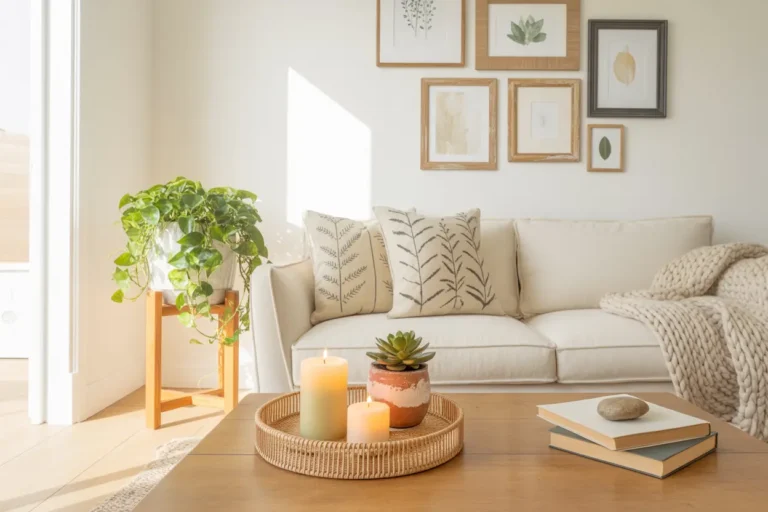
A coffee table that is styled with intention rather than simply used as a place to put things makes the central zone of the living room look more considered and inviting. The classic approach is to work in layers: a base of books or a tray, a mid layer of a plant or candle grouping, and a top layer of a single small object that adds a finishing note. Keep the arrangement off-center rather than perfectly symmetrical for a more natural, less staged look. Leave some clear space on the table surface so it does not look overloaded. A coffee table that is entirely covered with things looks busy and makes guests feel like there is no room for their own drinks or books. The ideal arrangement fills about two-thirds of the table with the styling elements and leaves one-third clear and ready for use.
25. Inviting Entry to Room
The way a guest enters a living room has a significant effect on how they experience the room before they even sit down. An entry that opens directly onto the seating area, with the sofa facing the door, a rug that clearly defines where to step in, a lamp that is visibly on and warm, and perhaps a scent diffuser or a candle that can be sensed from the doorway, creates an immediate and genuine welcome that is the first layer of the cozy living room experience. Consider what someone sees and senses in the first three seconds of entering the room. If the view from the door is of the back of the sofa, the side of a bookcase, or a corner of furniture arrangement that gives no clear invitation to enter and sit, that is the first thing to address. The living room should draw you in from the moment you reach the door.
A cozy living room is built on a few simple principles: warmth, softness, good light, and the sense that whoever is in it was thought of when the room was put together. That last one matters more than most people realize. Guests can feel when a room was arranged with them in mind.