22 Cheap Living Room Makeover Ideas Under $100
You do not need a designer budget to make your living room look good. Most people assume a nice space costs thousands of dollars, but that is just not true. Some of the best-looking rooms you will see on Pinterest were put together for less than a hundred bucks. The key is knowing where to spend and where to get creative. Whether you rent or own, have a tiny apartment or a bigger home, there are simple changes you can make this weekend that will make a real difference. This list covers 22 practical, budget-friendly ideas that people actually use — not fancy concepts that require a contractor. Let’s get into it.
1. Rearrange the Furniture
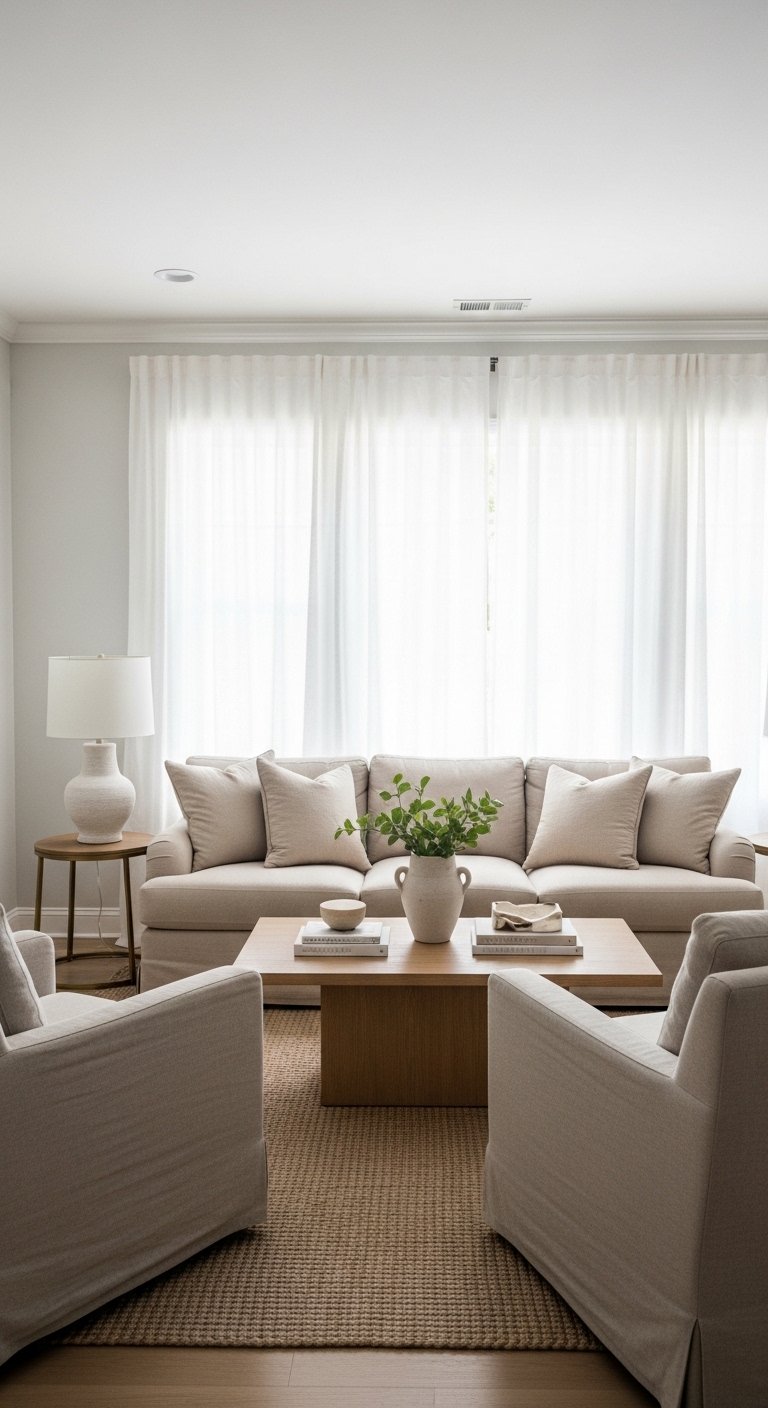
Before you spend a single dollar, try moving things around. Most people push all their furniture against the walls because it feels like it creates more space, but it actually makes rooms feel cold and disconnected. Try pulling the sofa away from the wall by a foot or two and angling chairs toward each other to create a conversation zone. Move the coffee table closer or replace it with a trunk or wooden crate from your garage. This one change costs nothing and often makes more of a visual impact than buying new pieces. Play around with different arrangements over a weekend. Walk in and out of the room a few times to see what feels natural and what draws your eye in a good way.
2. Paint One Accent Wall
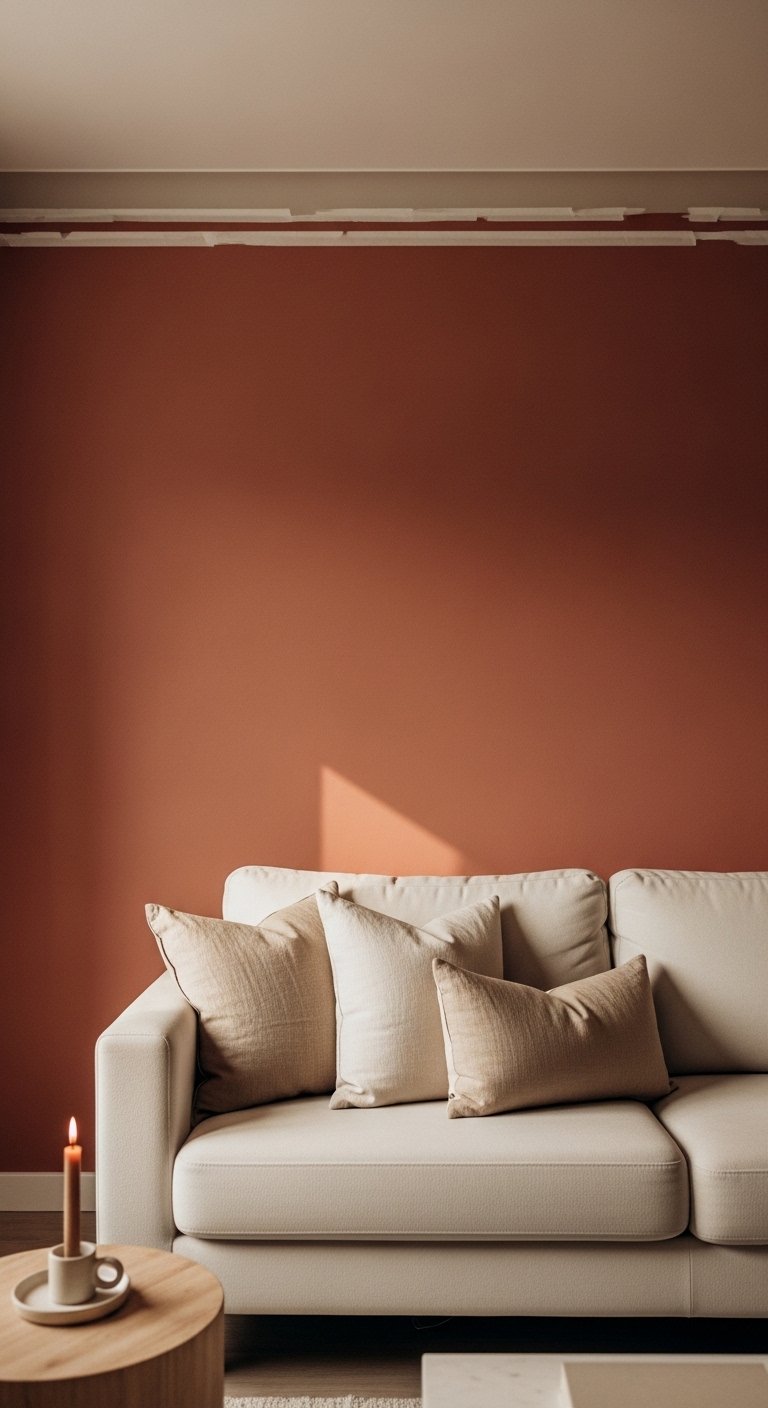
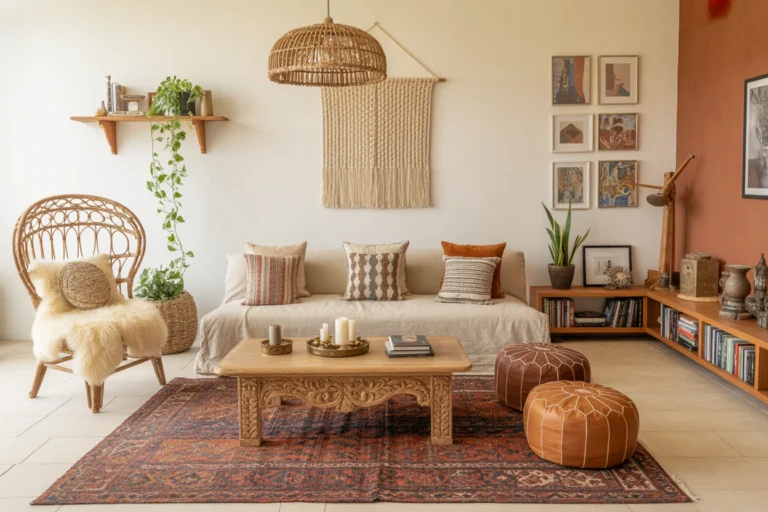
A single accent wall can change the whole mood of a room without costing much. A quart of paint runs about eight to twelve dollars, which is more than enough to cover one wall. Choose a color that is a few shades deeper than the rest of the room — think warm terracotta, dusty sage, or a soft navy. The wall behind your sofa or the one your TV sits against works best. Clean the wall first, use painter’s tape along the edges, and apply two coats for even coverage. This project usually takes an afternoon and dries overnight. The depth it adds makes the whole room feel more intentional and pulled together without touching anything else.
3. Add a Throw Blanket
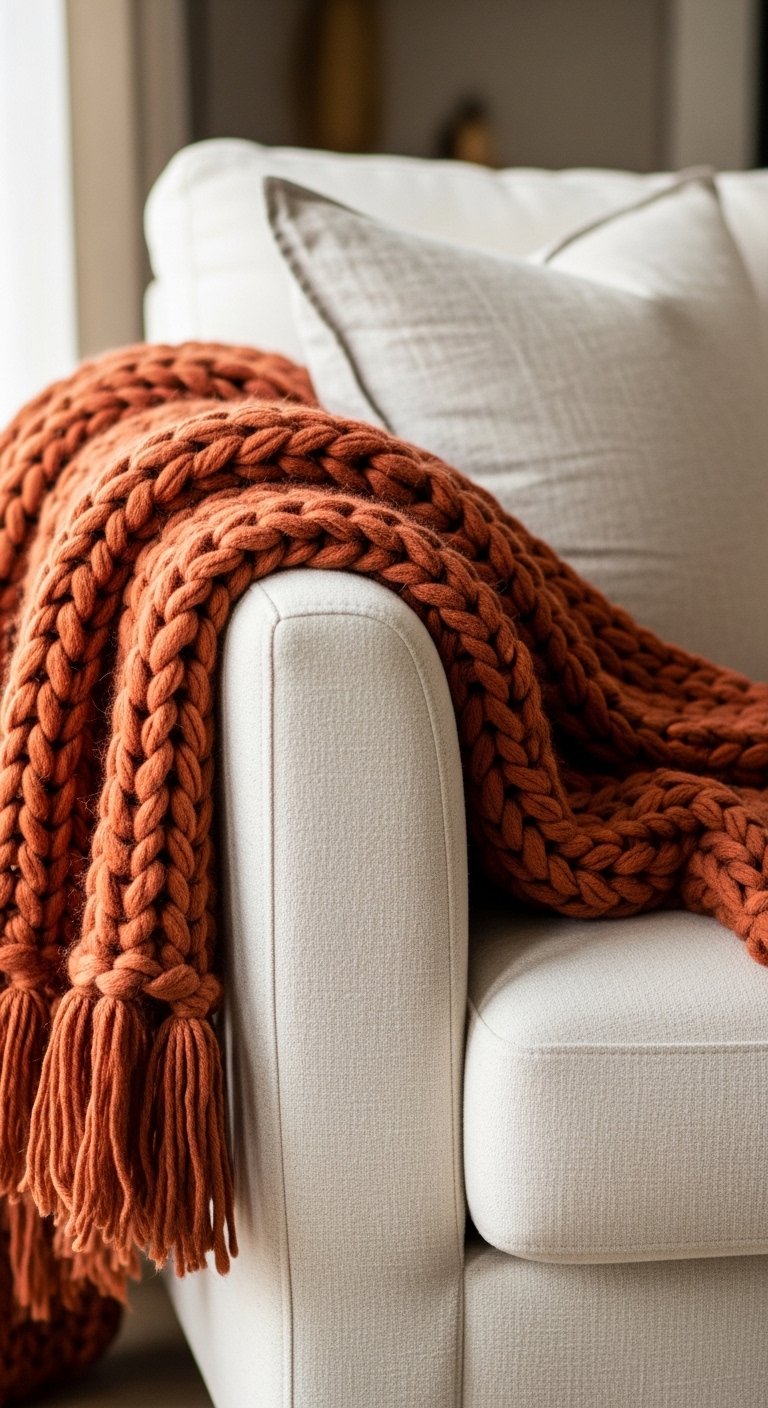
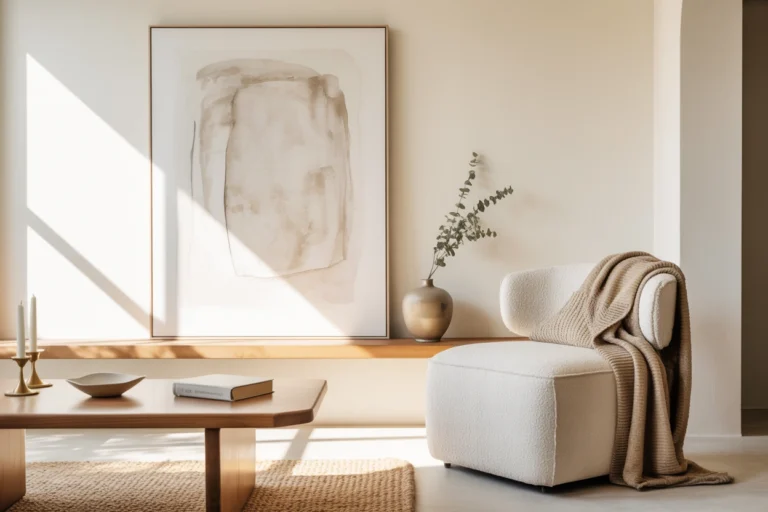
A good throw blanket does more decorating work than most people realize. Draped casually over the arm of a sofa or folded and placed on a chair, it adds texture, warmth, and a pop of color all at once. Look for chunky knit throws, woven cotton blankets, or sherpa styles at discount stores, thrift shops, or end-of-season sales. You can often find them for five to fifteen dollars. Choose a color that either complements your existing pillows or contrasts them in an interesting way. A beige sofa looks great with a rust-colored knit, while a dark gray couch benefits from something lighter like cream or warm white. It is an easy change that makes a room feel lived-in and cozy.
4. Hang Curtains Higher
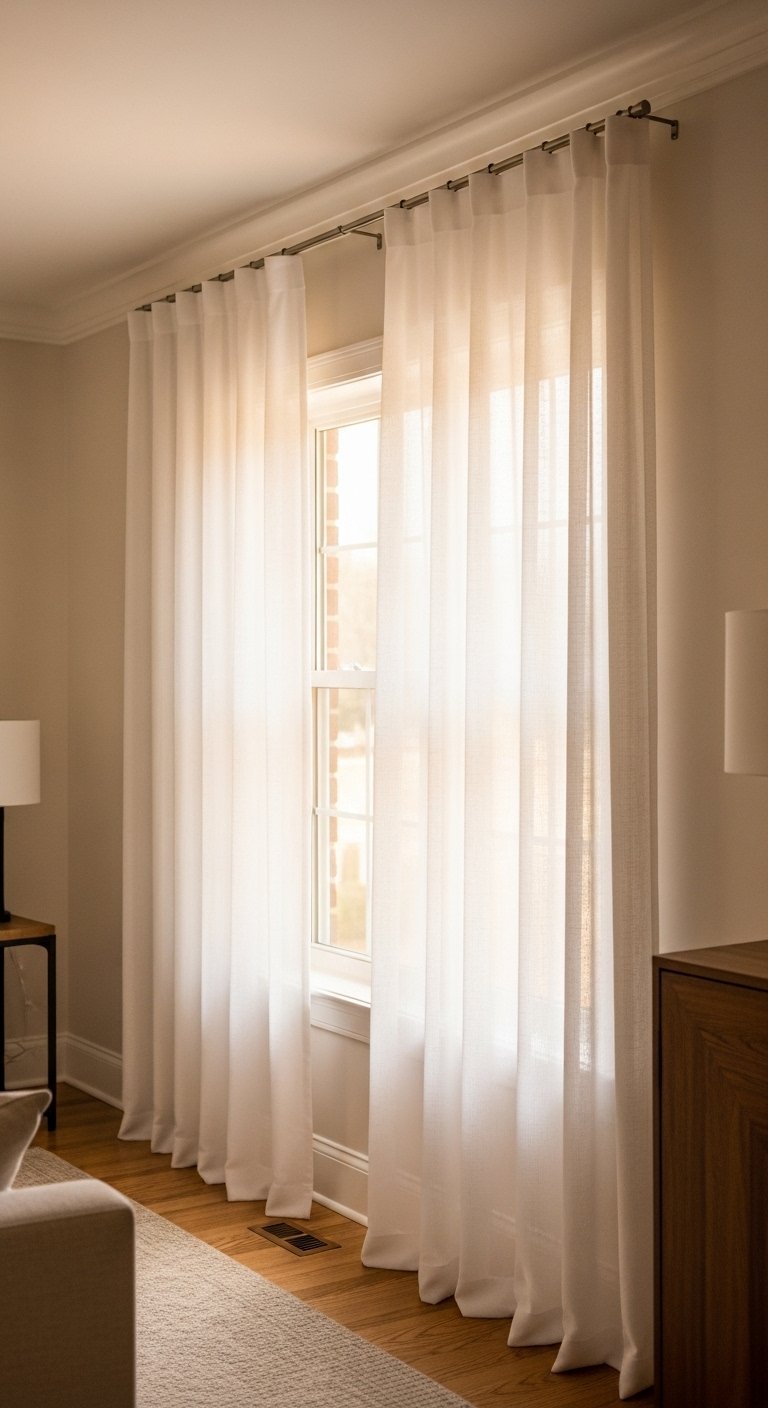
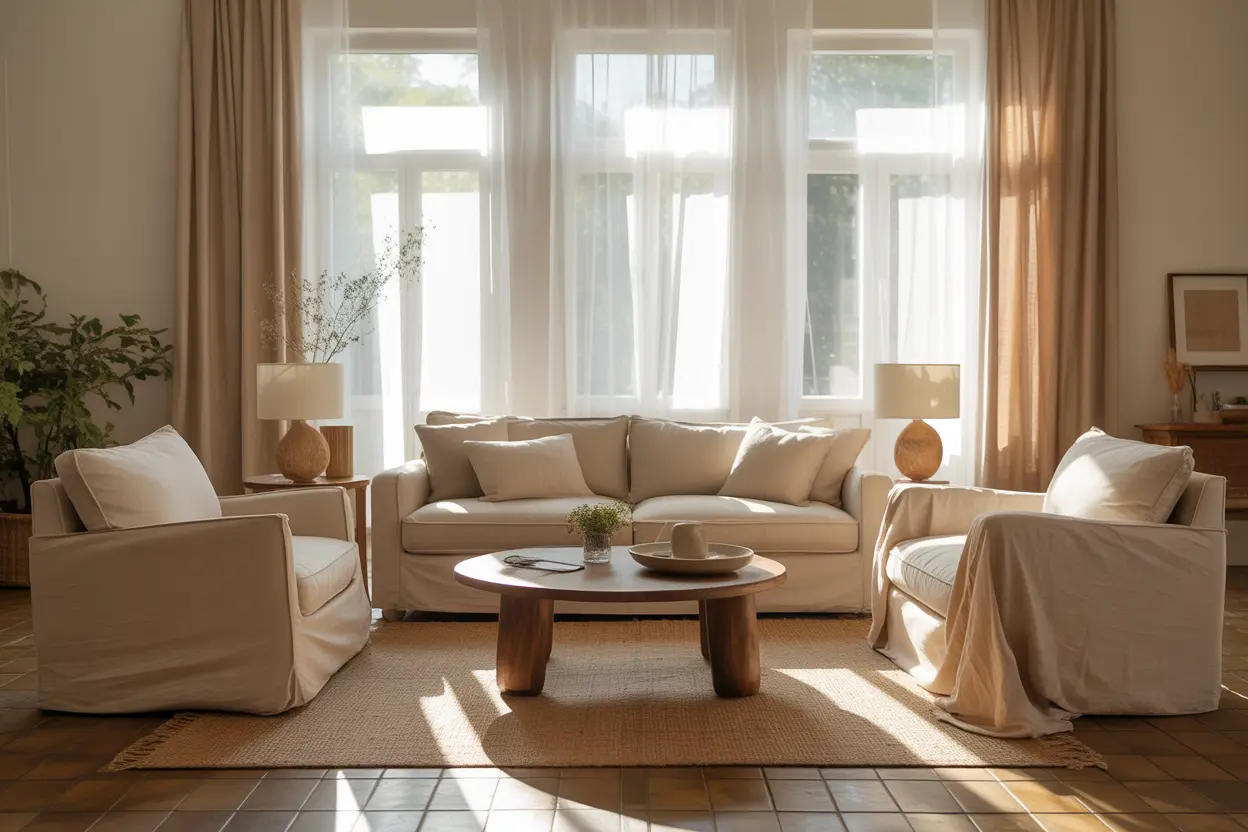
If you already have curtains but your room feels small or low, try moving the curtain rod up. Hanging curtains close to the ceiling instead of just above the window makes the walls look taller and the room feel bigger. This is a trick used in almost every professionally staged home. You do not need to buy new curtains for this — just rehang what you have, or buy inexpensive white or linen-colored curtains from a discount store. Curtain panels that fall from ceiling to floor create a very clean, polished look. Use a level when mounting the rod so the curtains hang evenly. The whole project takes about an hour and the visual difference is dramatic.
5. Swap Out Throw Pillows
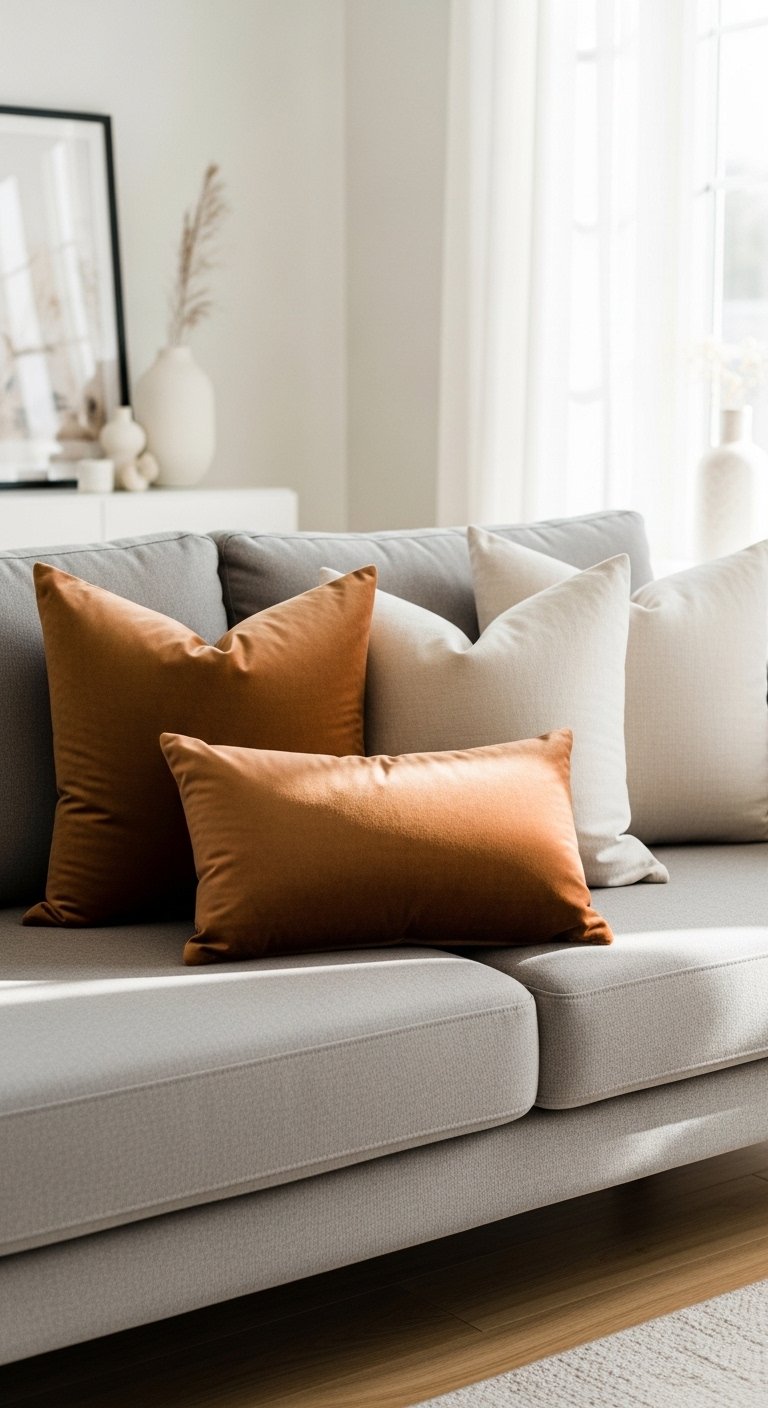
Pillow covers are one of the cheapest ways to refresh a living room. You do not even need to buy full pillows — just pick up a few cover sets. Mix textures like velvet, linen, and cotton. Use odd numbers, such as three or five pillows on a sofa, because it looks more natural than even groupings. Choose a color palette with two to three tones that work together. For example, if your room has warm wood tones, try caramel, cream, and a soft rust. Discount shops, outlet stores, and online marketplaces often have pillow covers for three to eight dollars each. Swap them out seasonally to keep things feeling fresh without spending much at all.
6. Add a Simple Rug
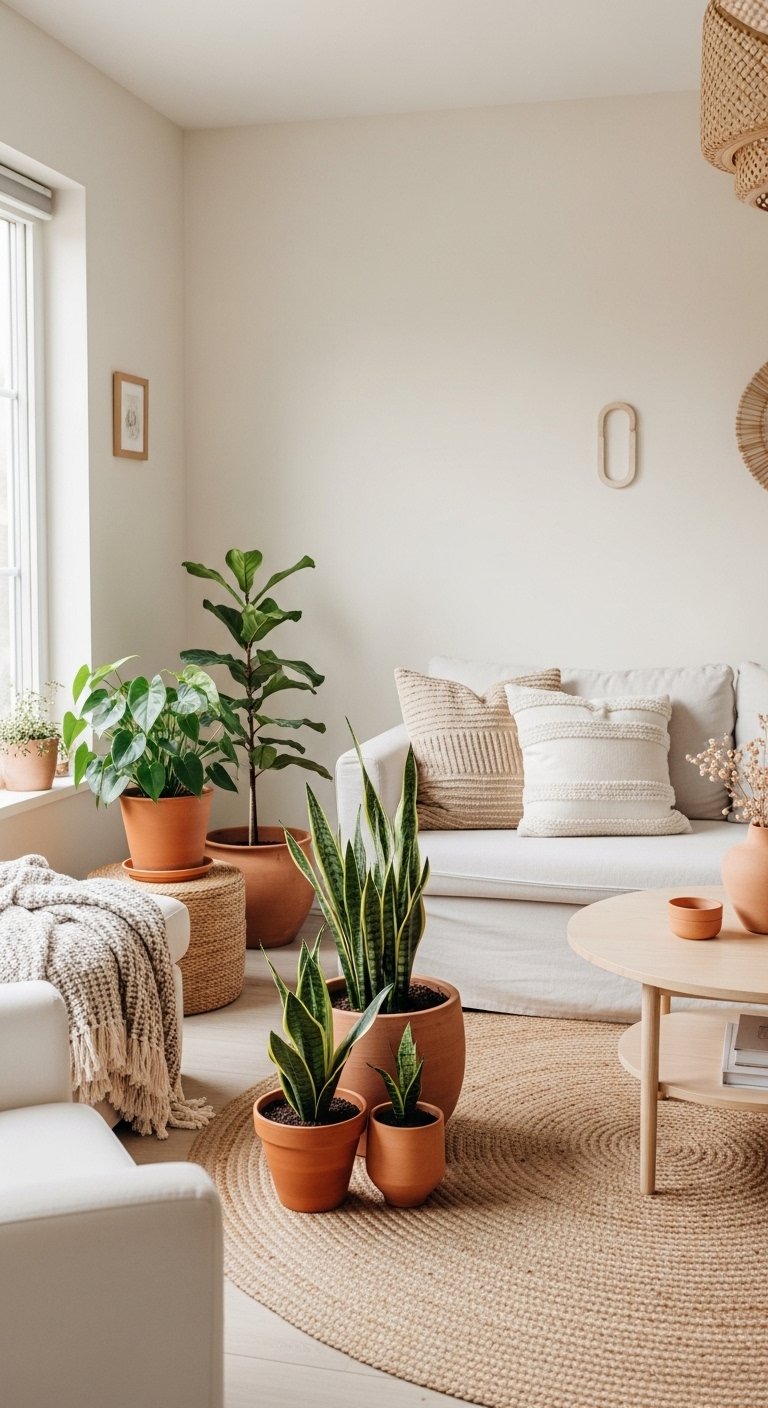
A rug anchors the furniture and gives the room a defined center. If you do not have one, even a modest-sized rug under the coffee table and in front of the sofa makes the space feel much more put together. Look for affordable options at discount home stores or check out sites that sell overstock rugs. A 5×7 rug can sometimes be found for under $40 if you are flexible on the pattern. Neutral tones like jute, cream, gray, or tan work with almost any furniture. If you already have a rug that feels dull, try layering a smaller rug over it — a vintage-style printed rug layered over a simple jute base adds a lot of character at low cost.
7. Hang Simple Wall Art
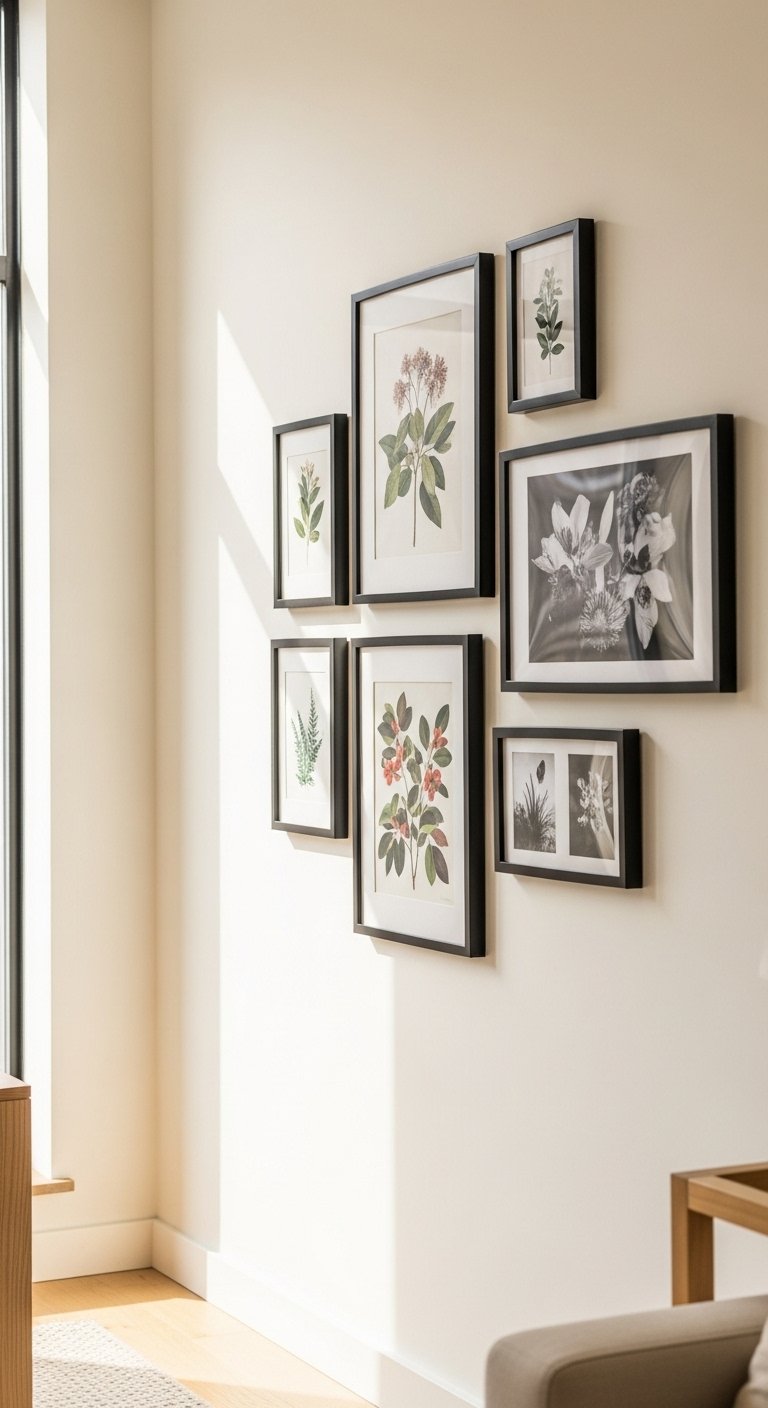
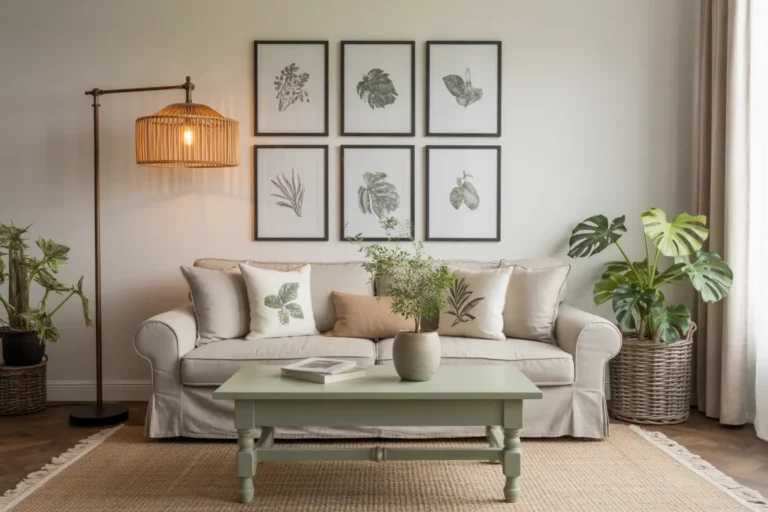
Empty walls make a room feel unfinished. You do not have to buy expensive pieces to fix this. Print large black-and-white photos or simple line drawings at home and frame them with inexpensive frames from a dollar store or thrift shop. Botanical prints, abstract shapes, and landscape photos work well in most living rooms. You can also frame pages from an old calendar, a pretty scarf, or even a piece of wrapping paper. Gallery walls work especially well if you have a collection of smaller frames. Lay them out on the floor first to plan the arrangement before you start putting holes in the wall. A cohesive color scheme across frames ties it all together.
8. Style a Coffee Table
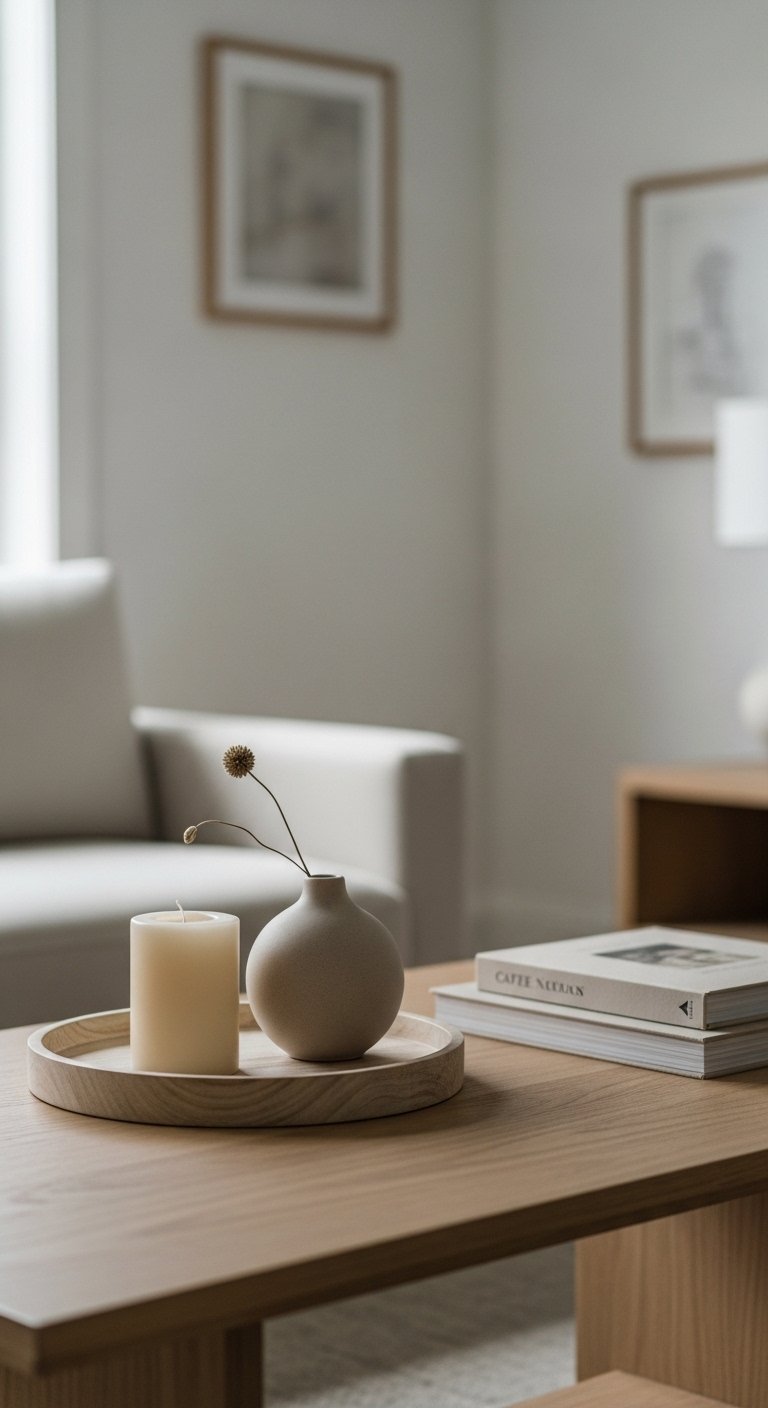
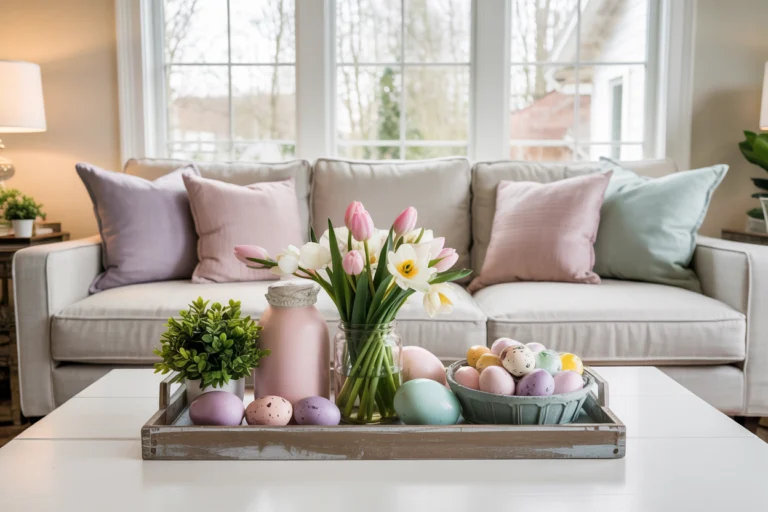
A coffee table that looks intentionally styled gives the whole room a more finished feel. You do not need to buy new items — pull from what you already have around the house. A stack of two or three books with a small candle or jar on top looks polished. Add a small tray to group items together, which prevents the table from looking cluttered. A single plant, a bowl with a few smooth stones, or a decorative coaster set can all work. The key is to leave some open space. You want the table to look styled, not packed. Change up the arrangement every month or two to keep the room feeling fresh without spending anything.
9. Use Mirrors Strategically
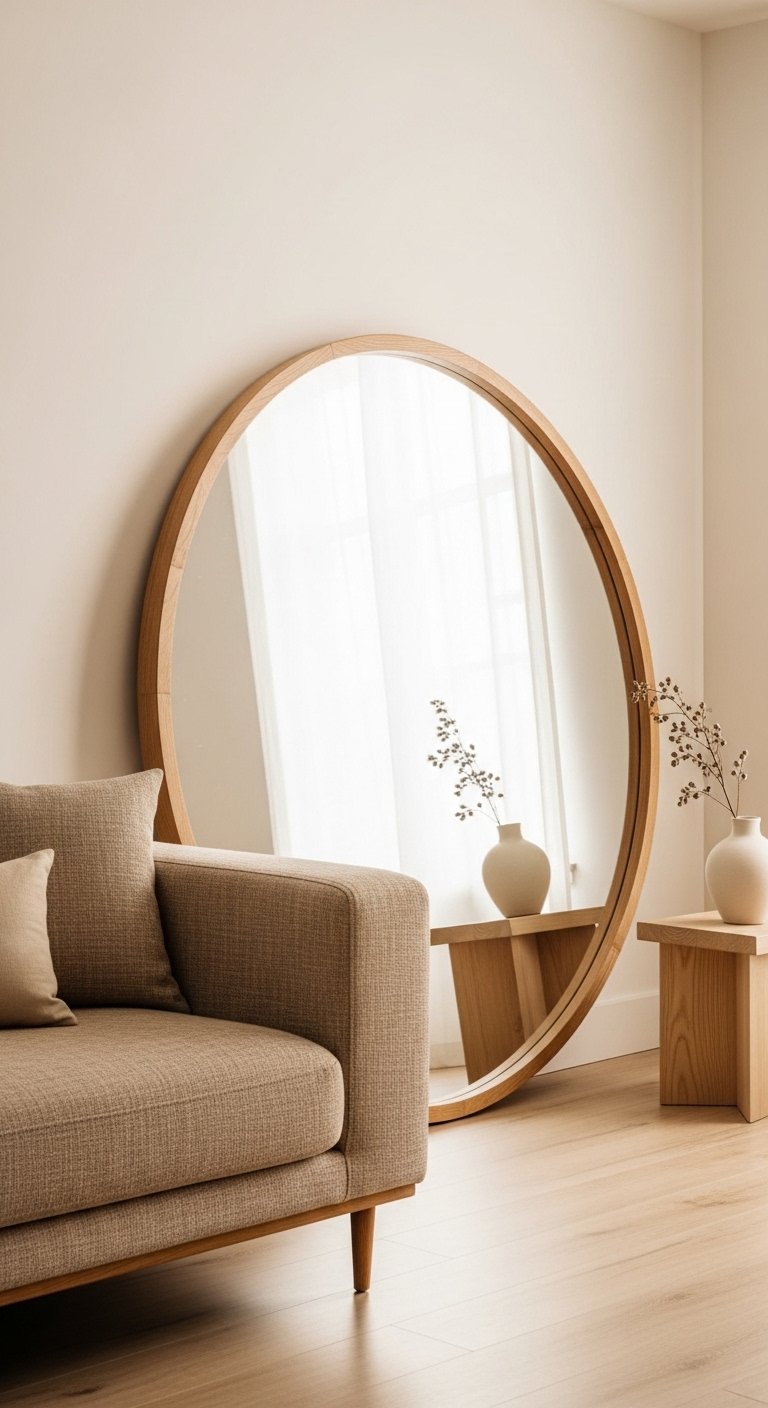
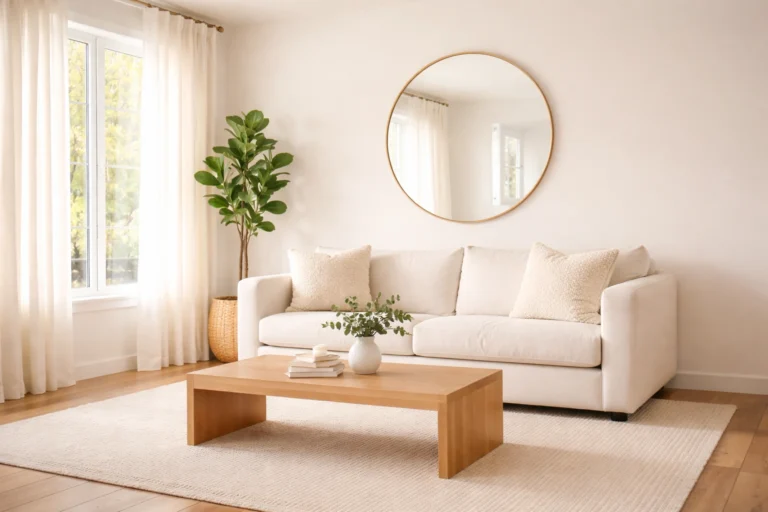
Mirrors reflect light and make any room feel bigger and brighter. A large mirror leaned against a wall is one of the easiest upgrades you can make. Look for framed mirrors at thrift stores — they are almost always available, and a coat of spray paint on the frame can completely change the look. Place a mirror opposite a window to bounce natural light back into the room. Even a small collection of different-sized mirrors grouped together on one wall works as art while serving a practical purpose. A sunburst mirror or a simple round one adds shape and dimension to a flat wall. This is a trick that decorators use in every small living room project.
10. Paint Old Picture Frames
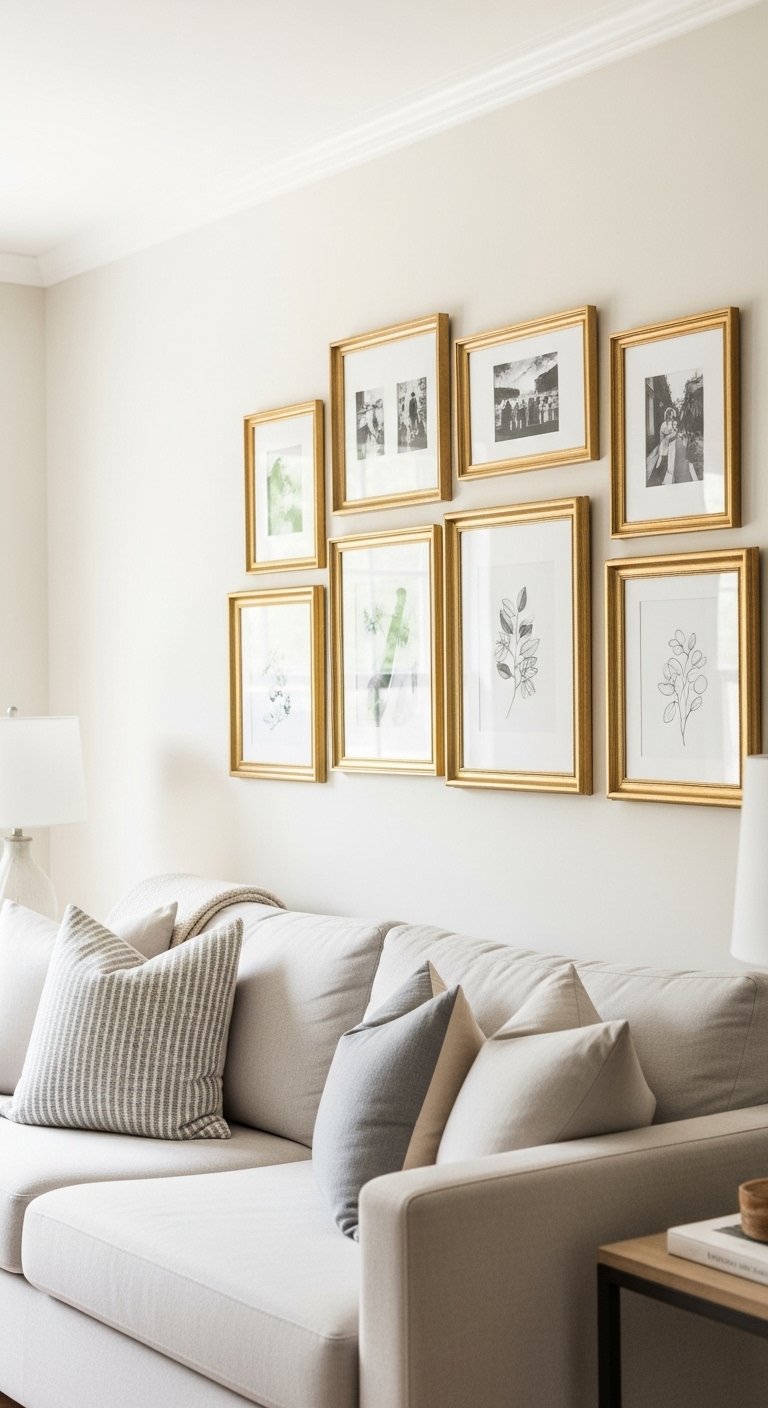
Instead of buying new frames, refresh what you already have with a can of spray paint. Gold, matte black, and white are the most versatile colors. Group mismatched thrift store frames together and spray them all the same color to create a cohesive gallery wall. This project costs about five dollars for a can of spray paint and an afternoon of your time. Lay the frames on newspaper or cardboard outdoors, apply two thin coats, and let them dry for a few hours. Fill them with art prints, family photos, or even just a piece of colored card stock. A unified frame color makes a random collection look like it was curated on purpose.
11. Replace Light Switch Plates
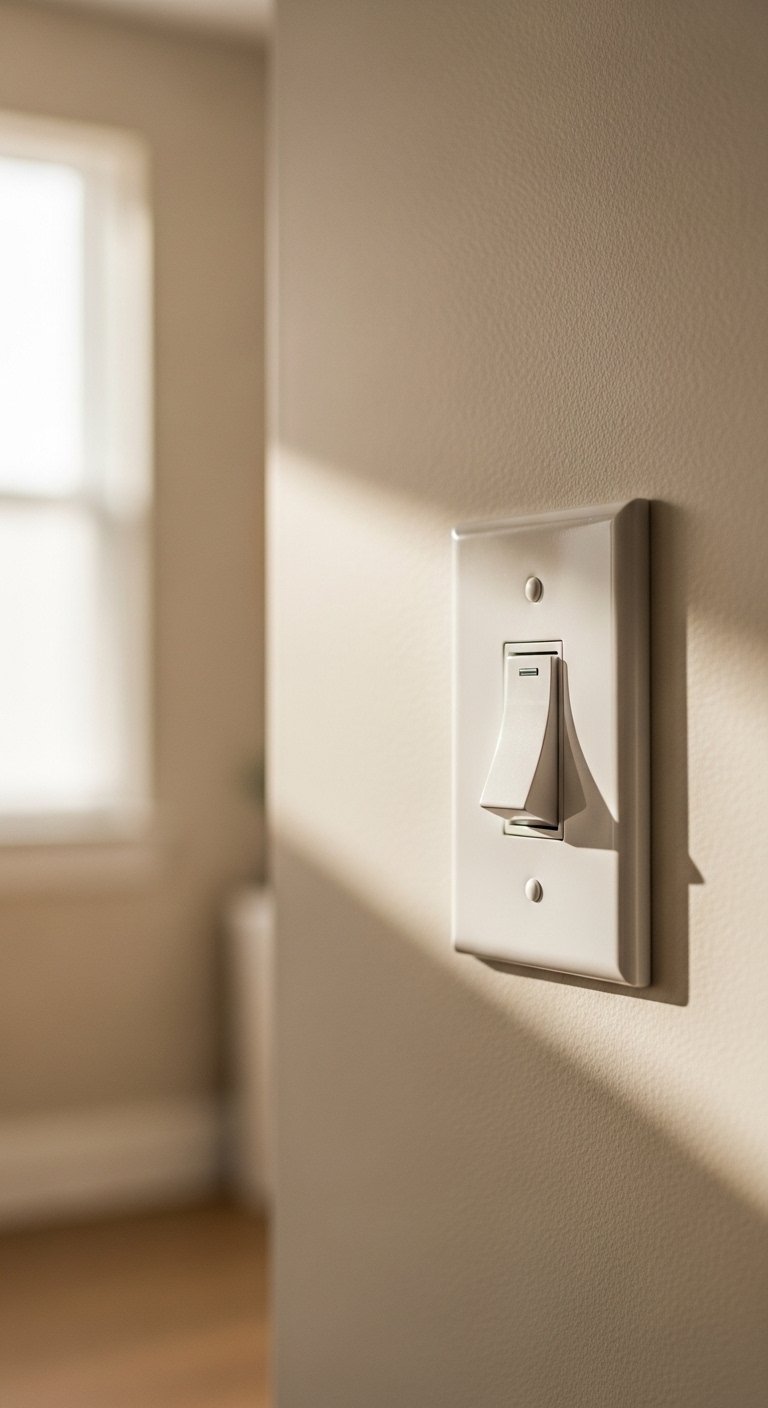
This sounds small, but outdated or dirty switch plates drag down the look of a room. A pack of new switch plate covers costs about three to five dollars at any hardware store. Choose simple white or off-white for a clean look, or try brushed nickel covers if you want something slightly more polished. If you are handy, you can upgrade to rocker-style switches at the same time. It takes about five minutes per switch with just a screwdriver. When every other element in your room looks nice but the light switches are yellowed or cracked, it pulls attention in the wrong direction. It is one of those small fixes that makes a room feel cared for.
12. Add Indoor Plants
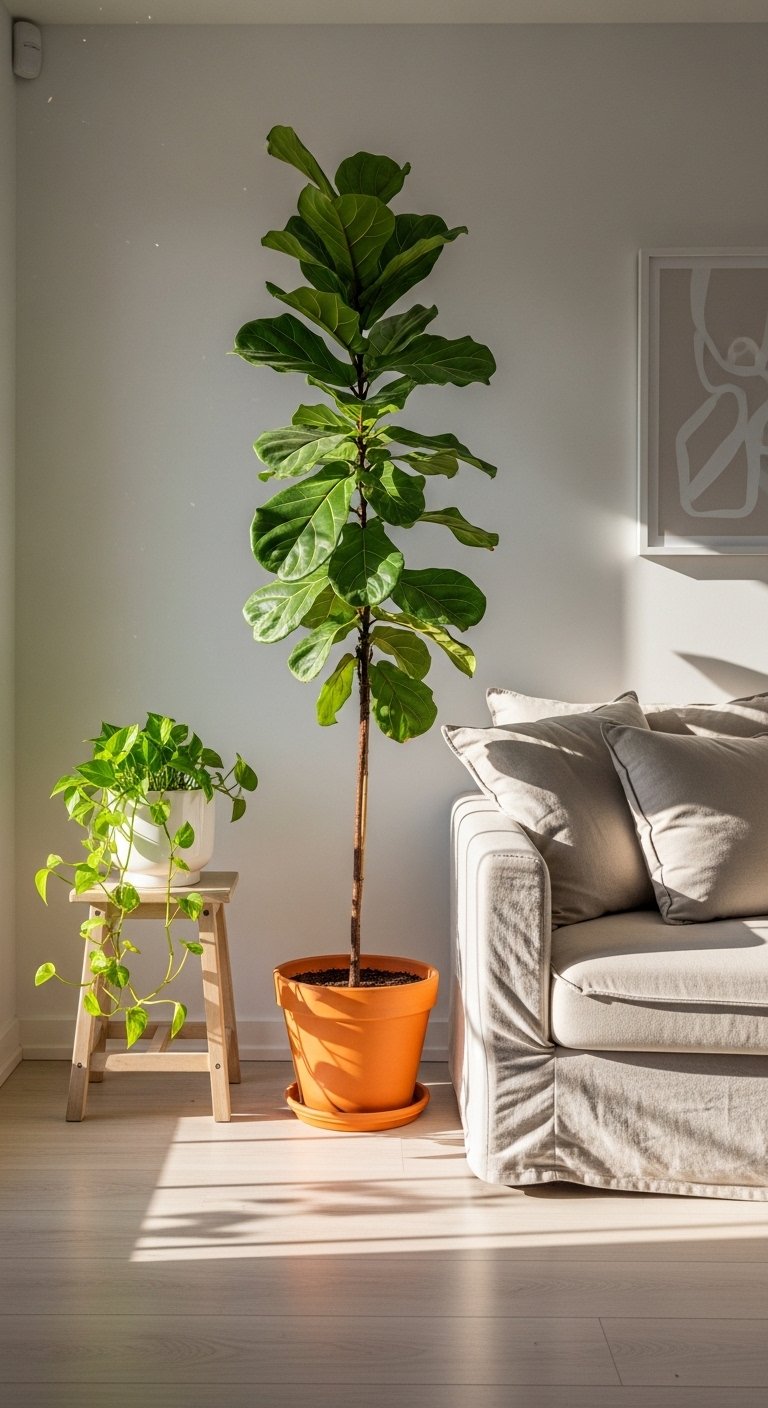
A few plants make a room feel alive in a way that decor alone cannot. You do not need to spend a lot. Pothos, snake plants, and spider plants are all under ten dollars at most garden centers and nearly impossible to kill. A tall floor plant like a fiddle leaf fig or a dracaena can anchor a corner next to the sofa or bookshelf. Use pots that match your color palette — terracotta pots work beautifully in warm, earthy rooms, while white or matte black pots look sharp in modern spaces. If you are worried about watering schedules, start with one or two low-maintenance varieties and build from there. The color and texture plants bring in is hard to replicate with anything else.
13. Clean and Organize Shelving
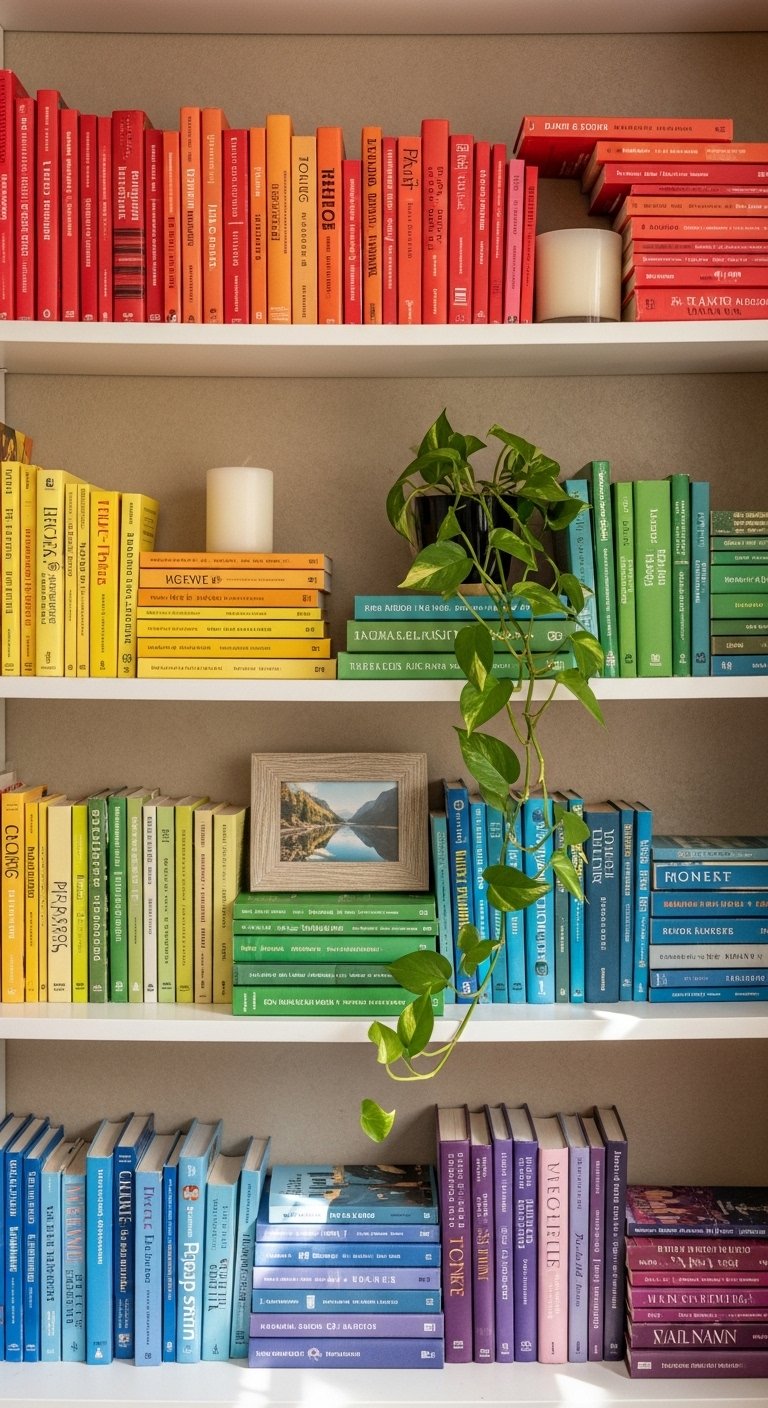
Messy shelves make a room feel chaotic, no matter how nice the rest of the space looks. Take everything off your bookshelves or wall shelves and start fresh. Group books by color or size for a more visual effect. Leave some shelves partially empty so the eye has somewhere to rest. Add a small plant, a candle, or a framed photo among the books. Style the shelf in thirds — place one item in the lower left, something in the upper right, and vary the heights throughout. This costs nothing but time and makes your shelves look like something from a home magazine. It also forces you to sort through clutter and get rid of things you no longer need.
14. Repaint Old Furniture
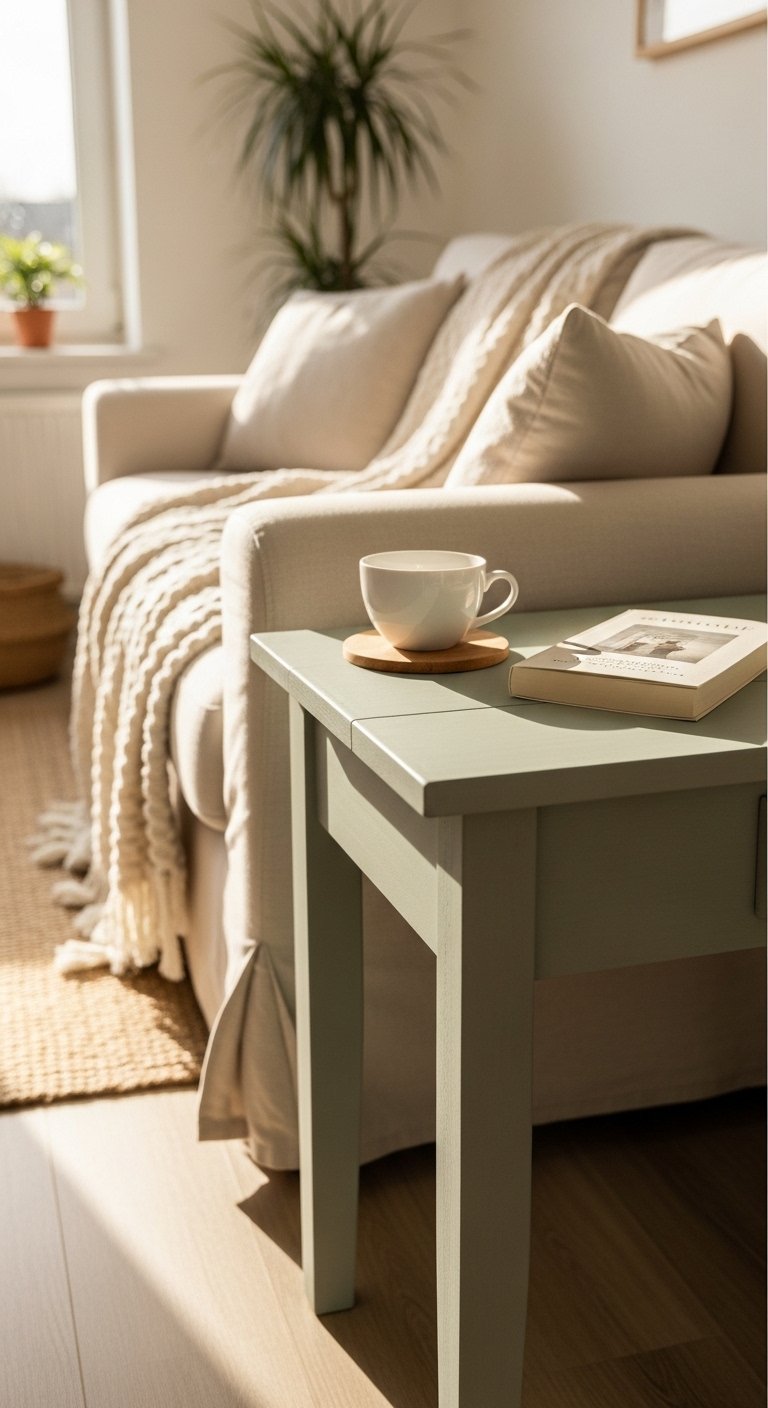
A can of chalk paint or spray paint can completely change an old side table, TV stand, or bookshelf. Chalk paint is especially popular because it requires no sanding or priming on most surfaces and gives a matte, natural-looking finish. Colors like warm white, soft gray, or sage green work in almost any living room. Apply two coats and seal with a clear wax or matte sealer for durability. This project usually costs between ten and twenty dollars and can save you from having to replace furniture entirely. Sand the edges slightly for a subtle worn look, or keep it smooth for a clean finish. Either way, the result looks far more expensive than it costs.
15. Layer Different Textures
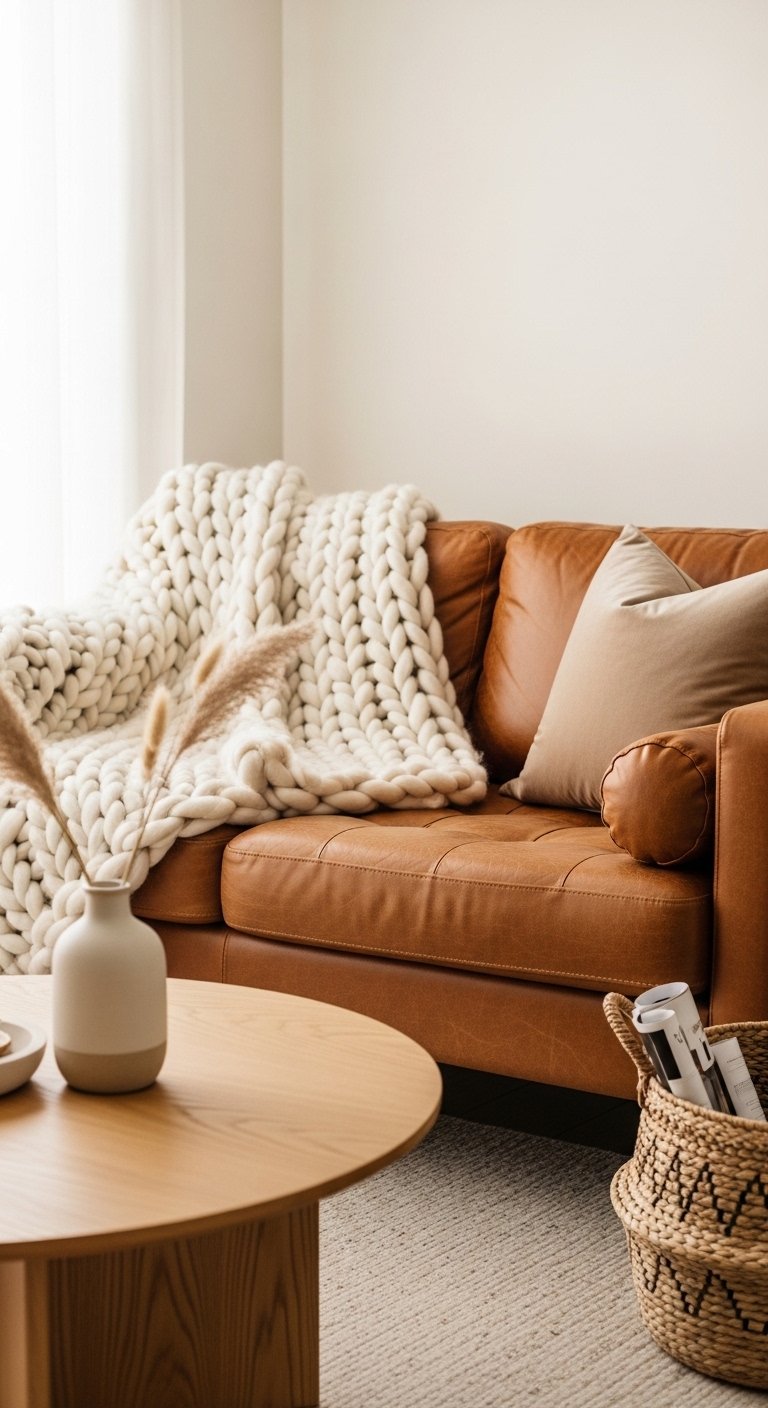
A room that uses only one type of material — like all smooth surfaces or all soft fabric — tends to feel flat. Layering textures is one of the simplest ways to add depth. Try pairing a smooth leather sofa with a chunky wool throw, or place a rough jute rug next to smooth painted furniture. Add a velvet pillow on a linen sofa, or put a wicker basket next to a glass coffee table. You can do this with items you already own by rotating what is in each room. Texture creates visual interest even when everything is the same neutral color. This is why well-designed rooms in neutral palettes still manage to feel rich and layered rather than boring.
16. Add a Floor Lamp

Overhead lighting alone makes rooms feel flat and a little clinical. A floor lamp in the corner creates a warm pool of light that feels cozy and welcoming. Look for simple arc lamps or tripod-style lamps at discount stores or thrift shops. A basic floor lamp can be found for fifteen to thirty dollars and makes a huge difference in the evening ambiance of the room. Pair it with a warm-toned bulb in the 2700K to 3000K range — this gives off a soft yellow-white light rather than a harsh cool white. Place the lamp behind or beside the sofa to create a reading area, or use it to draw attention to a styled corner of the room.
17. Create a Reading Nook
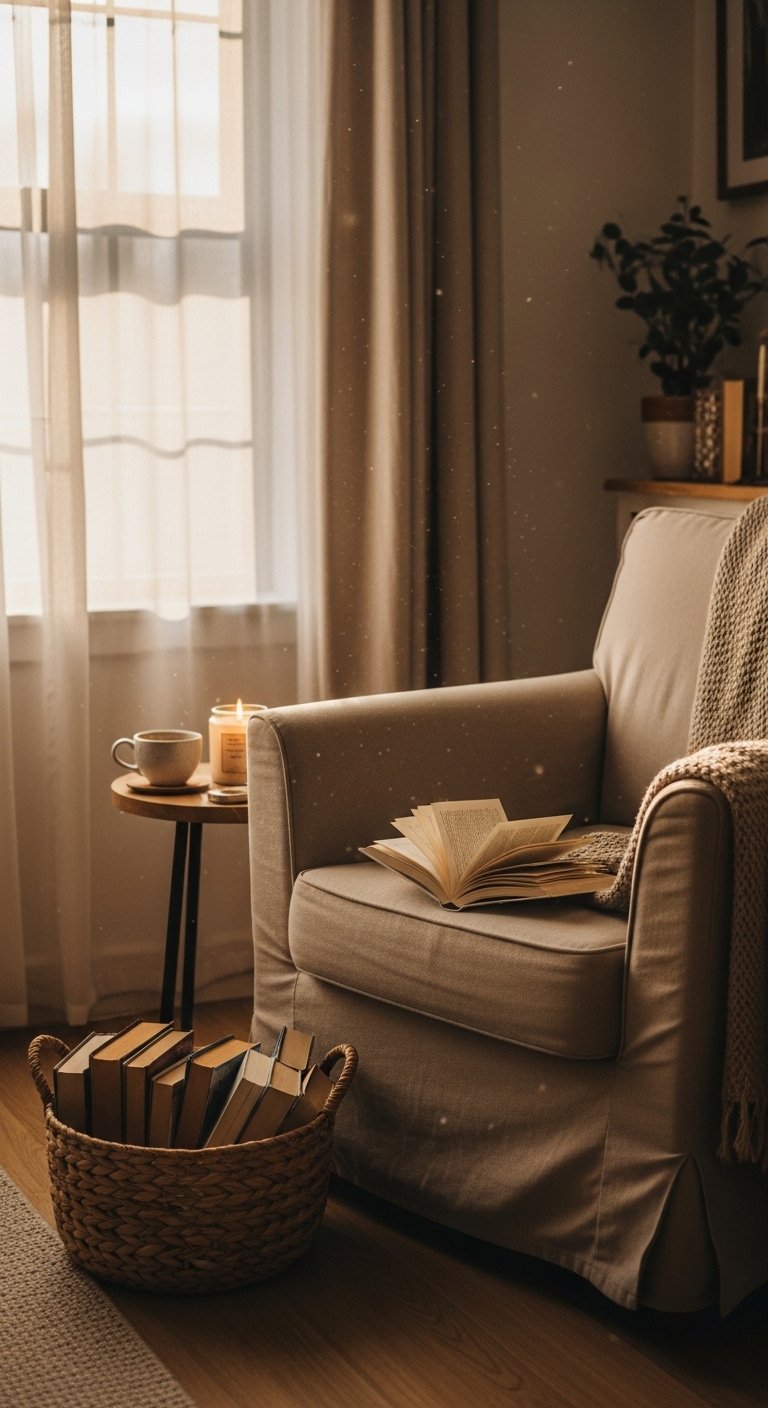
If you have a corner or window area that currently holds nothing, turn it into a reading nook. This does not require a major project. A comfortable chair or even a floor cushion, a small side table for drinks, a lamp, and a basket of books is all you need. The nook gives the room a sense of purpose and personality. Use that corner to display a plant and a stack of art books or magazines. If you have a window, hang a simple sheer curtain to frame the space. This type of intentional zone-making makes a living room feel designed rather than random, and it gives the space a coziness that no amount of expensive furniture can buy.
18. Use Baskets for Storage
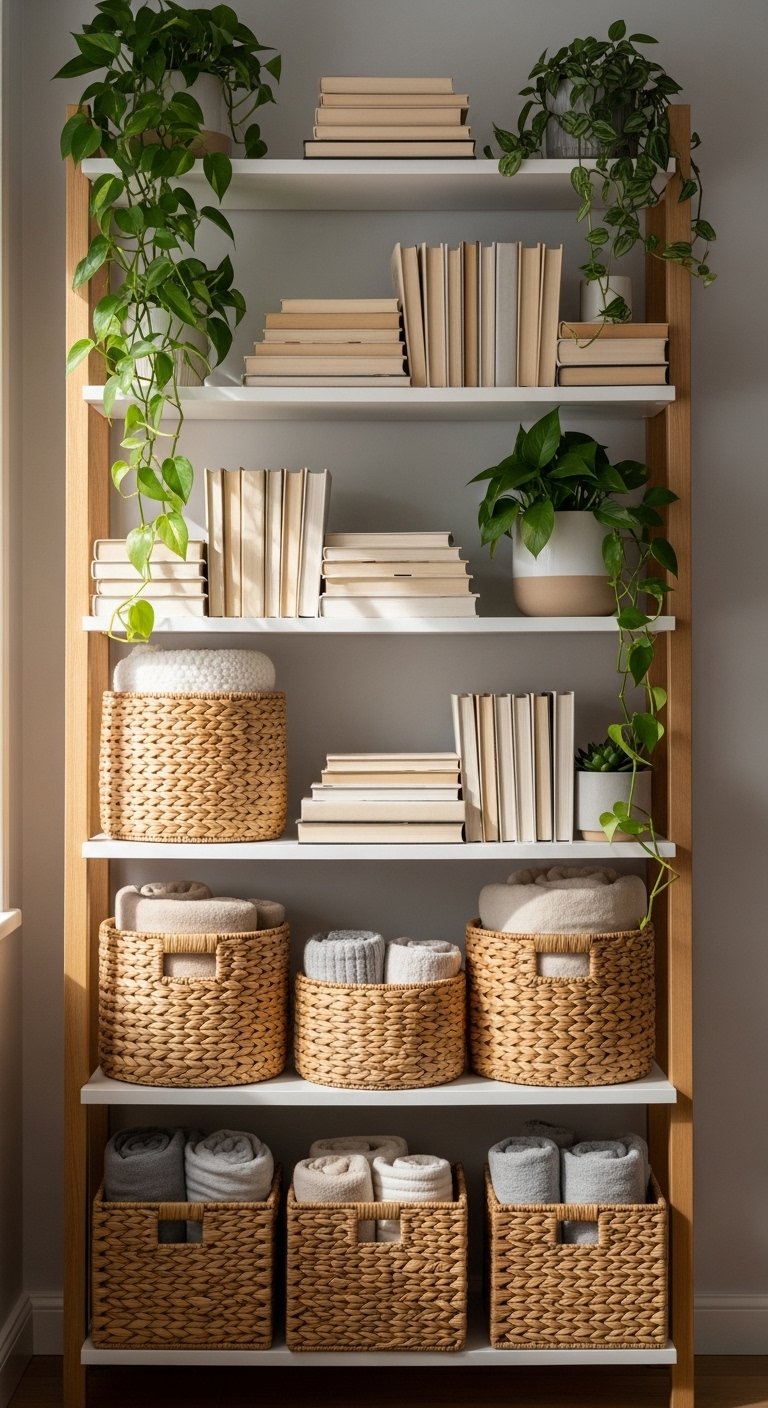
Baskets serve two purposes — they organize your space and add visual warmth at the same time. Use them to store extra blankets, kids’ toys, remote controls, or magazines. Stack two or three different-sized baskets in a corner near the sofa or on an open shelf. Woven seagrass and water hyacinth baskets are inexpensive and available almost everywhere. A lidded basket works well as a side table next to a chair while also hiding whatever you store inside. Unlike plastic bins or cardboard boxes, baskets look like they belong in the room. They also make tidying up quick — just toss things in and the room immediately looks cleaner without you having to sort or organize anything deeply.
19. Frame a Fabric Piece
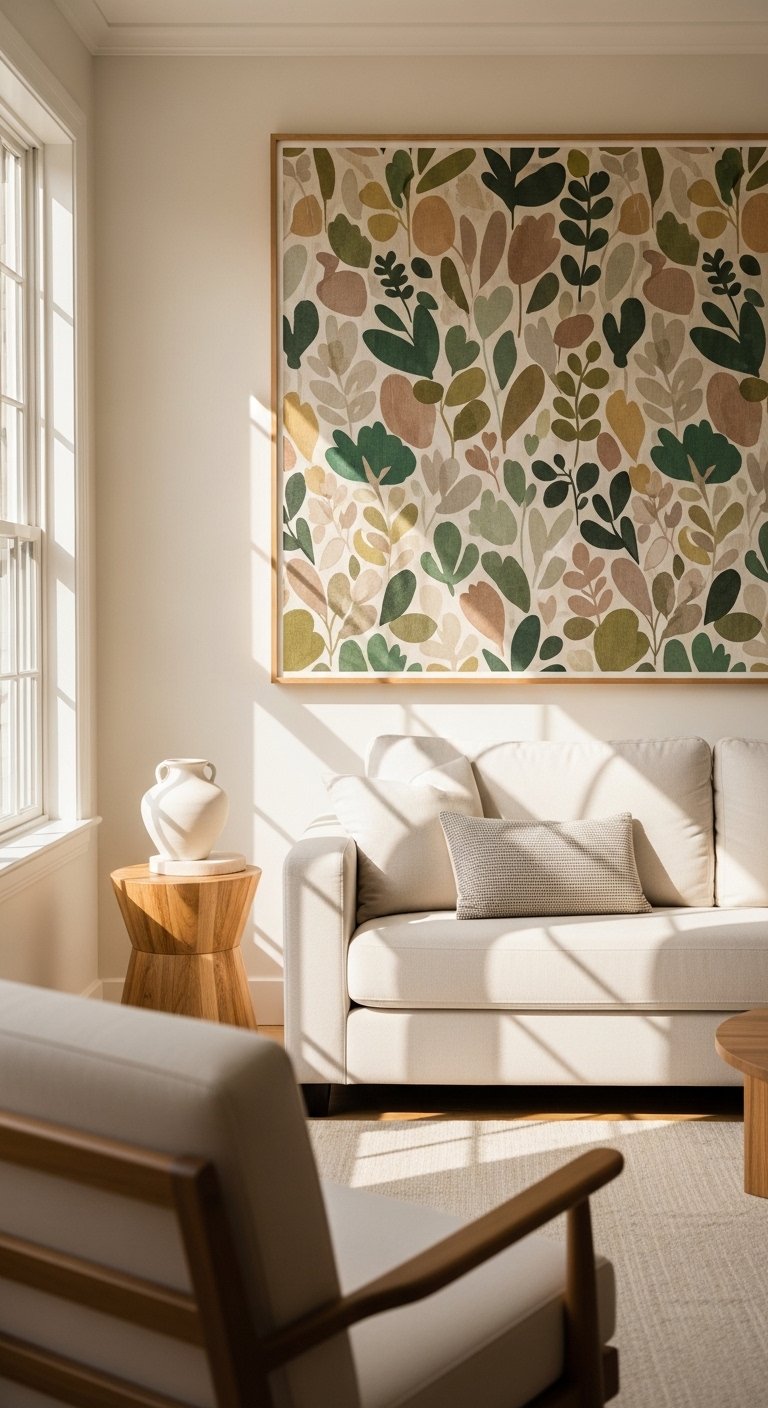
Fabric can make stunning wall art when framed well. Visit a fabric store and look through the remnant bin — you can often find beautiful pieces for a dollar or two. Choose something with an interesting pattern, a bold geometric design, or a soft botanical print. Stretch the fabric over a canvas frame (available at craft stores for a few dollars) or simply use a large picture frame and center the fabric behind the glass. This works especially well as a large focal piece above a sofa or console table. It adds color and pattern without the cost of a painting or print. You can switch it out whenever you want a new look without any major effort or expense.
20. Declutter Flat Surfaces
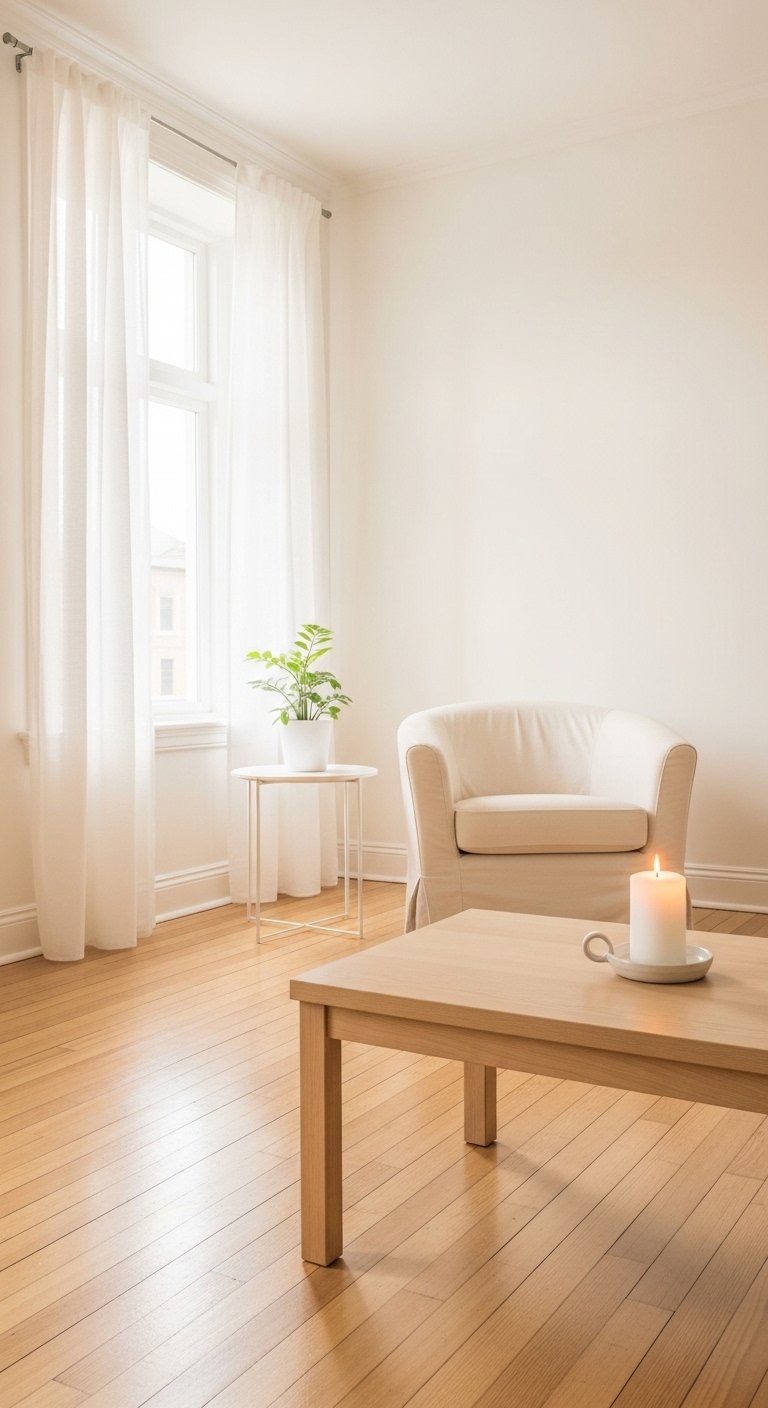
Too much stuff on surfaces — the coffee table, console table, windowsills, and side tables — makes a room feel crowded and messy regardless of how nice the individual items are. Go through each surface and leave only what is intentional. A good rule of thumb is to put away anything you would not want photographed. Keep a candle, one or two small decor objects, and maybe a book or plant. Everything else should have a home in a drawer, basket, or cabinet. Decluttering costs nothing and has one of the biggest visual impacts of anything on this list. A clean, open surface makes even modest furniture look elegant and well-chosen.
21. Hang a Gallery Wall
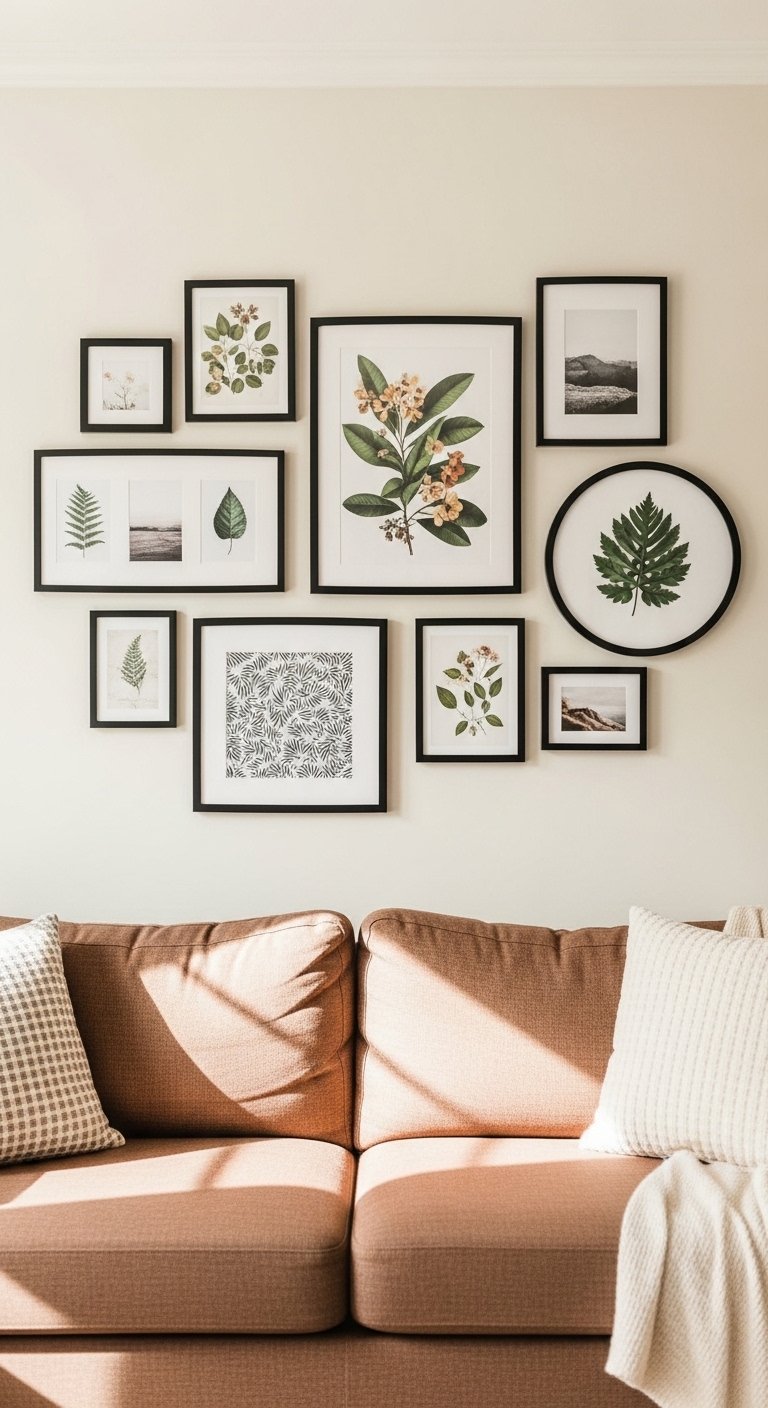
A gallery wall is a great way to cover a large blank wall without buying one expensive piece of art. Collect frames from thrift stores, dollar stores, or your own home. Mix sizes and shapes for visual interest, but stick to one or two frame colors to keep it cohesive. Fill the frames with printed photos, botanical illustrations downloaded for free online, simple geometric prints, or postcards. Arrange everything on the floor first to test the layout before you start hammering. Use a paper template for each frame taped to the wall so you can adjust positions without making extra nail holes. A gallery wall can be assembled for under twenty dollars and looks completely custom and personal.
22. DIY a Simple Centerpiece
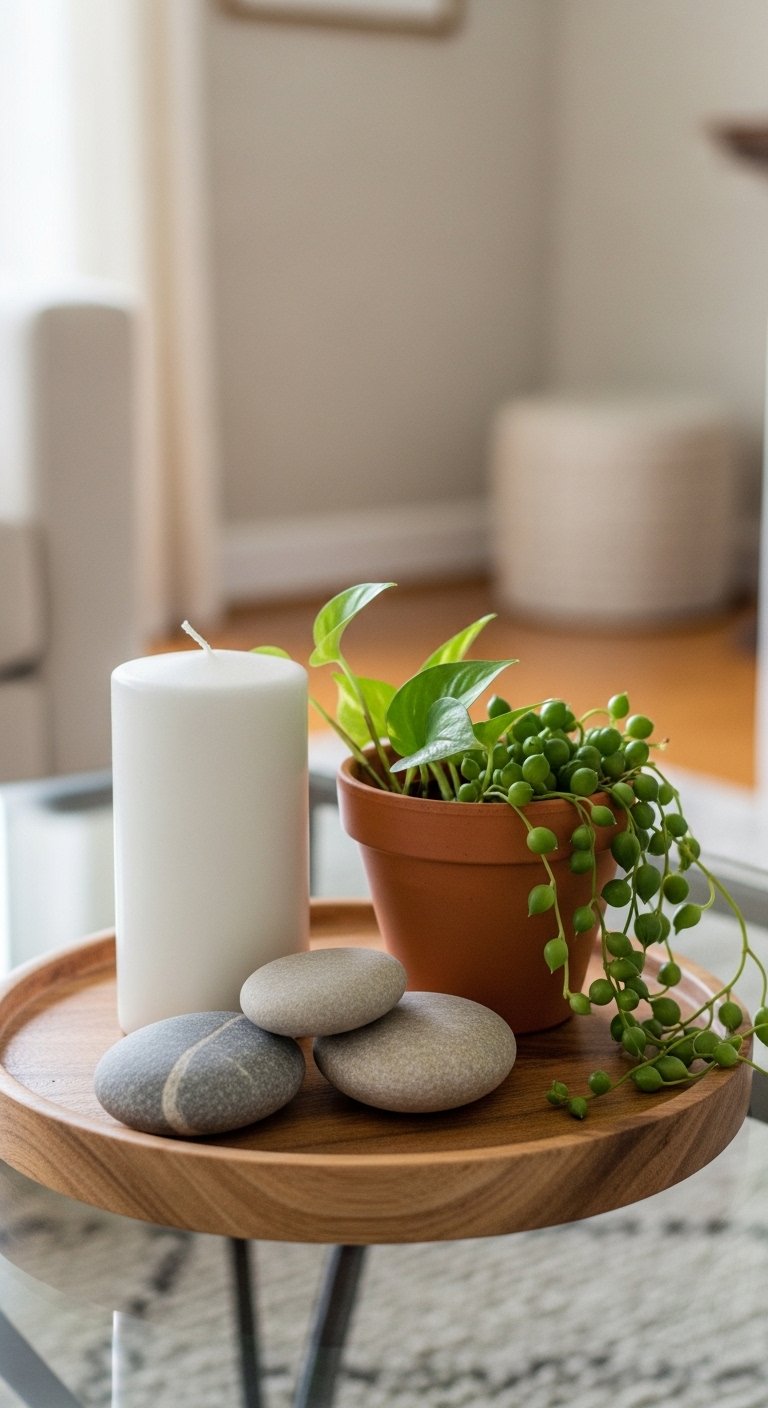
A centerpiece on the coffee table or console table pulls the room together. You do not need to buy anything fancy. A simple wooden tray (check thrift stores) filled with a candle, a small plant in a clay pot, and a few smooth stones makes a clean, intentional centerpiece. You can also try a clear glass vase with some dried pampas grass or eucalyptus stems, both of which are long-lasting and need no water. Dried botanicals are widely available at craft stores or dollar shops and cost very little. The tray keeps everything grouped so it does not look scattered. Change out the items seasonally — swap in pinecones and candles in winter, fresh greenery in spring — for a room that feels current year-round.
Conclusion
You really can give your living room a new look for less than a hundred dollars. Most of these ideas take an afternoon at most, and many of them cost nothing at all. Start with the changes that feel most doable for your space, and go from there. Small, thoughtful updates add up quickly.