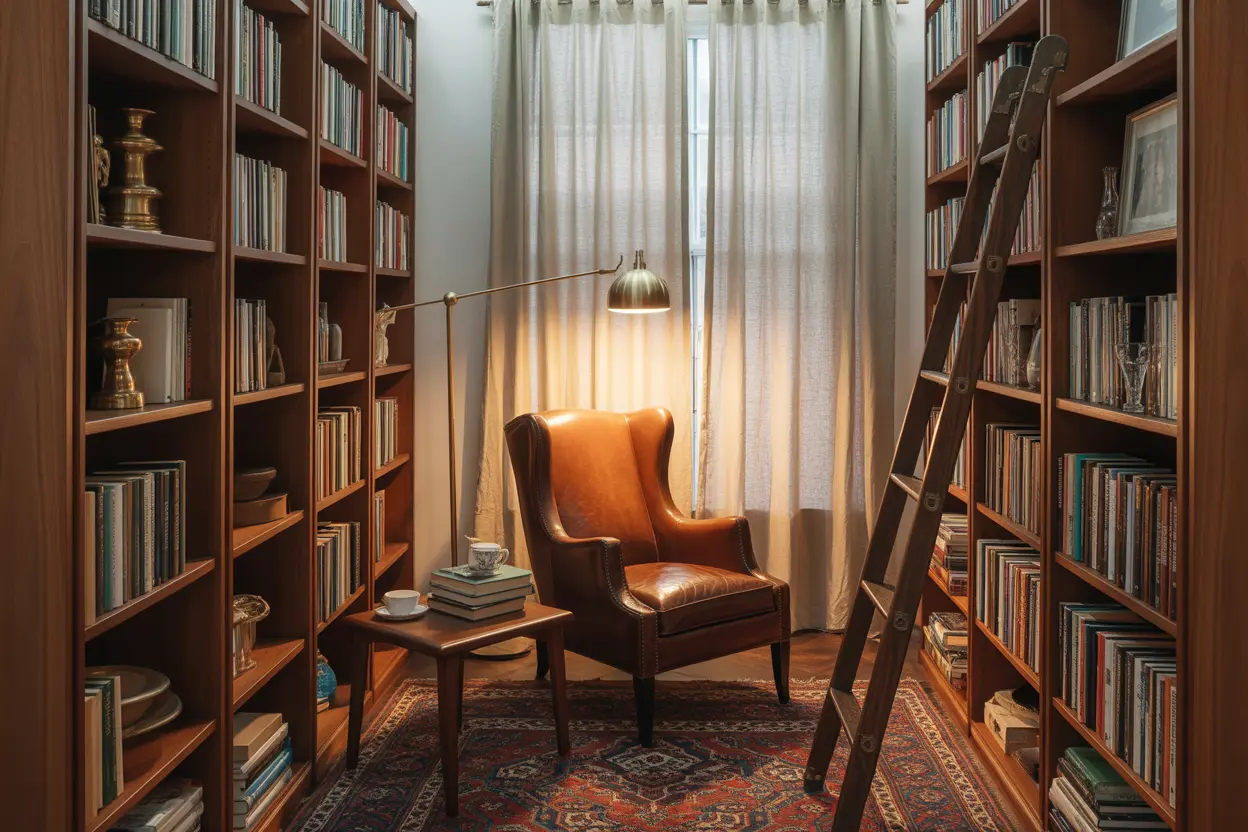
21 Home Library Design Ideas for Any Size of Space
A home library does not need a dedicated room or a soaring ceiling to feel like a real library. The qualities that make a library feel right, the warmth of books arranged with care, the right kind of light, comfortable seating that invites long reading, and the small details that signal someone who actually reads, can all be created on a single wall in an apartment hallway or in a corner of an existing living room. The size of the space matters far less than the intention behind it. These 21 ideas cover the full range of home library setups, from the simplest single shelf treatment to the full dedicated library room, and the principles behind them work at any scale.
1. Floor-to-Ceiling Built-Ins
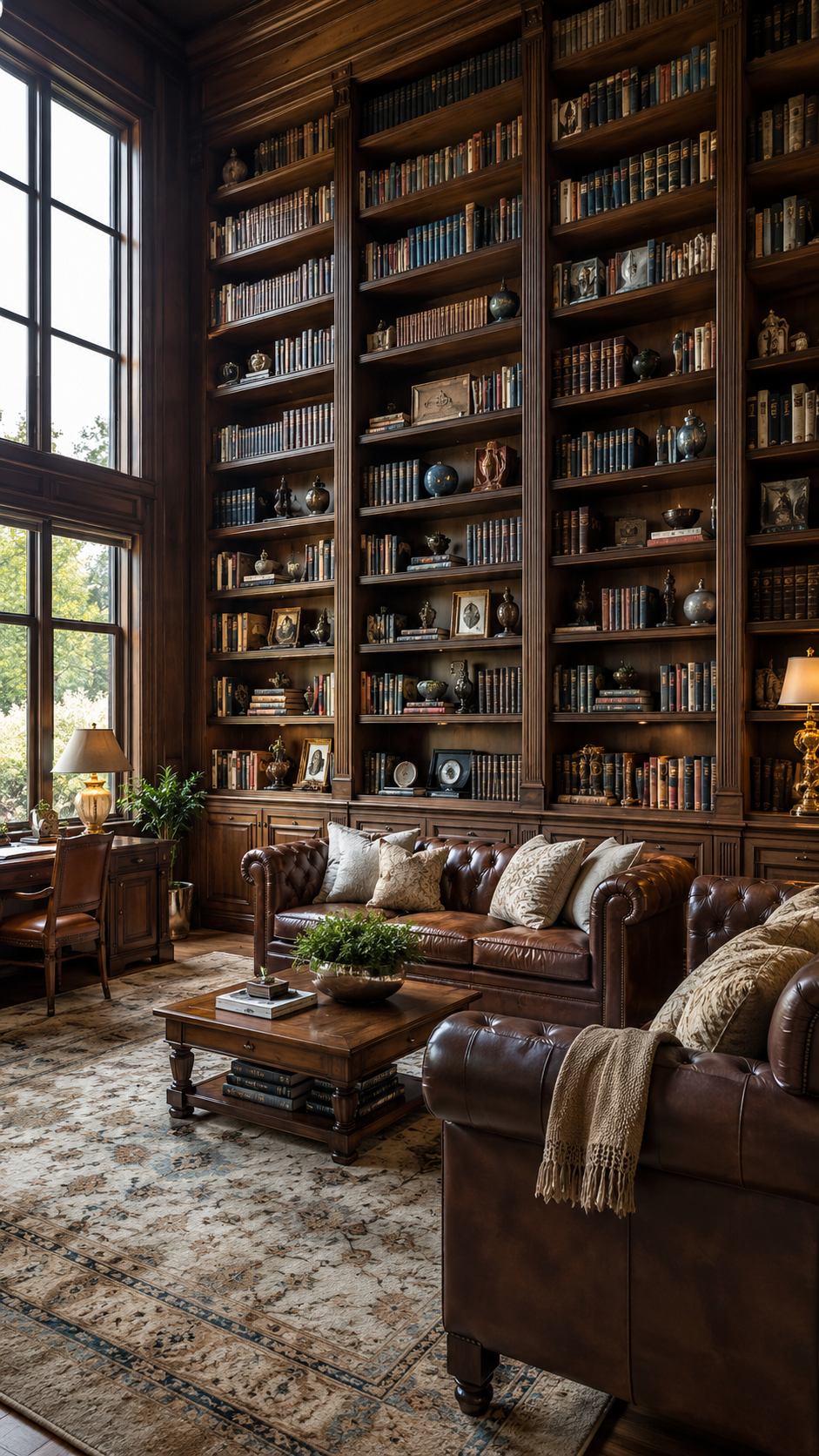
A floor-to-ceiling built-in bookshelf wall is the most traditional and most architecturally satisfying form a home library can take. The shelves use the entire vertical space of the wall, which dramatically increases storage capacity, and the built-in nature of the construction makes the bookshelves read as part of the room itself rather than as added furniture. Custom built-ins can be designed with adjustable shelves to accommodate books of different heights, deeper shelves at the bottom for oversized art and reference books, and even a small cabinet section at the base for storing things that should not be on display. The construction is more involved than buying freestanding bookcases but the visual and practical payoff is significant. A built-in wall genuinely changes the character of the room around it.
2. Single Wall Bookcase
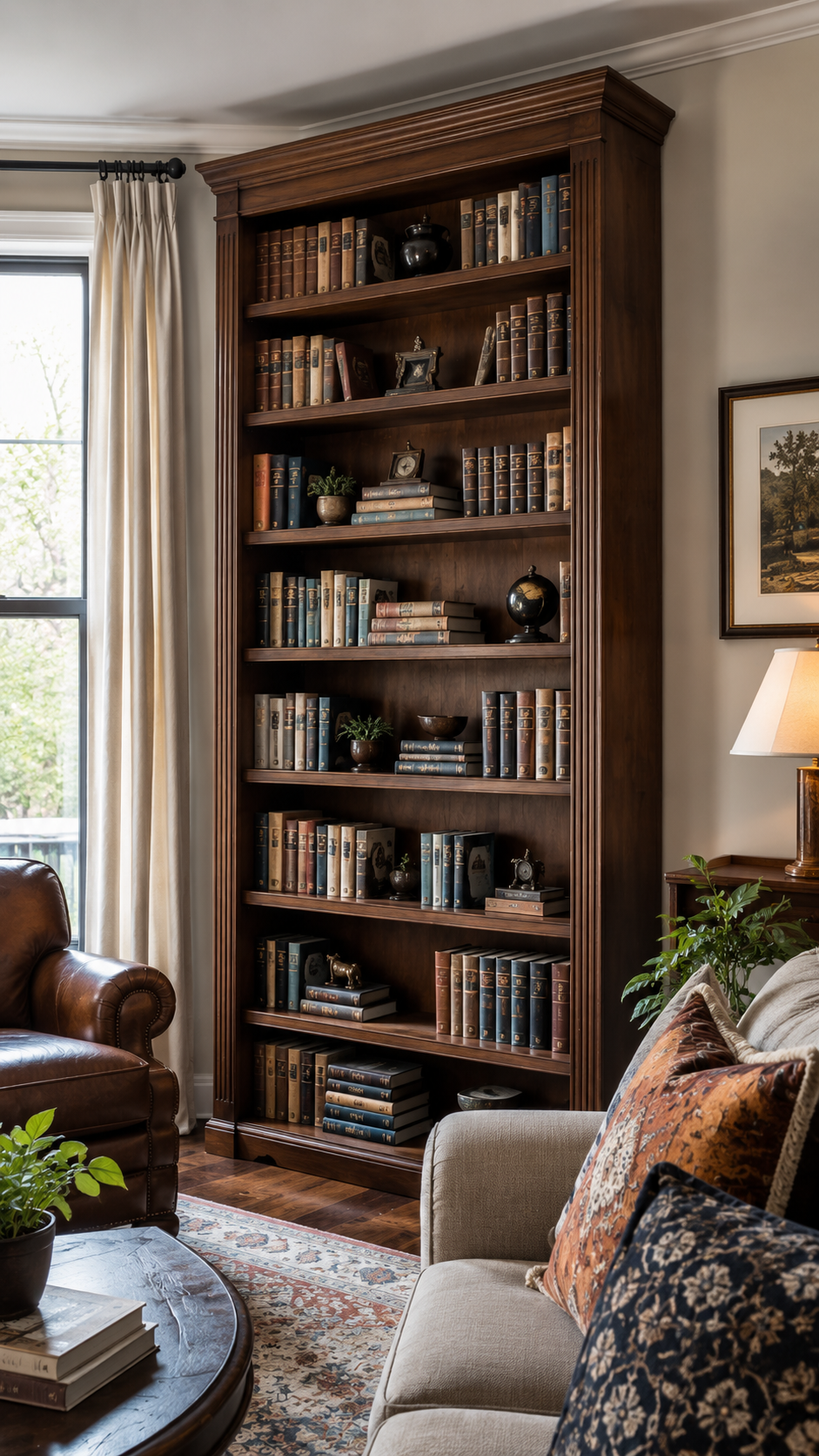
For homes without the budget or layout for built-ins, a single tall freestanding bookcase against one wall achieves much of the same visual effect with significantly less commitment. Look for a bookcase that reaches the ceiling or close to it rather than stopping at a standard shorter height, since the floor-to-ceiling proportion is a large part of what makes a library wall read as a real library rather than as a piece of office furniture. Solid wood bookcases in walnut, oak, or warm-stained pine pair well with most rooms. Anchor the bookcase to the wall for safety and style the top shelf with a small plant, a stack of art books laid flat, or a single sculptural object to soften the otherwise rigid vertical line.
3. Reading Chair Pairing
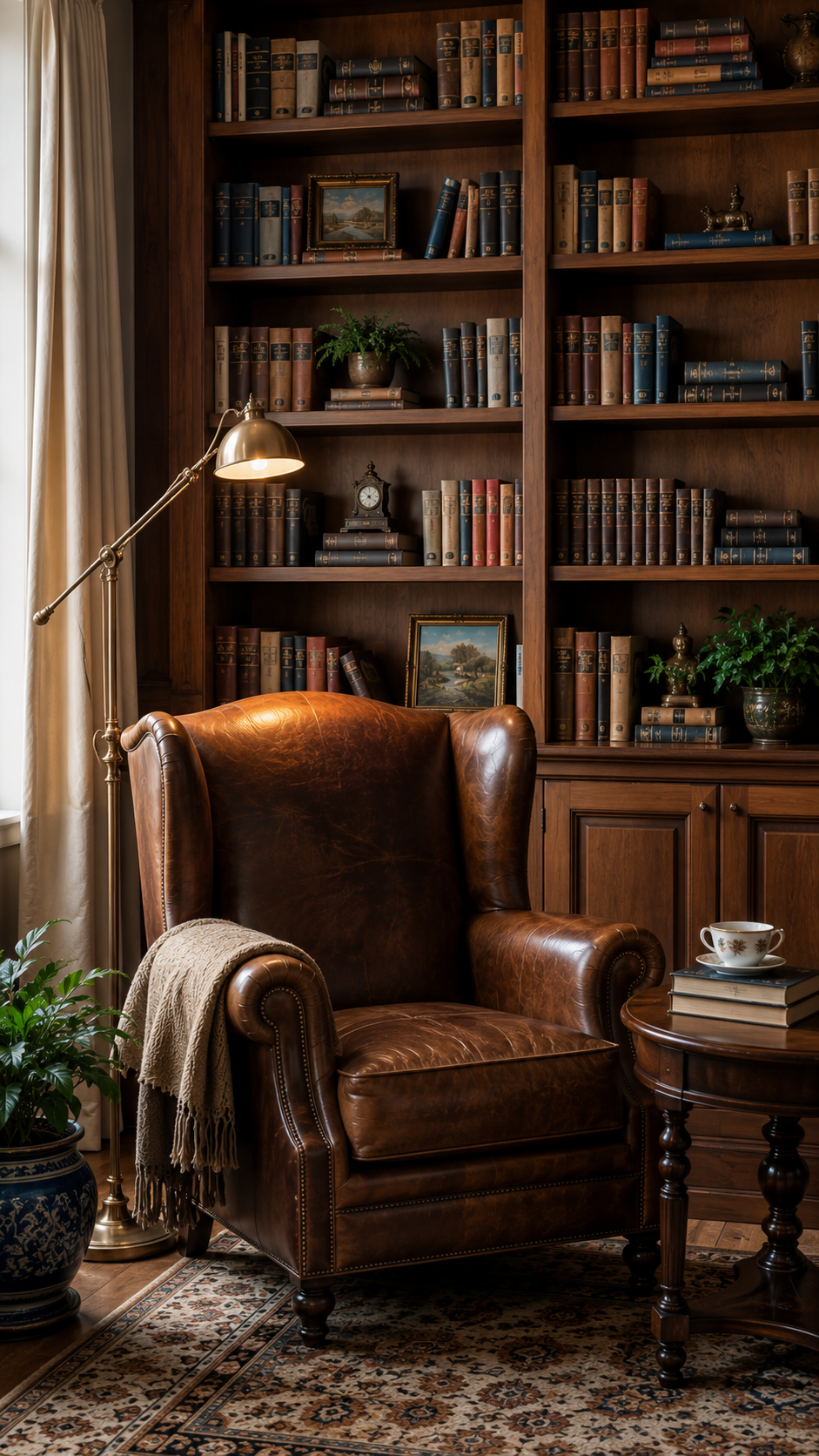
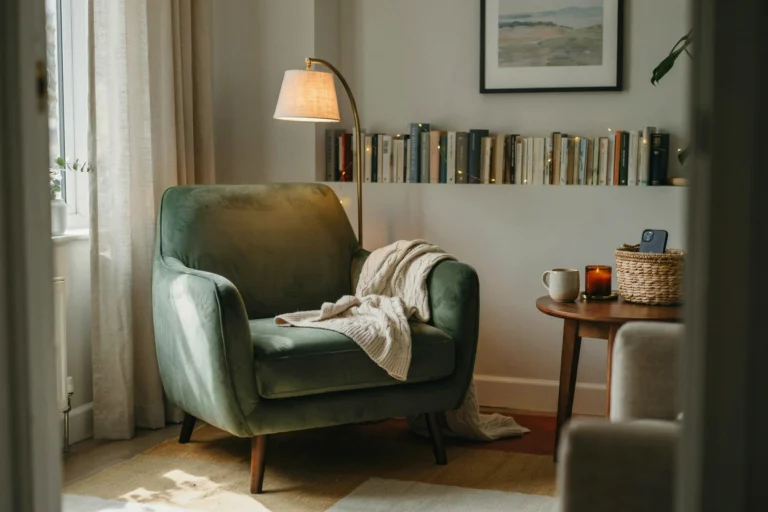
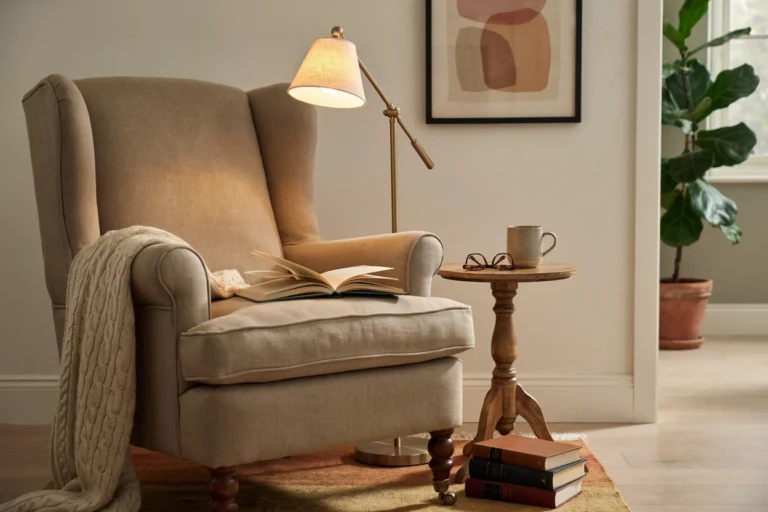
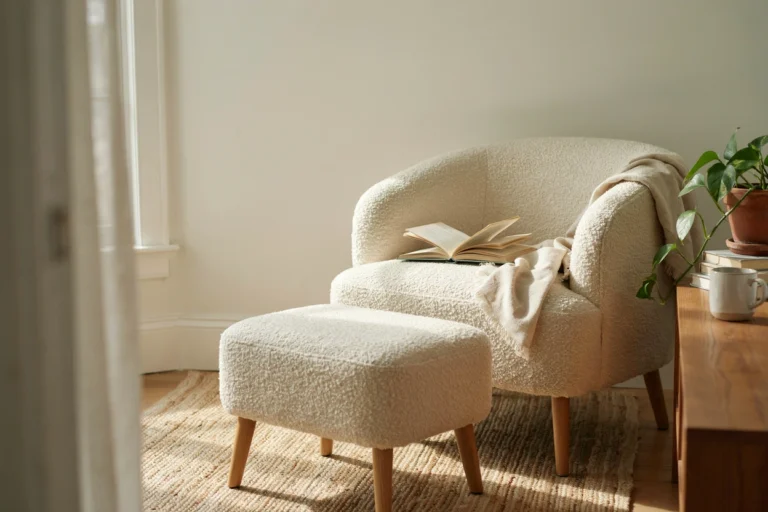
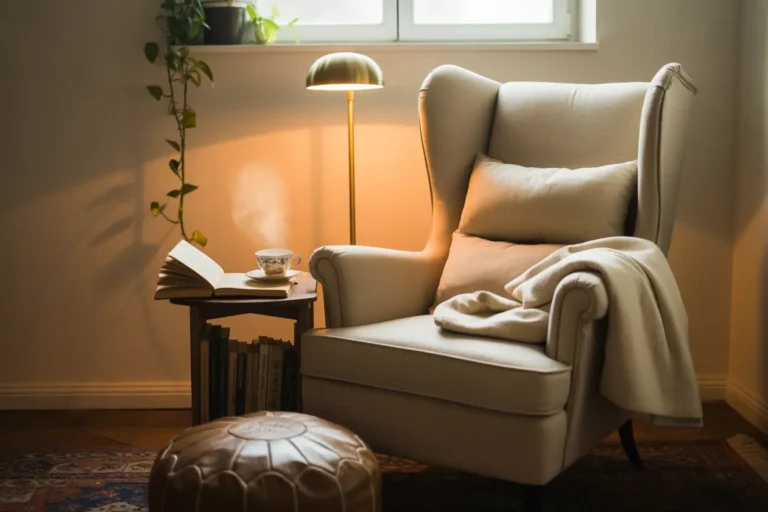
A library is incomplete without a place to actually sit and read. A single comfortable armchair positioned beside or in front of the bookshelf, with a small side table and a floor lamp nearby, transforms the bookshelf from storage into a destination. Choose a chair with real lumbar support and arms wide enough to rest a forearm on while holding a book. Leather, linen, and velvet upholstery in warm neutral tones all suit a library setting. The chair should look genuinely inviting rather than purely decorative. For specific ideas on creating dedicated reading spots that complement a library wall, the 22 reading nook ideas guide covers small-scale setups that can sit beside a single library shelf or in a separate corner.
4. Library Ladder Detail
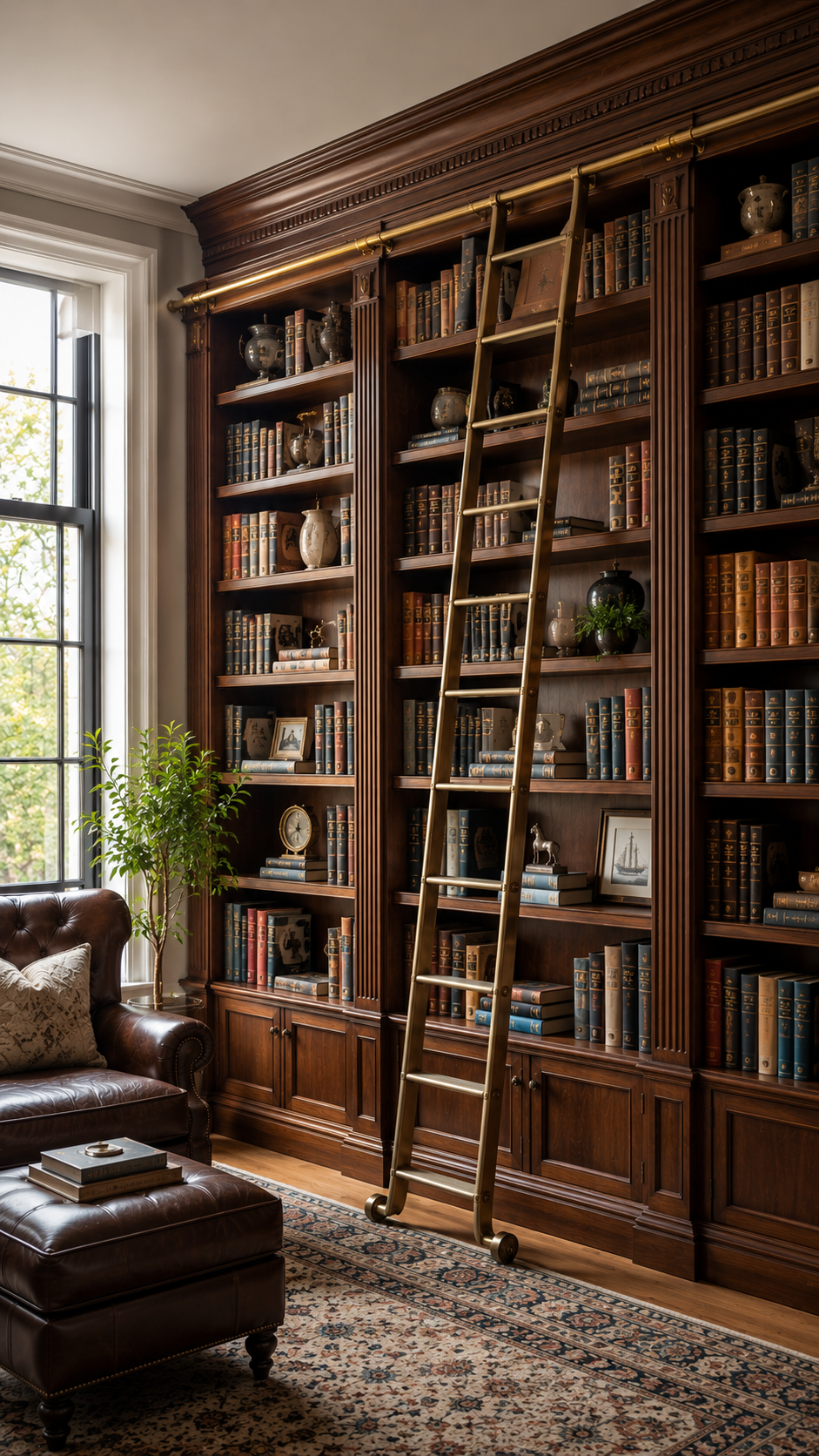
A rolling library ladder mounted on a track along the top of a tall bookshelf wall serves a real practical function while contributing one of the most evocative library details available. Even a single library ladder leaning casually against a tall bookshelf, without a working rail track, adds the visual quality that says serious book collection. Real rolling ladder systems require professional installation and a strong wall mount but are surprisingly affordable for what they add to the room. A non-functional decorative wooden ladder leaned against the shelf is a much cheaper alternative that gives most of the visual impact. Either way, the ladder adds vertical visual interest and a touch of tradition to the library setup.
5. Books by Color Arrangement
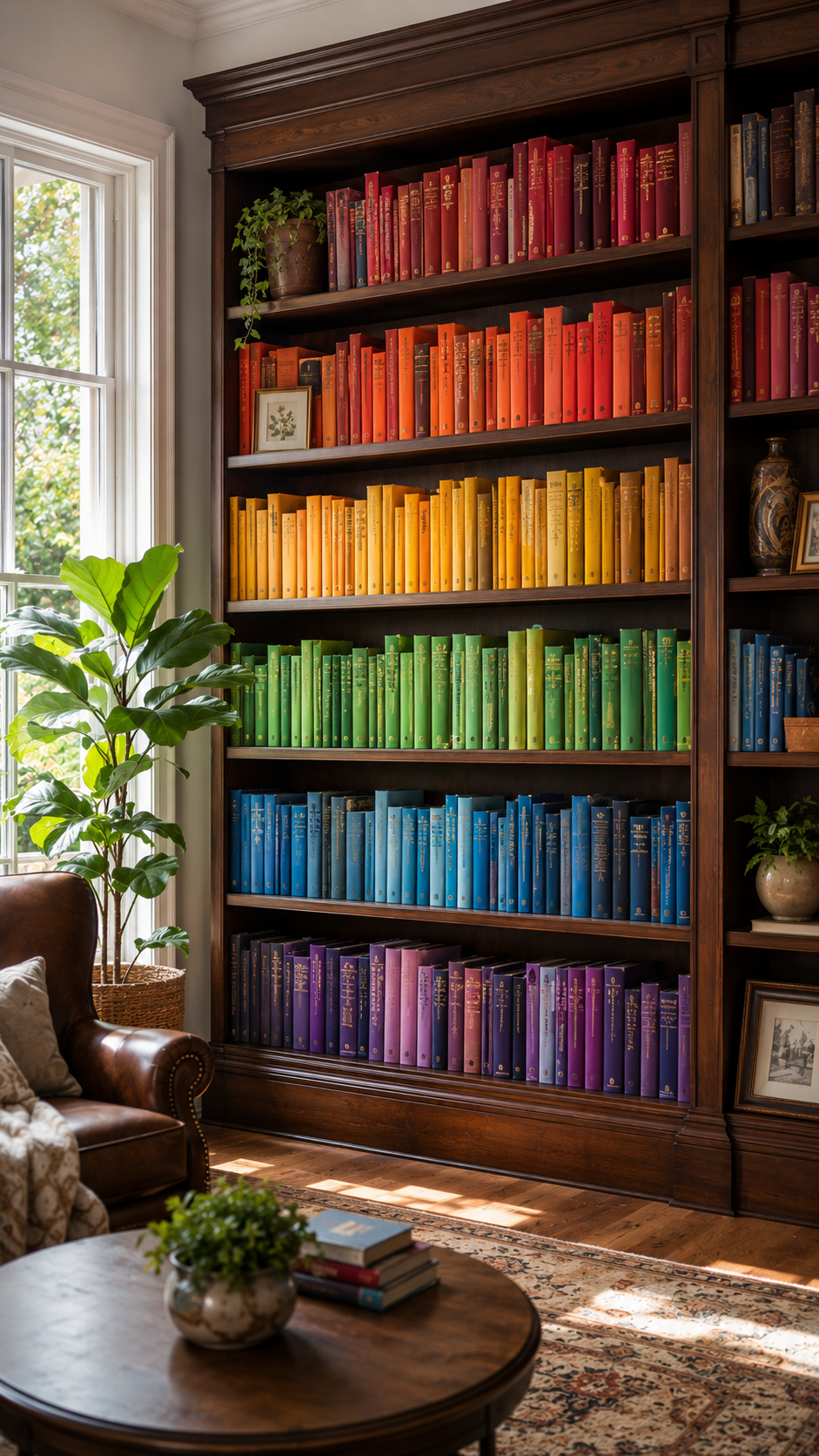
Arranging books by spine color creates a striking visual gradient across the bookshelf that turns the book collection itself into wall art. The shelves become a curated color story rather than a random assortment of titles. Group books by color family and arrange them either as a horizontal gradient across the shelves or as color blocks within each shelf. This approach tends to divide opinion among readers because it sacrifices the practical organization of finding books by subject or author. A useful compromise is arranging by color within each shelf while maintaining some loose categorical organization across shelves. The visual payoff of color arrangement is significant in photographs and in person.
6. Mixed Book Stacking
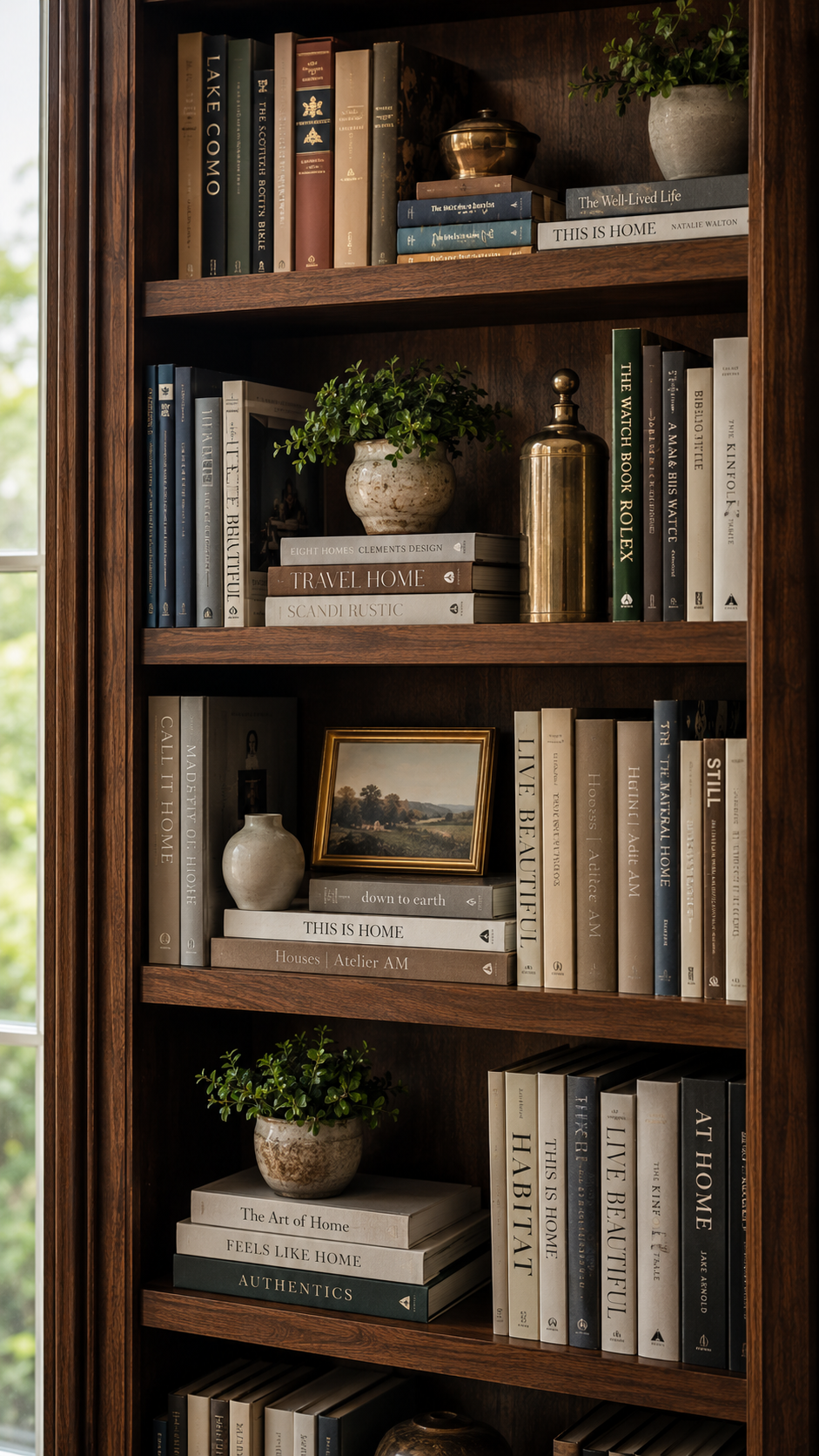
Mixing horizontal book stacks among the standard vertical book arrangement on shelves creates rhythm and visual interest that pure vertical lines cannot achieve. A few horizontal stacks of three to five books, with a small object on top, breaks up the rigid line of vertical spines and creates small staging moments throughout the bookshelf. Use horizontal stacks to display larger or more beautiful books that you want to call attention to, and as platforms for small decorative objects: a ceramic, a small plant, a framed photo, or a sculptural piece. The combination of vertical books, horizontal stacks, and small objects between them creates the layered, lived-in quality that distinguishes a real personal library from a uniform retail bookstore display.
7. Warm Library Lighting
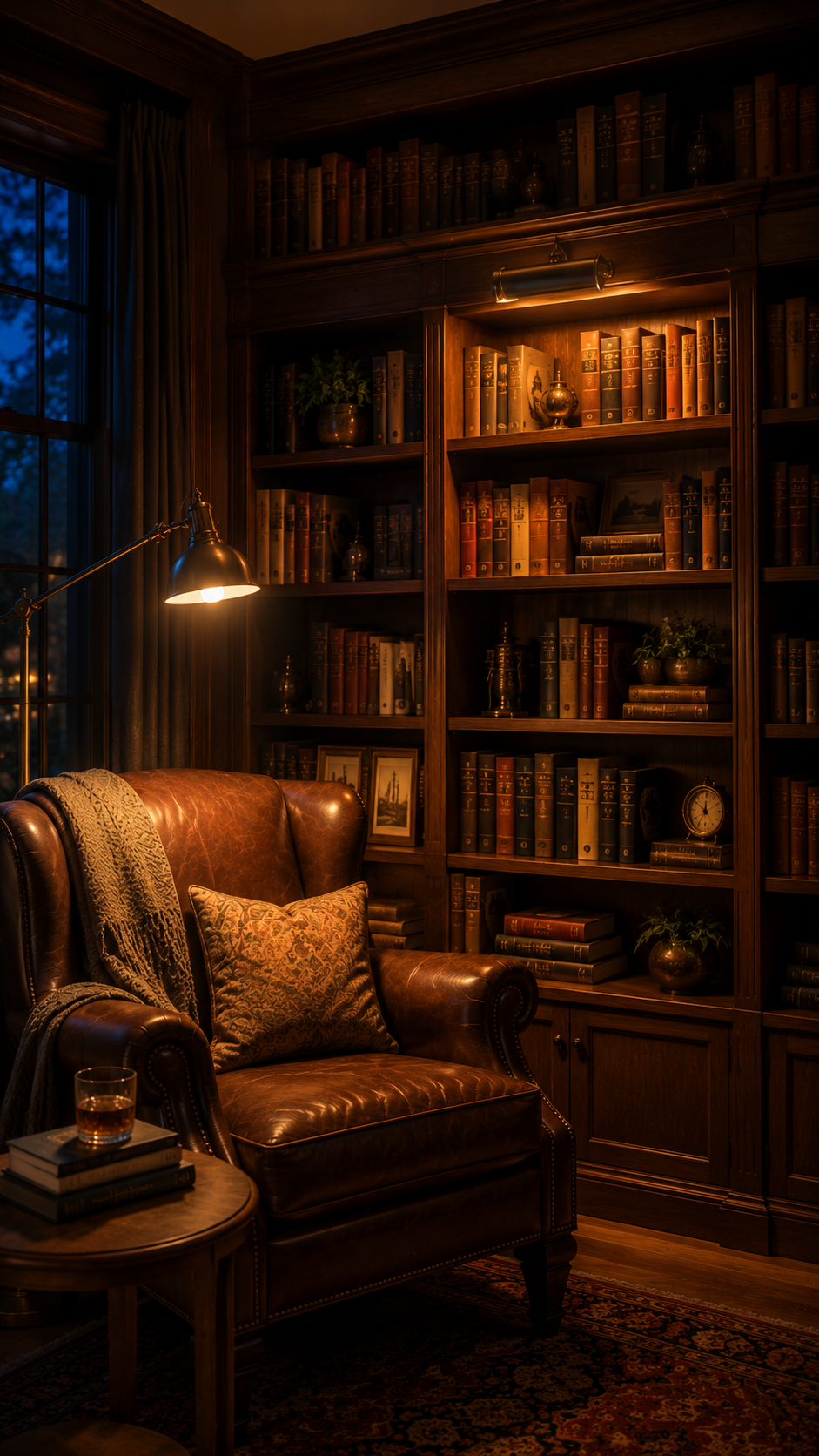
Library lighting needs to do two distinct things at once: provide enough task light for actual reading without harsh glare, and create the warm atmospheric quality that makes the library feel like a destination rather than a storage room. A combination of overhead ambient light on a dimmer, a focused reading lamp beside the chair, and small picture lights or shelf lights illuminating specific bookshelf sections provides all three layers. Use warm-toned LEDs in the 2700K range for everything except the dedicated reading task light, which can be slightly cooler at 3000K to 3500K for clearer text rendering. The cumulative effect of layered warm lighting is a library that draws people in rather than one that simply illuminates the books evenly.
8. Hidden Door Bookshelf

A hidden door integrated into the bookshelf wall, where a section of shelving doubles as a door to a closet, a small office, or another room, is one of the most charming details a home library can incorporate. The door operates with a hidden latch and looks identical to the surrounding shelves when closed. Real books on the door section make the disguise convincing. This is a custom carpentry project that requires careful planning during construction or renovation, but the result delivers a small daily moment of delight every time the door is used. Even just a single bookshelf section that swings on hidden hinges creates this effect at smaller scale and adds an element of architectural surprise to the room.
9. Window Seat Library
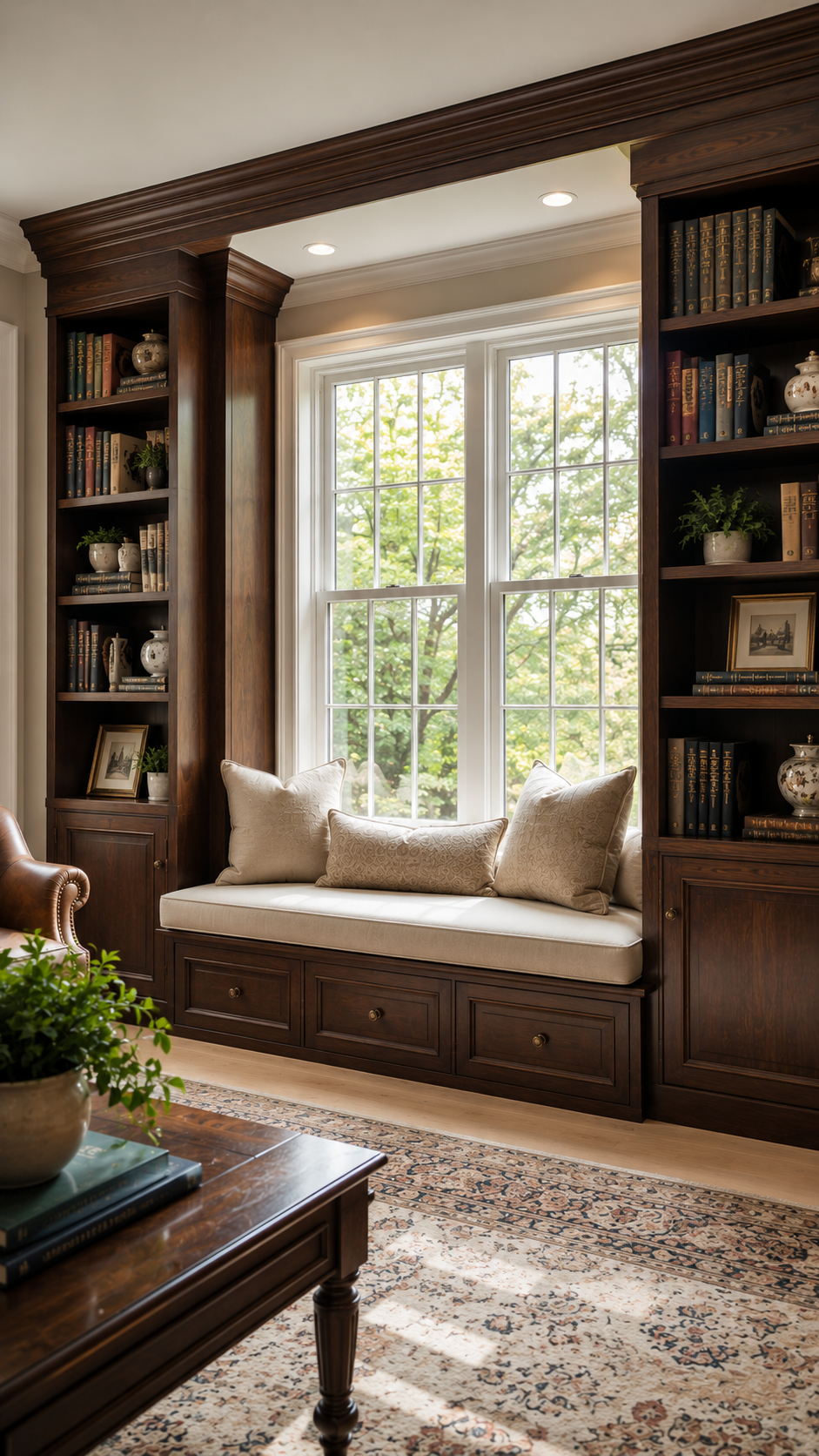
A built-in window seat with bookshelves on either side creates a complete library nook around a window, combining seating, storage, and natural reading light in one architectural moment. The window seat itself becomes the dedicated reading spot, with cushions and pillows making it genuinely comfortable for long sitting. The flanking bookshelves keep the reading material immediately accessible. The window provides natural light during the day. This setup works particularly well in alcoves, under sloped ceilings, or in any awkward bay or corner that would otherwise be difficult to use. The combination of features makes the window seat library one of the most efficient uses of complex residential spaces available.
10. Library Sliding Ladder
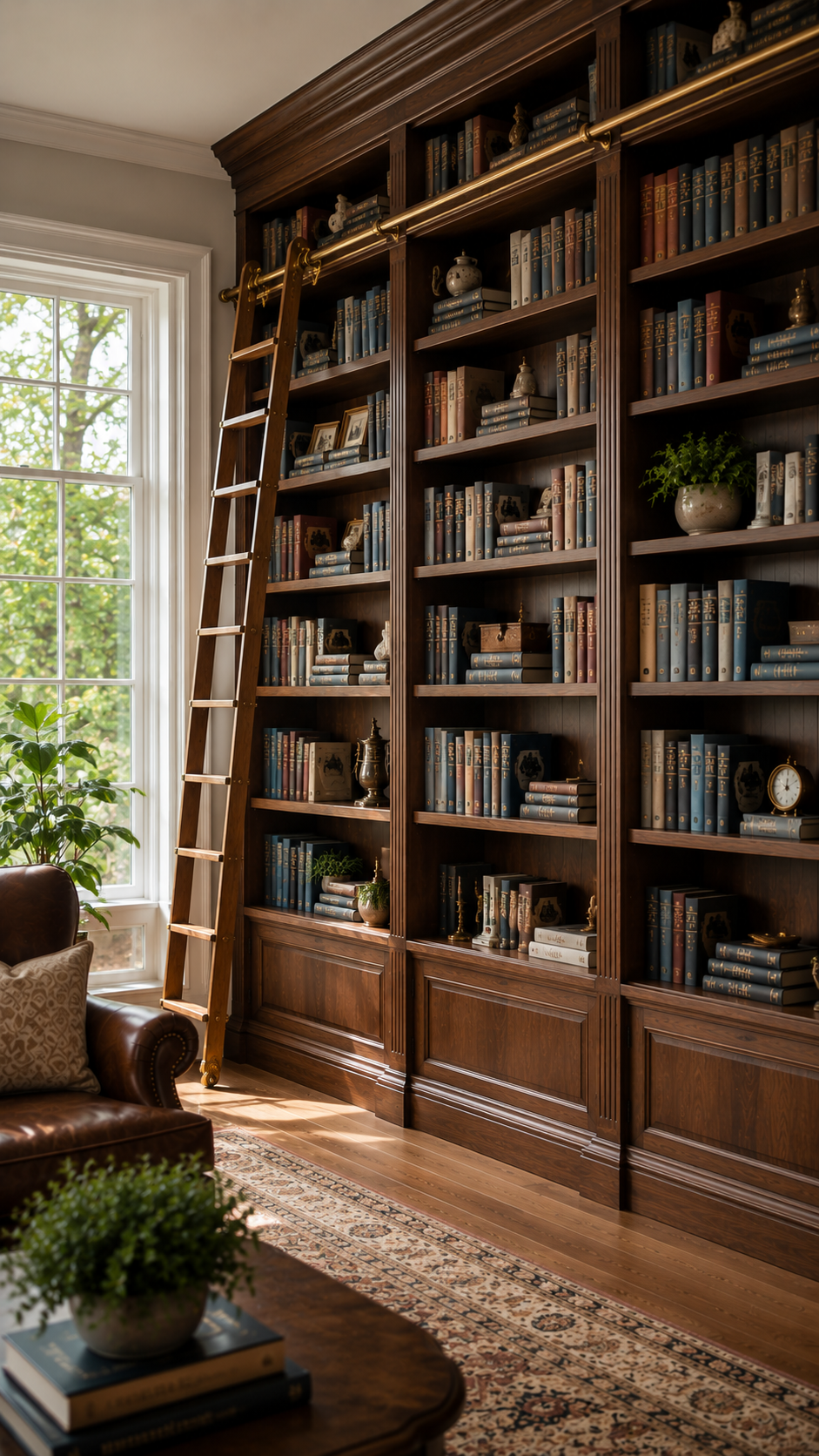
For libraries with shelves that genuinely reach to ceiling height, a working sliding ladder mounted on a brass or matte black track is both highly functional and visually beautiful. The track runs along the top of the shelf wall and the ladder rolls along it on small wheels, providing access to the highest shelves while not requiring permanent floor space when not in use. A real working ladder system costs more than a decorative leaning ladder but the function justifies the investment in any library where the upper shelves are genuinely used. The ladder rolls neatly to one end of the wall when not in use and effectively disappears against the bookshelf.
11. Curated Object Display
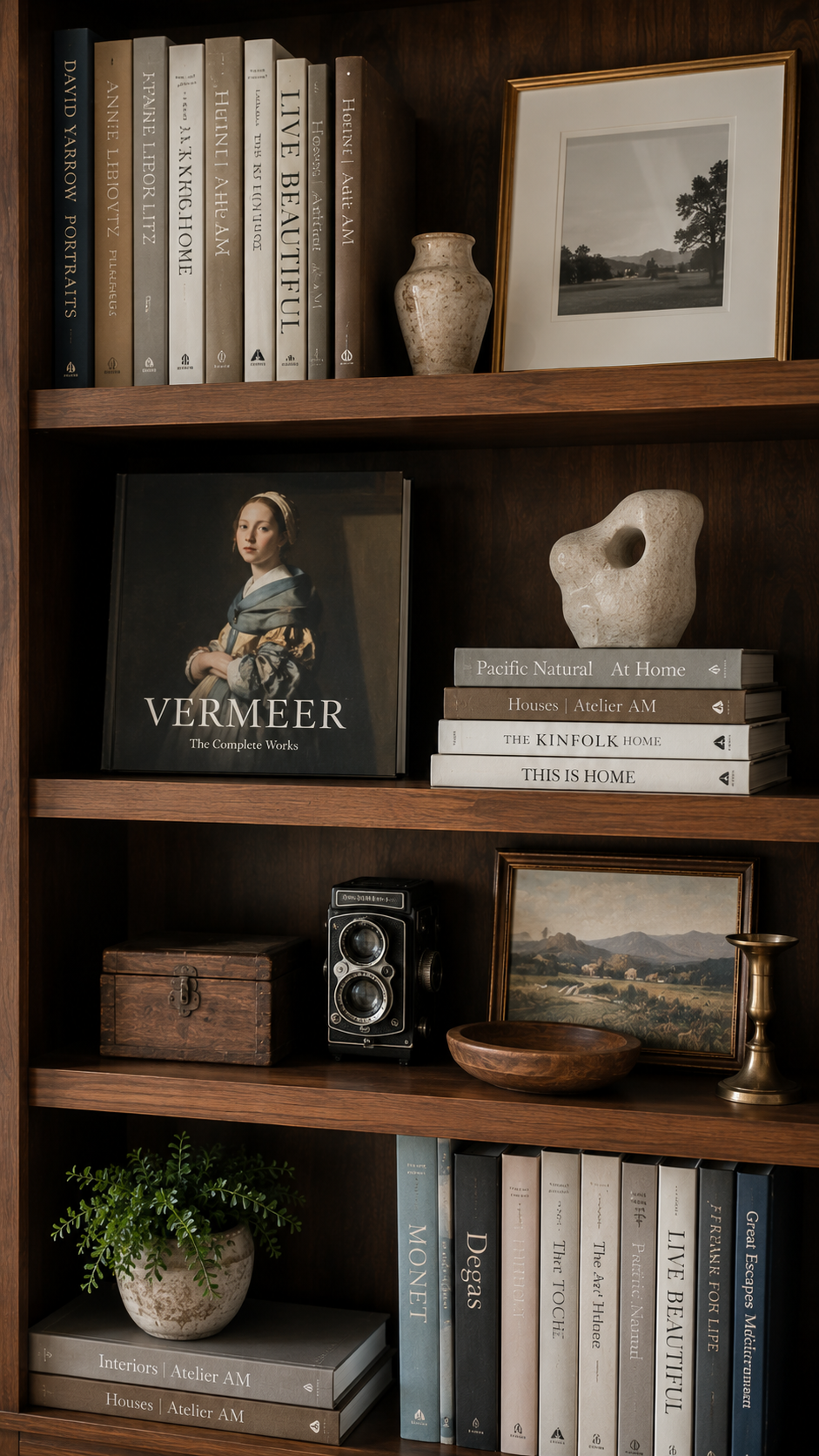
The shelves of a home library should not hold only books. Mixing in a curated selection of objects, framed photographs, small ceramics, sculptural pieces, vintage objects, art books displayed face-out, plants, and personal mementos, transforms the bookshelf from book storage into a personal museum of the things and ideas that matter to you. Limit the non-book objects so they remain accent pieces rather than dominating the shelves. Roughly one significant object per shelf is a useful starting ratio. The combination of books and meaningful objects creates the lived-in quality that makes a library feel like the room of a specific person rather than a generic display.
12. Library Floor Lamp
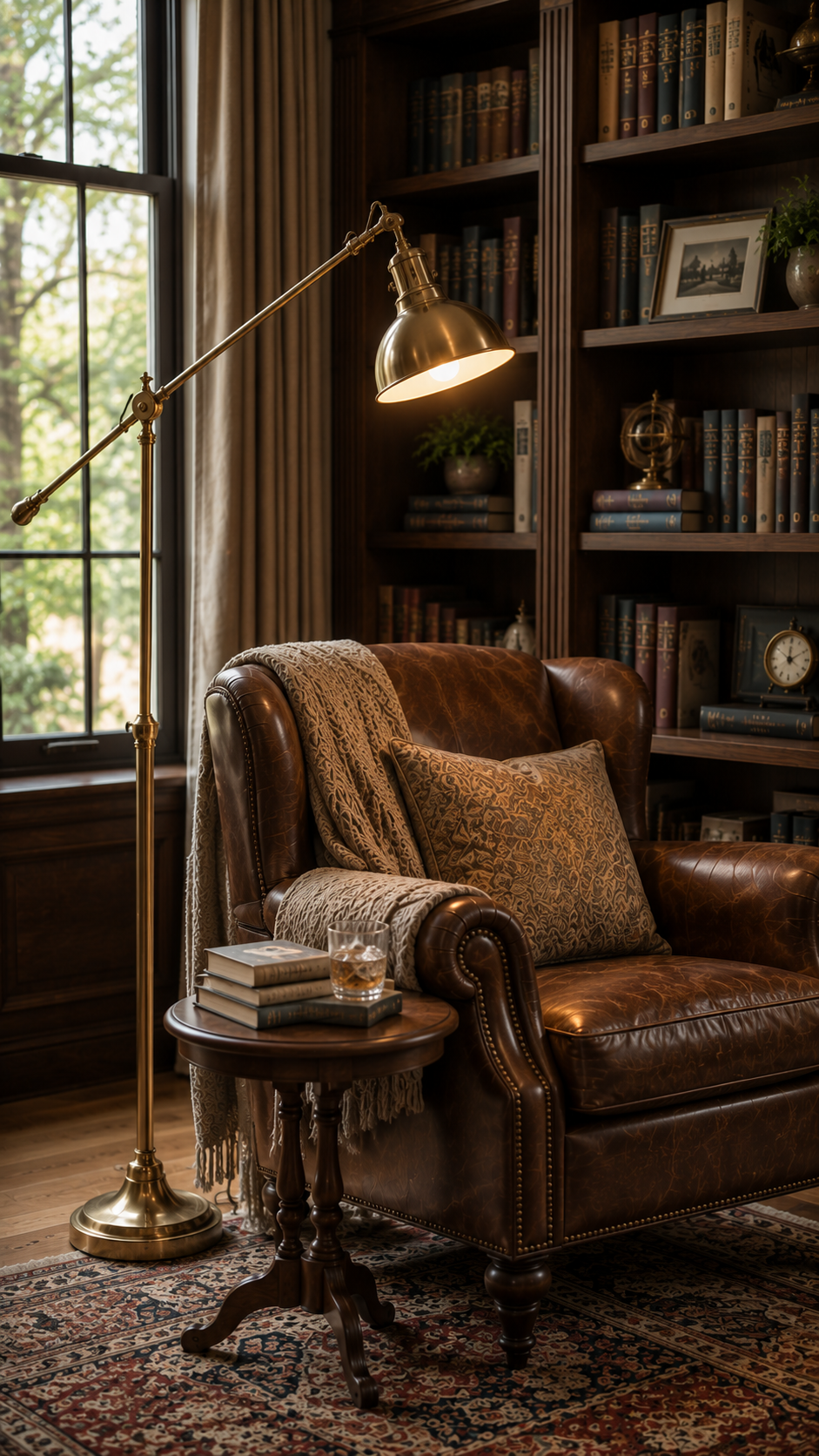
A tall floor lamp positioned beside the reading chair provides focused task lighting for actual reading and serves as a sculptural object in the library between reading sessions. Choose a lamp with an adjustable arm or shade that can be aimed precisely at the book in your lap, and a warm-toned bulb that throws light onto the page without creating glare on the surrounding pages. Brass, aged bronze, and matte black are all classic library floor lamp finishes. The lamp should sit close to the reading chair on the side opposite the dominant hand so the light comes over the shoulder rather than into the eyes. A library without a proper floor lamp tends to read as decorative rather than functional.
13. Faux Library Wall
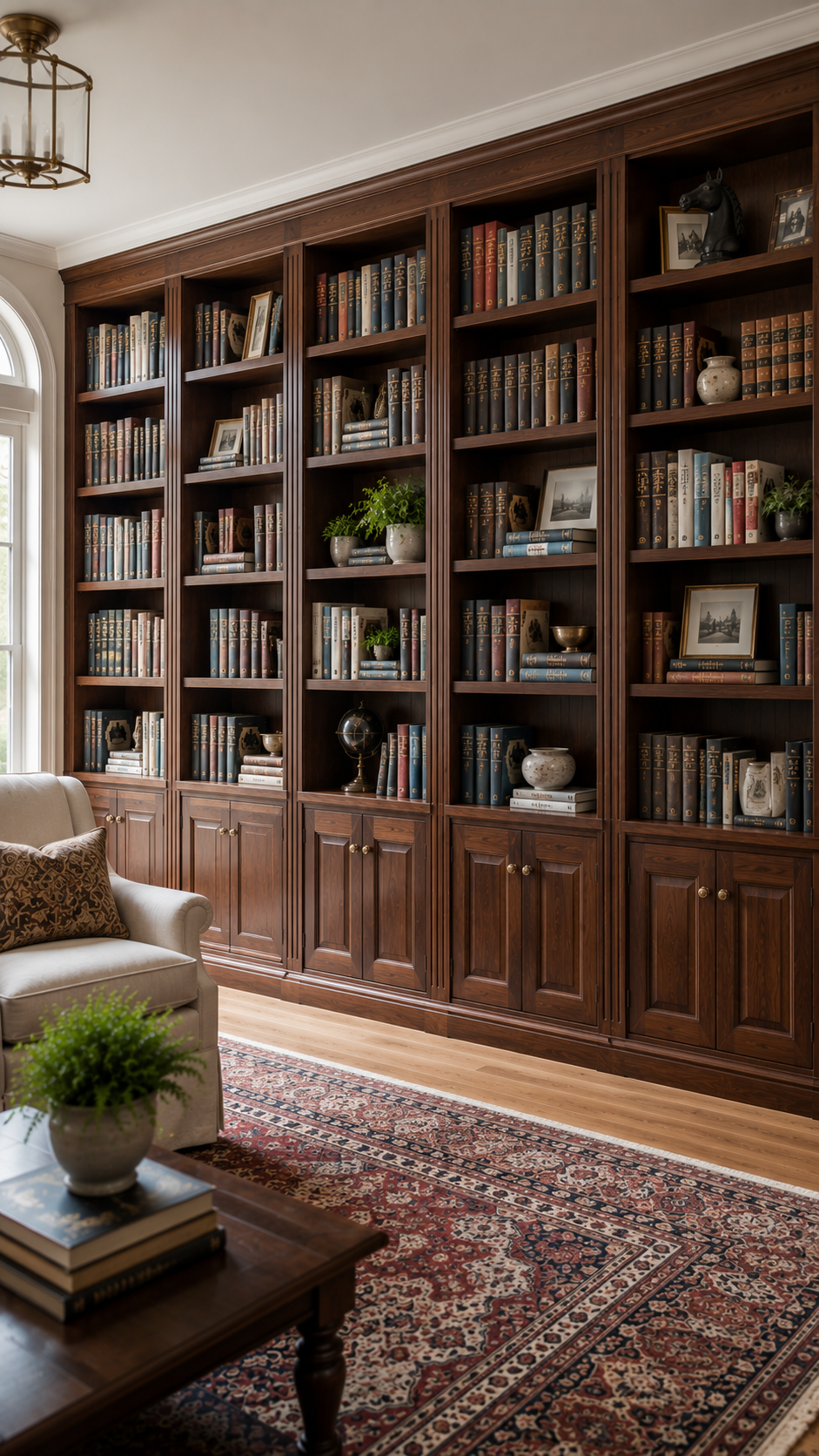
For renters or homeowners who cannot install built-ins, a freestanding wall of identical or coordinating bookcases lined up across an entire wall achieves much of the visual effect at a fraction of the commitment. Use four or five tall bookcases of the same height and finish, lined up tightly against each other along one wall, to create the impression of a continuous library wall. Anchor each bookcase to the wall for safety. The slight visible seams between the units read as panel divisions in built-in cabinetry rather than as separate pieces of furniture, especially when the books and styling are coordinated across the entire wall.
14. Small Hallway Library
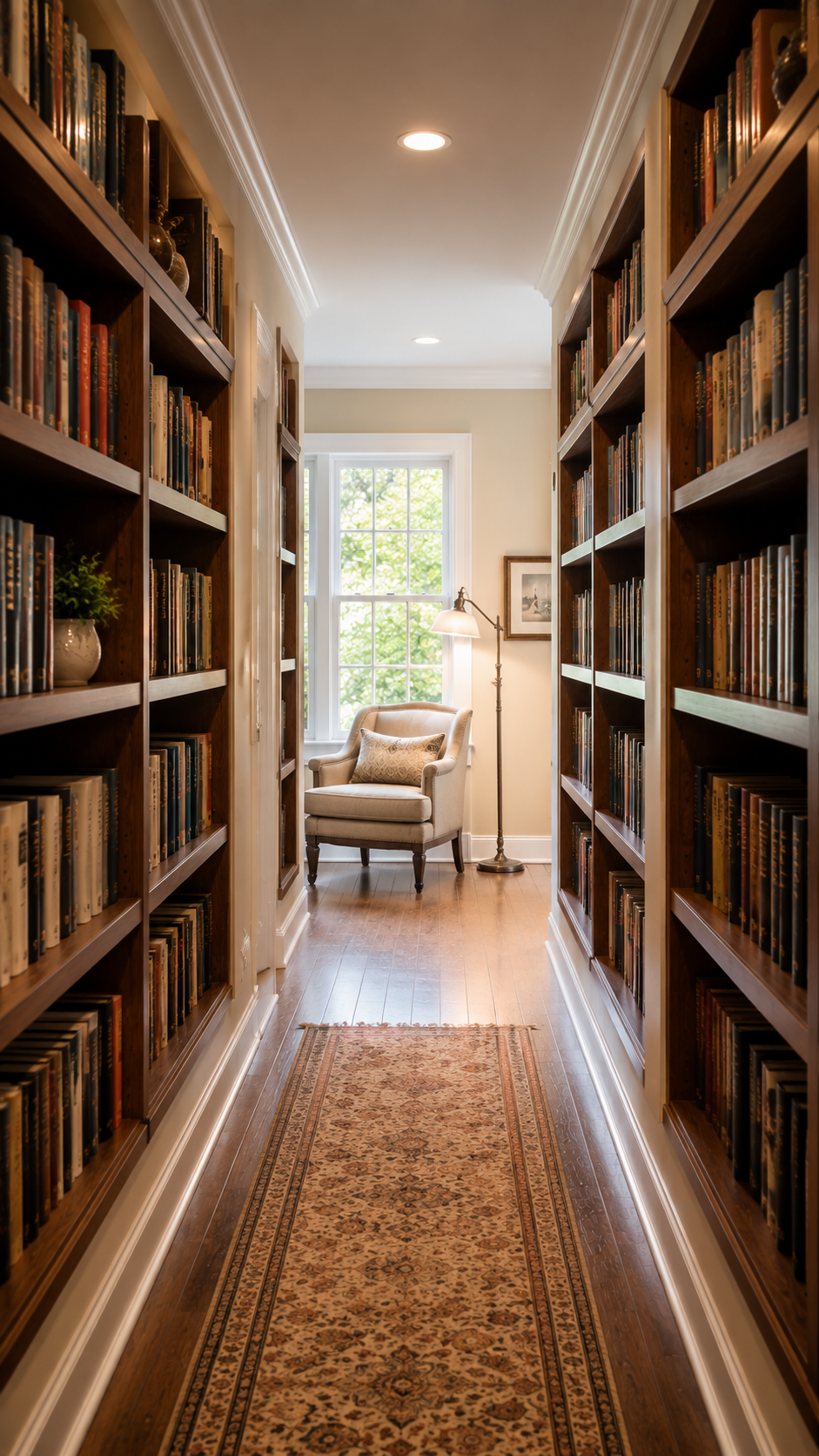
A long hallway is one of the most underused spaces in many homes and converts beautifully into a small linear library. Shallow bookshelves, six to eight inches deep, mounted along one or both walls of a hallway hold a substantial book collection without making the hallway feel cramped, since the shelf depth is roughly equal to the depth of a standard paperback book. The hallway library is visited every time someone walks through and provides a small daily moment of book interaction. Add a single small reading chair at one end of the hallway, with a floor lamp beside it, to give the hallway library a destination point as well as a transit function.
15. Library Rug Layering
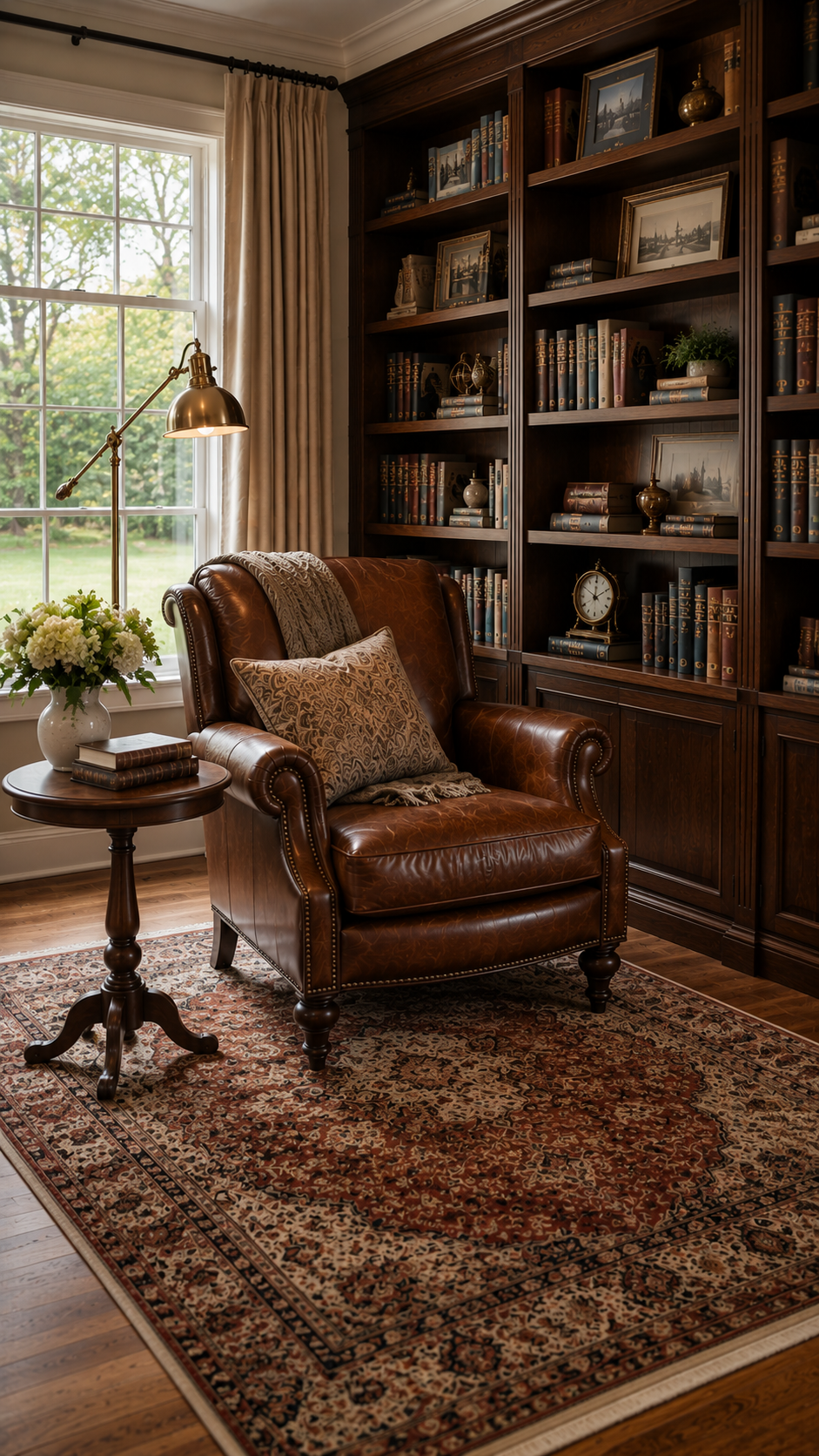
A library room or area benefits from a substantial rug under the seating zone that defines the reading area as a specific destination within the larger room. Choose a rug in a warm neutral or a pattern that complements the bookshelf wood tones rather than competing with them. Persian rugs, antique-style wool rugs, and simple natural fiber rugs all work depending on the library aesthetic. The rug should be large enough that the front legs of the reading chair sit on it, which anchors the chair to the rug visually and creates a complete reading zone rather than a chair floating on a bare floor.
16. Built-In Reading Bench
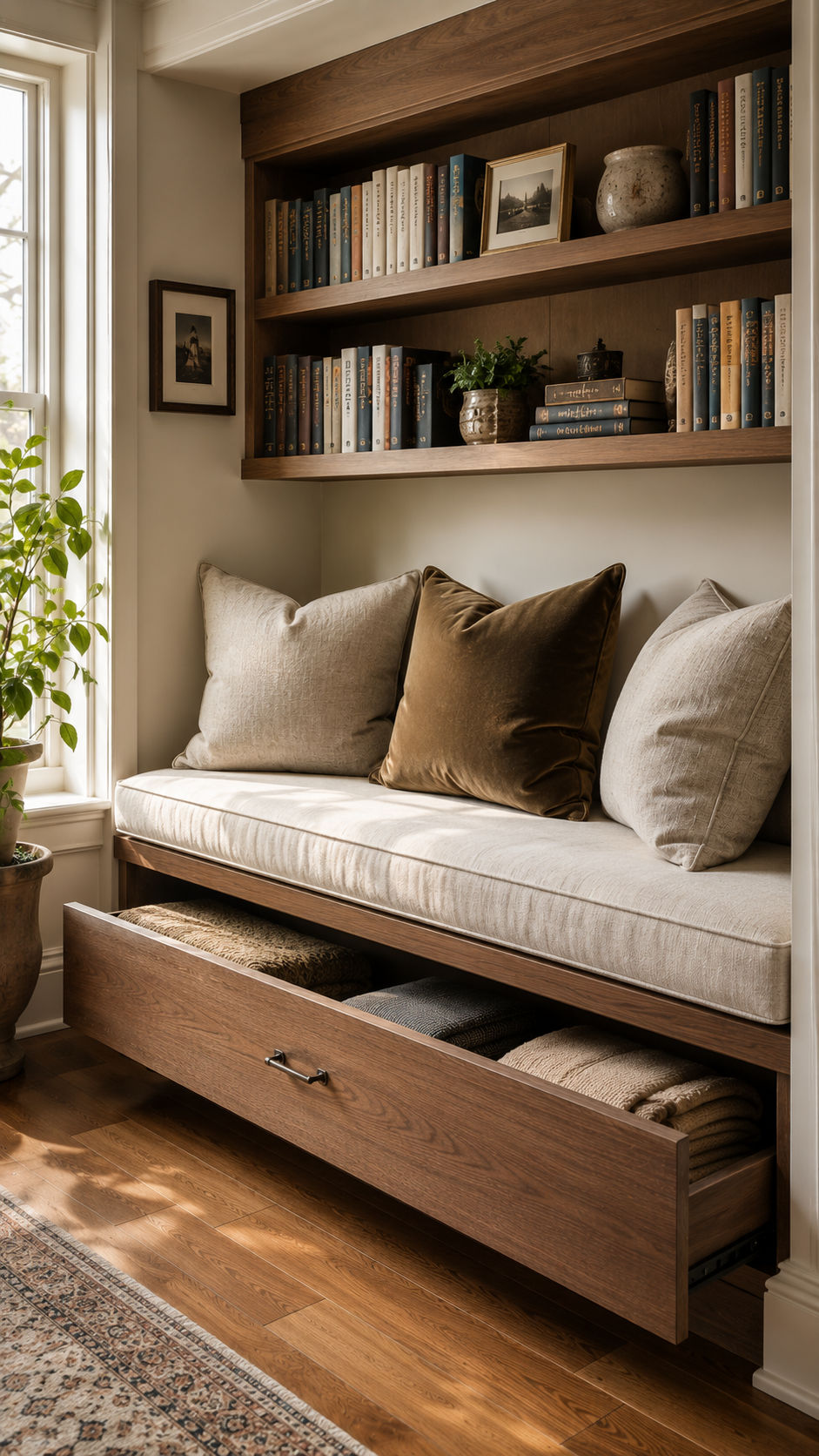
A built-in bench set into a wall recess, with bookshelves above and storage below, creates a complete reading destination in a relatively small footprint. The bench itself is upholstered with a long cushion and a few throw pillows for comfortable reading. The shelves above hold both reading material and decorative objects. The storage below the bench, often hidden behind hinged seat tops, holds blankets, magazines, or other items that should not be on display. This kind of built-in bench library works particularly well in bay windows, alcoves, or any wall recess deep enough to accommodate a seat.
17. Vintage Book Collection
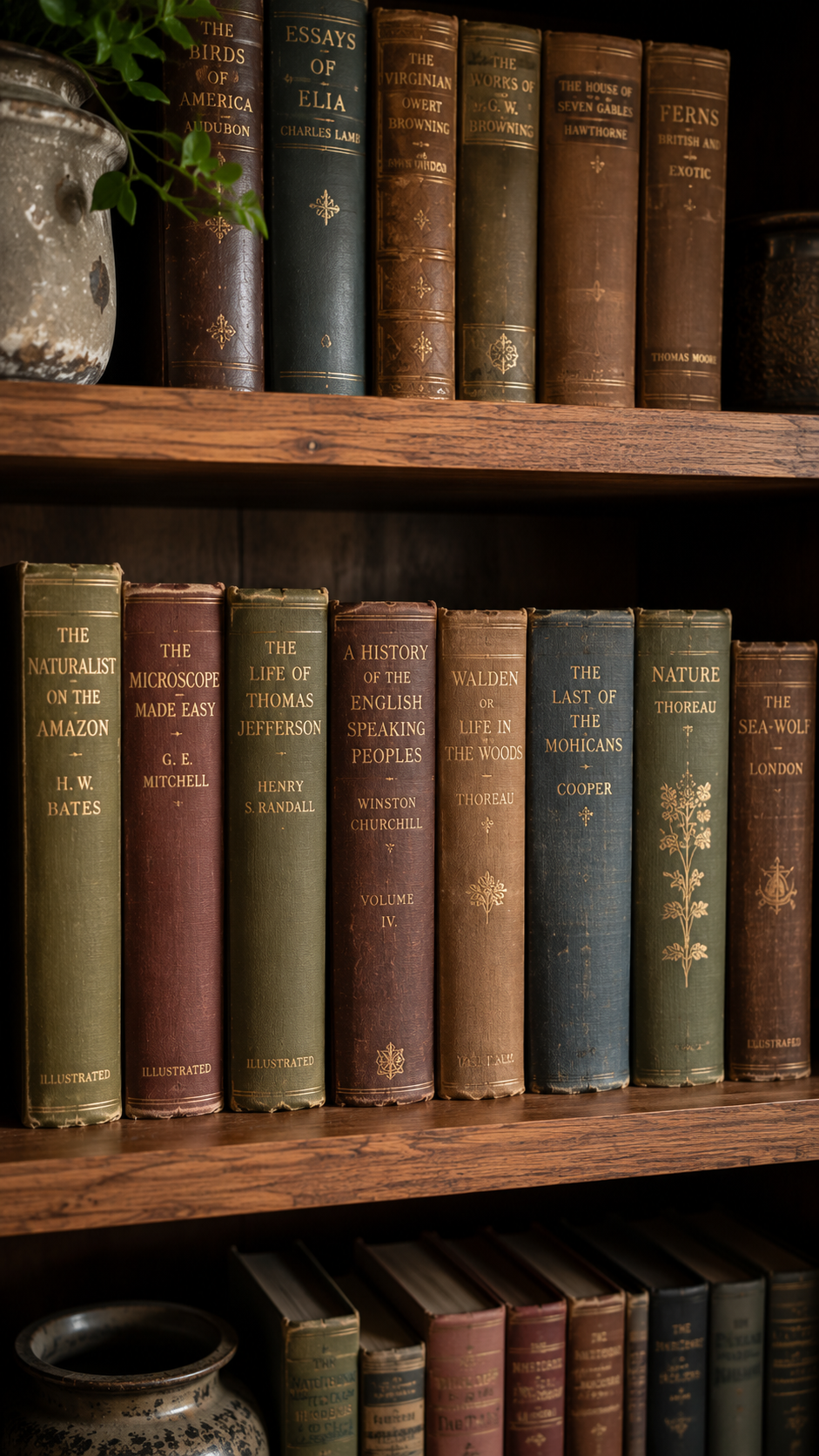
A collection of vintage hardcover books with cloth or leather covers and faded gold spine stamping creates a warm aged quality on the shelves that new books cannot match. Vintage books are widely available at secondhand bookstores, estate sales, and thrift shops for very modest prices, and a collection accumulates quickly. The aged colors of vintage book spines, faded reds, olive greens, dusty blues, and worn browns, create a natural color palette across the shelves that reads as genuinely curated and historic. Mix vintage books among newer ones for the most personal combination of old and current reading material.
18. Library Small Bar Cart
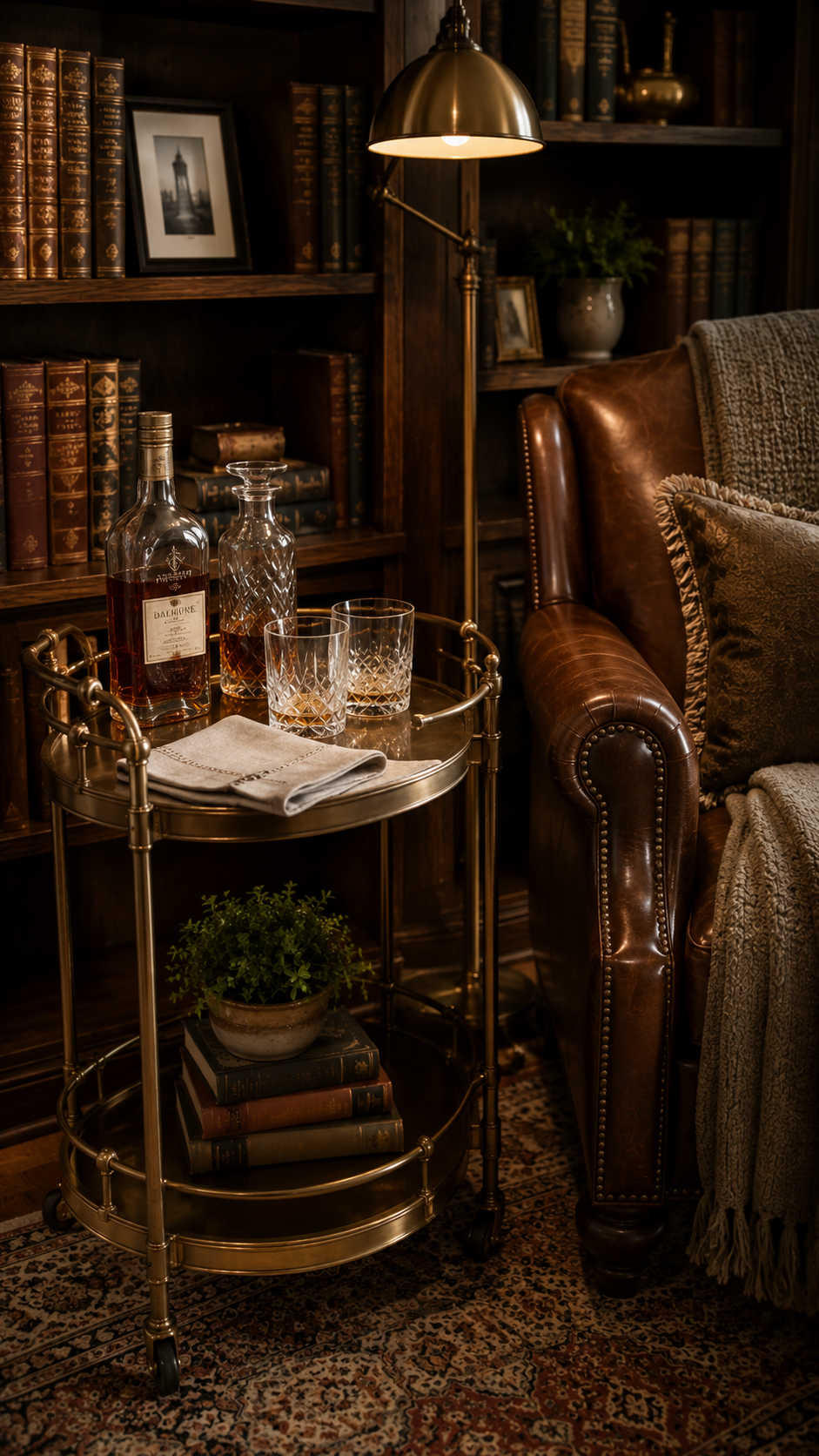
A small bar cart positioned in the library, holding a single bottle of something good, two glasses, and a small carafe of water, completes the library as a destination room where reading is a deliberate evening ritual rather than a quick task. The bar cart connects the library to the same warm hospitality principles that make other rooms in the home feel inviting. The same approach to layered detail and considered styling that works in warm and inviting home bar setups applies equally to a library bar cart. Keep it simple: one or two bottles, a few glasses, a small tray to organize the surface, and one decorative element.
19. Library Window Treatment
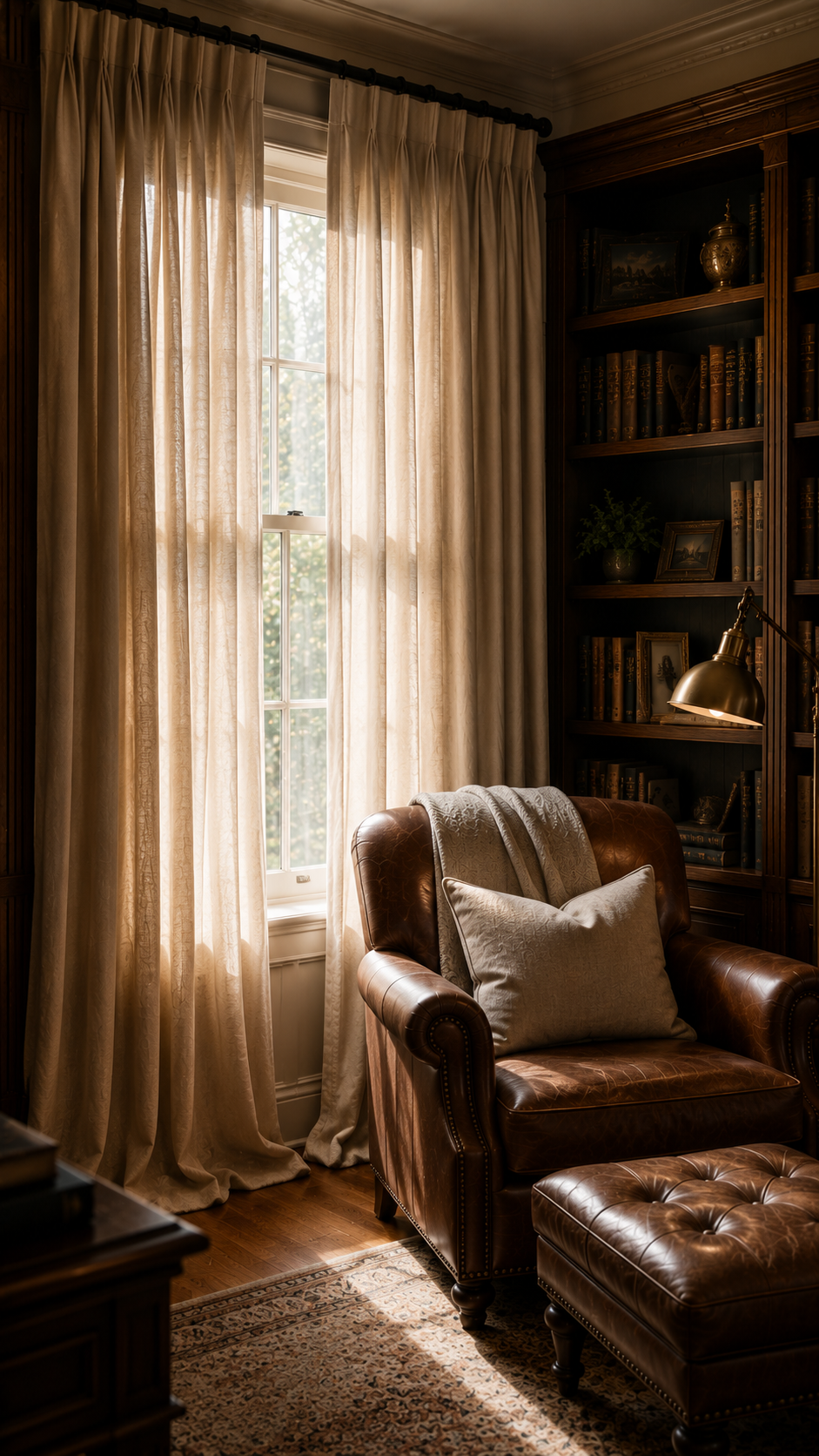
Heavy curtains in a warm fabric, linen, velvet, or a natural cotton in a substantial weight, frame the library windows and add a soft textile counterbalance to the hard surfaces of the bookshelves. The curtains also serve a practical function: they reduce glare on books and screens during bright daylight and provide blackout when needed for evening reading. Choose curtains that pool slightly on the floor for the most luxurious effect. Avoid sheer or thin curtains in the library, which lack the substance to balance the visual weight of the bookshelf wall and tend to look out of place in a serious reading room.
20. Wood Tone Continuity
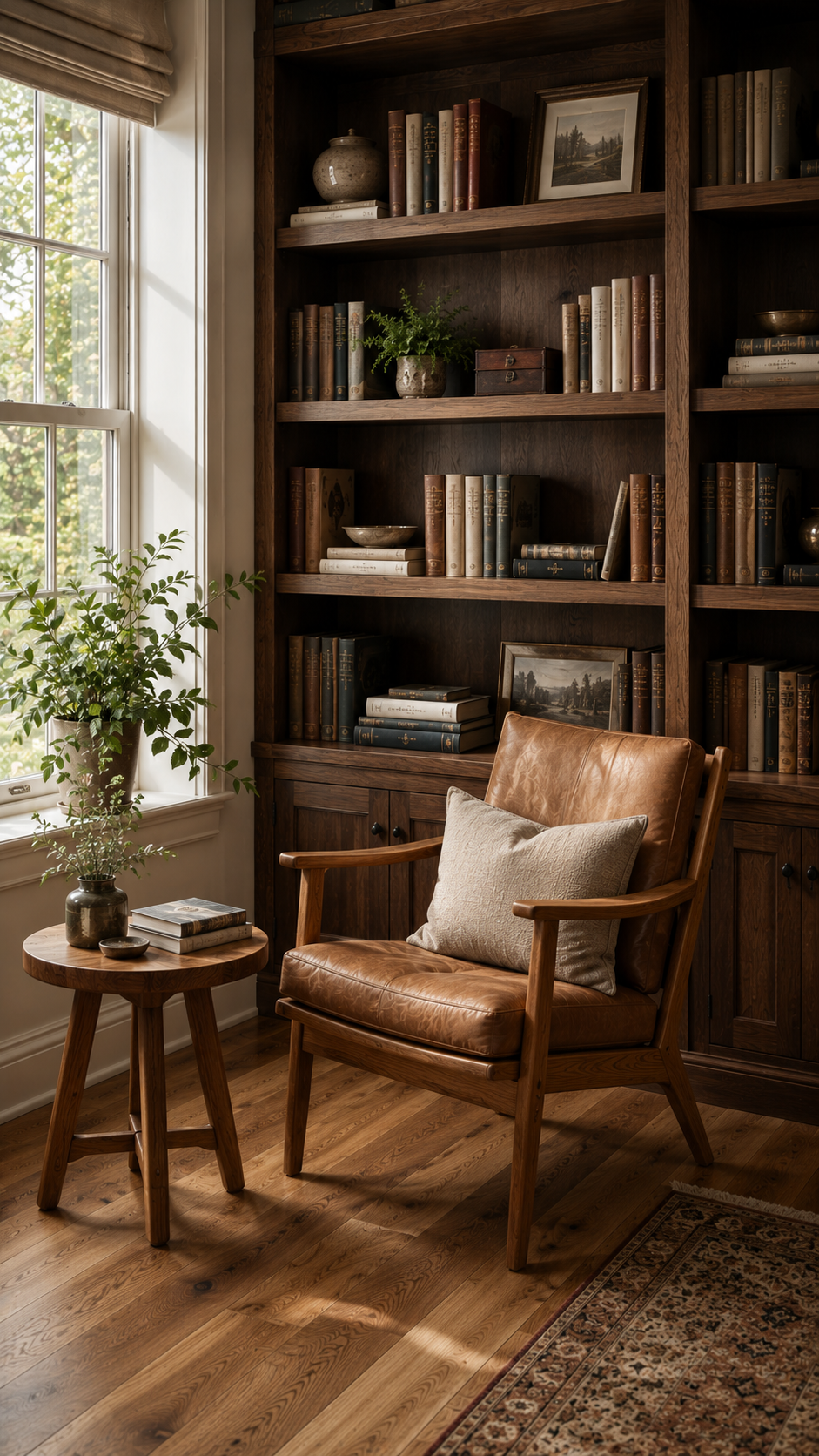
The wood tones of the bookshelves, the floor, the side tables, and any other wooden elements in the library should relate to each other in a coordinated palette. This does not mean everything must match perfectly. A library can include walnut shelves, an oak floor, a teak side table, and a pine reading chair, as long as the wood tones share warmth and depth rather than including jarring orange-toned pine alongside cool gray-toned wood. The cumulative effect of coordinated wood tones is a library that reads as integrated and intentional rather than assembled from random sources.
21. Personal Library Touch
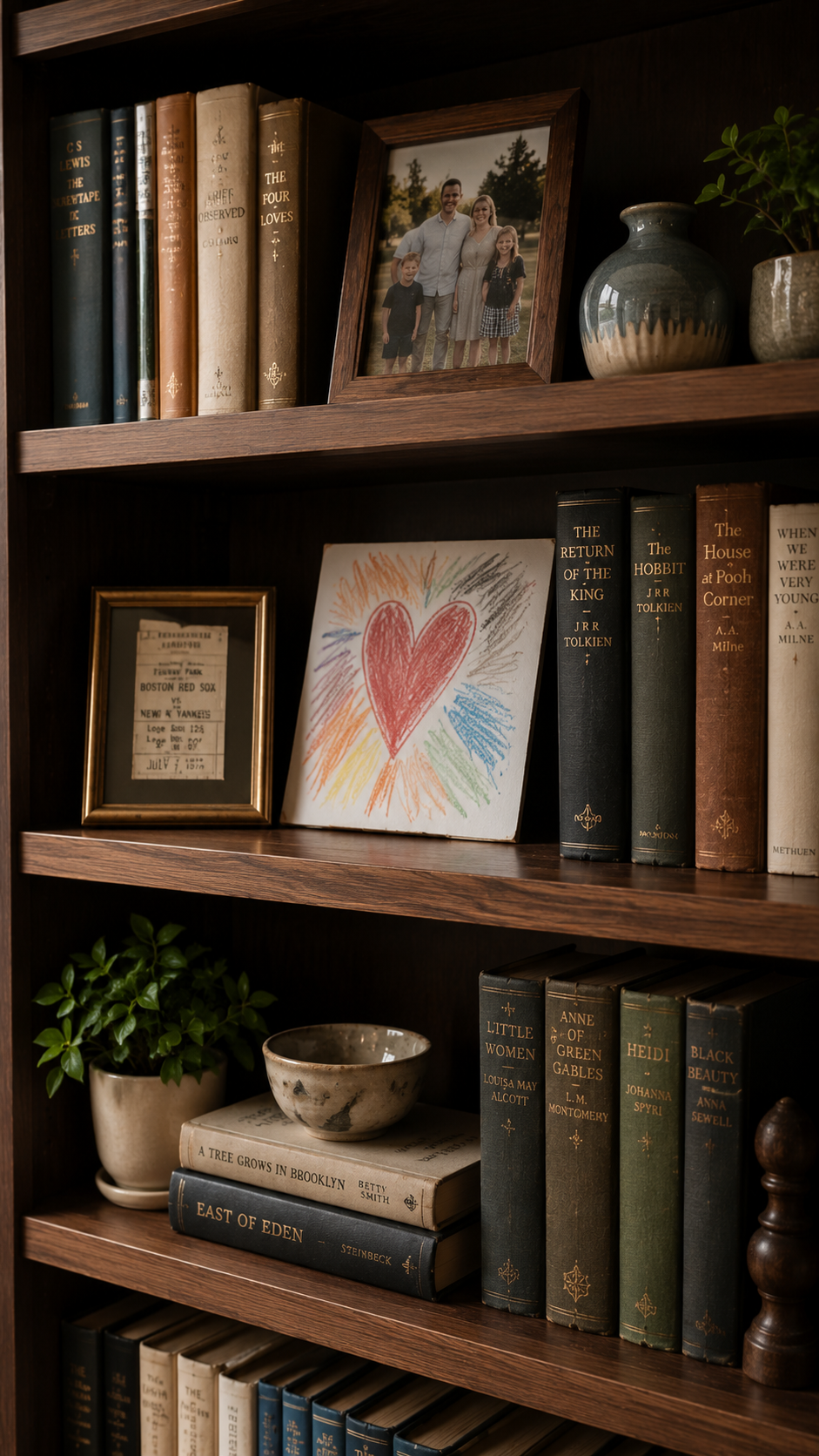
The single thing that transforms a beautifully arranged bookshelf into a real personal library is the inclusion of items that mean something specifically to you. A framed photograph from a meaningful trip, a small object inherited from a grandparent, a piece of art made by a family member, a ticket stub from a memorable event, all of these small personal additions on the shelves and side tables turn the library from a designed space into a genuine reflection of the person who reads there. The library should look like nobody else’s library because nobody else has read what you have read or kept what you have kept. For broader principles on creating warm, personal rooms that feel genuinely lived-in rather than staged, the cozy living room ideas guide covers many of the same approaches applied to whole rooms.
A home library is one of the most rewarding rooms or wall treatments to create because it accumulates value over time. Every book added becomes part of the visual texture of the wall and part of the personal record of what you have read. Whether the library is a single wall in a hallway or a full dedicated room, the principles are the same: good light, comfortable seating, books arranged with some care, and a few personal touches that make the space yours.