25 Cozy Bedroom Decor Ideas That Actually Work
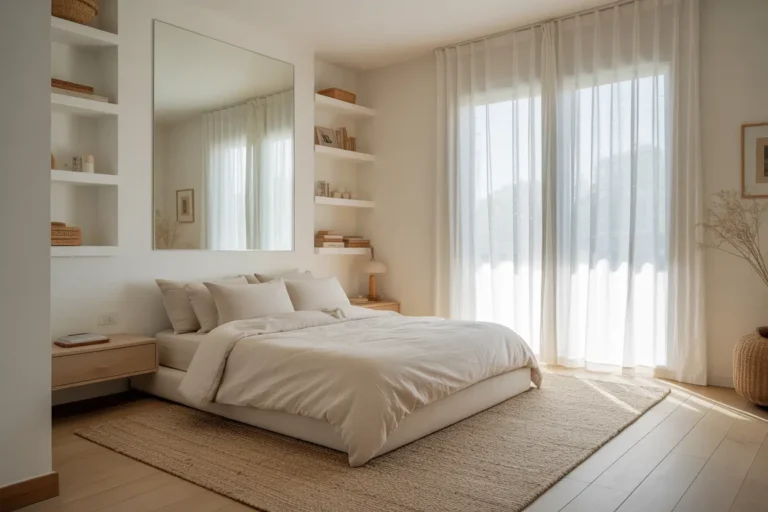
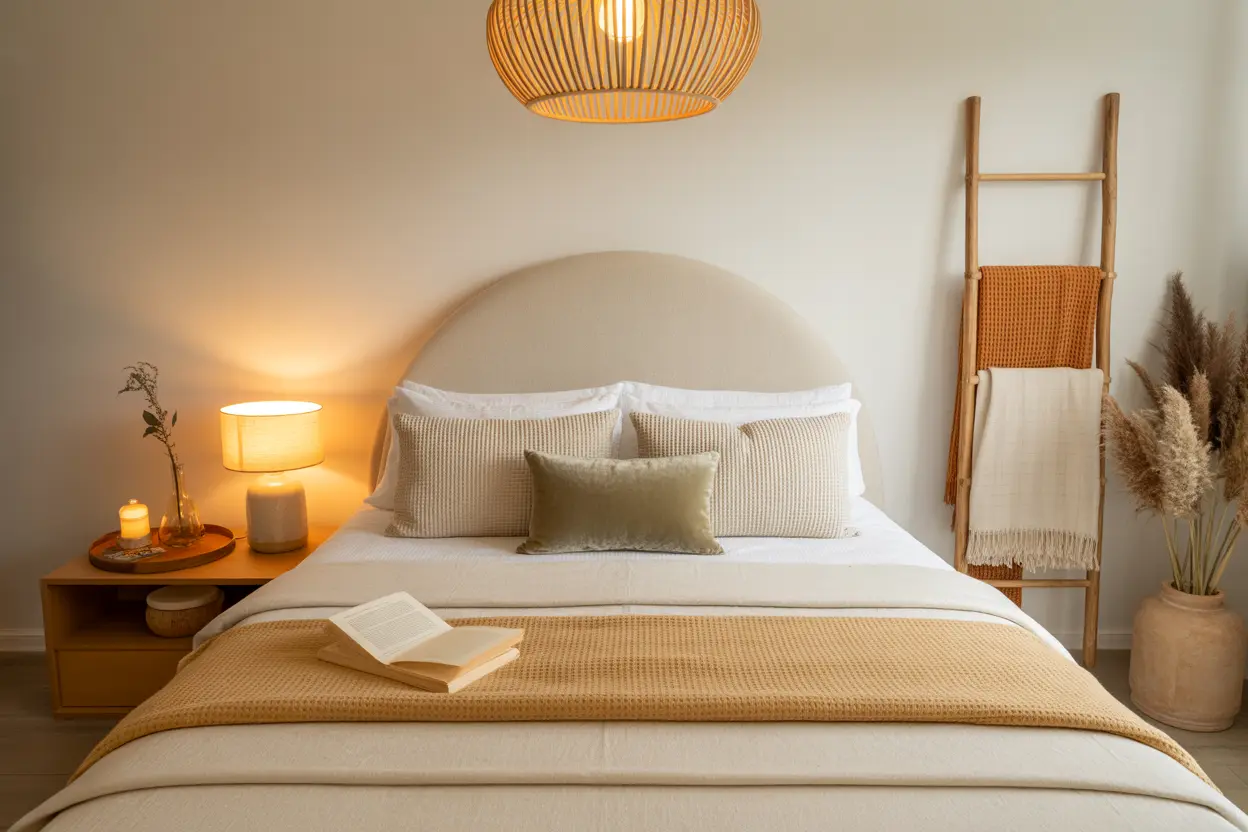
Your bedroom should be the easiest room in your house to be in. Not the most impressive room, not the most photographed, but the one that makes your shoulders drop when you walk through the door. Getting there is less about buying new furniture and more about paying attention to the things that already affect how the room feels: the light, the layers, the clutter, the colors, and the small details that nobody else notices but you feel every single day. These 25 bedroom decor ideas are the kind of changes that shift a room from functional to genuinely comfortable. Some of them cost nothing. Some cost a little. All of them are worth trying.
1. Layered Bedding
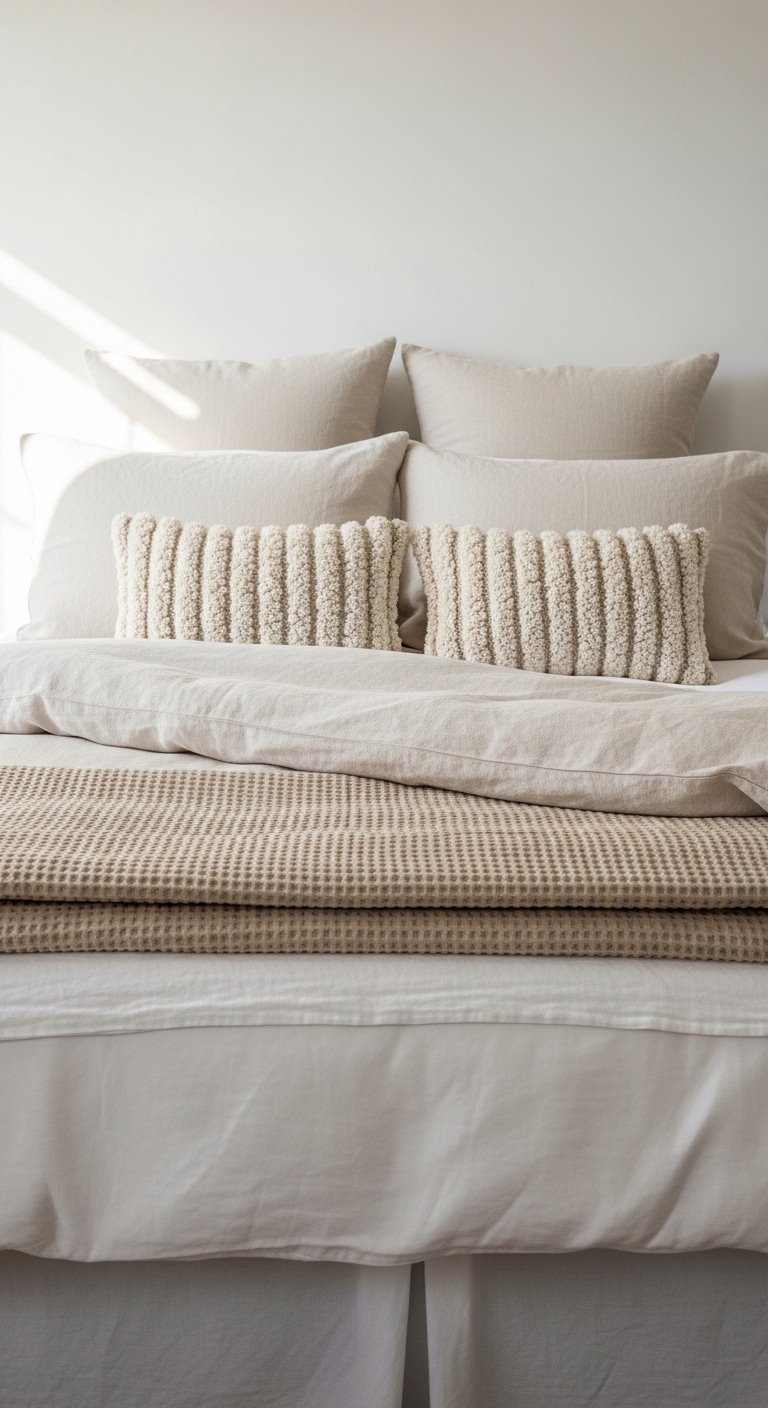
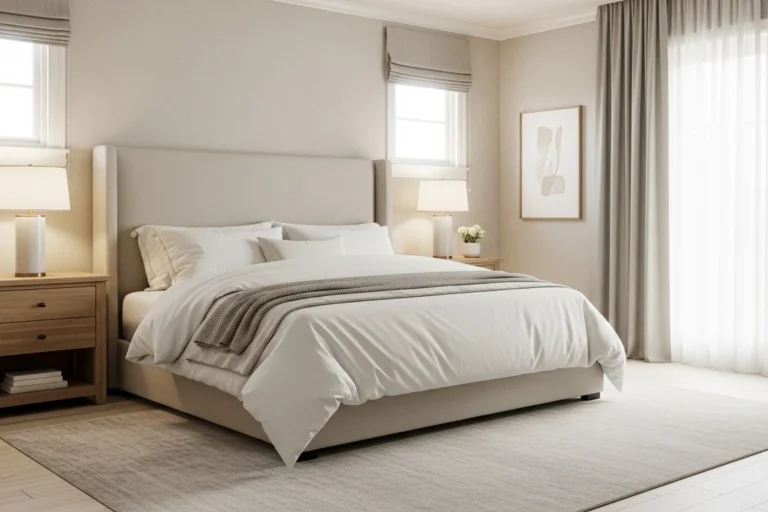
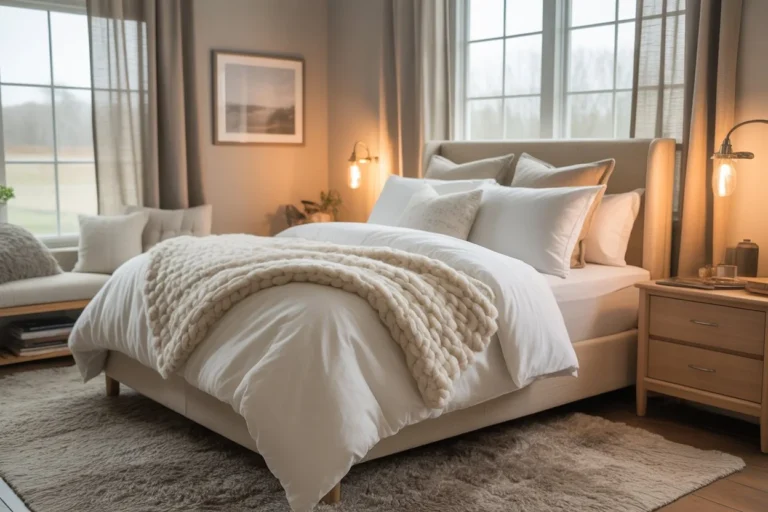
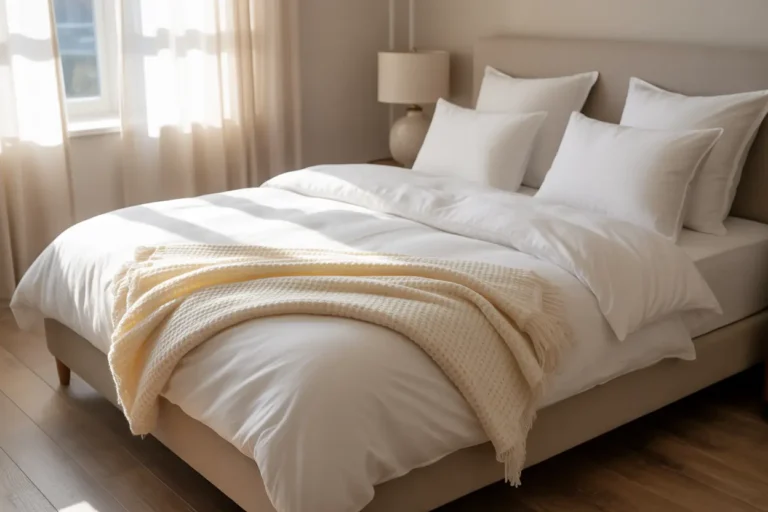
Layered bedding is what makes a bed look like a place you actually want to spend time in, rather than just a piece of furniture with a flat cover on it. The layering formula that works consistently is this: start with a fitted sheet, add a top sheet or light blanket, then a duvet or comforter, and finish with a cotton or linen quilt folded across the lower third of the bed. The quilt adds a visible layer of texture that photographs beautifully and also serves a practical purpose when the night is too warm for a full duvet.
Throw pillows are the final layer and they are more effective when you use fewer of them than you think you need. Two euro shams behind two standard pillowcases, with one or two decorative throws in front, is plenty. The key to bedding that looks intentionally layered rather than just messy is to keep the color palette tight: two neutrals with one accent color, or all neutrals in varied textures. Linen, cotton, waffle-knit, and boucle all play very well together in the same palette.
2. Warm Ambient Lighting
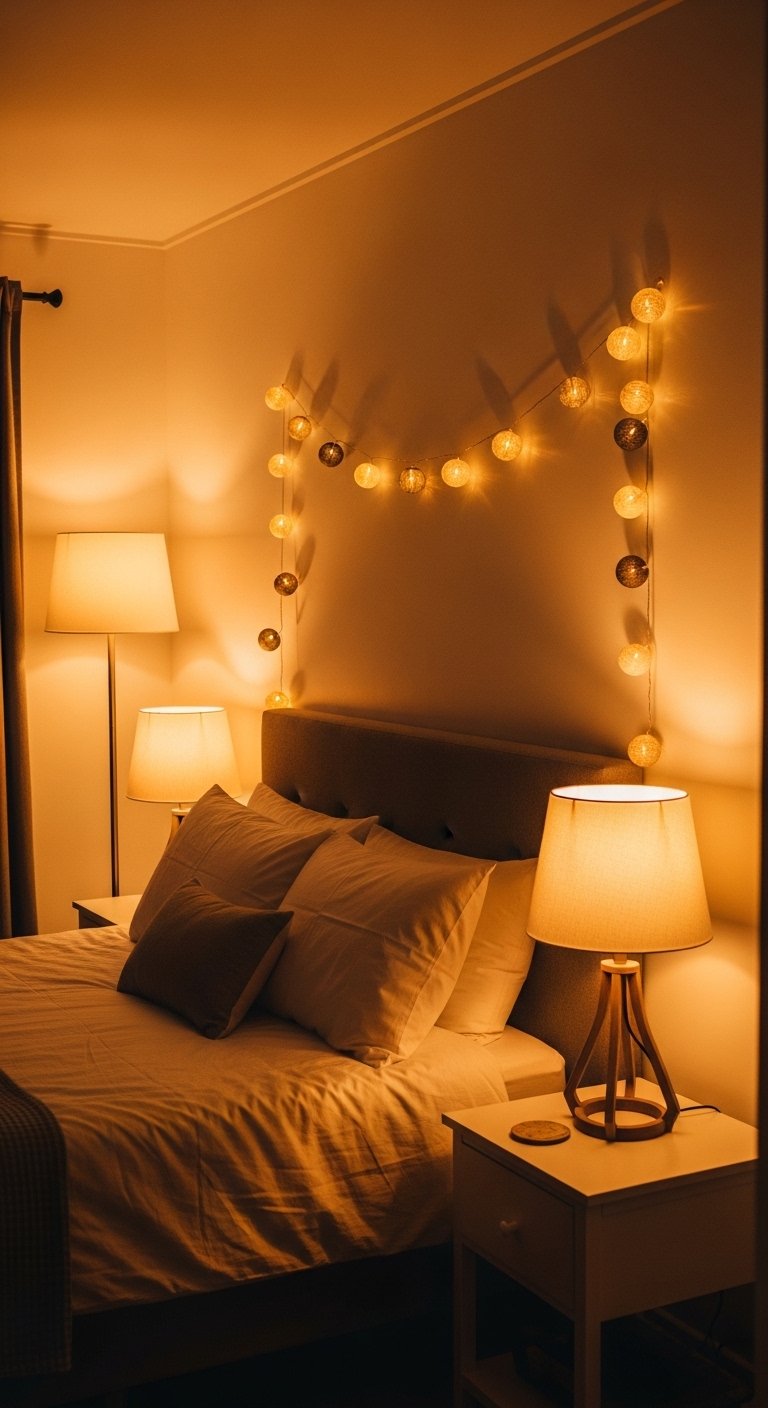
Overhead lighting in a bedroom is almost always too harsh for actually relaxing in. The fix is to stop relying on it and instead build a layered lighting setup with multiple smaller light sources at lower heights. Bedside table lamps with warm-toned bulbs, a floor lamp in a reading corner, and a string of warm globe lights draped along the headboard or windowsill all work together to create a soft, ambient glow that makes the room feel genuinely restful.
Bulb temperature matters more than most people realize. Look for bulbs labeled 2700K or warmer for a yellowish, candlelight-adjacent tone that is easy on the eyes in the evening. Anything above 3000K starts to feel clinical in a bedroom setting. Dimmer switches are a worthwhile upgrade because they give you full control over the brightness level at different times of day. Even a single bedside lamp with the right bulb can change the entire evening atmosphere of a bedroom.
3. Neutral Color Palette
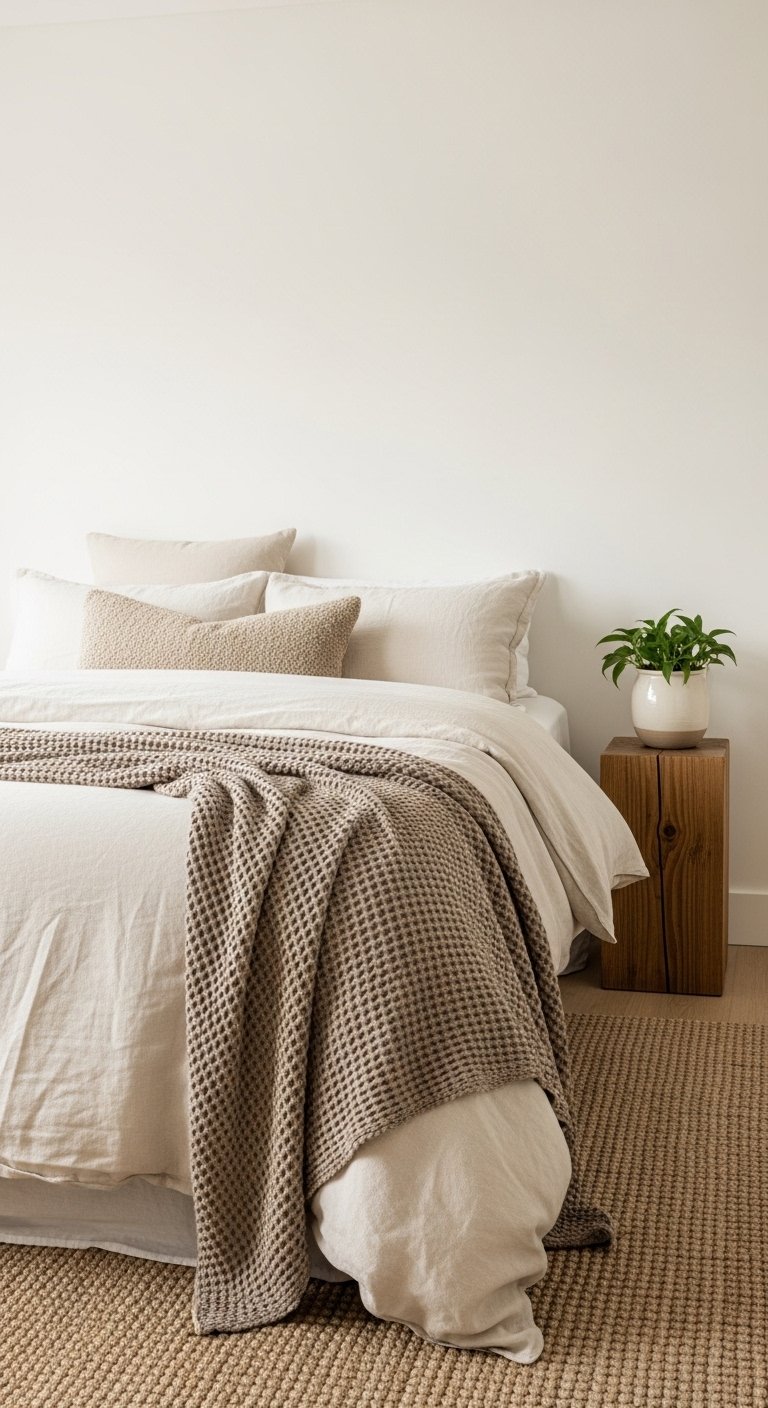
A neutral bedroom does not have to mean a boring bedroom. Neutrals done well have a quiet complexity that comes from layering different shades and textures within the same color family. Warm whites, creamy off-whites, soft taupes, warm grays, and muted greiges all work together in a bedroom without competing for attention. The result is a space that feels calm and restful in a way that more colorful rooms sometimes do not.
The key to making neutrals interesting is texture. If everything is the same value of beige in a flat finish, the room reads flat and lifeless. But if you have a linen duvet, a boucle pillow, a waffle-knit throw, a jute rug, and a raw wood nightstand, all in the same warm neutral family, the room feels layered and rich. Add a single living plant for a touch of muted green that does not disrupt the calm palette but gives the eye somewhere interesting to land.
4. Velvet Throw Pillows
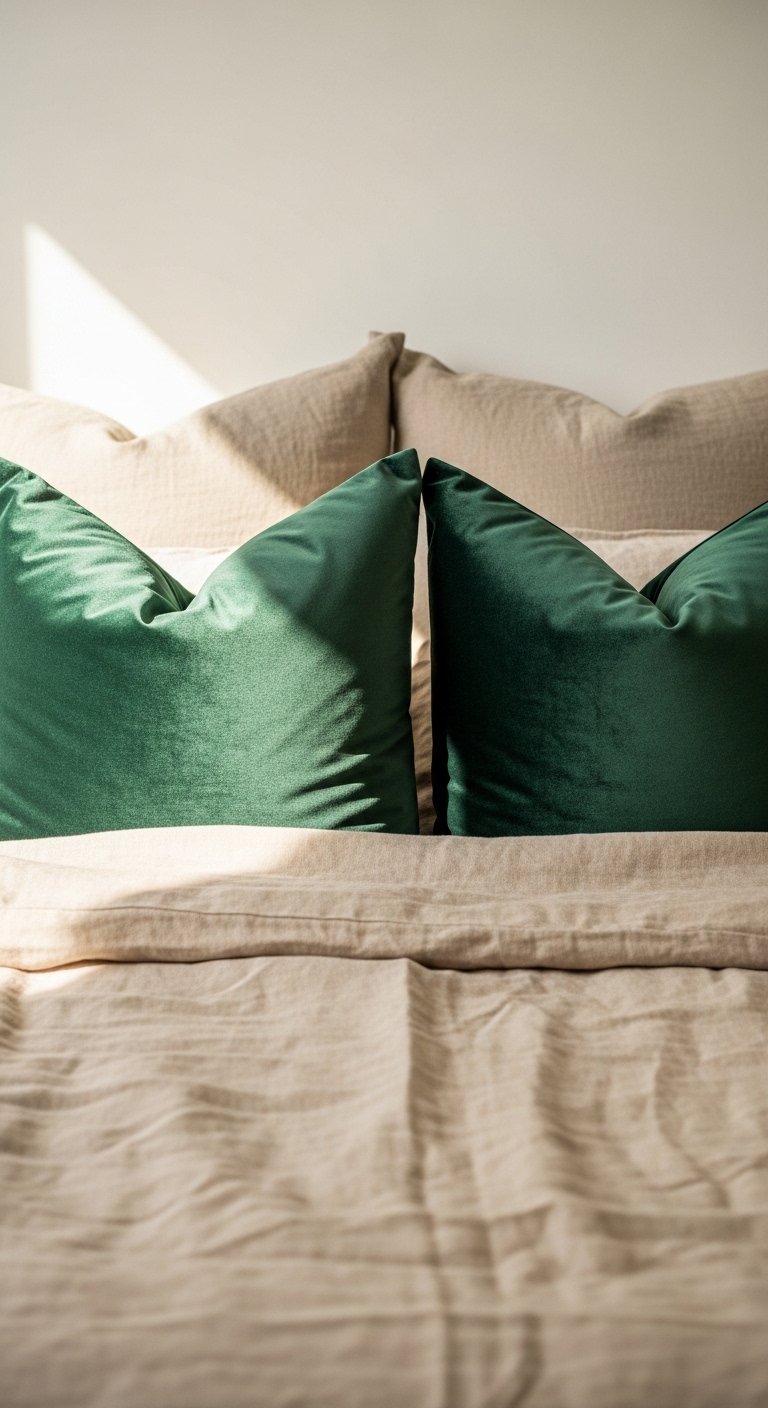
Velvet is one of those materials that punches above its weight in terms of how luxurious it makes a room feel relative to what it actually costs. A pair of velvet throw pillows on a bed or a bedroom chair adds a tactile richness and a depth of color that cotton or linen pillows simply do not match. The colors that work best in velvet for a cozy bedroom are deep tones: forest green, dusty mauve, burnt sienna, slate blue, and warm caramel.
You do not need to re-cover the entire bed in velvet to get the effect. Two velvet throws in front of your standard sleeping pillows is enough. Mix them with linen or cotton pillowcases behind for balance. Velvet also works well on a bedroom chair or bench at the foot of the bed, draped casually or laid flat. Look for velvet pillows with a matte or crushed finish rather than a shiny one, since the less shiny versions photograph more beautifully and look better in daylight.
5. Hanging Plants
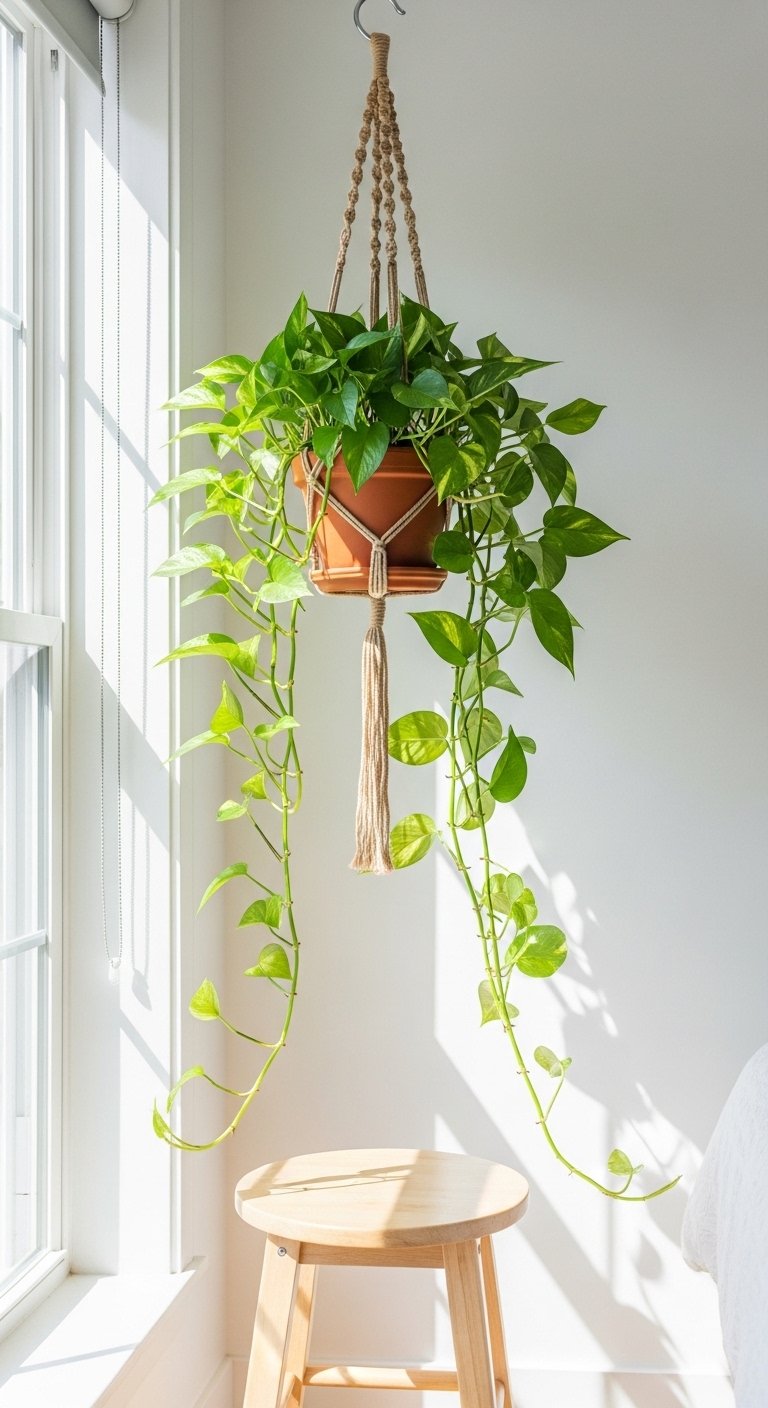
Plants in a bedroom do not just look good; they change how the air feels, and a bedroom with a few living plants in it reads as cared for and alive in a way that no amount of styling can fully replicate. Hanging plants are especially useful in bedrooms because they occupy vertical space rather than taking up floor or surface area, which is often at a premium in smaller rooms.
Pothos is the most forgiving hanging plant for bedrooms because it tolerates low light conditions, irregular watering, and air that tends to be drier than ideal. String of hearts and trailing philodendrons are also reliable. Hang them from a ceiling hook near a window for the best light, or from a curtain rod if the ceiling installation feels like too much. Macrame plant hangers are the most popular holder because they add texture as well as greenery. A single well-placed hanging plant near a window can anchor an entire corner of a bedroom.
6. Statement Headboard
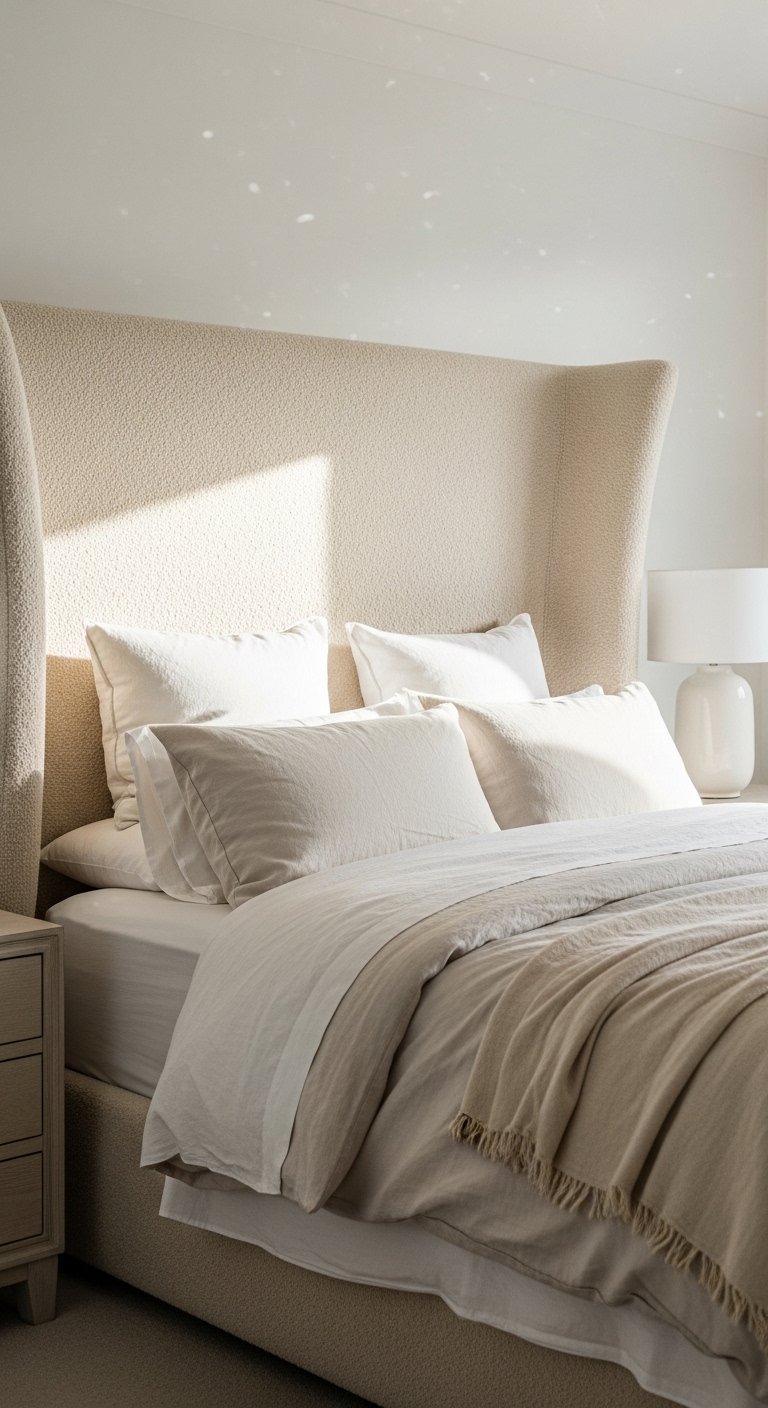
The headboard is the visual center of a bedroom and the single piece of decor that most affects the overall character of the space. Upgrading or changing the headboard is one of the fastest ways to make a bedroom feel intentional rather than accidental. Options range widely: a tufted upholstered headboard in a neutral fabric feels classic and polished; a curved boucle headboard feels current and cozy; a wooden headboard with a raw-edge slab shape feels organic and modern.
If buying a new headboard is not in the budget, making one is a genuinely achievable DIY project. A simple padded headboard can be made from a piece of plywood, a layer of foam, and fabric stapled around the back. Even a piece of large-format art, a woven wall hanging, or a row of shelves mounted at headboard height can visually function as a headboard substitute. The key is that the wall behind the bed looks intentional rather than empty.
7. Bedside Table Styling
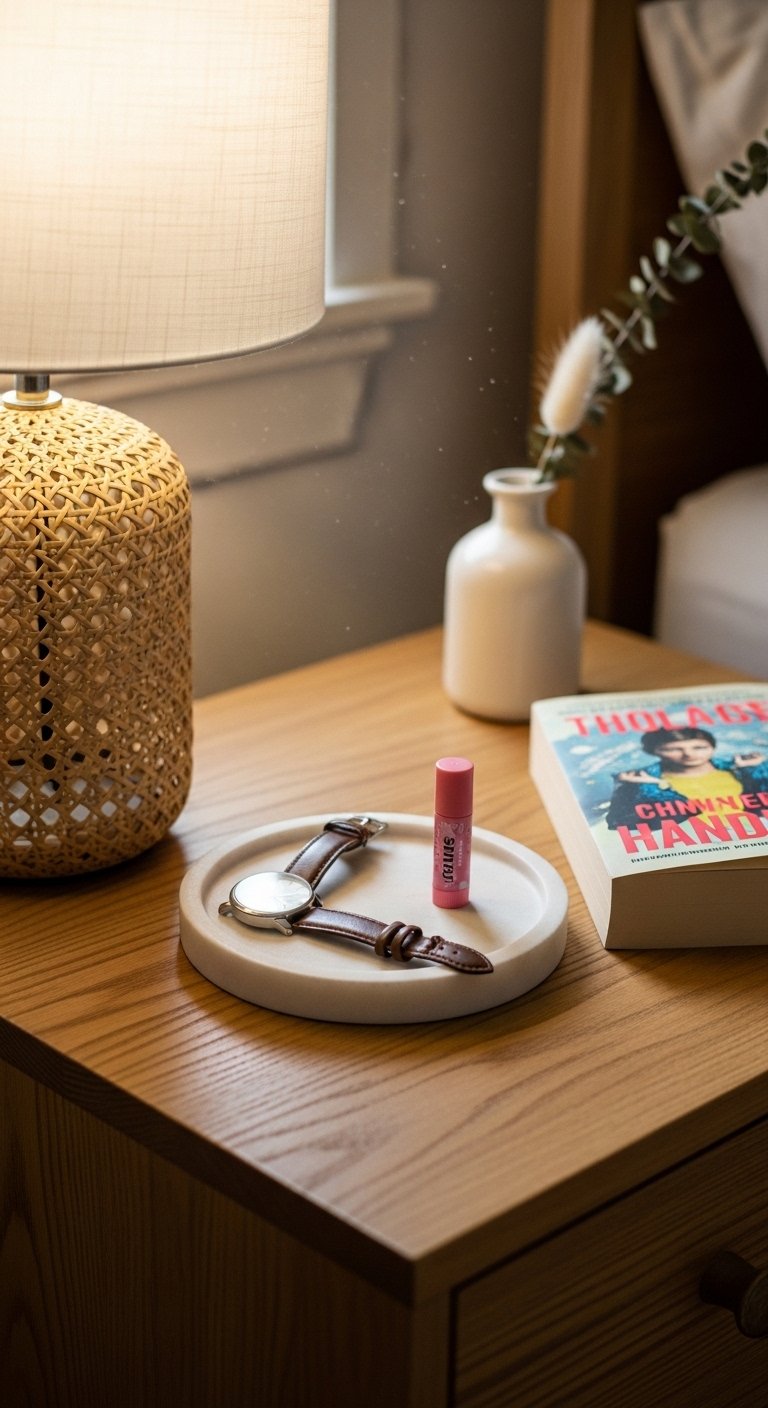
A well-styled bedside table is one of those small details that makes a bedroom feel genuinely put-together. The functional items already have to live there: a lamp, a phone charger, whatever you are currently reading. The styling happens around those things. A small tray or a piece of marble helps contain the items that tend to scatter. A plant, a candle, or a small sculptural object adds personality.
Height variation matters even at this small scale. If the lamp is tall, keep the other objects low. A stack of books used as a platform to raise one item slightly creates visual interest without adding clutter. Edit ruthlessly: anything that does not belong on the table or does not make the table look better should live in the drawer instead. A bedside table that has been thoughtfully edited looks far more intentional than one that has just been accumulating objects over time.
8. Linen Curtains
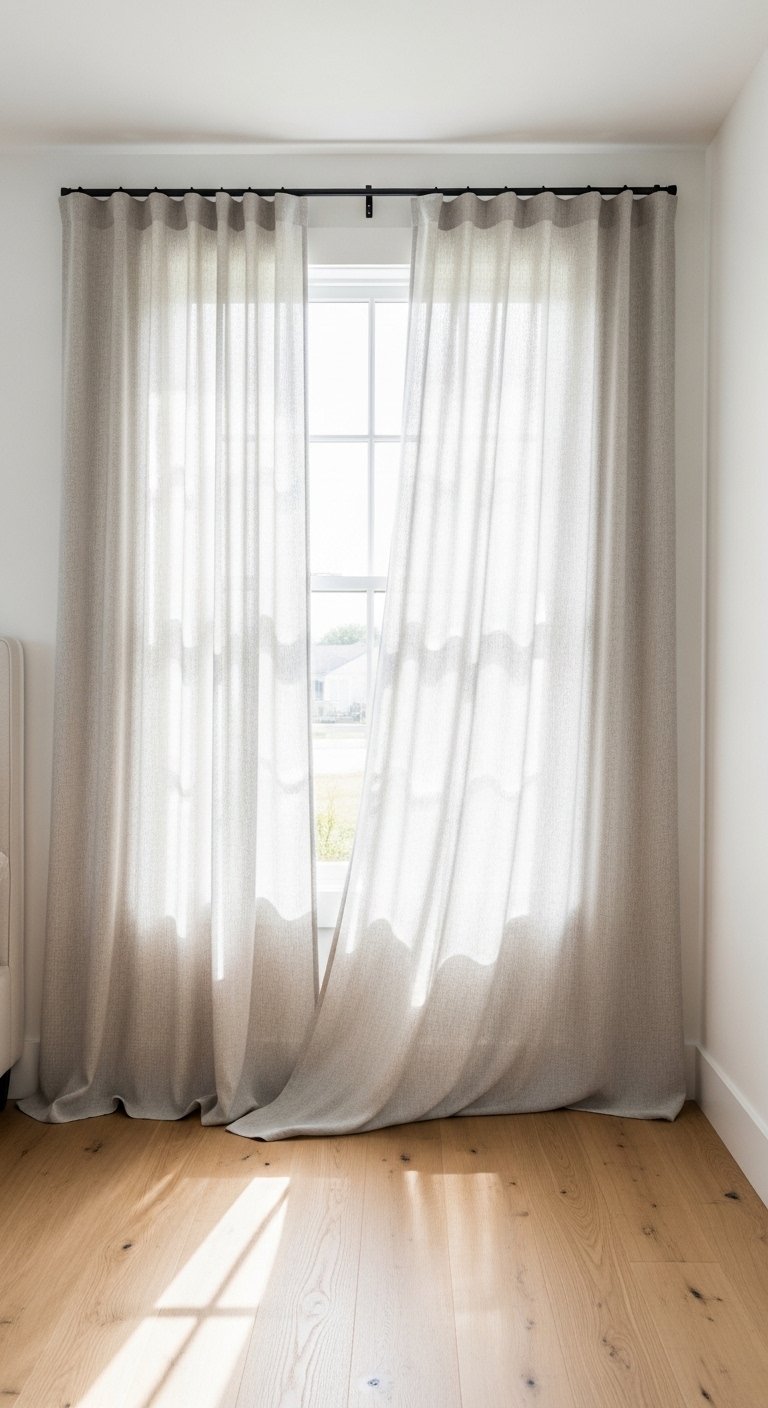
Linen curtains in a bedroom have a quality of light that is genuinely different from any other window treatment. They filter sunlight into a warm, diffused glow rather than blocking it or letting it pour in harshly. The softness of the fabric, the way it moves slightly even when a window is only slightly open, and the way it drapes to the floor creates a sense of quiet luxury that costs less per panel than most people expect.
Hang the curtain rod as close to the ceiling as possible, not at the window frame top. This is the detail that makes the biggest difference. A curtain that starts just above the window top makes a room feel low-ceilinged; a curtain that starts two inches from the ceiling and drops to the floor makes the same room feel tall and gracious. Use curtain rings with clips for linen panels to make them easy to take down and wash without dealing with loops or rod pockets.
9. Mirror Placement
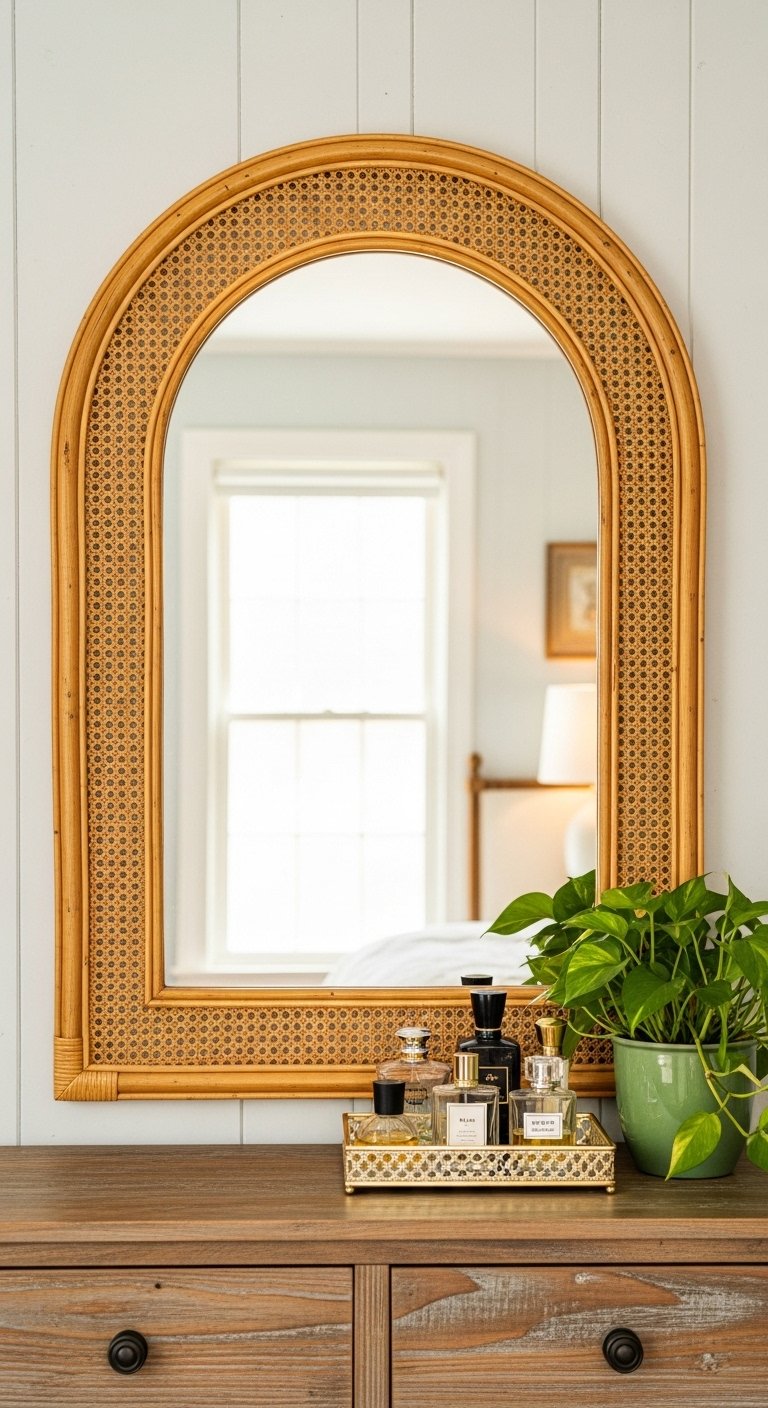
A well-placed mirror in a bedroom does two things: it makes the room feel larger and brighter, and it gives you a full-length or vanity-height view for getting dressed. The placement is what matters most. A large mirror leaned against the wall at a slight angle reflects the ceiling and light rather than just the wall behind it, which opens the room up visually. A mirror on a wall opposite a window doubles the natural light in the room.
Round mirrors are very current right now and work especially well above a dresser or on a bedroom wall as a decorative piece. A full-length rectangular mirror leaned in a corner or hung vertically on the back of a door is more functional. Arched mirrors have a particularly elegant quality that suits a bedroom well. Whatever shape you choose, the frame finish should connect to something else in the room: the lamp base, the hardware on the dresser, or the curtain rod.
10. Area Rug Placement
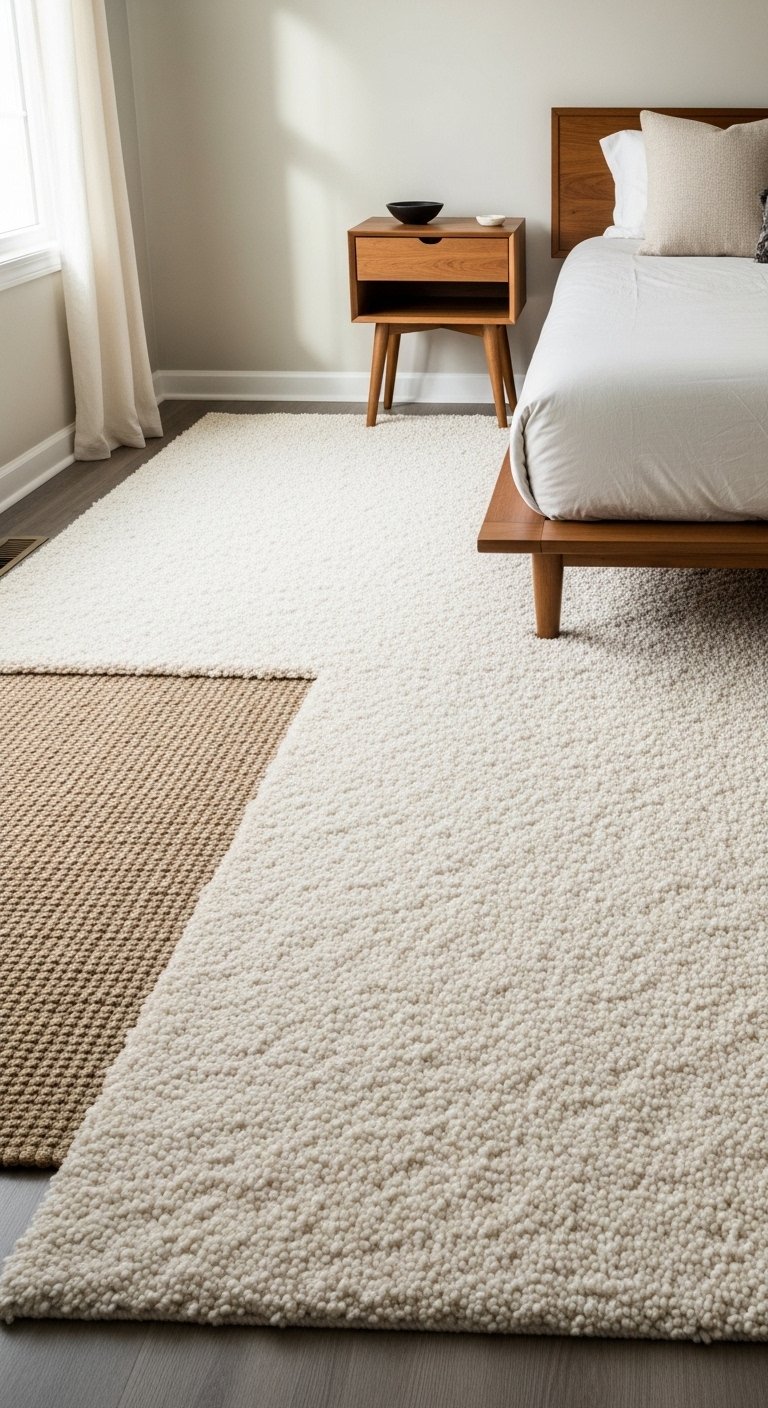
A rug in a bedroom does something that almost nothing else can: it makes the floor feel like a destination when you get out of bed in the morning. The size of the rug matters enormously. The most common mistake is using a rug that is too small. In a bedroom, the rug should extend at least eighteen to twenty-four inches beyond each side of the bed so that your feet land on soft material rather than hard floor when you get up.
Texture matters as much as color in a bedroom rug. High-pile rugs feel warm and soft underfoot but can be harder to clean and may feel visually heavy in a smaller room. Flatweave rugs are easier to maintain and work well in spaces with lots of other texture already present. A jute or seagrass rug has a natural, earthy quality that suits neutral bedrooms perfectly. Place the rug with the front legs of the bedside tables on the rug as well, not just the bed itself, to anchor the whole sleeping area together.
11. Book Display Styling
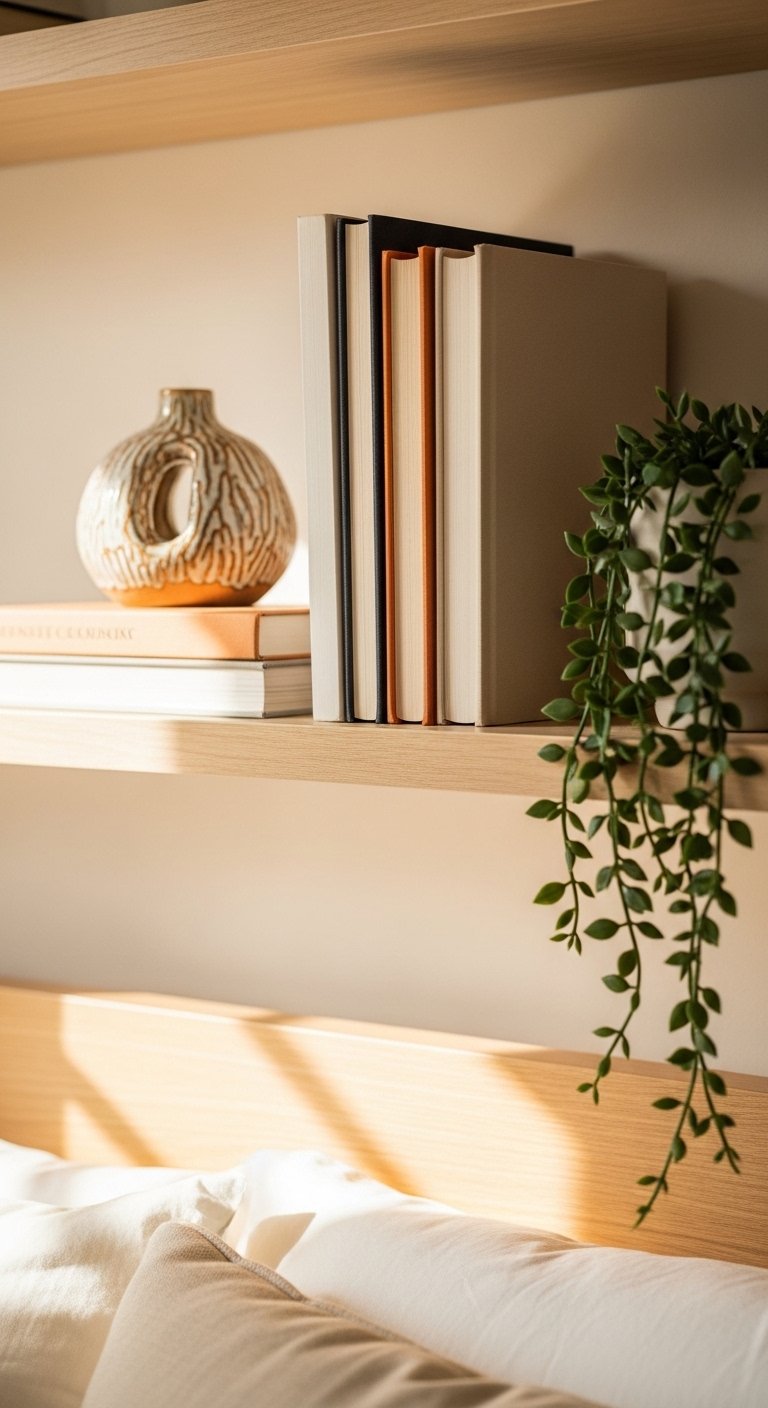
Books in a bedroom are one of the warmest, most personal forms of decoration because they say something specific about the person who lives there that a generic decor object never can. A small collection of books on the bedside table, stacked on a floating shelf above the bed, or arranged on a dresser top creates an atmosphere of intellectual coziness that is hard to achieve any other way.
If you want the books to look styled rather than just piled, face a few of them cover-forward on a low shelf or easel stand. Turn others to face spine-out in a uniform line with a plant or candle at the end of the row. Stacking three or four books horizontally and placing a small object on top is a classic styling trick that adds height variation to a flat surface. Choose books with spines that coordinate with your room’s color palette and those can become a decorative element in their own right.
12. Scented Candles
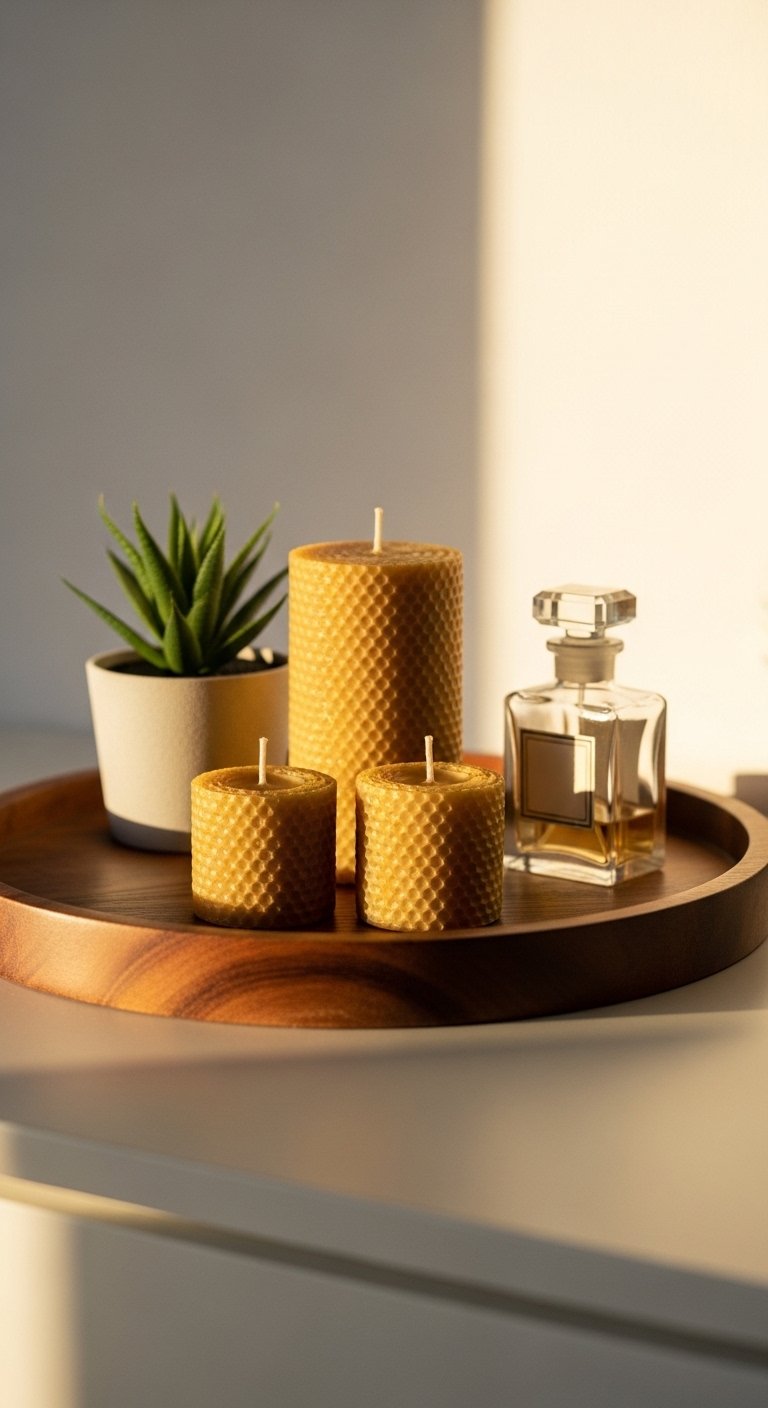
Scent is an underused dimension of bedroom decor. A room that smells good creates a sense of care and attention that is immediately felt but hard to pinpoint. Candles in a bedroom should have calm, soft scents rather than intensely sweet or heavily perfumed ones: cedarwood, sandalwood, linen, white tea, vanilla, light florals, and earthy beeswax are all popular for a reason. They are present without being overwhelming.
Place candles where they will be noticed but never left burning unattended near fabric: on a tray on the dresser, on a ceramic coaster on the bedside table with the lamp pushed back, or in a cluster on top of a wooden chest at the foot of the bed. Candles in natural materials, beeswax, soy, or coconut wax, smell cleaner than heavily processed paraffin and burn with a quieter, steadier flame. A candle that is lit for thirty minutes before you go to bed creates a sensory ritual that helps the bedroom transition into actual rest time.
13. Vintage Dresser Update
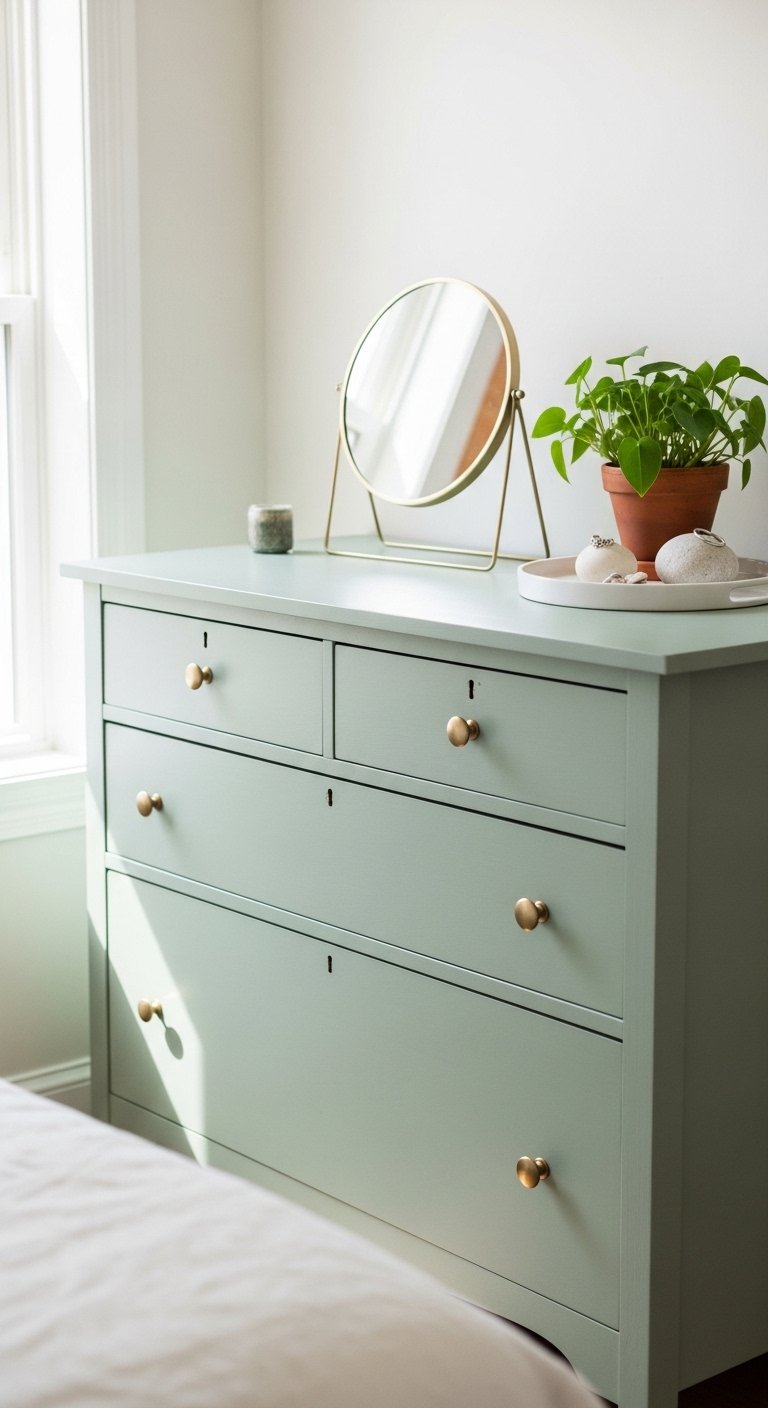
An older dresser with good bones can be completely refreshed with paint, new hardware, and a bit of deliberate styling on the surface. The bones of a solid wood dresser are actually better than most new manufactured dressers in terms of durability, so updating the surface look rather than replacing it makes a lot of sense. Clean and lightly sand the exterior, apply a coat of primer, and finish with a quality furniture paint in the color of your choice.
New drawer pulls are the detail that makes the biggest difference per dollar. A set of matte black bar pulls on a white or sage-painted dresser looks current and clean. Ceramic knobs give a more eclectic, vintage feel. Aged brass or unlacquered brass has a warm, lived-in quality that suits a cozy bedroom aesthetic particularly well. Style the top of the dresser as a small vignette: a mirror leaned against the wall, a tray holding jewelry or a candle, a small plant, and one decorative object. That combination works almost every time.
14. Nature-Inspired Decor
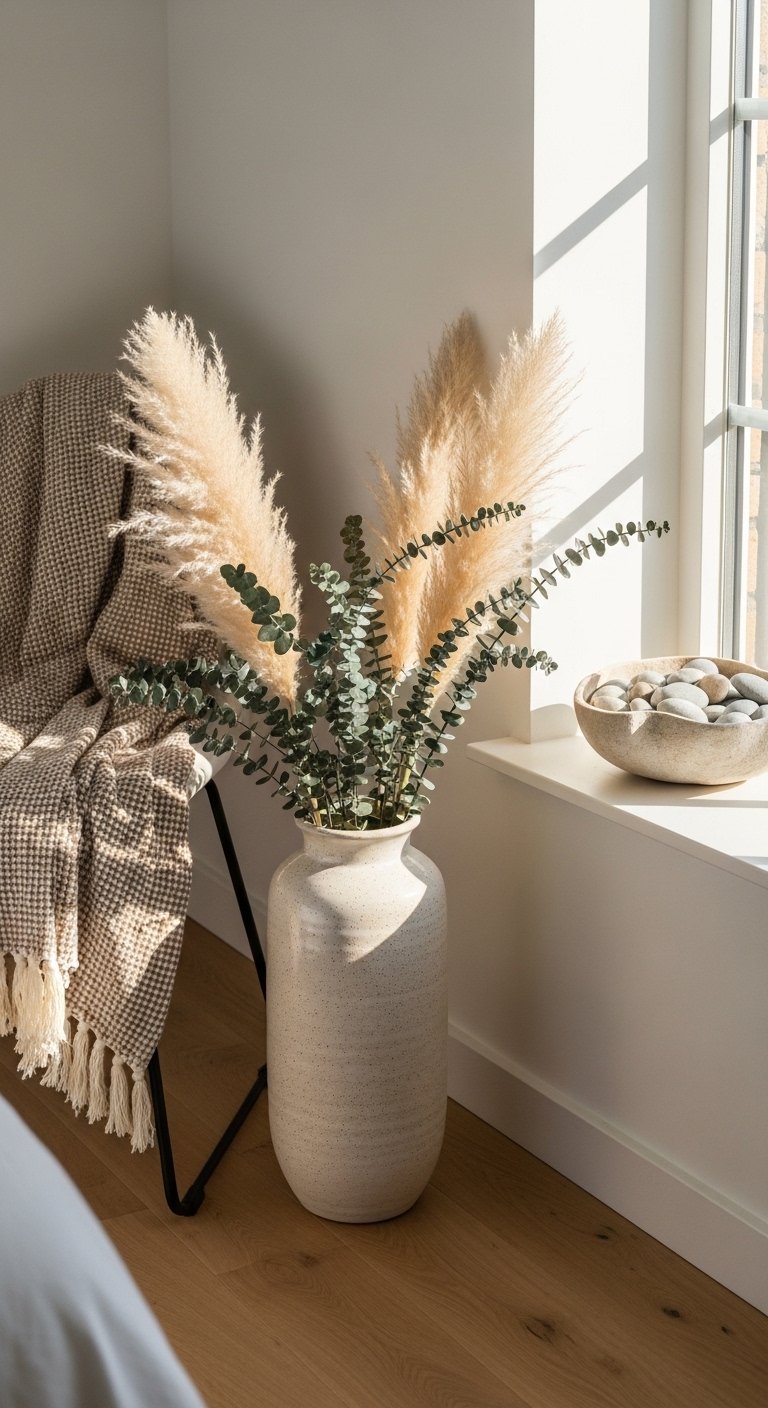
Bringing natural elements into a bedroom, actual branches, stones, shells, dried botanicals, wooden objects, and living plants, creates a grounded quality that makes the room feel restful in a way that purely synthetic decor does not. Nature-inspired decor does not mean going maximalist or creating a botanical garden inside your room. One or two deliberate natural elements are enough to shift the feeling of the space.
A single tall branch placed in a large vase, with or without dried flowers, makes a sculptural statement that fills vertical space elegantly. A bowl of smooth stones on the dresser. A piece of driftwood propped against the wall. A pressed leaf framed on its own. These are things that cost nothing or nearly nothing but add an organic, unhurried quality to a bedroom that is much harder to buy in a store. Dried pampas grass has remained one of the most popular bedroom decorating elements for years because it does exactly this.
15. Soft Color Blocking
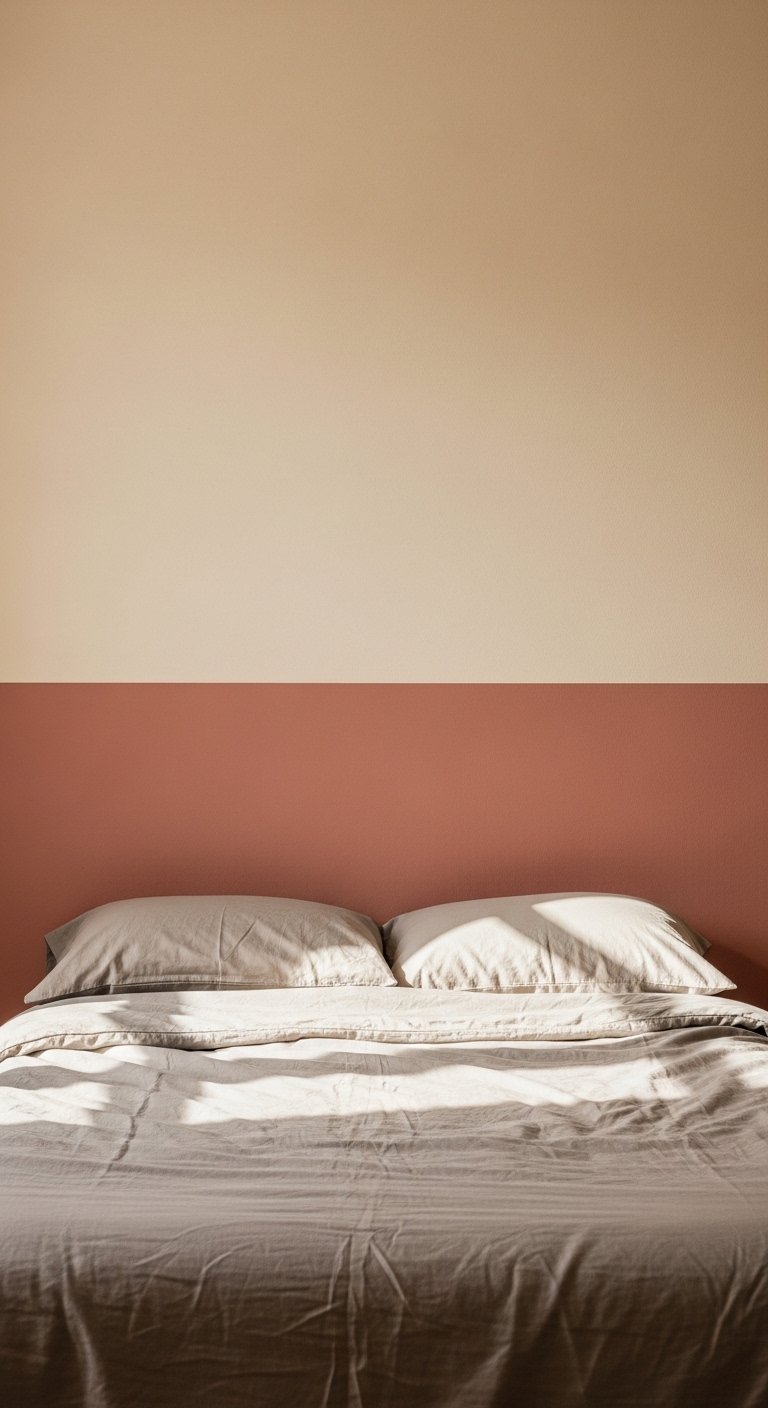
Color blocking in a bedroom does not mean painting bold geometric shapes on the wall like a graphic design studio. The soft, residential version of color blocking is painting the upper two-thirds of a wall one color and the lower third a slightly different shade of the same color, or painting a single wall in a deeper tone of the room’s existing palette. Done in muted, harmonious tones, this technique adds depth and sophistication that a single-color room cannot match.
The most popular soft color blocking technique right now is painting the lower section of a wall in a warm mid-tone, the upper section in a lighter version of the same tone, and meeting them with a chair rail detail or simply a clean horizontal line. This makes a room feel more architectural without adding any actual molding. In a bedroom with high ceilings, the division of the wall also brings the visual scale down to a more intimate, comfortable proportion.
16. Cozy Reading Corner
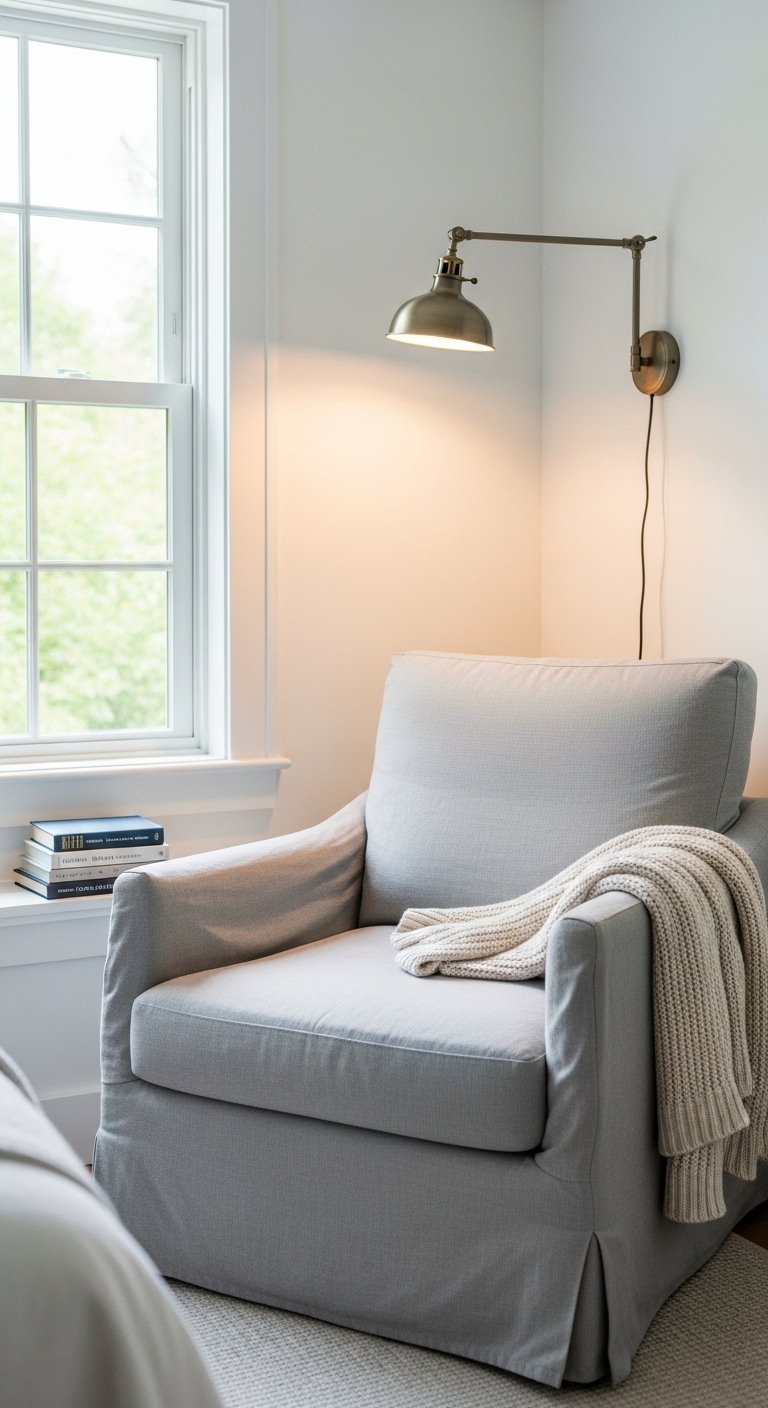
A dedicated reading corner in a bedroom is one of the most functional cozy additions you can make, and it does not take much space. An oversized chair or even a large floor cushion, a small side table or stool for a lamp and a drink, and a throw blanket are the only physical requirements. The key is that the corner feels set apart from the rest of the room and intentional, not like a chair that ended up in a corner because there was nowhere else to put it.
Good lighting is non-negotiable for a reading corner that actually gets used. A floor lamp with a directed beam works better than an overhead light for reading without disturbing a sleeping partner. A wall-mounted swing arm sconce is even more elegant and takes up zero floor space. Add a small floating shelf nearby at arm height for book storage and the corner becomes a self-contained destination that you will genuinely return to every evening.
17. Woven Wall Texture
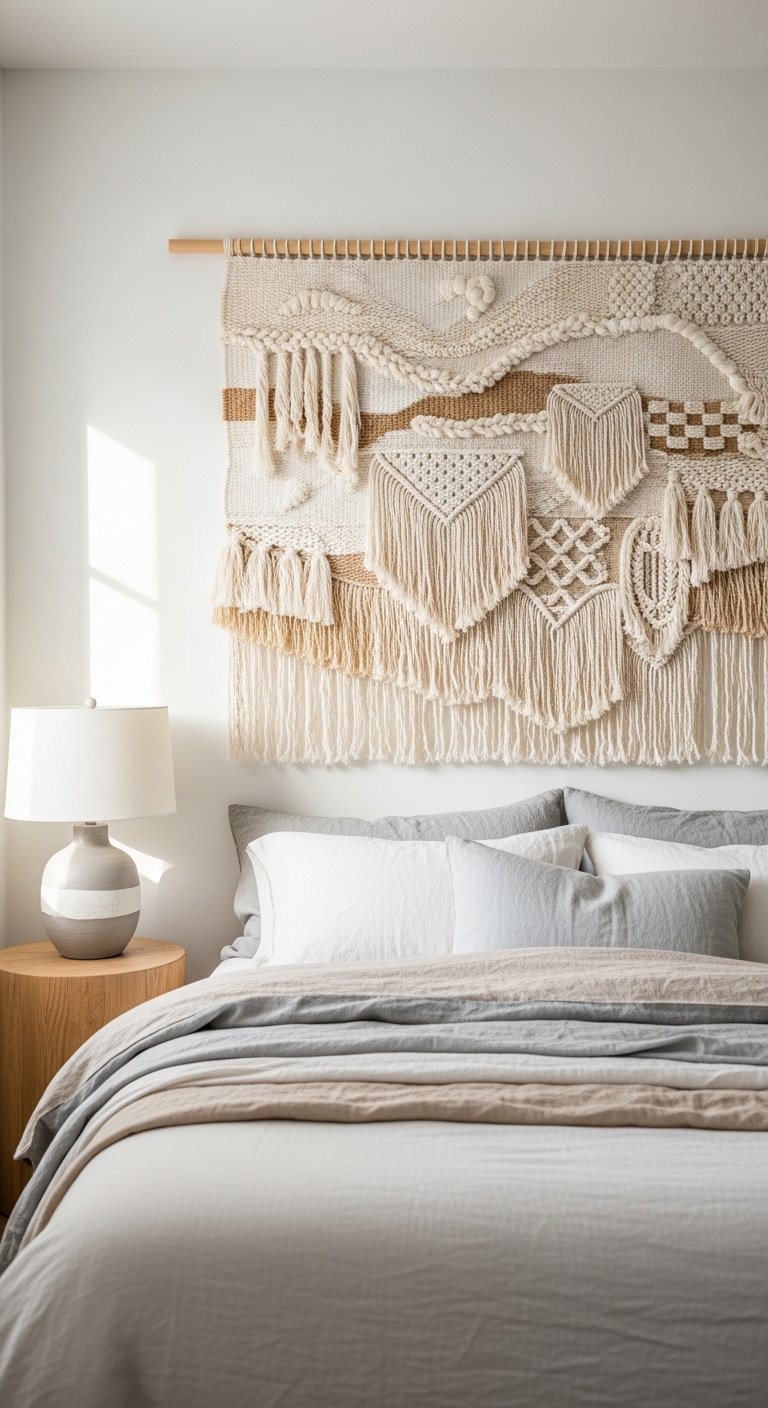
A woven textile on the bedroom wall adds warmth and texture in a way that paint and art prints cannot because it has physical dimension. This can be a woven wall hanging, a large piece of vintage textile used as art, a woven rattan panel, or even a collection of small woven baskets arranged as a grouping. The common thread is that all of these materials introduce a handmade, organic quality that resonates in a cozy bedroom.
Position large woven pieces on the wall above the bed as an alternative to a traditional headboard, or on the wall opposite the bed as a focal point you look at from the pillow. Medium-sized woven hangings work well on side walls between windows or on the wall above a dresser. Hang them from a simple wooden rod or dowel for the most natural, unfussy look. The texture of woven fibers catches the light differently at different times of day, which gives the wall a quality of interest that flat art does not have.
18. Minimalist Bedside Lamp
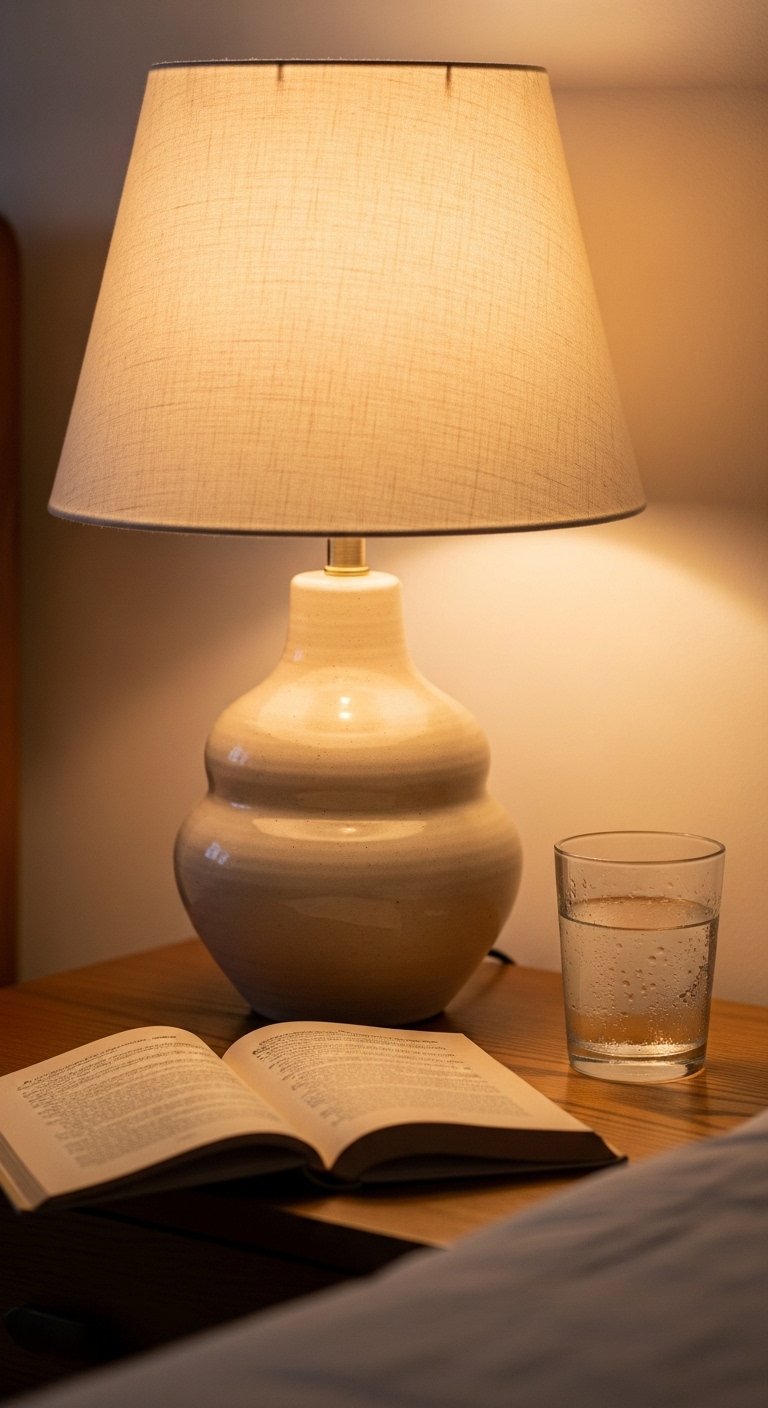
The bedside lamp is one of the most used objects in the bedroom and one of the most visually prominent pieces of furniture in the space, because it is at eye level when you are lying down. Getting the lamp right makes a noticeable difference. The base should connect visually to other finishes in the room: ceramic for a soft, artisan feel; brass for warmth; matte black for a modern edge; natural rattan for an earthy, relaxed quality.
The shade height and color matter as much as the base. A shade that is too small for the base looks dinky and cheap. A shade that is too large overwhelms the nightstand. A good proportion is that the shade diameter should be approximately equal to the height of the base. Linen and paper shades diffuse light softly and have a warm, natural quality. Off-white or parchment shades give warmer light than pure white ones. A lamp that is beautiful during the day and produces a flattering, soft glow at night is the ideal combination for a bedroom.
19. Decorative Ladder
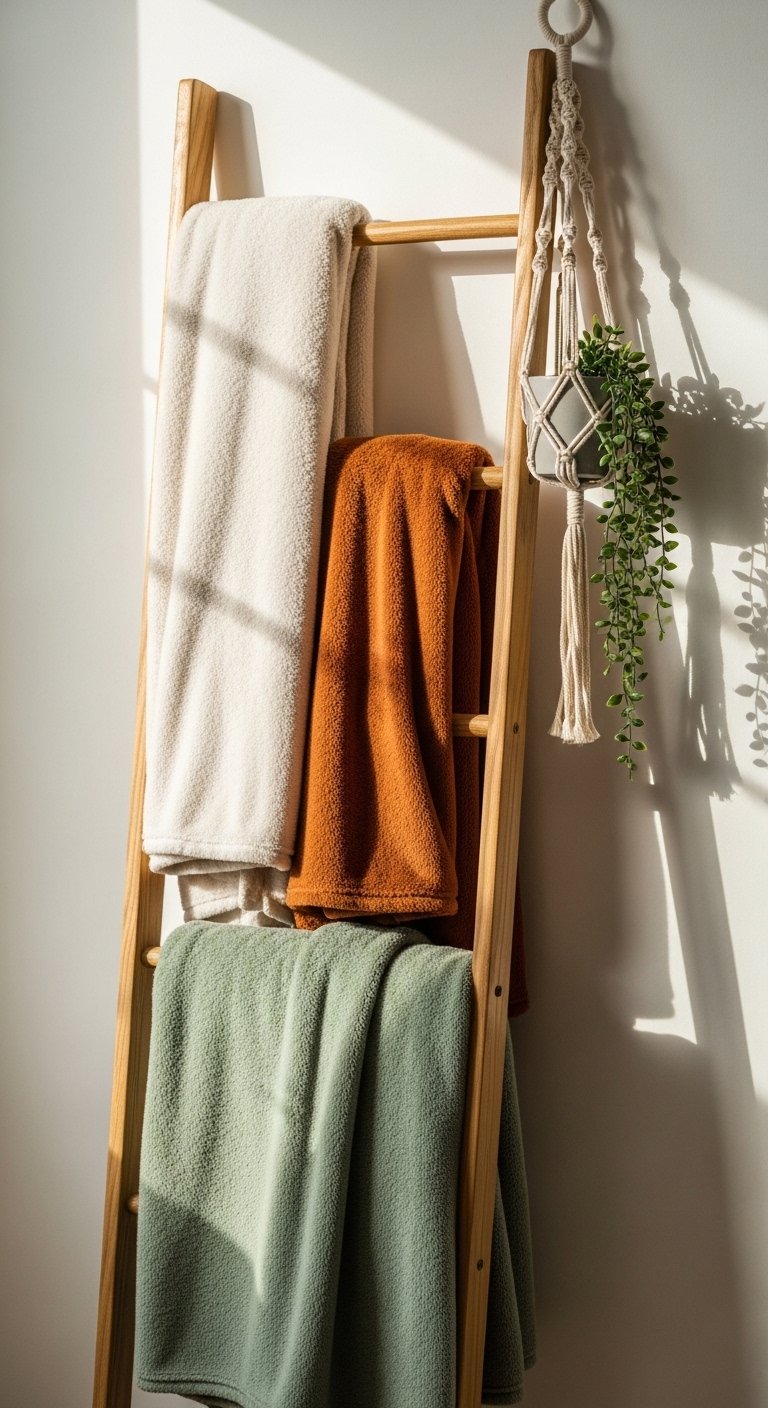
A decorative wooden or bamboo ladder leaned against a bedroom wall is an extremely efficient use of vertical space that adds both storage and visual texture. Drape throw blankets over the rungs, hang a few small plants in macrame pots from the top, lay a scarf or two across a rung, or use it to hold extra pillows. The casual, slightly imperfect layering of textiles on a ladder has a cozy, collected quality that a proper furniture piece does not replicate.
Lean the ladder at a slight angle against the wall rather than completely vertical, and position it in a corner or against a wall where the room has a natural dead zone. A bedroom corner next to the window, or the wall beside the closet, are both good locations. Natural wood ladders in a blanched or honey finish suit neutral bedrooms. Darker stained ladders work better in rooms with more contrast. Bamboo ladders have a slightly more relaxed, organic feel. Any version gives the wall it leans against a purposeful, layered quality.
20. Dried Flower Arrangement
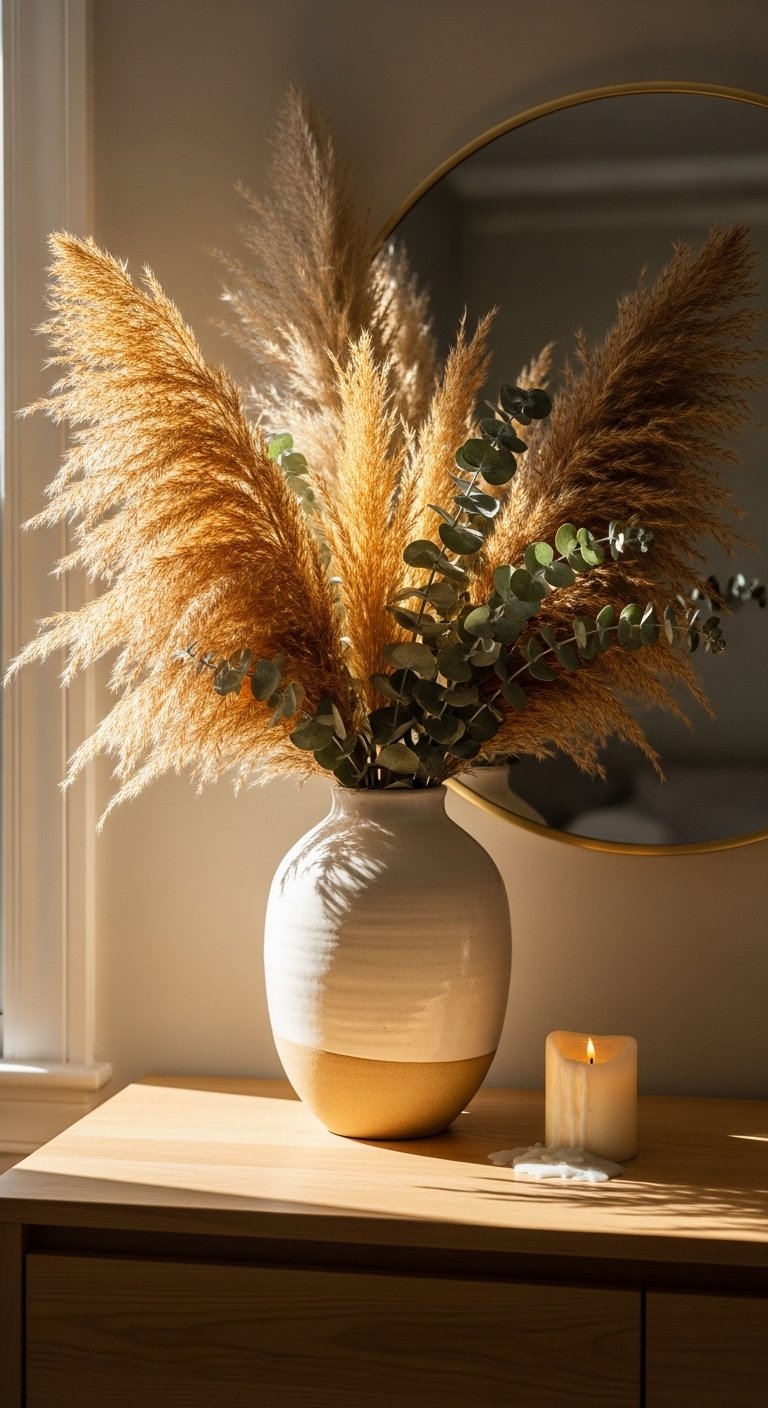
Dried flowers have replaced fresh flowers in many homes as a primary decorating element, and for good reason: they last indefinitely, require no maintenance, shed no pollen, and look increasingly beautiful as they age and fade slightly. The color palette of dried flowers, dusty mauve, warm wheat, muted rust, faded sage, pale blush, sits naturally within the neutral and earthy tones that work best in a cozy bedroom.
A large arrangement of dried pampas grass and dried eucalyptus in a tall vase in the corner of a bedroom has a sculptural quality that is hard to match. Smaller arrangements of dried lavender, strawflower, or lunaria in a ceramic bud vase on the nightstand or dresser are quieter but equally effective at adding organic warmth. Avoid perfectly round, symmetrical dried arrangements, as the more natural and asymmetrical the shape, the more authentic and beautiful it looks in a living space.
21. Soft Bedside Rug
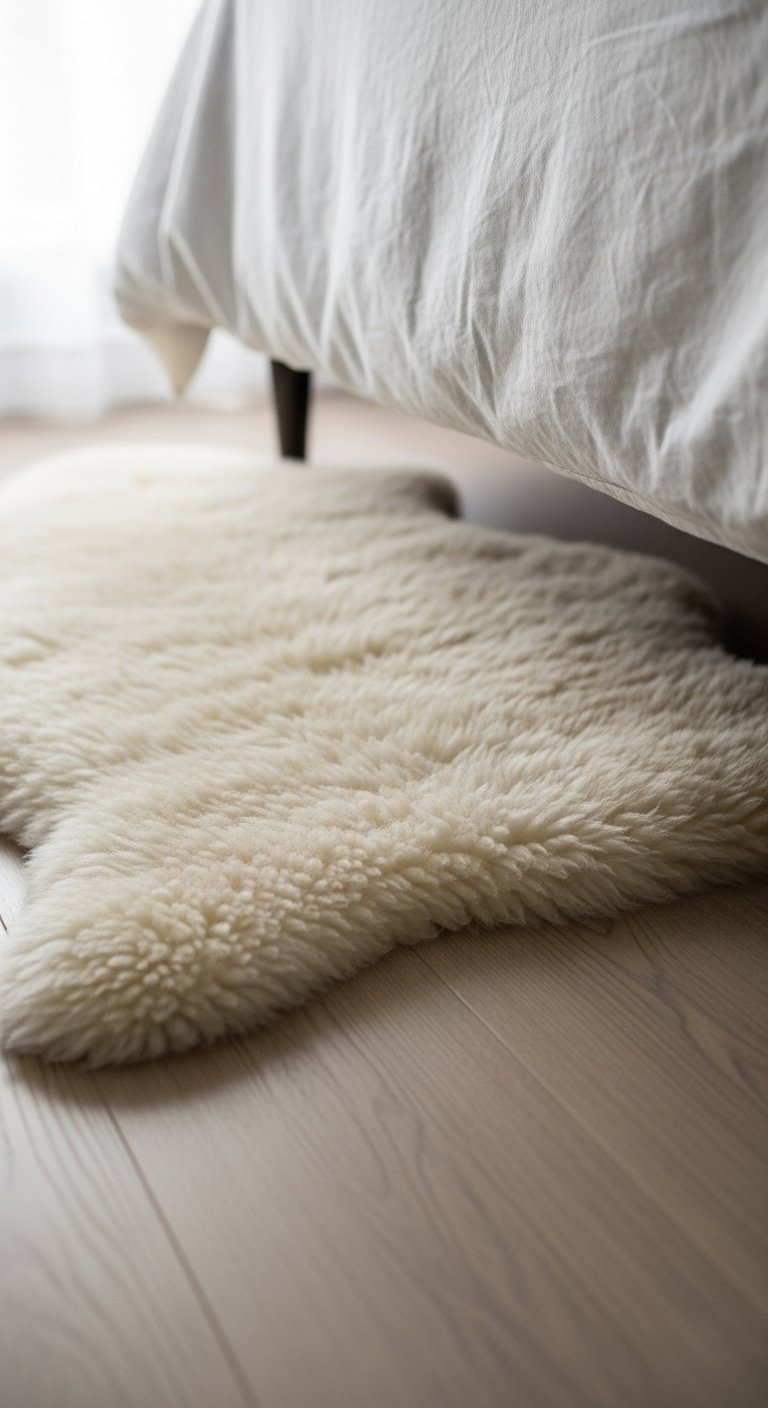
A small rug placed right at the side of the bed where your feet land first thing in the morning is one of the simplest and most appreciated bedroom upgrades. Even in a room that already has a larger area rug, a softer, higher-pile small rug right at the bedside gives you a specific moment of softness that a flatweave or natural fiber rug cannot provide. Sheepskin and faux sheepskin are the most popular choices for exactly this reason.
A genuine sheepskin has a slightly uneven, natural shape that looks beautiful next to a bed. Faux versions have come a very long way in terms of quality and are a fraction of the cost. A small Moroccan Beni Ourain style rug in cream with subtle dark pattern is another excellent option that works with nearly any bedroom color palette. Position it so that stepping out of bed on your dominant side always lands on the rug. This small moment of warmth affects how the start of every morning feels.
22. Framed Artwork Above Dresser
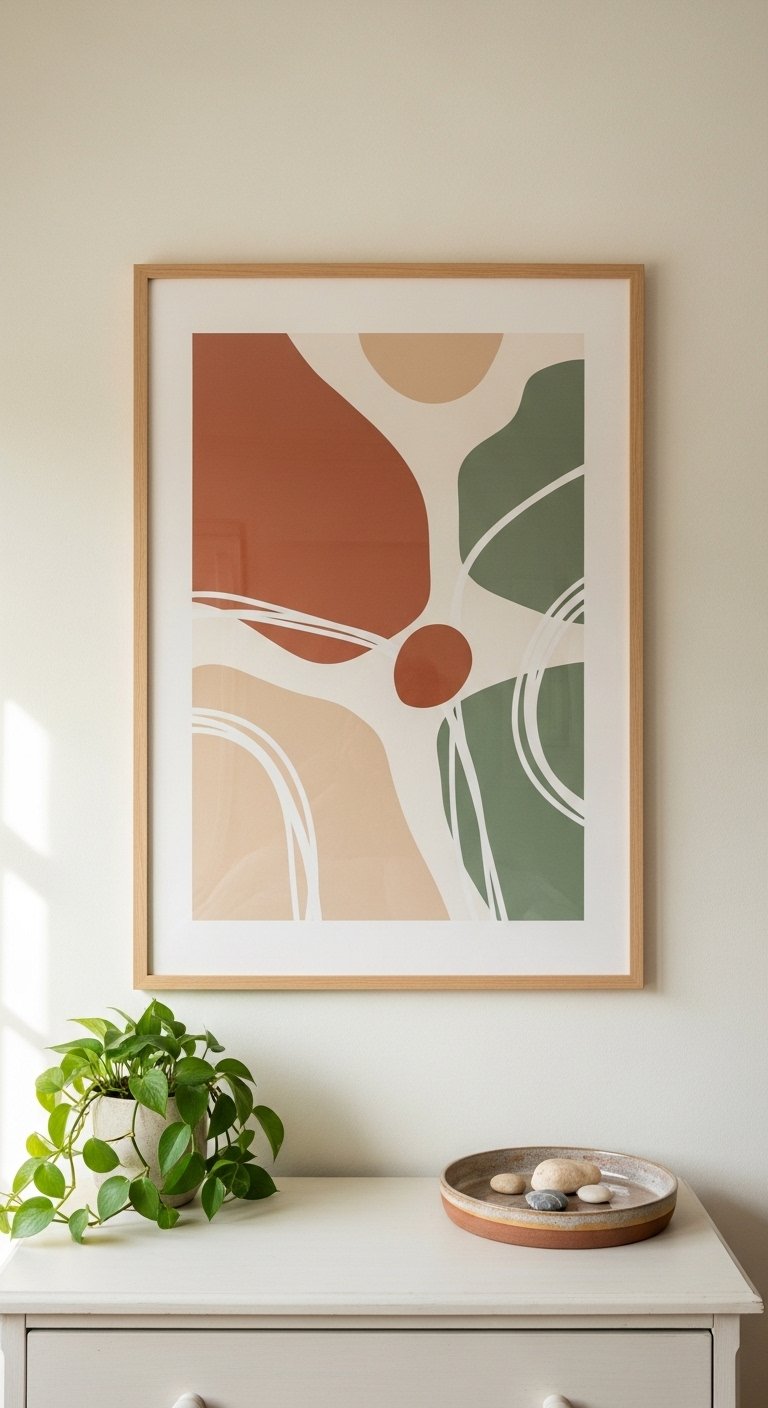
The wall above a dresser is one of the most valuable real estate spots in a bedroom and also one of the most frequently left empty. A single piece of art, or a small curated grouping, positioned centered above the dresser and at a comfortable viewing height makes the dresser itself look like a designed moment rather than just a piece of furniture against a wall.
The art does not need to be expensive. A large-format print from a digital art marketplace, printed at a local print shop and placed in a simple frame, looks genuinely beautiful. A single abstract print in muted tones, a botanical illustration, or a vintage photograph all work well above a bedroom dresser. The frame should coordinate with the mirror if there is one, and with the drawer hardware if the hardware has a finish worth echoing. Do not hang the art too high: the bottom of the frame should sit about six to eight inches above the dresser surface for it to read as connected to the furniture rather than floating on the wall above it.
23. DIY Fabric Canopy
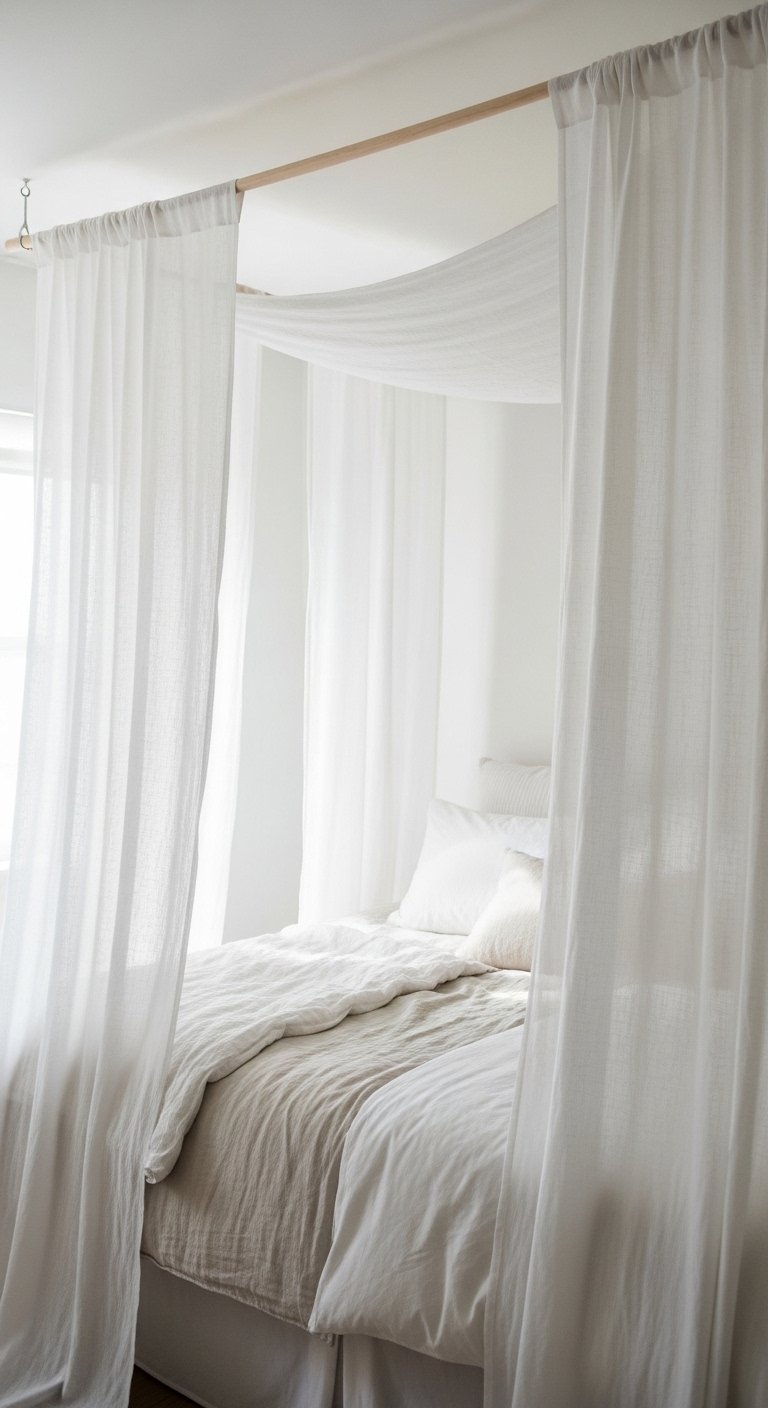
A fabric canopy above the bed creates an immediate sense of enclosure and intimacy that changes the character of an entire bedroom. You do not need a four-poster bed frame to achieve this. A simple canopy can be made by mounting a wooden curtain rod or a piece of doweling to the ceiling above the head of the bed and draping sheer fabric panels on each side of it. The fabric falls to the floor or just past the mattress level on each side.
Sheer white linen or voile gives a light, ethereal look. Heavier velvet or patterned fabric gives a more dramatic, cocooning effect. The canopy does not need to be symmetrical or perfectly geometric to look beautiful: a slightly draped, casual approach often looks more romantic than a stiff architectural installation. Even a single piece of draped fabric looped over a hook in the ceiling directly above the bed has this effect when done with the right material. This project costs very little and has an outsized visual impact.
24. Monochromatic Color Scheme
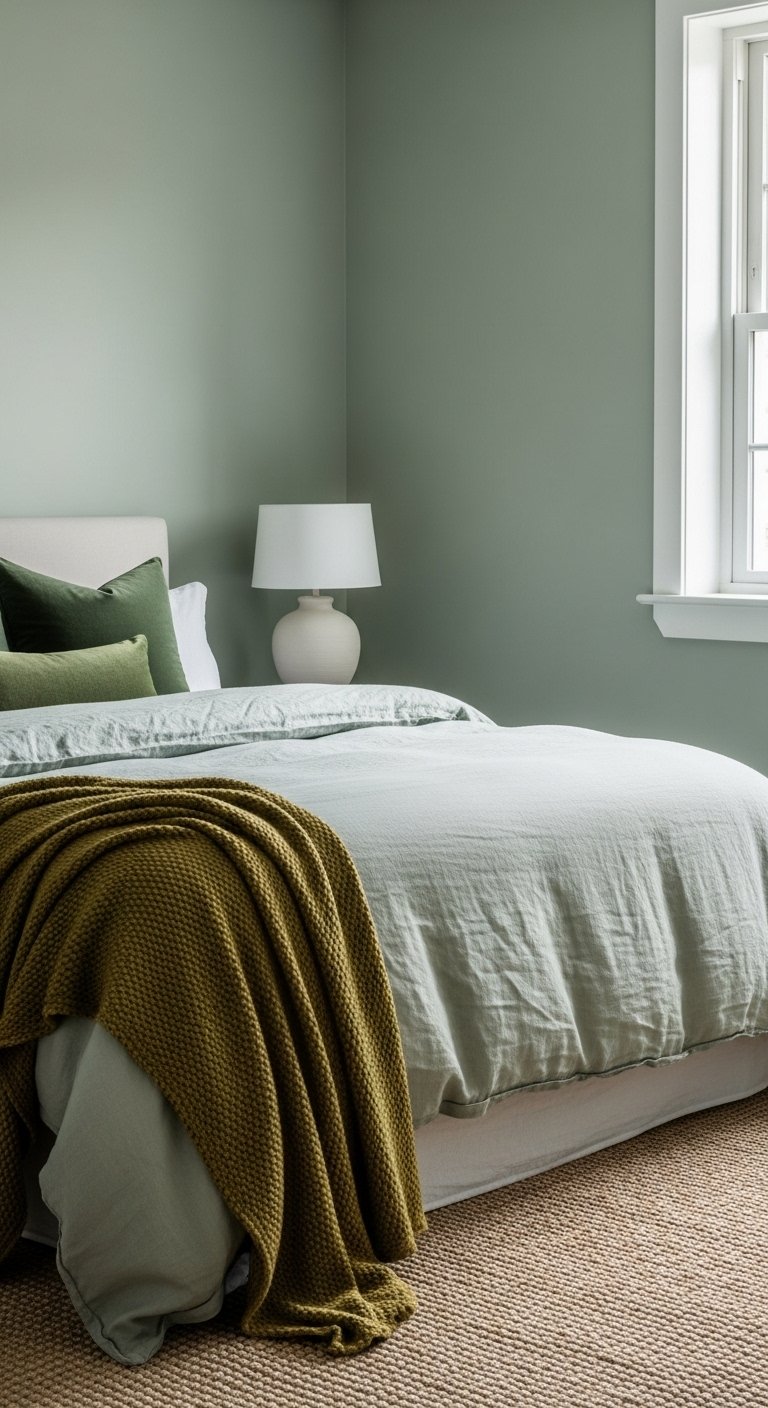
A monochromatic bedroom is one in which almost every surface, textile, and object lives within the same color family, from the lightest tint to the deepest shade. The result is a room that feels deeply calm, highly curated, and more sophisticated than rooms with multiple competing colors. It also means that adding any new element is almost always successful, because everything coordinates with everything else automatically.
The most popular monochromatic bedroom palettes right now are warm whites and creams, soft sage greens, dusty terracotta tones, and cool bluish grays. The trick to making a monochromatic room feel rich rather than flat is the same as with neutrals: vary the textures aggressively. Smooth painted walls, a matte linen duvet, a glossy ceramic lamp base, a rough woven rug, a soft velvet pillow, and a polished wood headboard, all in the same general color family, create a room that is visually interesting because of how differently each material responds to light.
25. Clutter-Free Surfaces
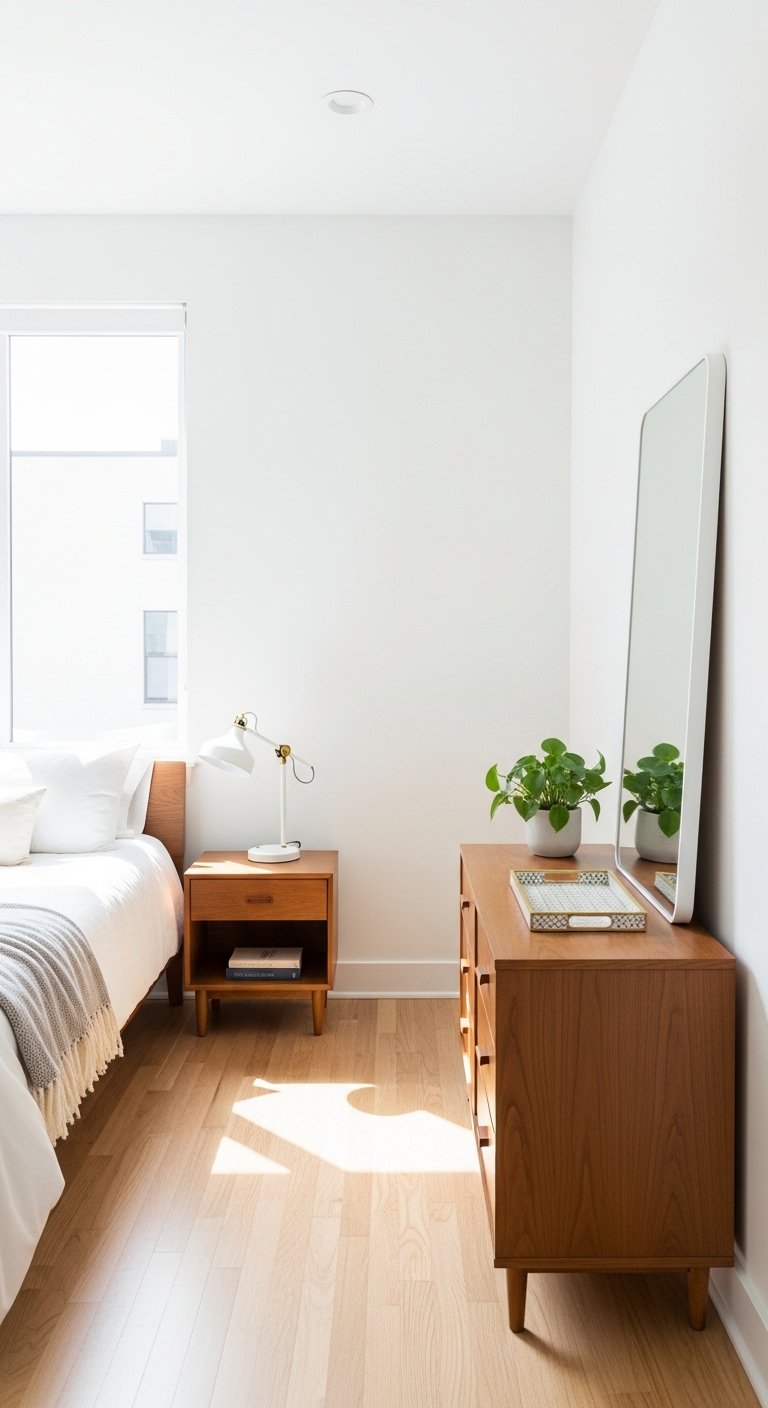
This is the bedroom decor idea that sounds the least exciting but creates the biggest shift in how a bedroom actually feels to be in. Cluttered surfaces make a room feel anxious and unrestful regardless of how beautiful the furniture, the textiles, and the colors are. Keeping surfaces deliberately edited, the nightstand, the dresser top, the windowsill, the floor, means the room’s other qualities can actually be seen and felt.
The practical approach is to give every object that tends to land on bedroom surfaces an actual designated home that is accessible and close. A small tray on the dresser for daily jewelry. A drawer organizer for chargers and remotes. A wall hook for tomorrow’s outfit. A small bin inside the closet door for items to return to other rooms. These are not dramatic organizational overhauls, just small systems that prevent the daily accumulation of objects on surfaces. When surfaces are clear, every styling choice you have made in the room reads clearly instead of being buried under life’s clutter.
Conclusion
A cozy bedroom is not built in a single weekend. It develops over time as you figure out what actually makes you comfortable and what you just thought would look good in a photo. Use this list as a menu to pick from rather than a checklist to complete. Start with the ideas that match how you already live, and let the room grow from there.