20 Cottage Room Ideas Under $200 That Look Like a Pinterest Dream
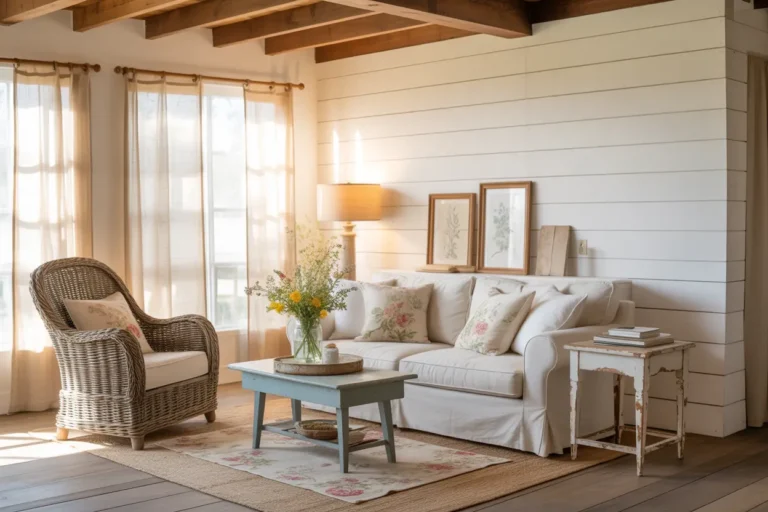
Cottage style has a reputation for being effortlessly charming, and the good news is that the most charming rooms are rarely the most expensive ones. The cottage look is built from honest materials, natural textures, and things that have been lived with rather than things that were bought to impress. That combination is actually more accessible on a modest budget than a high one, since the best cottage pieces are the ones that look slightly worn, slightly old, and entirely genuine rather than the ones that came from an expensive shop. Every idea in this list comes in under two hundred dollars. Most come in well under that. A handful cost nothing at all. All of them can make a room look like it belongs on a Pinterest board dedicated to the very best of cottage interior design.
1. Chalk Paint the Furniture
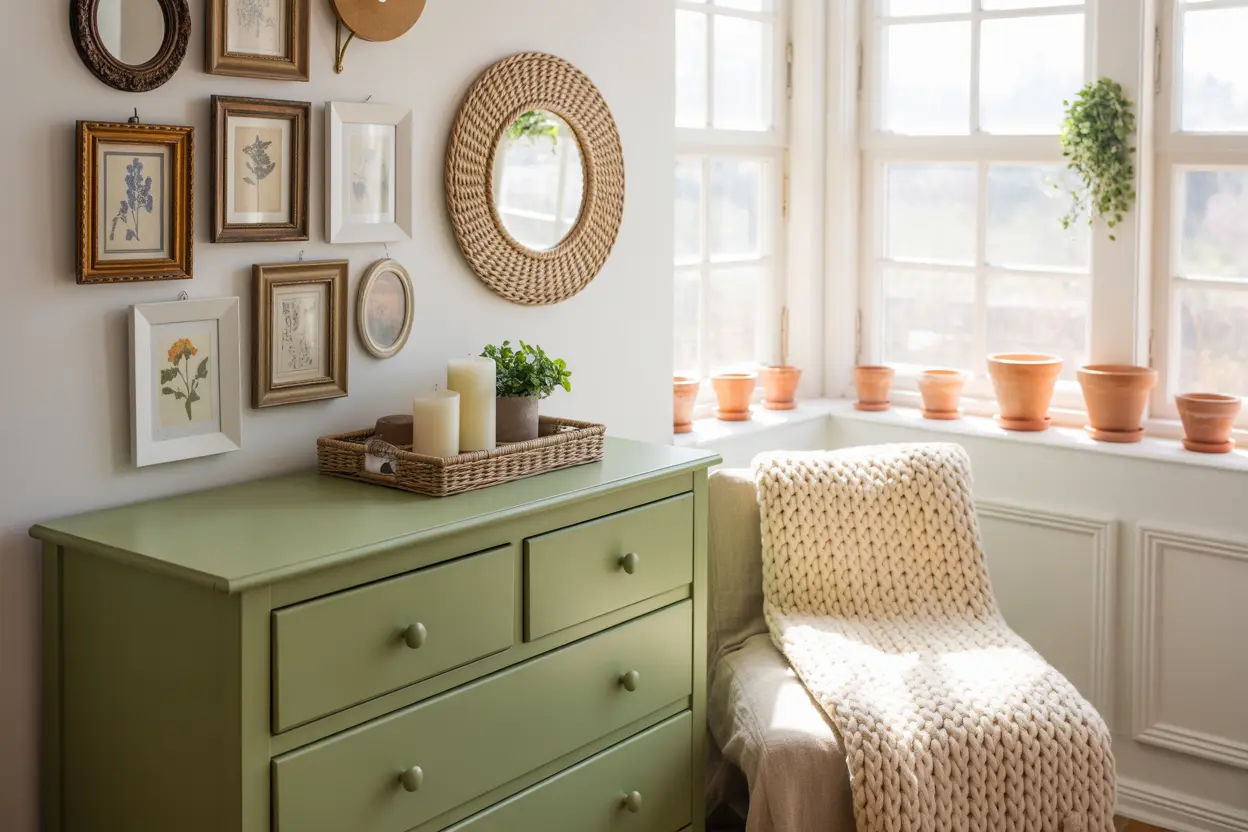
Chalk paint is one of the most useful tools for creating the cottage look on existing furniture because it adheres to most surfaces with minimal preparation, dries to a soft matte finish that can be distressed to reveal the color beneath, and is available in a wide range of tones suited to the cottage palette. A plain oak bookcase painted in a soft dusty sage, an old chest of drawers transformed in a warm cream, or a basic wooden dining chair updated in a muted French blue all become cottage-appropriate pieces with one or two coats of chalk paint and a light wax finish. The technique is genuinely simple and the results look professional even for a first-time painter. The distressing process, which involves sanding the edges and raised areas lightly after the paint dries, creates the exactly right quality of faded, aged paint that cottage furniture needs to look convincing and warm.
2. Curtain Canopy DIY
A DIY curtain canopy above a bed created with nothing more than two ceiling hooks, a wooden dowel cut to width, and two panels of sheer or lightweight linen fabric creates a bedroom feature that photographs beautifully and feels genuinely luxurious to sleep beneath. Screw two cup hooks into the ceiling above the headboard, hang the dowel from them with natural cotton rope or a simple metal chain, and attach the fabric panels to the dowel using simple curtain rings or a rod pocket sewn along the top edge of the fabric. Use two to three meters of fabric per panel so the curtains drape generously down either side of the bed with some pooling on the floor. The total cost including hooks, dowel, rope, and fabric runs to well under fifty dollars in most cases, and the result transforms the bedroom into something that looks far more considered and romantic than the same room without it.
3. Vintage Frame Gallery
A gallery wall made up of vintage frames in mismatched but complementary sizes and finishes is one of the most cottage-authentic wall treatments available because it looks collected rather than purchased. Source frames from thrift stores, estate sales, and charity shops where individual frames in wood, gold, and dark paint often cost between one and five dollars each. Fill them with a mix of content that suits the cottage aesthetic: pressed flowers behind glass, botanical print pages cut from old calendars or secondhand books, personal photographs printed in black and white, pages from vintage illustrated books, and simple watercolor paintings. The mixing of frame styles and image content is what gives the gallery its cottage character. A perfect matching gallery in identical frames reads as contemporary. A slightly imperfect one in varied frames reads as genuinely cottage.
4. Secondhand Floral Fabric
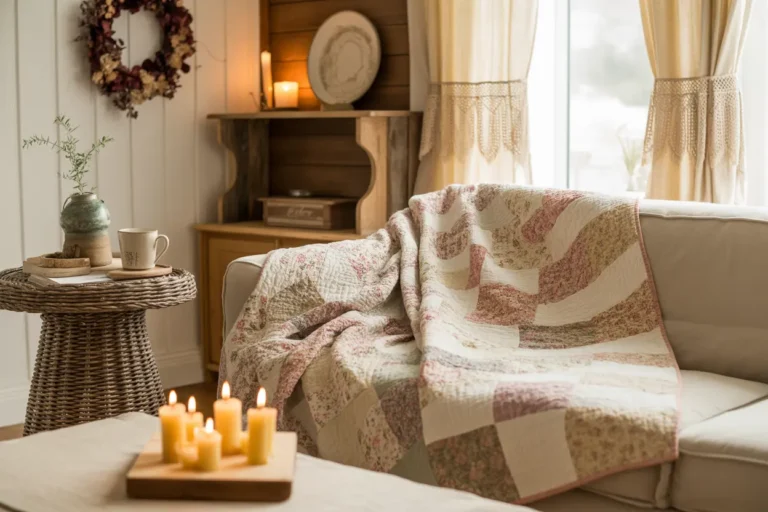
A piece of secondhand floral fabric, whether a length of curtain fabric found at a thrift store, a vintage tablecloth in a floral print, or a section of an old floral quilt cover, can be repurposed in many ways in a cottage room for almost no money. Use it as a throw over the arm of a sofa. Frame a section of a particularly beautiful print and hang it as art. Make simple unlined curtain panels by hemming the edges and adding a rod pocket at the top. Cover plain cushion inserts with new covers cut from the fabric. Use it as a tablecloth, a shelf liner, a door curtain, or even a tacked-up wall hanging. The quality of vintage floral fabric, the slight fading of the colors, the softness of the laundered cloth, and the period character of older print designs, is often better than what can be bought new for the same price.
5. Terracotta Pot Plant Collection
A collection of terracotta pots in different sizes filled with growing plants arranged on a windowsill, a kitchen shelf, a bathroom ledge, or grouped in a corner of a room creates an organic, lived-in quality that makes a cottage room feel genuinely inhabited rather than styled. New terracotta pots are inexpensive, and used ones that have begun to develop white mineral deposits from regular watering look even more authentically cottage than pristine new ones. Group five to seven pots in a range of sizes on a simple wooden tray or a flat stone and fill them with herbs, trailing plants, small succulents, or seasonal bulbs. The terracotta color, a warm orange-red that deepens to brown with age, suits almost every cottage color palette and adds an earthy, grounding quality to any room it is used in. Replace plants seasonally to keep the collection changing and alive.
6. Linen Tablecloth Refresh
A new linen tablecloth on a dining or kitchen table is one of the most immediate and inexpensive ways to shift the atmosphere of a room toward the cottage aesthetic. The natural, slightly textured surface of linen, its tendency to drape softly without stiffness, and the way it absorbs and releases moisture make it the most authentic and practical material for a cottage table. Look for tablecloths in a warm natural linen color, a soft white, or a very simple stripe or check pattern in muted tones. Avoid overly bright or synthetic fabrics since they work against the warm, organic quality that the cottage look depends on. A linen tablecloth in good quality natural fiber typically costs between twenty-five and sixty dollars, lasts for many years with proper care, and improves with washing as the fabric softens and the creases take on the gentle rumple that is part of linen’s particular charm.
7. Rattan Mirror Thrift Find
A round or arch-shaped mirror in a natural rattan or wicker frame is one of the most sought-after cottage decor items and one of the easiest to find at a low price if you look in the right places. Thrift stores, charity shops, and discount home retailers regularly carry rattan mirrors in standard sizes for between ten and thirty dollars. The same mirror at a boutique home decor shop might cost three to five times as much. The rattan frame adds organic warmth and texture to a wall in a way that wood and metal frames approach from different directions but rarely match precisely in a cottage context. A large round rattan mirror on the bedroom wall above a dresser, or in a living room entryway leaning against the wall, reads as an intentional cottage design choice that costs almost nothing to source if you are patient and willing to look at secondhand options before buying new.
8. Pressed Flower Wall Art
Framed pressed flowers are one of the most genuinely cottage pieces of wall art available and one of the most affordable to create yourself. Press flowers between the pages of a heavy book for two to three weeks, then arrange them on a piece of watercolor paper or plain card and frame them behind glass in a simple wooden or thin gold frame. Choose flowers that retain good color when dried, pansies, violets, ferns, small roses, lavender, and chamomile all work particularly well. The resulting piece has a delicate, botanical quality that suits cottage rooms perfectly and costs almost nothing beyond the price of the frames, which can be sourced secondhand for very little. A grouping of three to five pressed flower frames in coordinating sizes and frame styles makes a beautiful and completely unique wall arrangement that no amount of money spent at a decor retailer could purchase ready-made.
9. Vintage Breadboard Display
An old wooden breadboard, a well-worn cutting board, or a collection of vintage kitchen boards hung on a wall or leaned against the kitchen backsplash adds a warm, practical, and visually interesting element to a cottage kitchen for almost nothing. Old breadboards with their rounded ends, worn surfaces, and sometimes painted or carved details have the same honest, functional quality that cottage kitchens value: they show their history in their surface and look better for it. Look for them at secondhand shops, antique markets, and car boot sales where they cost between two and fifteen dollars each. A grouping of three boards in different sizes, shapes, and degrees of wear arranged on a wall hook or leaned against the backsplash of a kitchen shelf creates a tableau that looks collected and cottage-authentic without requiring anything more elaborate than a few simple wall hooks.
10. Crochet or Knit Throw
A handmade-looking crochet or chunky knit throw draped over a sofa, a chair, or the foot of a bed is one of the most immediately cozy and cottage-appropriate textile additions available for a room. Whether actually handmade or purchased from a craft market or online, the visible stitch work of a crochet or knit throw adds a handmade, domestic quality to the room that machine-woven blankets cannot replicate in quite the same way. Look for throws in natural undyed cotton, off-white wool, warm oatmeal, or cream for the most cottage-appropriate color choice. A bold bright color works against the muted, slightly faded quality that cottage textiles generally share. Hang the throw loosely over the back of a chair or sofa with one end trailing toward the floor for the most relaxed and naturally styled result rather than folding it neatly, which makes it look too controlled for the cottage aesthetic.
11. Wooden Window Box
A window box planted with cottage garden flowers and herbs, mounted outside a window or placed on an interior windowsill in a deep wooden tray, brings the cottage exterior look to any home and costs very little to set up and maintain. Outside, plant with sweet alyssum, trailing lobelia, geraniums, and a small lavender or rosemary for a loose, fragrant mix that looks increasingly natural and beautiful as it grows together over the season. Inside, use a slightly narrower box or tray with herbs, small seasonal flowers, and trailing plants that benefit from the light near the window. A simple wooden box can be made from a few lengths of timber and a few screws for under ten dollars, or purchased ready-made from a garden center for a modest amount. Paint it in a cottage color, a chalky white, a muted green, or a faded blue, for the most appropriate finish.
12. Layered Curtain Look
Adding a second curtain layer to an existing window treatment is one of the cheapest and most effective ways to add warmth, depth, and a cottage atmosphere to a room. If the window already has a blind or a sheer panel, adding a pair of simple fabric curtain panels in a lightweight cotton or linen on a rod above creates a layered look that is much more cottagelike than either treatment alone. If the window has existing heavy curtains, adding a sheer linen panel inside the existing rod gives the window a soft, light-filtering quality during the day that the heavy curtains alone cannot provide. Mix textures rather than perfectly matching fabrics, a cotton print outer panel with a plain linen sheer, or a striped cotton with a white voile, for a layered look that suits the slightly imperfect, collected quality of the cottage aesthetic.
13. Botanical Wallpaper Panel
Instead of papering a whole room, applying a single panel of botanical wallpaper in a specific spot, behind a bookshelf, in the recess of an alcove, behind a bathroom mirror, or as a headboard wall feature, uses a small amount of wallpaper very effectively to create a cottage moment in the room without committing to a full room treatment. A single roll of a beautiful botanical wallpaper, which is often enough for a panel or an alcove, can be found for between twenty and fifty dollars. The impact of a botanical print in even a small area of a room is significant and the surrounding plain walls make the patterned section feel even more deliberate and special than it would in a room where every wall was papered. Choose a print in the cottage palette, soft greens, cream, dusty rose, and warm ochre, with a botanical or floral motif that suits the room’s character.
14. Mismatched China Display
A collection of mismatched china, old plates, teacups, and saucers in related patterns and colors displayed on a kitchen shelf, a plate rack on the wall, or a dresser top creates a cottage kitchen quality that perfectly matched modern tableware cannot replicate. The mix of different floral patterns, blue-and-white transferware, gold-rimmed pieces, and simple white pieces in different weights and sizes creates a visual richness and a sense of accumulated household history that reads as authentically cottage. Source pieces individually from thrift stores, charity shops, and antique markets where individual items cost almost nothing and the collection builds over time. Display the most decorative pieces prominently and use the more modest ones for everyday eating. A cottage kitchen that uses genuinely old china for daily meals has a warmth and a comfort that no amount of matching crockery sets can achieve.
15. DIY Herb Drying Rack
A simple herb drying rack made from a small wooden ladder, a dowel hung with twine between two hooks, or a simple branch suspended from the ceiling with natural cord creates a functional and visually charming kitchen feature for almost no cost. Hang fresh herb bundles from the rack as you harvest or purchase them and let them dry in place over one to two weeks. The rack holds rotating bundles of rosemary, lavender, thyme, sage, and whatever else is in season, changing the look and the scent of the kitchen naturally through the year. The dried herbs that result from the rack are then available for cooking and for making simple sachets or decorative bundles for other rooms. A small suspended wooden dowel hung with four or five bundles of drying herbs above a kitchen window or between two shelves is one of the most cottagelike kitchen features possible and costs almost nothing to set up.
16. Candle Lantern Collection
A collection of candle lanterns, whether glass-and-metal lanterns in an antique style, simple glass hurricane vases, or wax-paper lanterns in natural tones, grouped on a mantlepiece, a dining table, or a garden step creates a warm, glowing focal point in a cottage room that changes character as the candles burn down and the light flickers. The lantern format, a housing that contains and protects the candle flame while allowing the light to escape through glass or a translucent material, gives even simple tea light candles a more atmospheric and considered quality than candles placed directly on a surface. Look for lanterns at thrift stores where they are frequently available in a range of sizes and styles for very little. A grouping of three lanterns at different heights on a mantlepiece, styled with dried flowers and a few small stones or pinecones, is a complete and very cottage-like display.
17. Cotton Stripe Kitchen Runner
A cotton stripe runner rug in the kitchen, placed in front of the stove and sink or running along the length of the main work area, adds warmth, color, and a classic cottage-kitchen quality to the floor for a very modest cost. The traditional stripe pattern, whether in navy and cream, sage and white, a soft red and natural linen, or any other cottage-appropriate color combination, has an honest, practical quality that suits a kitchen floor well. Cotton runners are machine washable, which makes them practical as well as attractive in a kitchen environment. They also cushion the floor slightly underfoot, which makes standing at the stove or the sink more comfortable over longer cooking sessions. A standard kitchen runner in cotton or cotton-blend costs between twenty and fifty dollars and makes the kitchen look immediately more warm and personal than a bare tile or wood floor.
18. Wicker Tray Table Styling
A large wicker or rattan tray placed on a coffee table, a kitchen table, or a side table creates a contained and visually warm surface arrangement that suits the cottage aesthetic perfectly. Fill the tray with a small cluster of candles, a trailing plant in a small terracotta pot, a stack of two books with a simple ceramic object on top, and perhaps a small bowl of dried lavender or pine cones. The tray corrals these objects into a single cohesive vignette that reads as thoughtfully arranged rather than casually placed. The natural material of the wicker or rattan adds organic warmth to the surface that a wooden or metal tray does not quite match in a cottage context. Look for wicker trays in a range of sizes at discount home stores and online where they are generally very inexpensive, often under fifteen dollars for a useful size.
19. Lace Trim Bed Pillowcases
Adding a set of lace-trimmed linen or cotton pillowcases to a cottage bedroom bed costs very little and immediately shifts the pillow arrangement toward a more romantic and traditionally cottage-appropriate look. The lace trim, whether applied as a border along one edge of the case or as a complete crochet or tatted lace edging around the pillow opening, adds a delicate, handmade detail that contrasts beautifully with the softness of the linen or cotton beneath it. Look for lace-trimmed pillowcases at specialist linen shops, antique textile dealers, and online where both new and vintage versions are available. Plain white or natural cotton cases can also be upgraded with a length of cotton lace trim sewn along one edge by hand using a simple running stitch, which takes about twenty minutes per pillowcase and costs almost nothing in materials beyond the lace itself.
20. Warm Edison Bulb Lighting
Replacing standard bulbs in a cottage room with warm Edison-style LED bulbs, the type with a visible filament and a warm amber glow, changes the quality of the light in the room from functional to atmospheric in a way that immediately makes the space feel more warm and cottage-like. Edison bulbs in a clear glass envelope with a visible glowing filament produce a light that reads as both nostalgic and genuinely warm, sitting at the very low end of the warm spectrum around two thousand to twenty-two hundred Kelvin. They look particularly beautiful in simple pendant fixtures, in exposed bulb wall sconces, and in table lamps with clear glass bases where the bulb itself is visible and becomes part of the lighting composition. A single Edison bulb in a simple cage pendant above a dining table transforms the evening quality of a room at a cost of under ten dollars per bulb and requires no other changes to achieve a significant atmospheric improvement.
The most convincing cottage rooms are almost never the most expensive ones. They are the ones where someone took the time to find the right things, whether from a thrift store, a garden, a grandparent’s attic, or a simple DIY project, and arranged them with genuine care. The budget is less important than the intention.