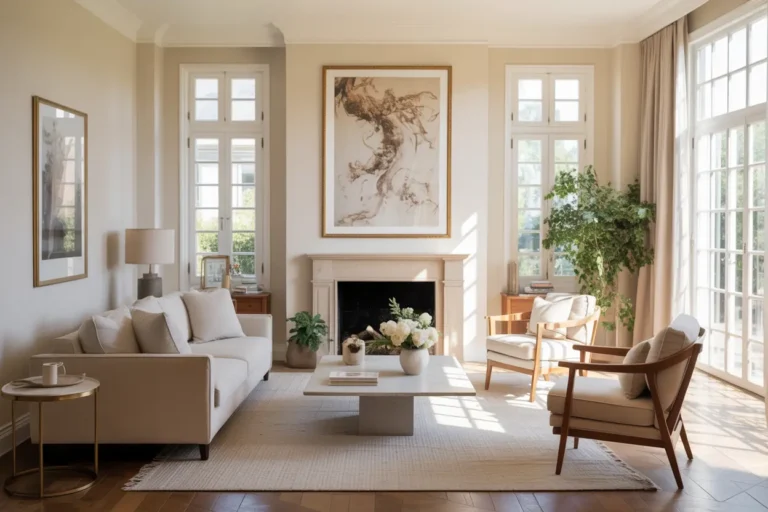
15 Tiny Living Room Ideas That Feel Surprisingly Spacious
Does your living room feel too small and cramped? You are not alone. Millions of people in the USA live in homes with tiny living rooms, and many of them have no idea how easy it is to fix that feeling. The good news is that you do not need to knock down walls or spend a lot of money.
With the right small living room ideas to make it feel bigger, even the most cramped space can feel open, fresh, and cozy. In this article, you will find 15 simple and practical ideas that really work. Whether you are renting or own your home, these tips are easy to try today. Let’s make your tiny living room feel surprisingly spacious!
1. Paint Your Walls a Light, Neutral Color
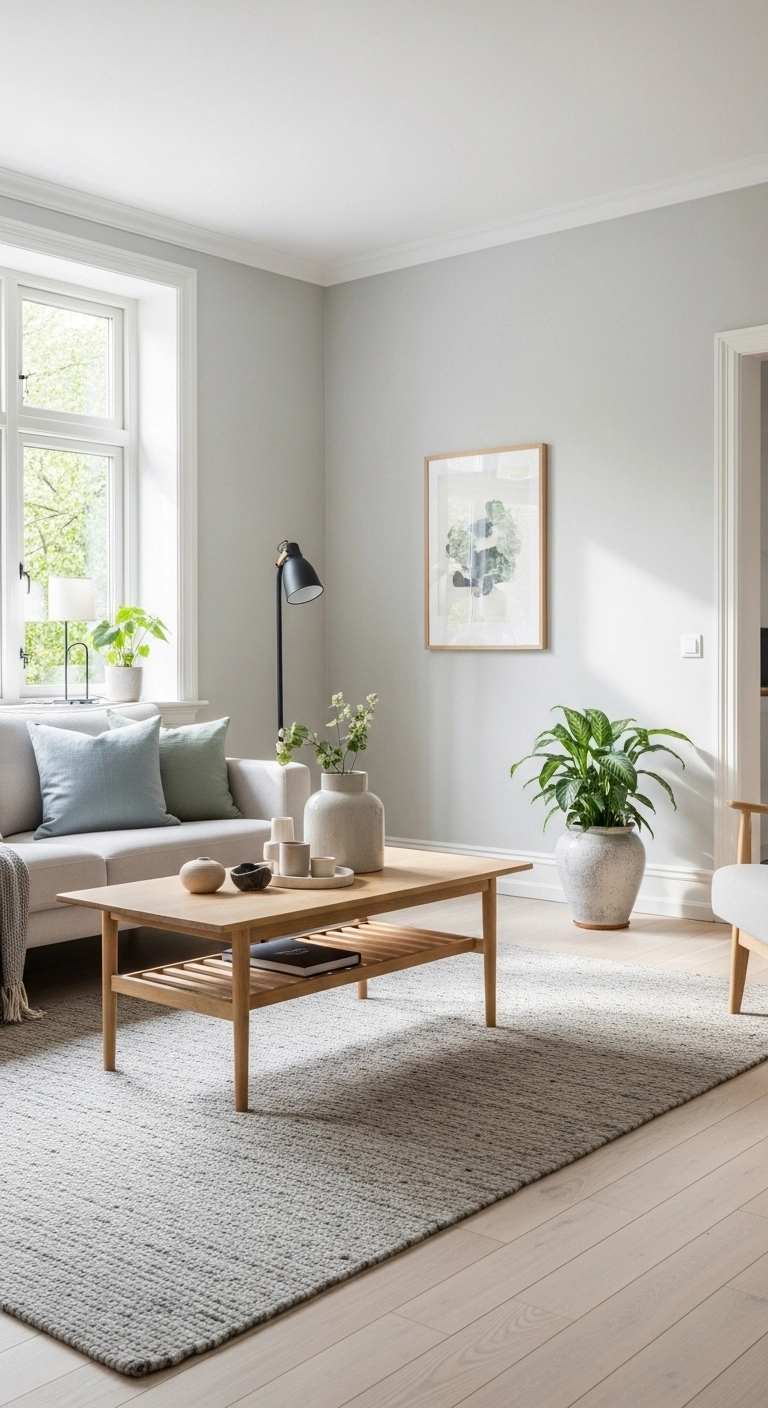
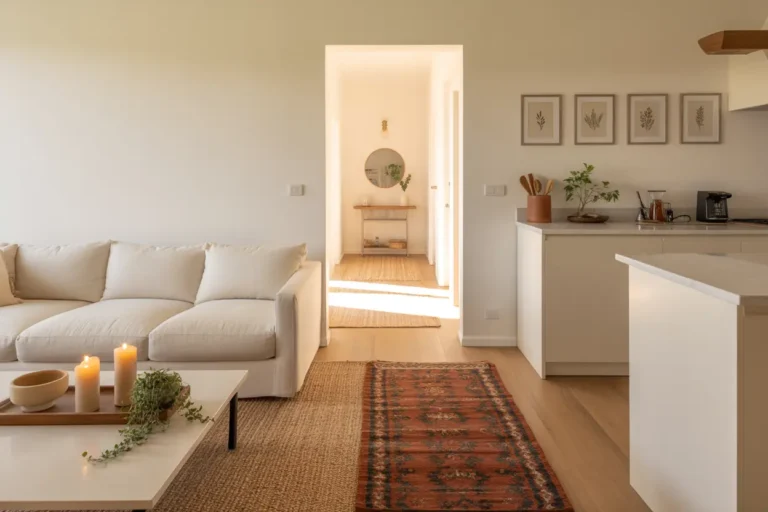
One of the easiest ways to make a small living room feel bigger is to paint the walls a light color. Shades like soft white, warm beige, pale gray, or creamy off-white reflect natural light and make the walls seem to push back. Dark colors do the opposite. They close a room in and make it feel heavy.
You do not need to repaint every wall the same color, either. Try painting three walls a soft neutral and one wall a slightly deeper but still light shade. This adds depth without making the room feel dark or small. It is one of the most budget-friendly small living room makeover tricks you can do in a single weekend.
2. Choose Furniture With Legs to Open Up the Floor
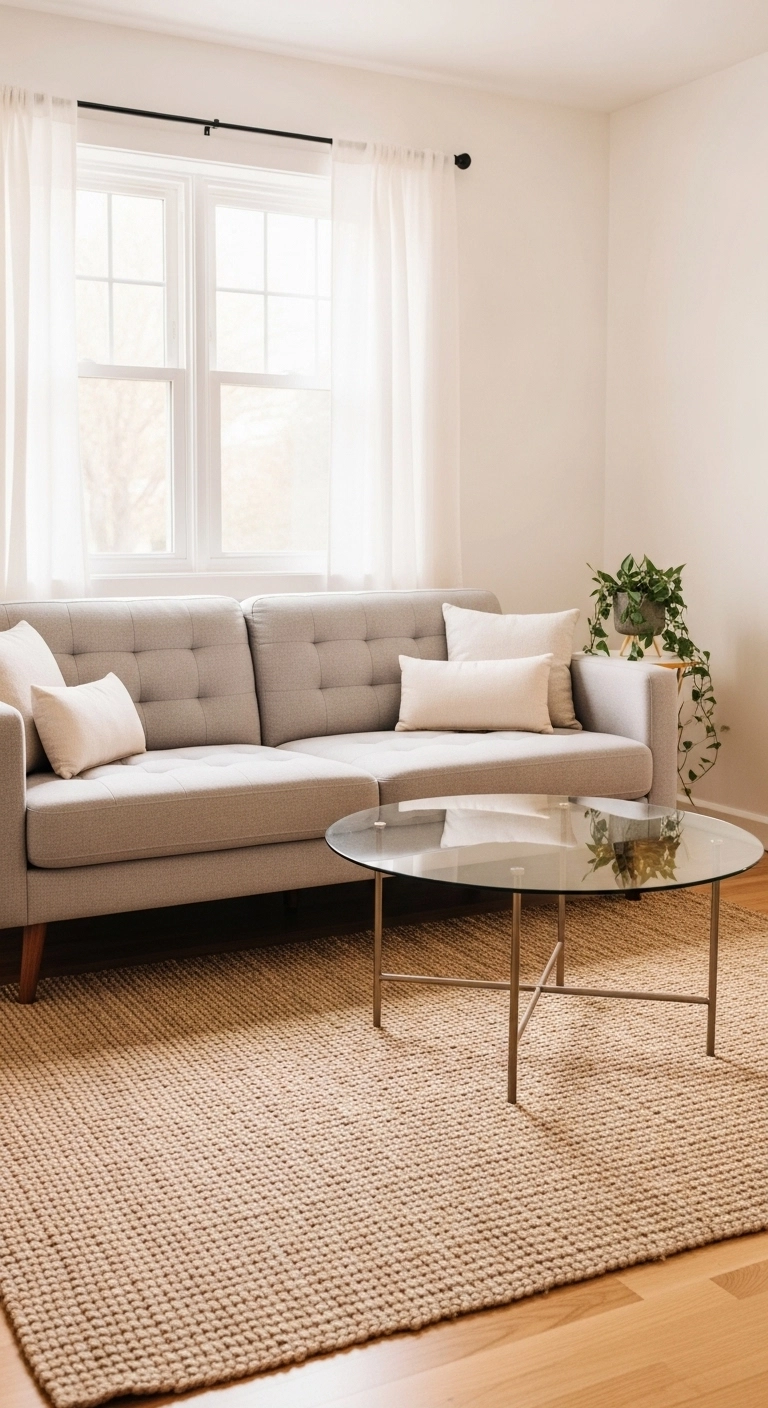
When furniture sits flat on the floor with no space underneath, the room feels heavy and closed in. Choosing sofas, chairs, and side tables that have visible legs instantly lifts the look of the room. Your eyes can see the floor beneath the furniture, which makes the whole space feel more open and airy.
This is one of the smartest small living room furniture arrangement tricks because it works without moving anything out. Swap a boxy sofa for one with slim tapered legs, or replace a solid coffee table with a glass-top version on metal legs. Even a few inches of visible floor space makes a huge difference in how large your living room feels.
3. Use Mirrors to Reflect Light and Create Depth
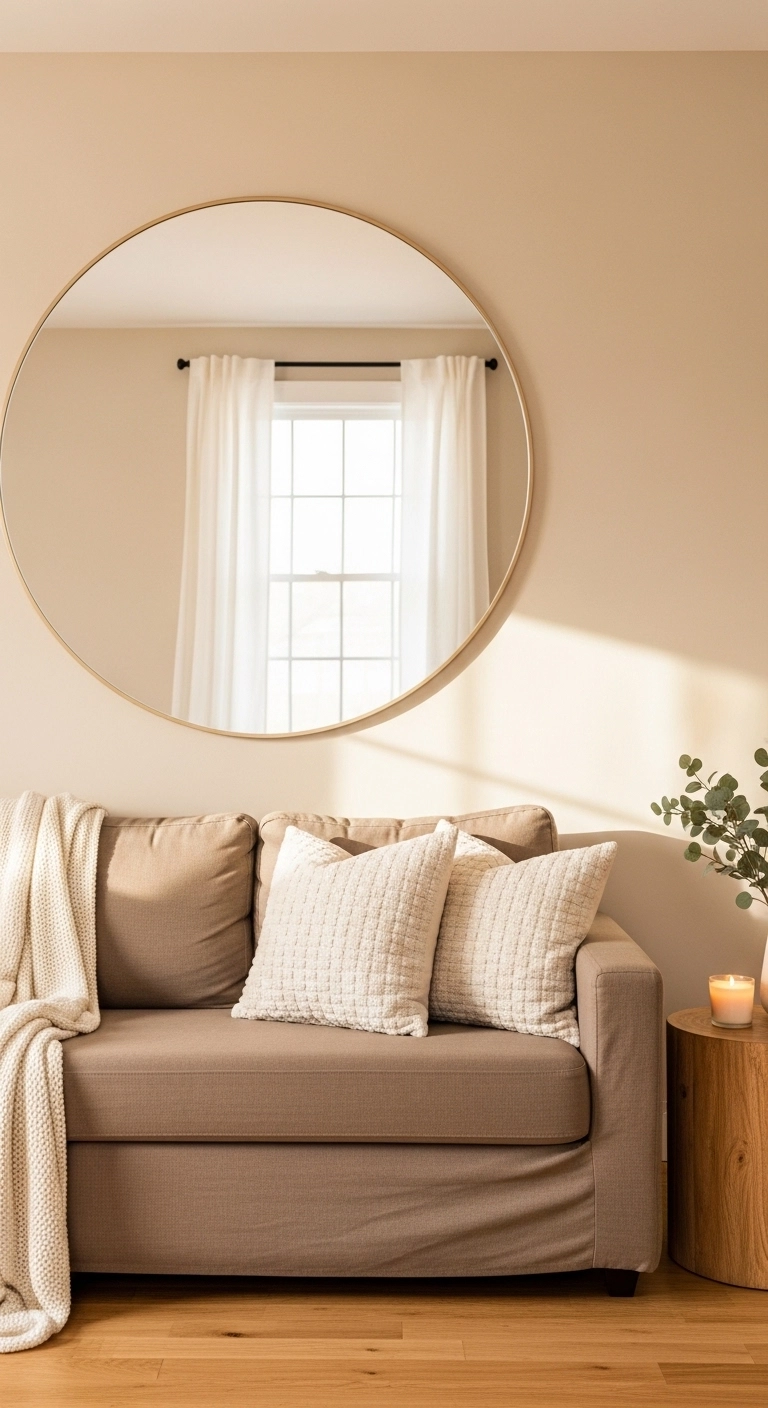
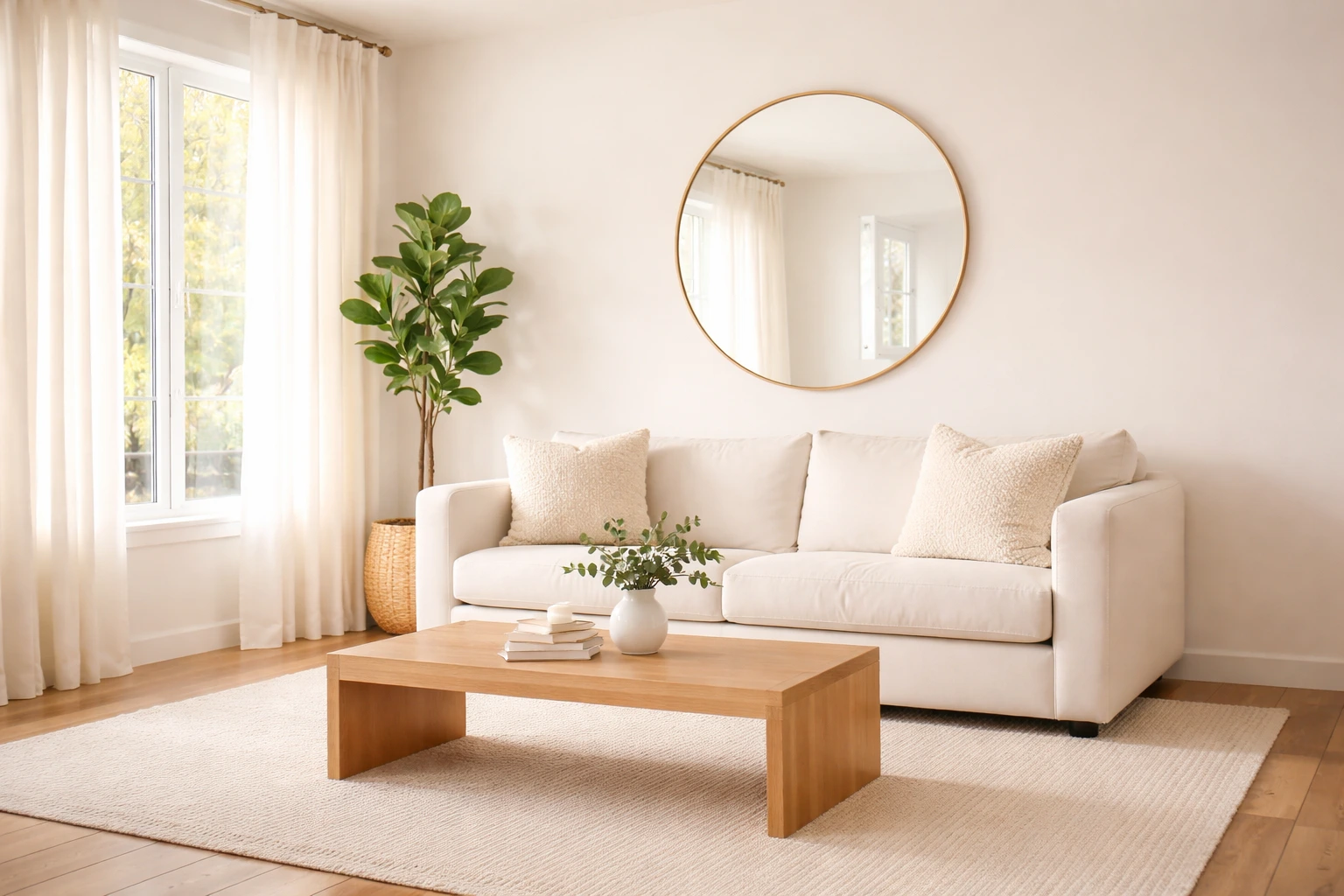
Hanging a large mirror on one of your walls is one of the oldest tricks to maximize small spaces, and it still works perfectly today. A mirror reflects both natural and artificial light, which makes the room feel brighter. It also creates the visual illusion that the room goes on further than it really does.
For the best results, place a large mirror on the wall directly across from a window. This bounces the most light around the room and gives you that open floor plan feel without touching a single wall. You can use one oversized mirror or arrange a small group of smaller mirrors in a stylish cluster. Either way, the effect is a room that looks and feels much bigger than it actually is.
4. Pick a Sofa That Fits the Room, Not the Catalog
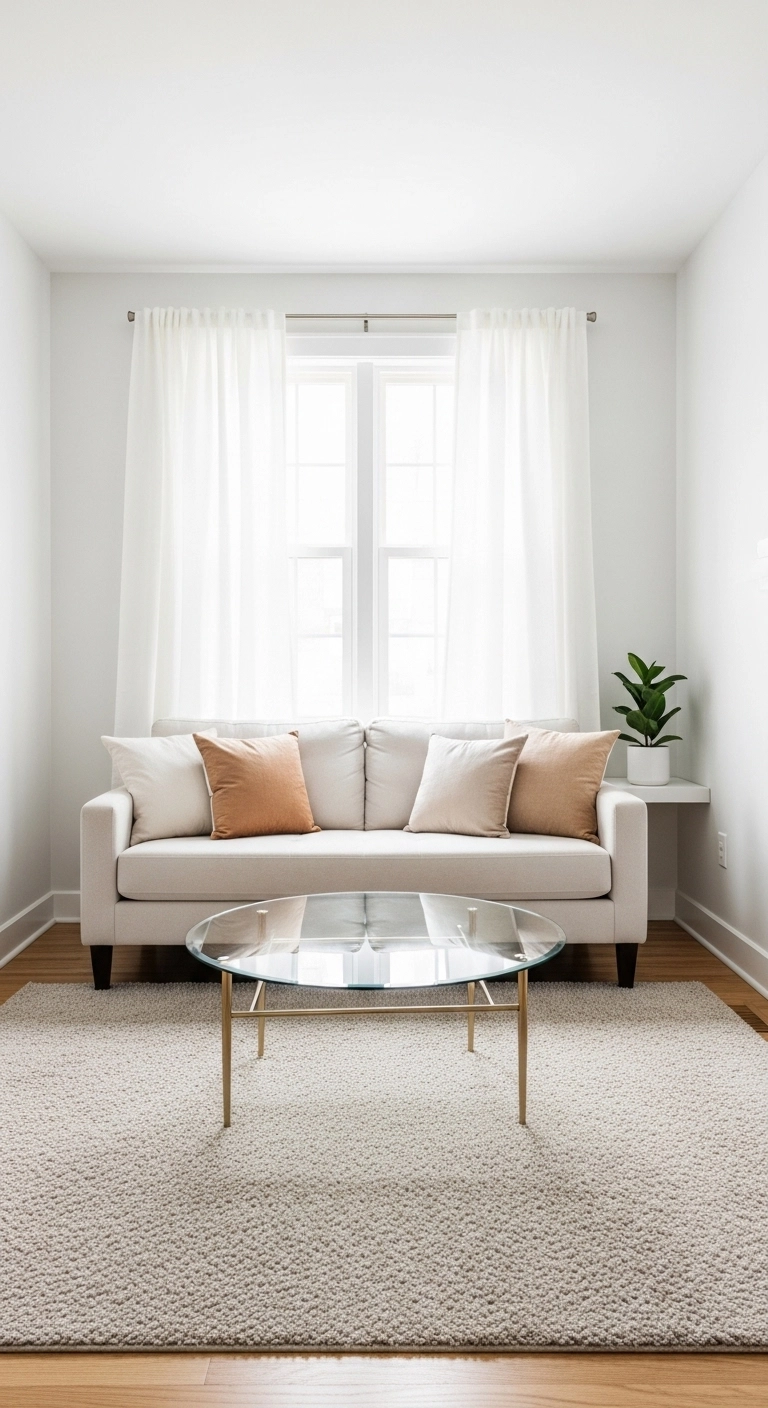
A lot of people make the mistake of buying a sofa that is too big for their small living room. An oversized couch can eat up most of the floor space and make the whole room feel stuffed. Instead, look for a smaller two-seat or apartment-size sofa that leaves breathing room on both sides.
When you are shopping, always measure your space first and bring those numbers with you. A sofa that fits well makes the room feel balanced and put together. Pair it with one small accent chair instead of a full sectional, and you will have a cozy, small living room that still has plenty of space to move around in.
5. Use Vertical Space With Tall Shelves and High Curtains
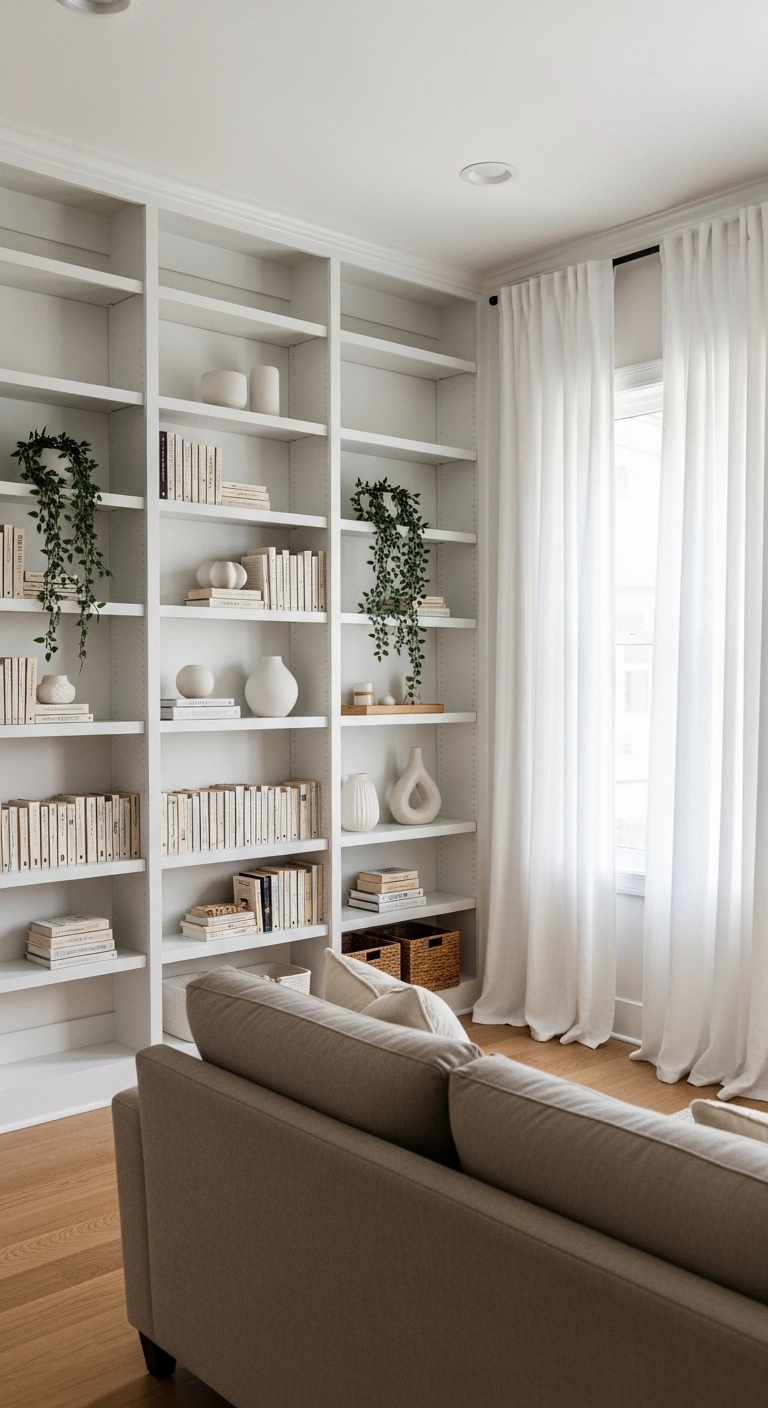
Most people only decorate from the floor to about eye level. But in a tiny living room, going vertical is one of the best ways to make the space feel taller and bigger. Hang your curtains as close to the ceiling as possible and let them fall all the way to the floor. This draws the eye upward and makes the ceiling look much higher than it is.
Tall bookshelves work the same way. A floor-to-ceiling shelf adds storage, style, and height to the room all at once. You can use it to store books, small plants, candles, or decorative baskets. Using vertical space is one of the smartest tiny living room decorating ideas because it costs very little but makes a big visual impact.
6. Choose a Light-Colored Rug That Anchors the Space
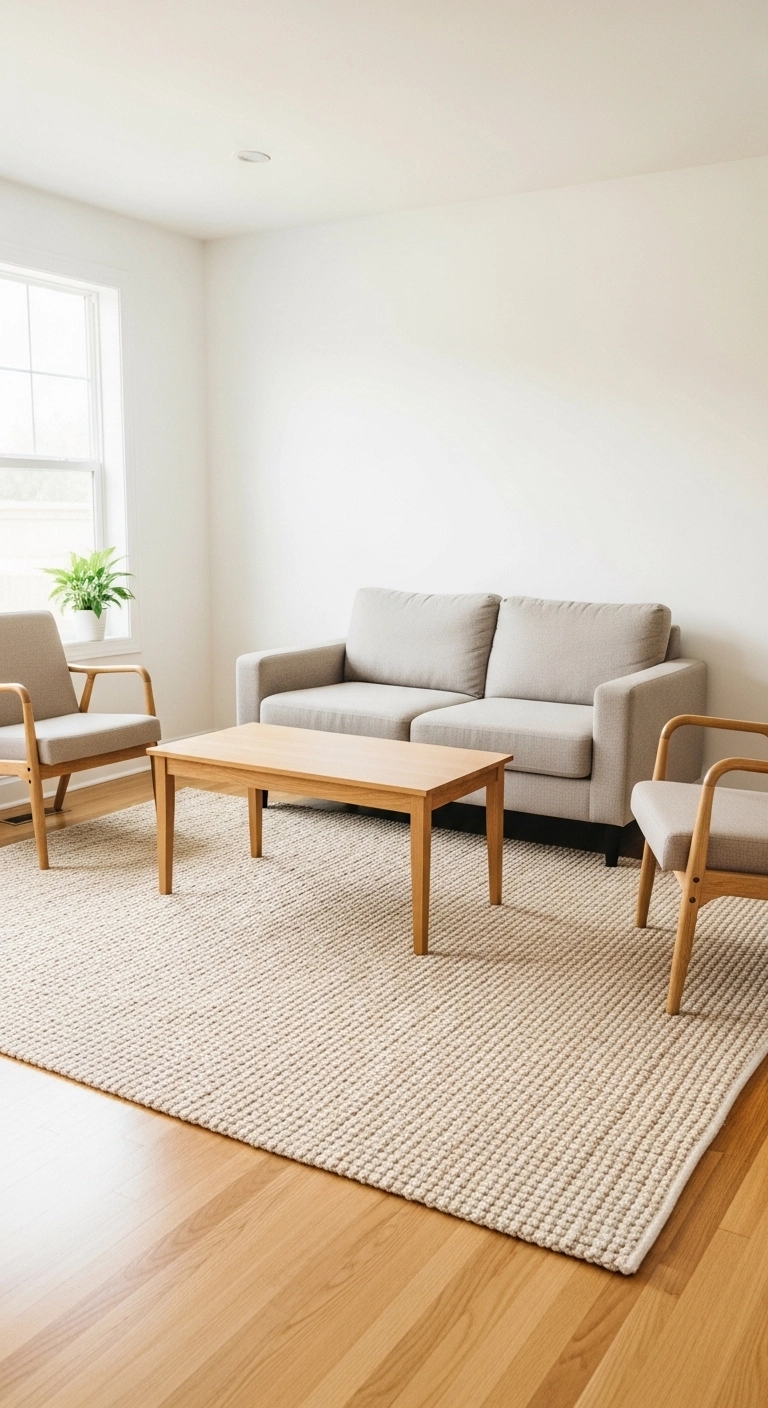
A rug in a small living room can either open the space up or close it in, depending on the color and size you pick. A light-colored rug in cream, soft white, or warm beige keeps the floor feeling open and adds a sense of calm to the room. Dark or very busy rugs tend to make a small space feel cluttered and heavy.
Size matters just as much as color. Many people pick a rug that is too small, which makes the furniture look like it is floating. Choose a rug that is large enough for the front legs of your sofa and chairs to sit on. This ties the whole seating area together and helps how to make a small living room look larger, feel almost effortless.
7. Use Multifunctional Furniture to Save Space
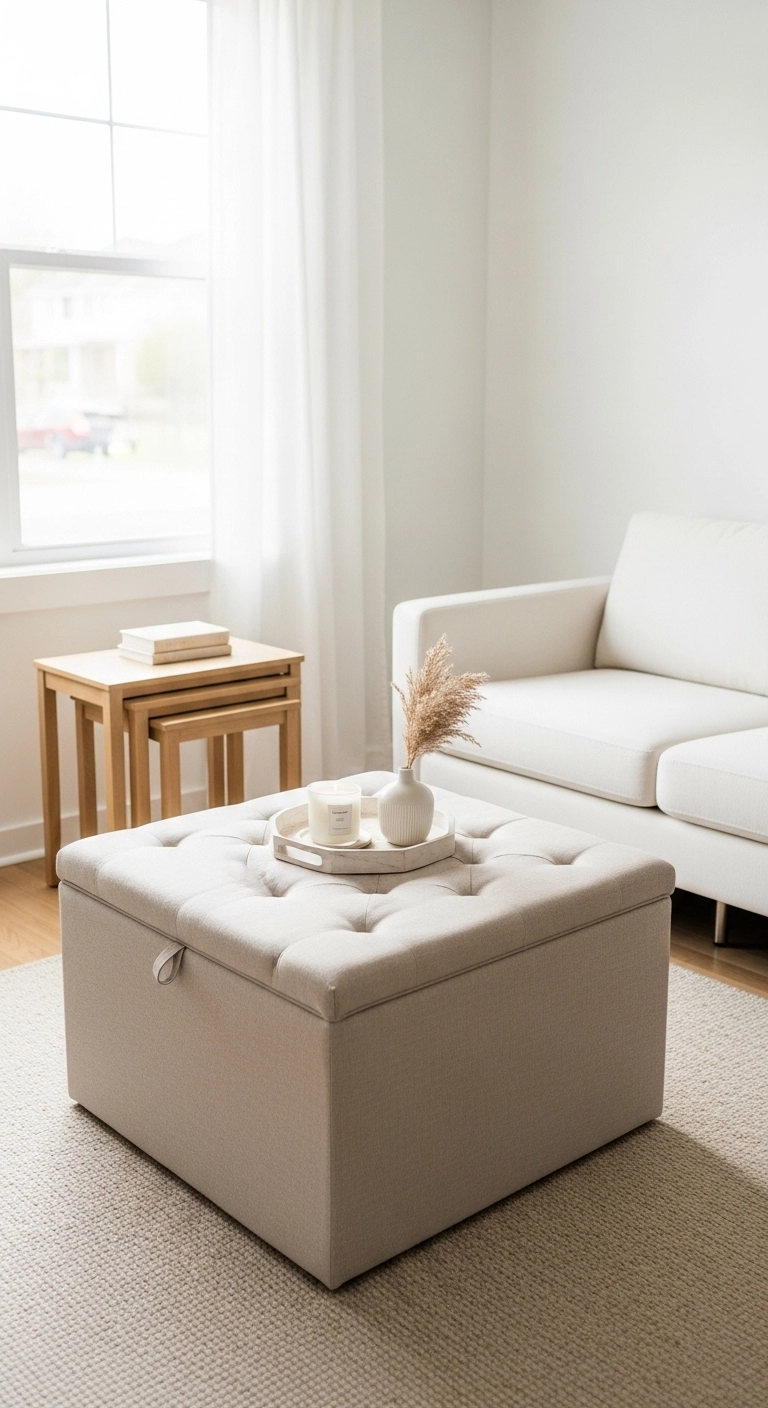
In a tiny living room, every piece of furniture needs to earn its place. Multifunctional furniture is one of the best ways to get more out of a small space without adding more stuff. A storage ottoman, for example, can work as a coffee table, extra seating, and a place to store blankets all at the same time.
Look for sofas with built-in storage underneath, nesting tables that tuck away when not in use, or a console table that doubles as a desk. These smart choices help you maximize small spaces without making the room feel crowded. When each piece of furniture does more than one job, you end up with a cleaner, more open, and better-organized living room.
8. Keep Clutter Off Surfaces and Go Minimal With Decor
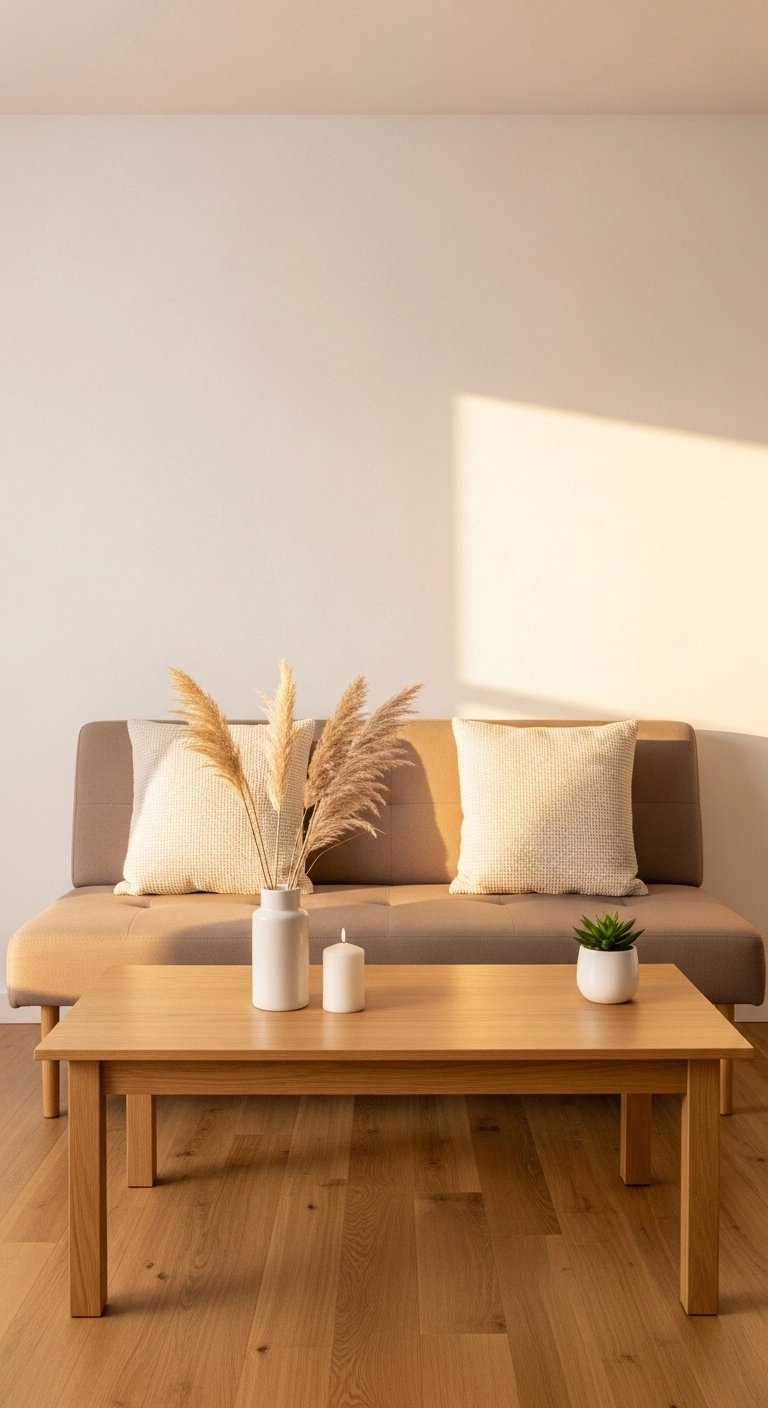
One of the biggest reasons a small living room feels cramped is too much stuff sitting out on every surface. When shelves, tables, and windowsills are covered with random items, the room feels busy and closed in. Going minimal with your decor is one of the simplest and most effective visual space illusions you can use.
Choose two or three meaningful decorative pieces and let them breathe with space around them. A single vase with fresh stems, one candle, and a small tray on the coffee table is all you need. Putting things away and keeping surfaces clear makes the whole room feel calmer, bigger, and more put-together without spending a single dollar.
9. Bring in Natural Light With Sheer Curtains
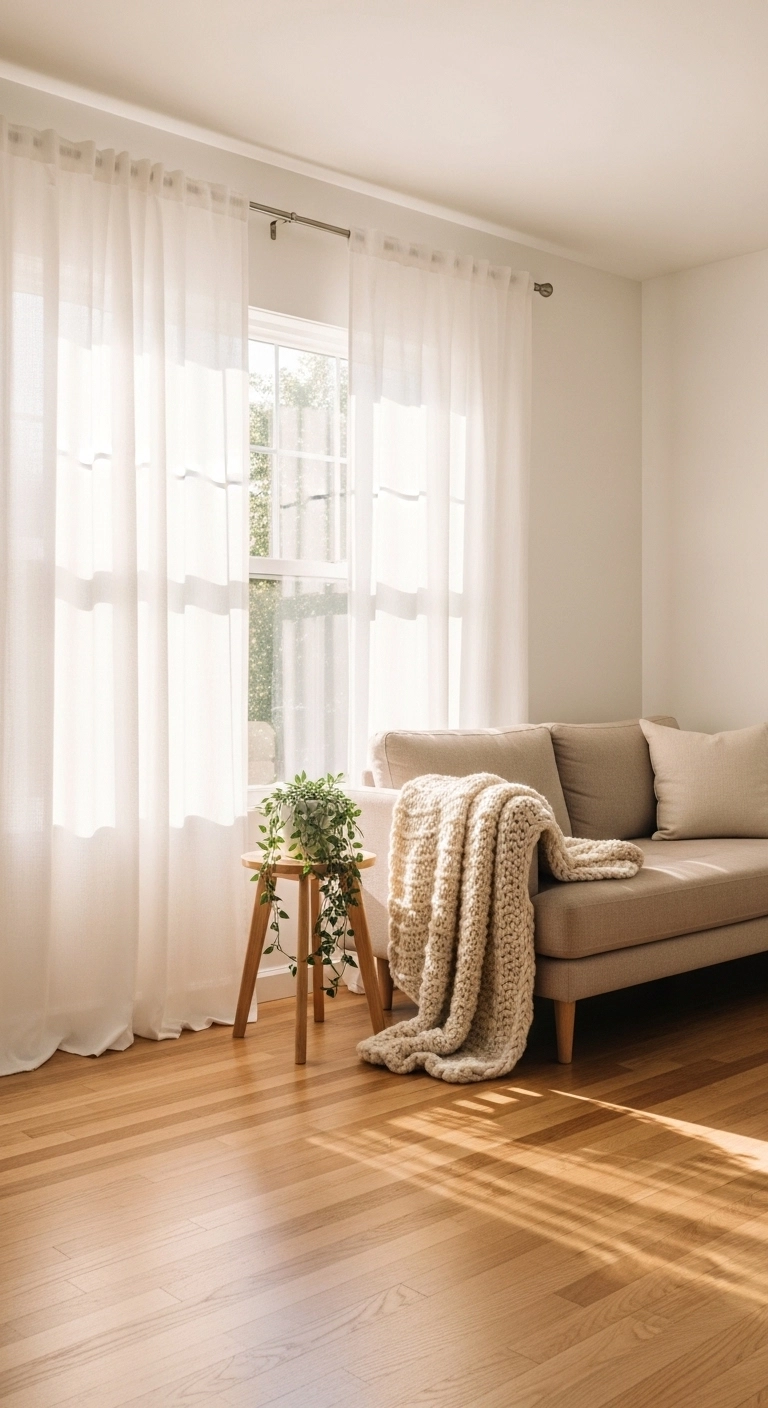
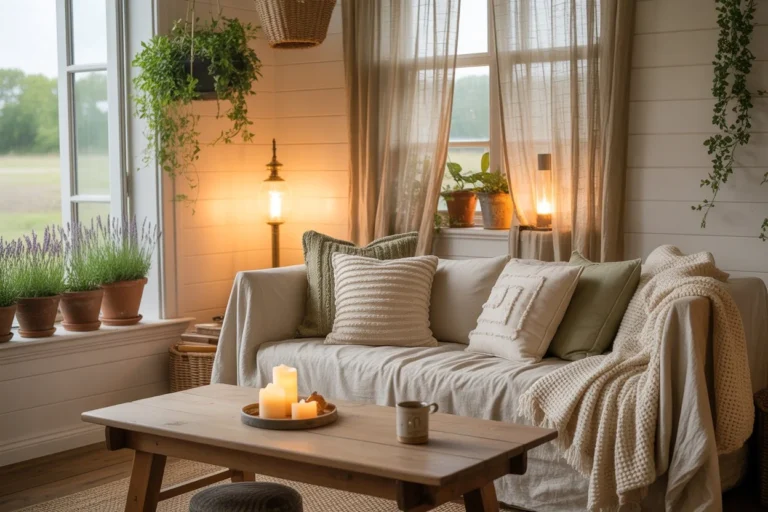
Heavy curtains block light and make a small living room feel darker and smaller than it really is. Swapping them out for sheer white or light linen curtains is one of the easiest and most affordable cozy small living room ideas you can try. Sheer curtains let natural light pour in while still giving you a little privacy.
Hang the curtain rod as high as possible and use panels that are wide enough to cover the full window when open. When the curtains are pushed to the sides, they frame the window beautifully and let in the most light possible. More natural light instantly makes the room feel bigger, fresher, and more inviting without changing anything else.
10. Use a Light-Colored or Glass Coffee Table
The coffee table sits right in the middle of your living room, which means it takes up a lot of visual space. A big dark wood coffee table can make a small room feel heavy and blocked. Choosing a glass-top coffee table or one in a light natural wood finish helps the room feel more open and less cluttered.
A glass table is especially great because your eyes can see right through it, which gives you that light and airy rooms feel even in a tight space. If you prefer wood, go for a round table in a pale oak or white washed finish. Round tables also work better in small spaces because they have no sharp corners, which makes it easier to move around the room comfortably.
11. Paint or Use the Same Color on Walls and Trim
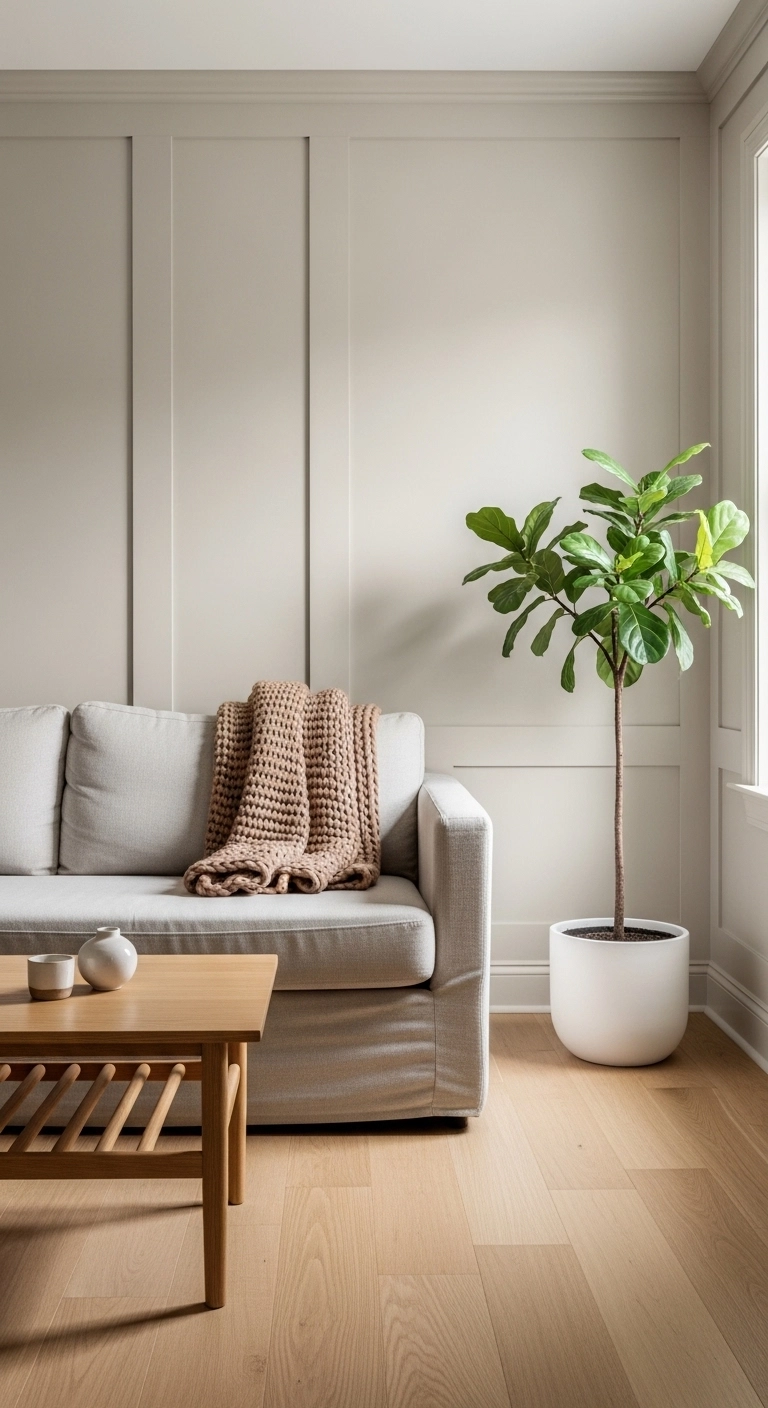
Most people paint their walls one color and their trim and baseboards bright white. This creates a lot of contrast that actually cuts the room up visually and makes it feel smaller. One of the lesser known small living room ideas to make it feel bigger is to paint the walls and trim the exact same color.
When the walls and trim match, the eye does not stop at the edges of the room. Everything blends, and the space feels smoother and more continuous. This works especially well with soft warm whites, pale greiges, or light creamy tones. It is a simple paint trick that designers use all the time, and it costs no more than a regular paint job.
12. Add a Large Piece of Wall Art to Create a Focal Point
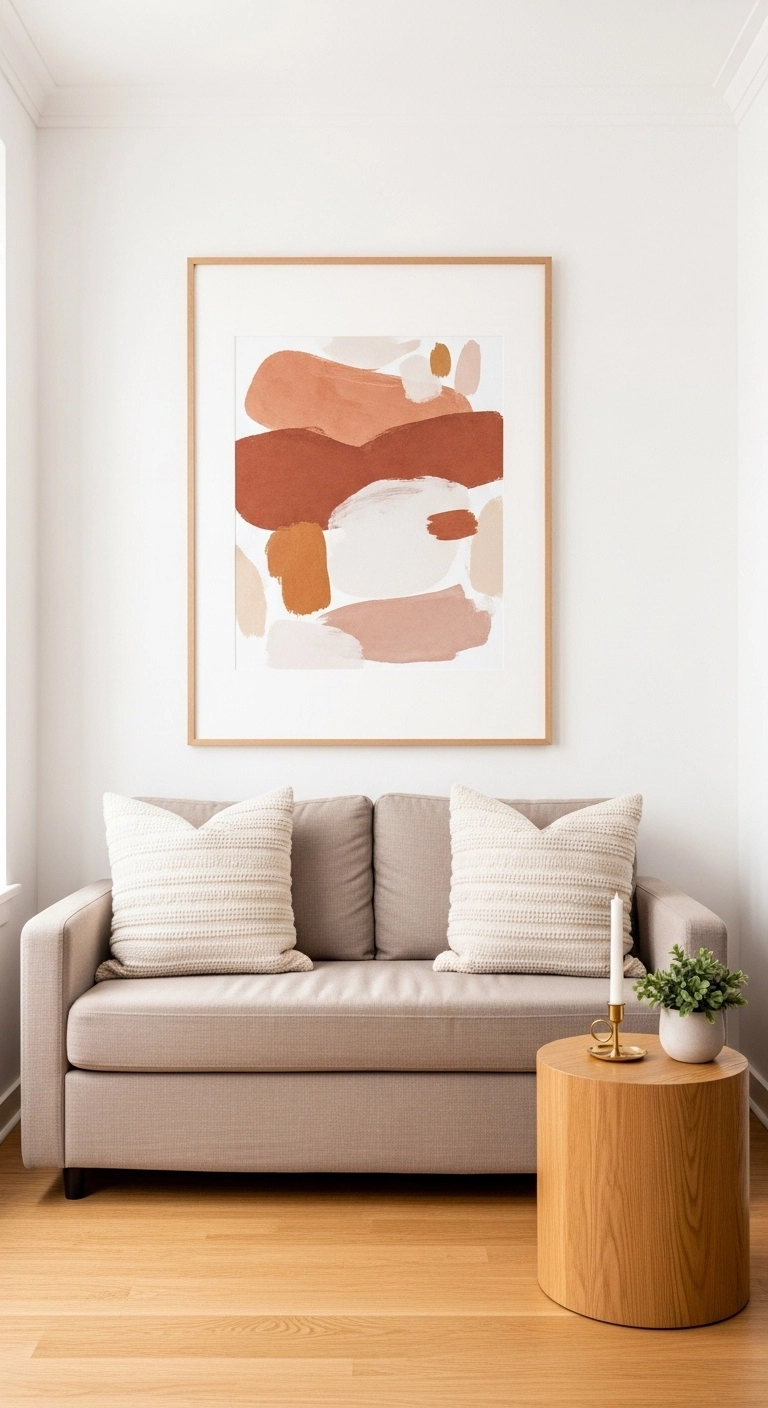
In a small living room, having one strong focal point actually makes the space feel more intentional and less chaotic. A large piece of wall art above the sofa gives the eye somewhere to land and makes the room feel designed and pulled together. It also draws attention upward, which makes the ceiling feel higher.
Choose one big print or canvas instead of a bunch of small frames scattered around. A large piece in soft neutral tones or simple black and white works beautifully in most cozy small living room styles. Keep the rest of the walls clear so the art can breathe and do its job. This is one of those tiny living room decorating ideas that looks expensive but does not have to be.
13. Use Floating Shelves Instead of Bulky Storage Units
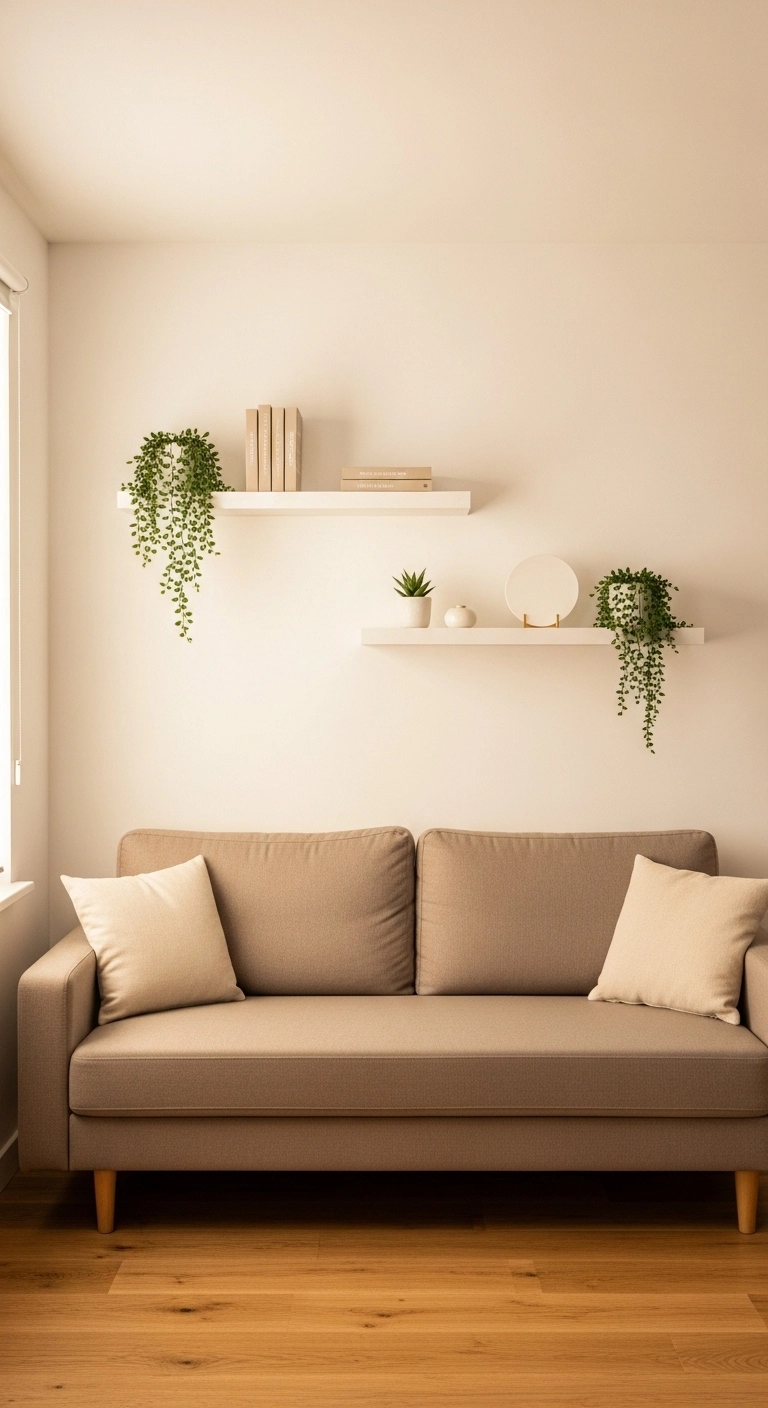
Big storage cabinets and bookshelves that sit on the floor take up valuable square footage in a tiny living room. Floating shelves are a much smarter option because they give you storage and display space without using any floor space at all. They are mounted directly on the wall, which keeps the floor open and the room feeling larger.
Keep floating shelves simple and organized. Place a few small plants, a candle, and a couple of books on each shelf rather than cramming them full. When shelves are neat and lightly decorated they add style to the room without adding visual clutter. This is one of the most practical tiny living room decorating ideas for anyone who needs storage but does not want to sacrifice space.
14. Stick to a Simple Two or Three Color Palette
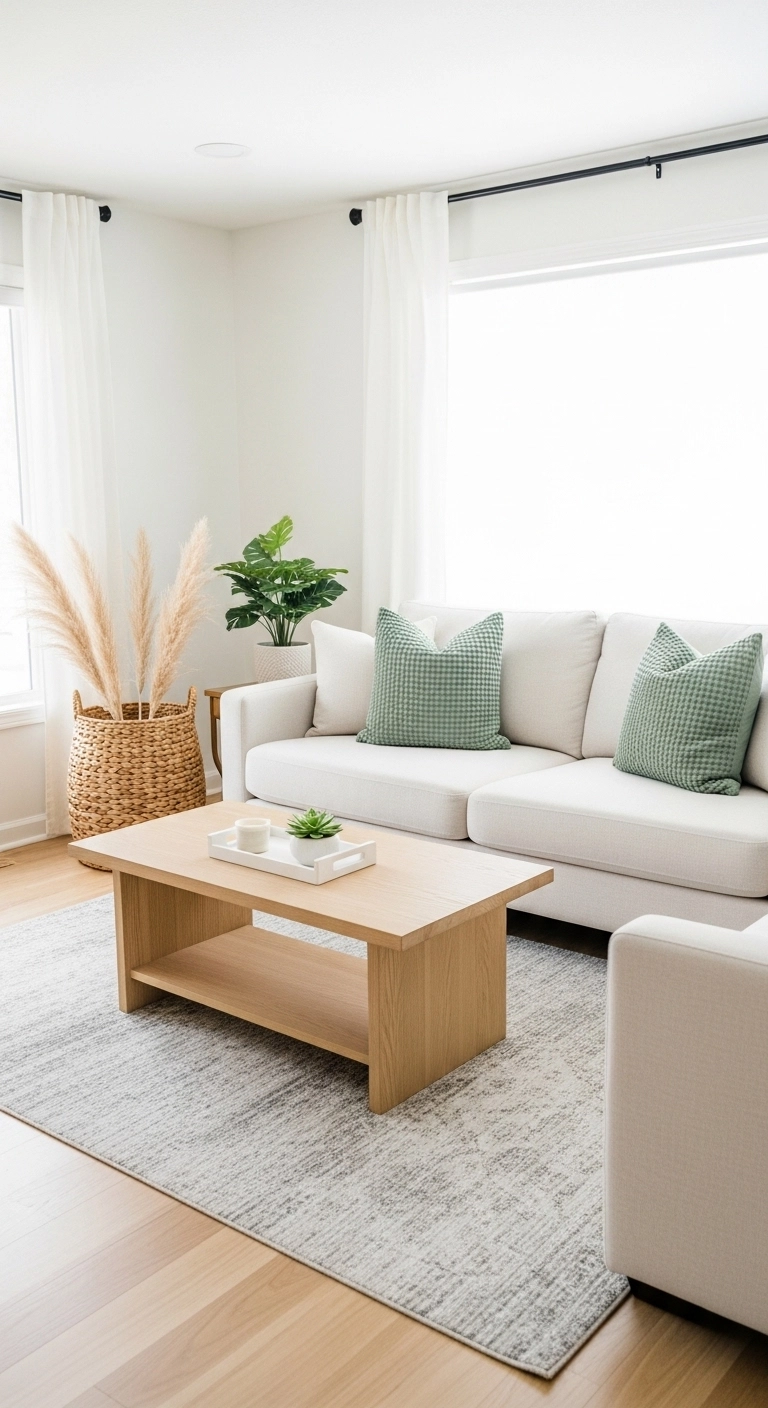
Using too many colors in a small living room makes it feel busy and overwhelming. When your eyes have to jump between lots of different colors, the space feels chaotic and smaller than it really is. Sticking to a simple palette of two or three colors that work well together is one of the easiest visual space illusions you can use to calm a room down and make it feel bigger.
A great starting point is a base of soft white or warm beige, paired with one natural accent like sage green or dusty blue, and one neutral texture like natural wood or woven rattan. This kind of palette feels fresh, cohesive, and intentional. Every item in the room will look like it belongs, which automatically makes the whole space feel more open and put together.
15. Add Greenery to Bring Life and Depth to the Room
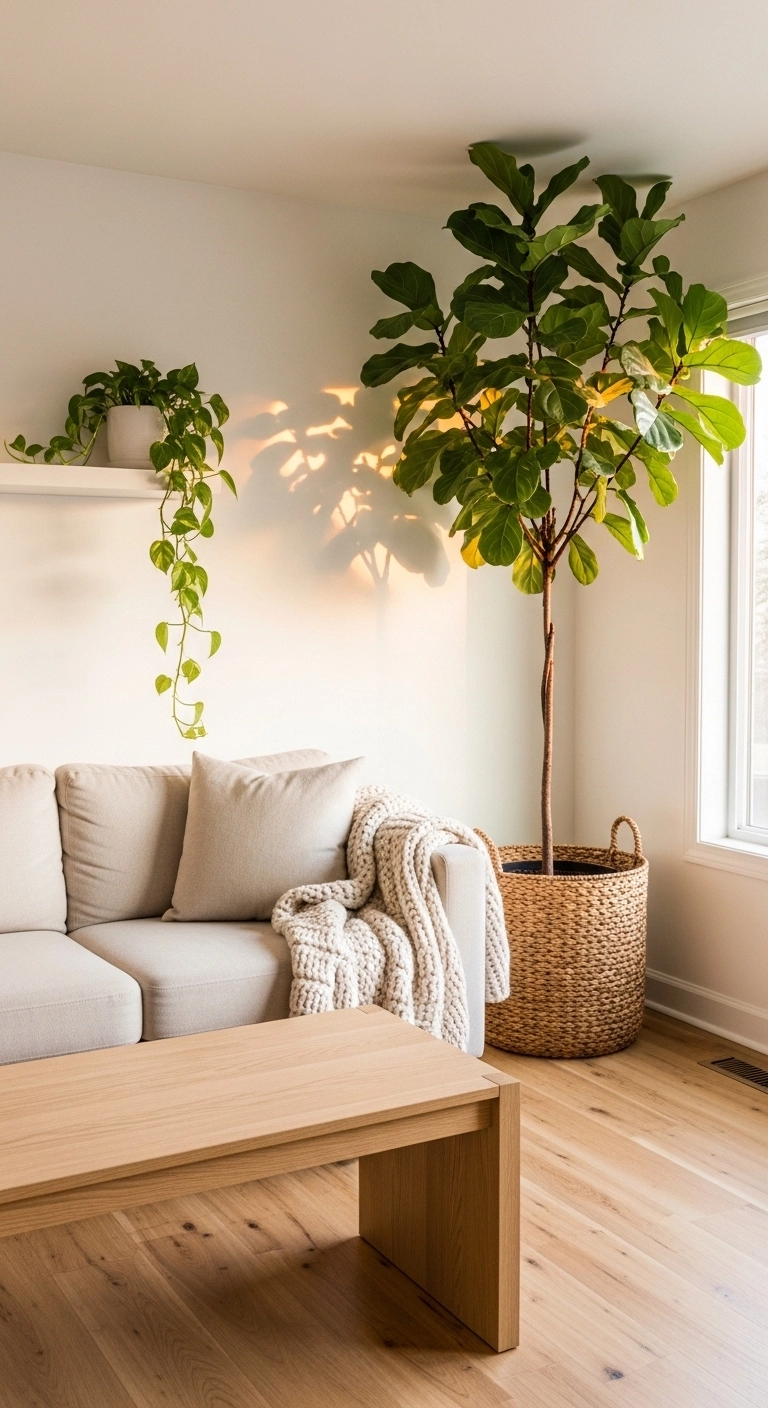
Plants are one of the most underrated tools for making a small living room feel more alive and spacious. A tall floor plant in the corner draws the eye upward and fills dead space without taking up much floor room. Smaller plants on shelves or side tables add layers and depth that make the room feel more interesting and complete.
You do not need a lot of plants to make a difference. Even one or two well-placed green plants can completely change the energy of a room. Choose low-maintenance varieties like a snake plant, pothos, or fiddle leaf fig so they stay looking fresh without a lot of work. Adding greenery is one of the most budget-friendly cozy small living room ideas, and it makes any space feel warmer, fresher, and more welcoming.
Conclusion
Making a tiny living room feel spacious is not as hard as it seems. You do not need a big budget or a major renovation to change the way your space looks and feels. Simple choices like lighter paint colors, the right size furniture, smart storage, and a little greenery can transform even the smallest room into a place that feels open, comfortable, and inviting. The key is to be intentional about every piece you bring in and every decision you make. Start with one or two ideas from this list and build from there. Small changes add up fast, and before you know it, your living room will feel like a completely different space. You’ve got this!
Frequently Asked Questions
Q1. What is the best color to paint a small living room to make it look bigger?
Light and neutral colors work best for small living rooms. Soft white, warm beige, pale gray, and creamy off-white are all great choices. These colors reflect natural light and make the walls feel like they are pushing outward. Avoid dark colors on all four walls as they tend to close a space in.
Q2. What size rug should I use in a tiny living room?
Always go bigger than you think you need. A rug that is too small makes the furniture look like it is floating and actually makes the room feel more cluttered. Choose a rug that is large enough for at least the front legs of your sofa and chairs to sit on top of it. This anchors the seating area and makes the room feel more pulled together.
Q3. Is it okay to have a sectional sofa in a small living room?
In most cases, a full sectional is too large for a tiny living room. It tends to take up too much floor space and leaves little room to move around. A better option is a compact two-seat or apartment-size sofa paired with one small accent chair. If you love the look of a sectional, look for a small L-shaped version made specifically for small spaces.
Q4. How can I add storage to a small living room without making it feel crowded?
The best storage solutions for small living rooms use vertical space or hidden space. Floating shelves, ottomans with storage inside, and sofas with built-in drawers are all great options. The goal is to keep the floor as clear as possible so the room feels open and easy to move around in.
Q5. How many decorative items should I put in a small living room?
Less is always more in a small living room. Aim for just two or three decorative pieces per surface and leave plenty of space around them. A cluttered room always feels smaller than it really is. Choose items that you truly love, give them space to stand out, and put everything else away.