22 Minimalist Room Decor Ideas That Feel Calm Instead of Empty
The difference between a minimalist room that feels calm and one that feels empty comes down to about five decisions. The wall needs one thing on it that matters. The surfaces need a few warm objects rather than many cold ones. The textiles need to be soft and substantial rather than absent. The lighting needs to be warm rather than bright. And the materials need to reference the natural world rather than the manufactured one. Get those five things right and a room with very few objects feels serene and intentional rather than unfinished and sad. These 22 ideas cover the specific decor decisions that make minimalist rooms feel genuinely calm across bedrooms, living rooms, offices, and any other space where less should mean more rather than less.
1. One Meaningful Wall Object
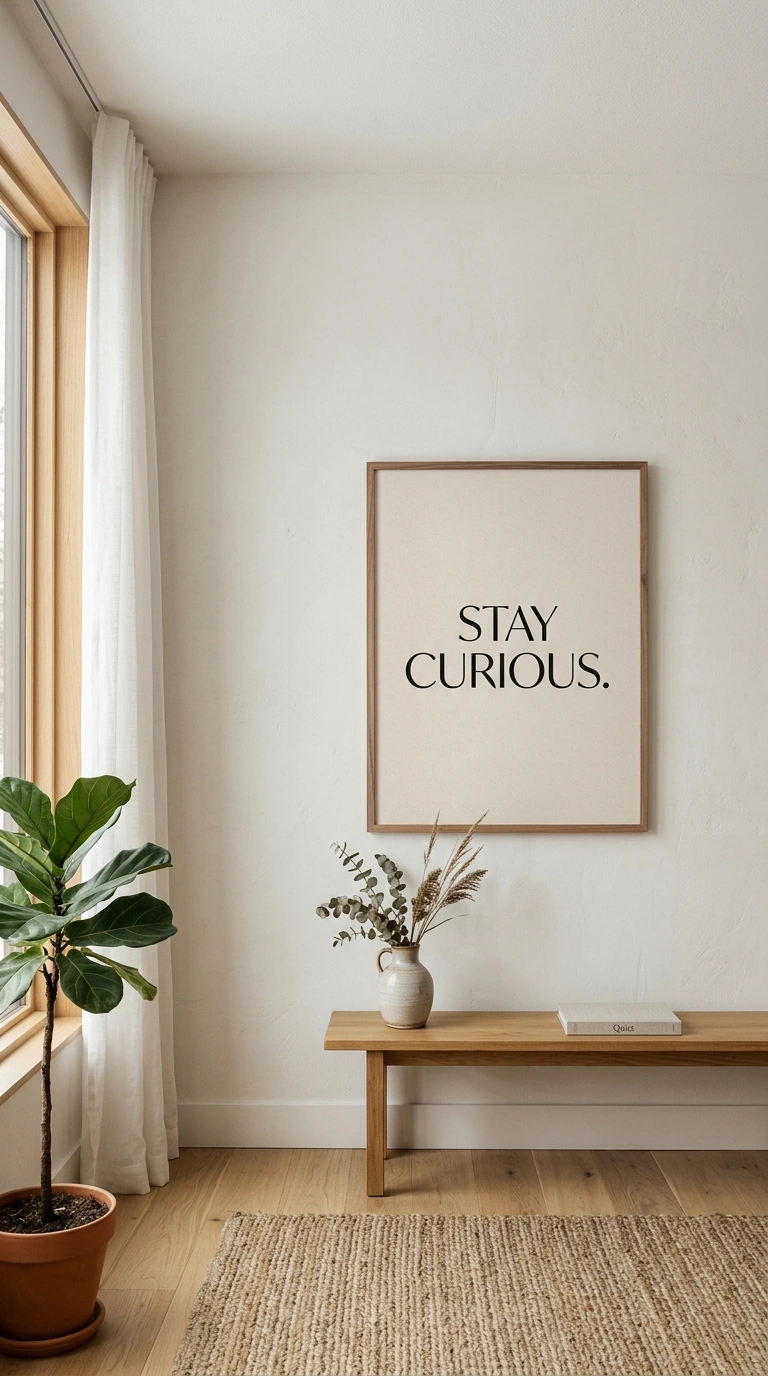
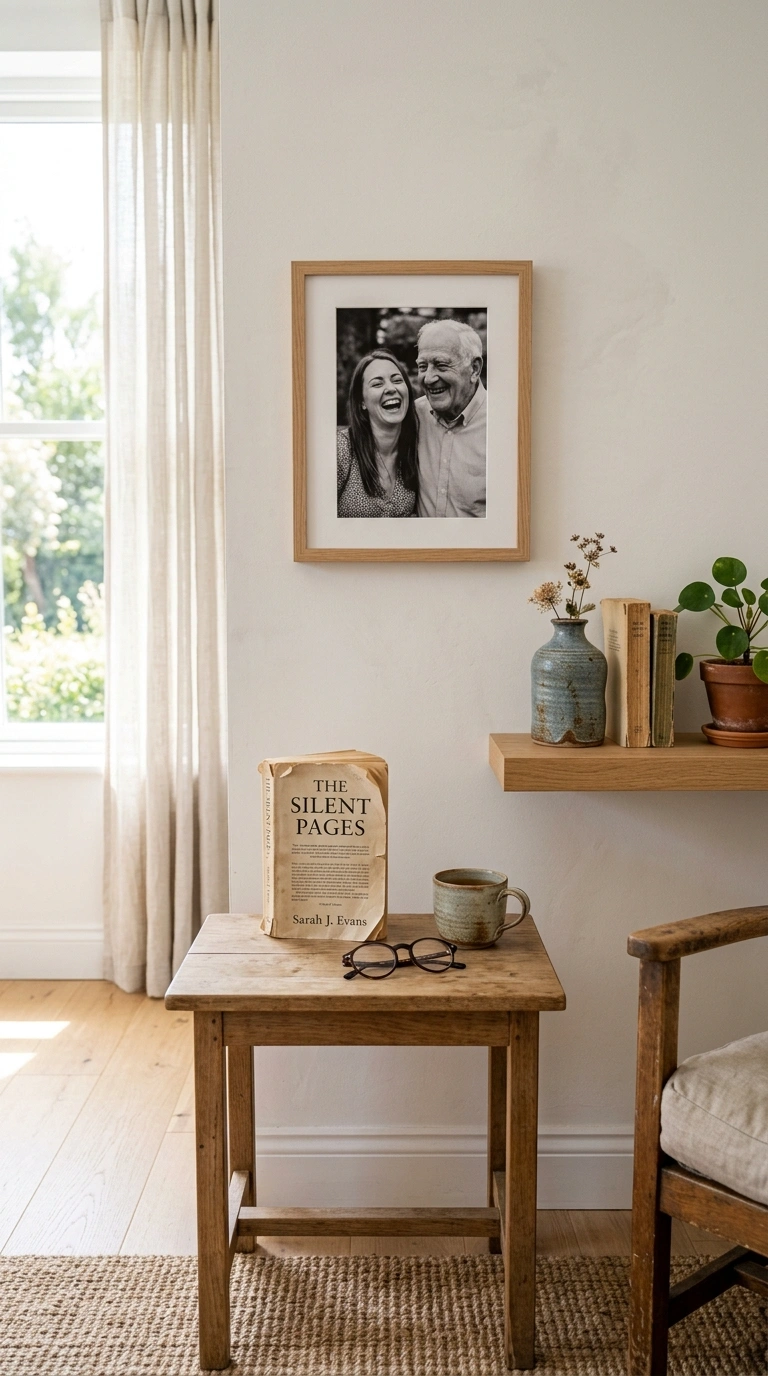
Every minimalist room needs at least one thing on the wall to prevent the space from reading as unfinished. The object should be genuinely meaningful rather than decorative filler: a piece of art you love, a photograph from a significant moment, a woven textile with real craft quality, or a simple sculptural object mounted on the wall. One meaningful object on a large empty wall reads as confident and intentional. A completely bare wall reads as either unfinished or unable to commit. The single object should be sized appropriately for the wall, generally at least one-third of the wall’s width, so it reads as a presence rather than a small afterthought.
2. Warm Surface Material Mix
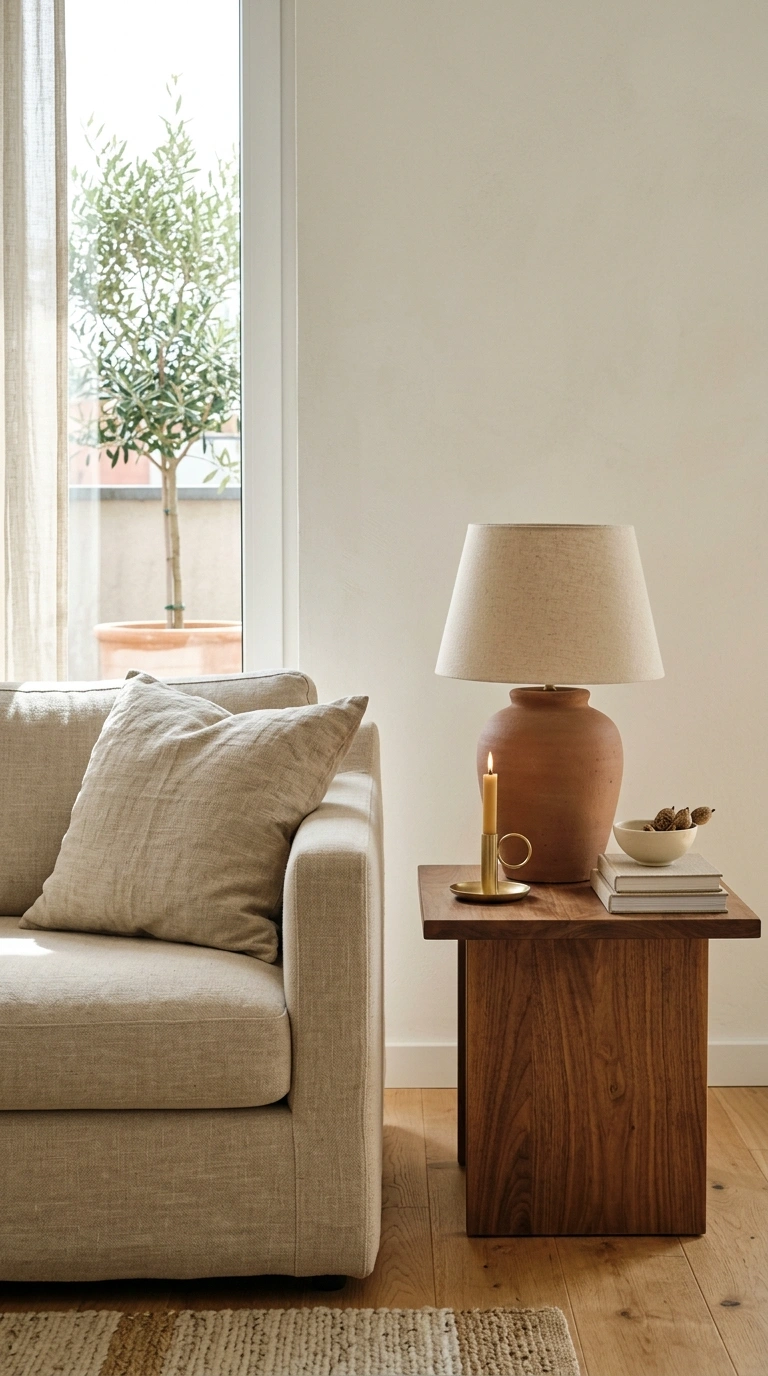
The surfaces in a minimalist room should include a mix of warm materials rather than a single cool material throughout. A warm wood table beside a linen sofa beside a matte ceramic lamp creates a quiet variety that reads as natural and considered. All white surfaces or all glass surfaces create the clinical quality that warm minimalism avoids. The material mix should be limited to three or four warm materials used consistently: warm wood, warm fabric, matte ceramic, and one warm metal. The limited palette keeps the room feeling edited while the material variety prevents flatness.
3. Textured Rather Than Patterned
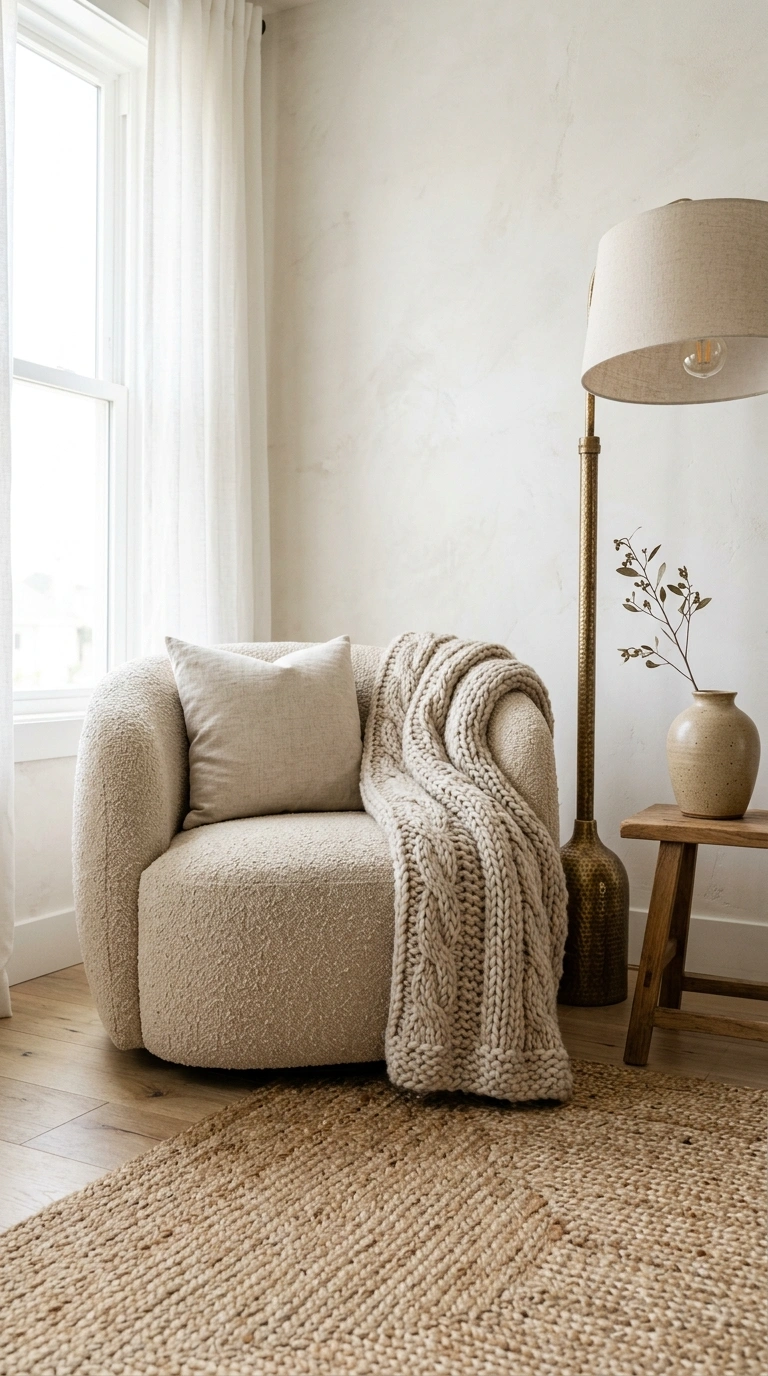
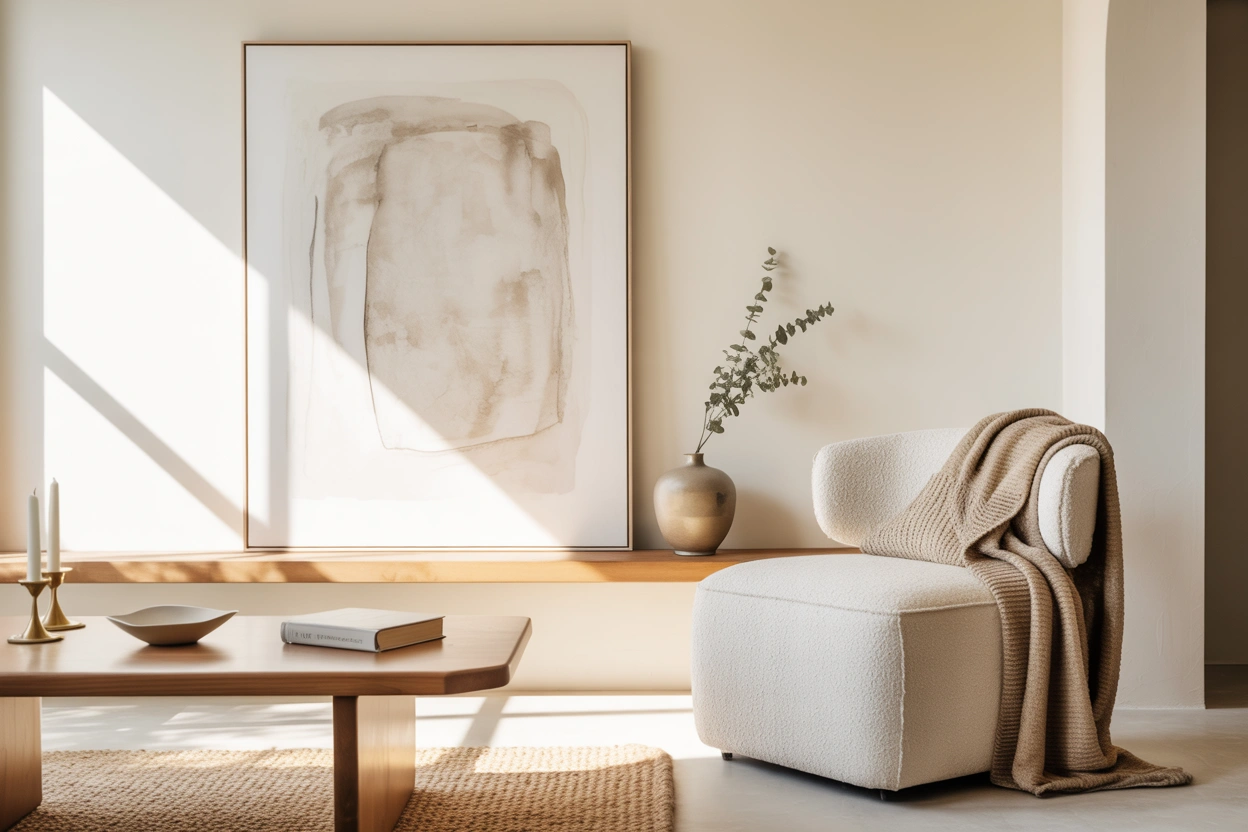
In a minimalist room, visual interest comes from texture rather than pattern. A bouclé sofa, a chunky knit throw, a woven jute rug, a hammered brass lamp, a hand-thrown ceramic vase, and a linen curtain panel all add textural variety without the visual complexity that patterns introduce. The textures catch light differently across the day, creating subtle visual movement that flat smooth surfaces cannot achieve. The textural approach provides the quiet richness that prevents minimalist rooms from feeling flat while maintaining the visual calm that patterns can disrupt.
4. Warm White Not Cool White
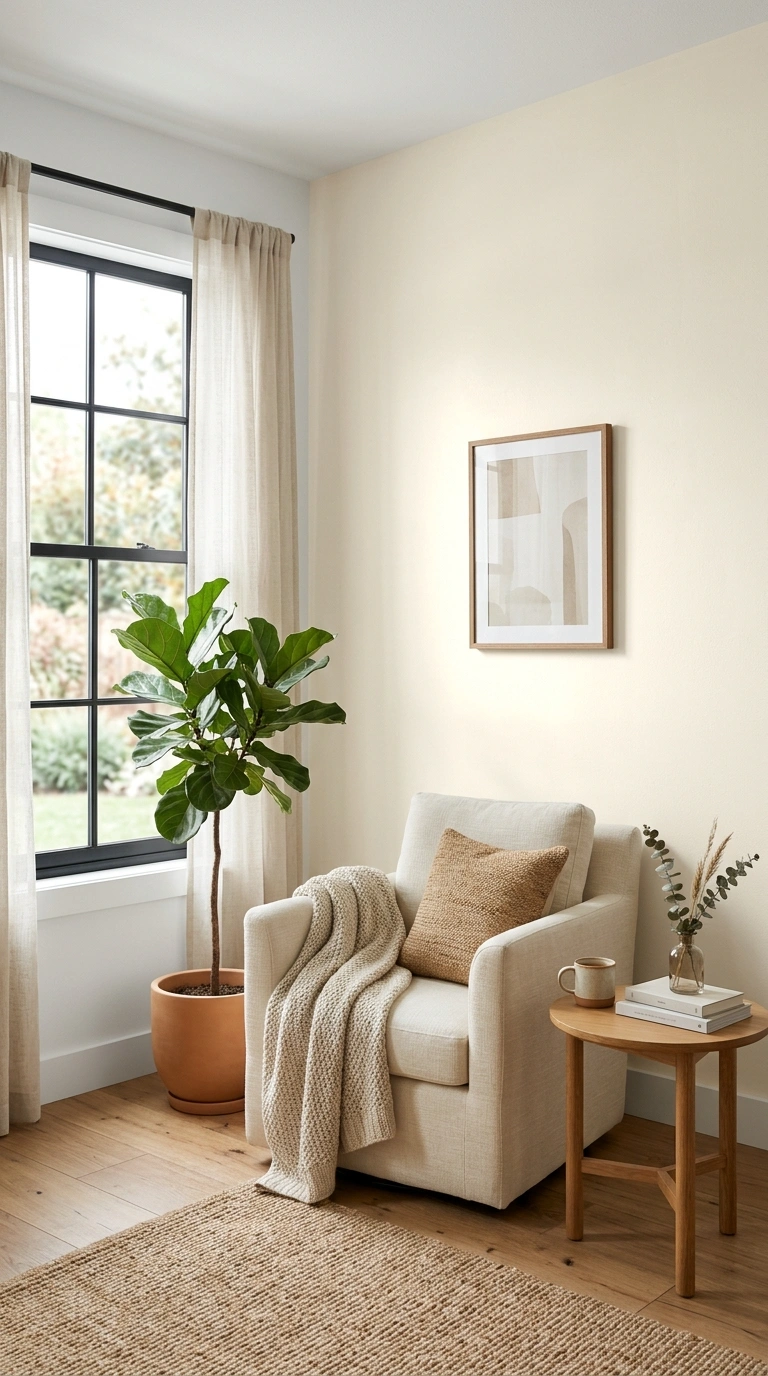
The specific shade of white used in a minimalist room makes more difference than most people realize. A warm white with a slight cream or yellow undertone creates a room that feels soft and inviting. A cool white with a blue or gray undertone creates a room that feels clinical and cold. The difference is subtle in a paint chip and dramatic on a full wall. Test the white in the actual room under both natural and artificial light before committing, since the same white can read as warm in one room and cool in another depending on the light exposure and the surrounding materials.
5. The Three-Object Surface Rule
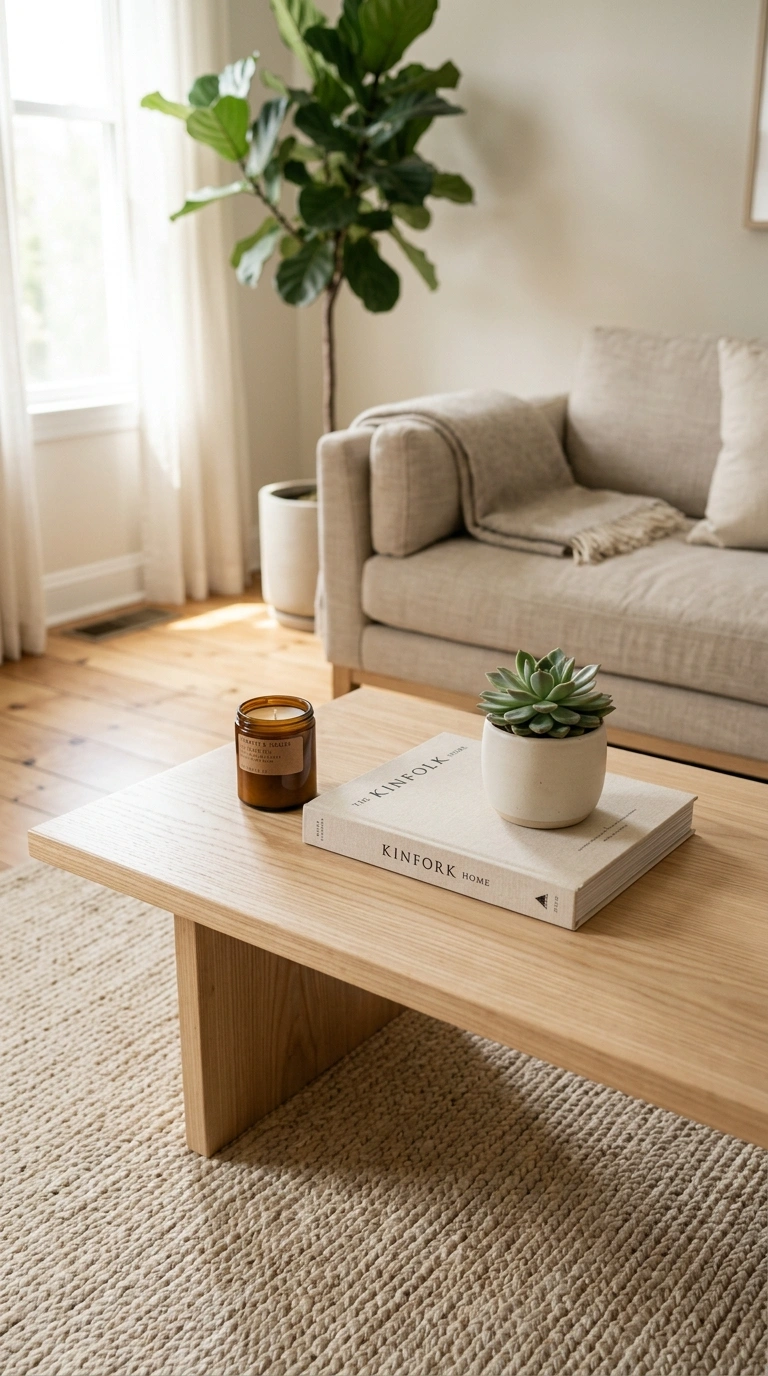
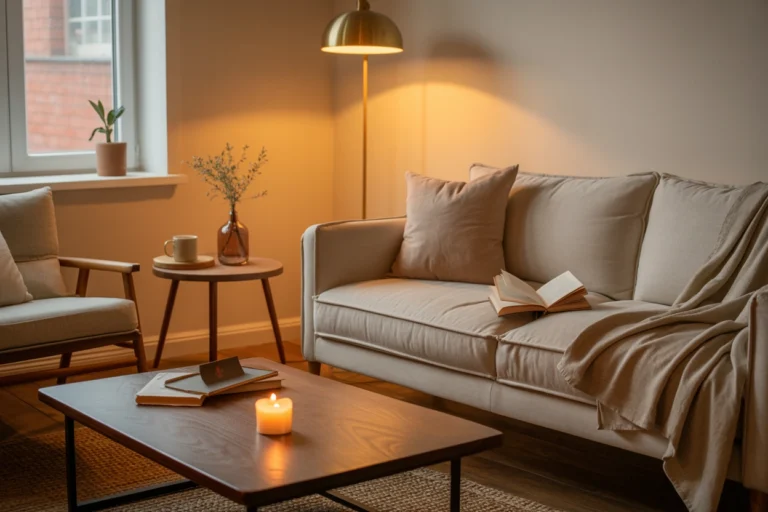
A practical rule for minimalist surface styling is the three-object maximum: no surface in the room holds more than three visible objects at once. The coffee table holds a book, a small plant, and a candle. The side table holds a lamp and a coaster. The shelf holds two objects and empty space. The three-object limit prevents surfaces from accumulating the gradual clutter that undermines minimalist rooms over time. When a fourth object arrives, one of the existing three is put away. The constraint keeps the room genuinely minimal rather than gradually drifting toward conventional clutter.
6. Natural Wood Warmth Element
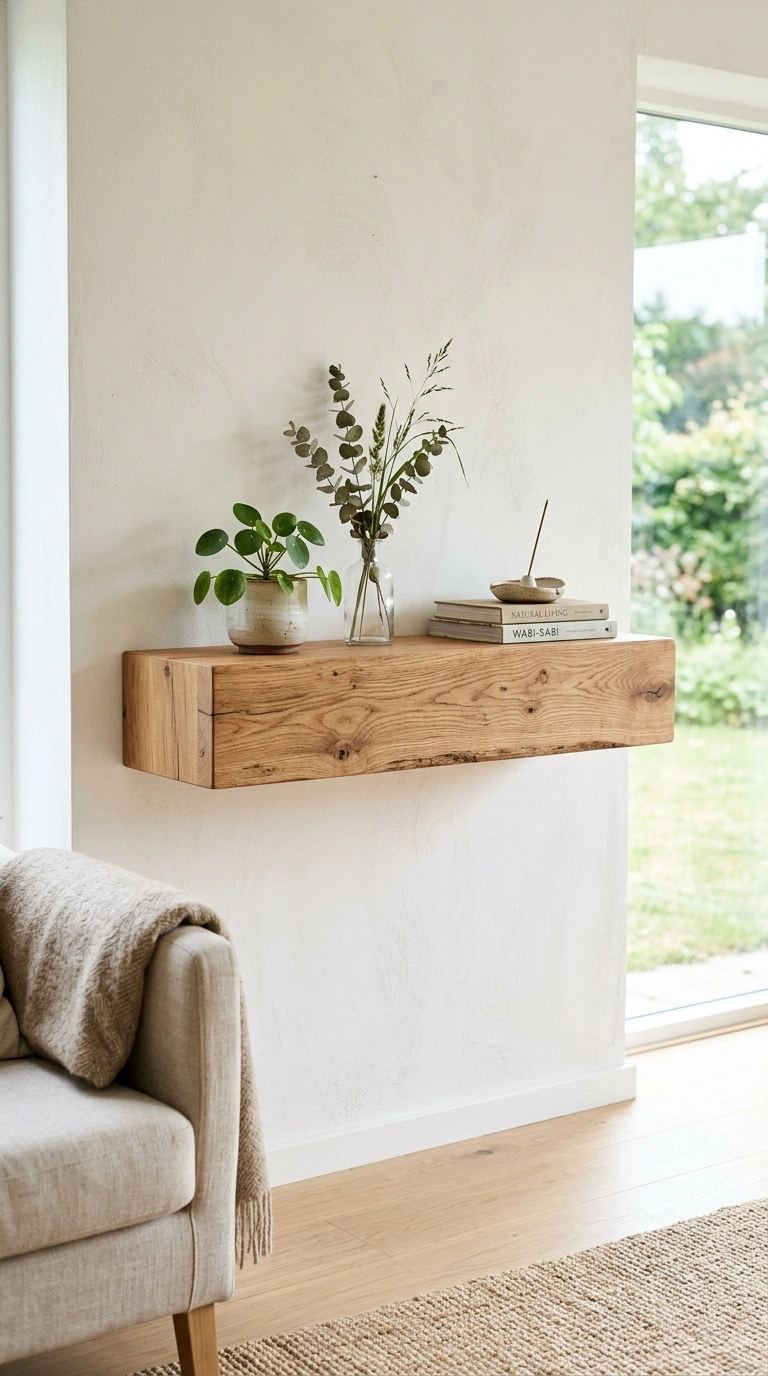
Every minimalist room needs at least one element of natural warm wood to prevent the room from feeling manufactured and cold. A wooden side table, wooden floating shelves, a wooden frame on the wall art, a wooden bowl on the coffee table, or a wooden lamp base all introduce the organic warmth that processed materials lack. The wood should show visible grain and a warm tone rather than being painted over or heavily lacquered. The natural imperfections and color variations in the wood are part of what gives the minimalist room its human, lived-in quality.
7. Single Soft Rug Anchor
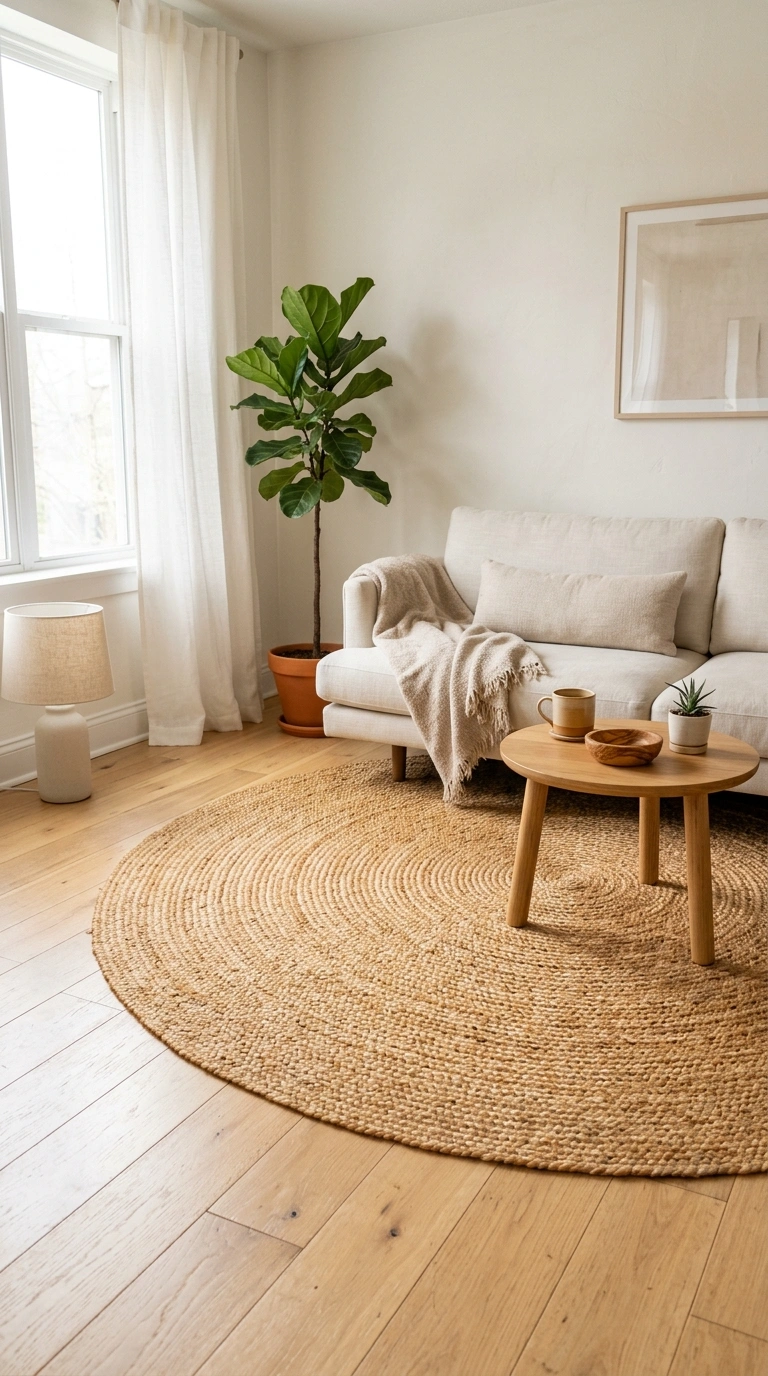
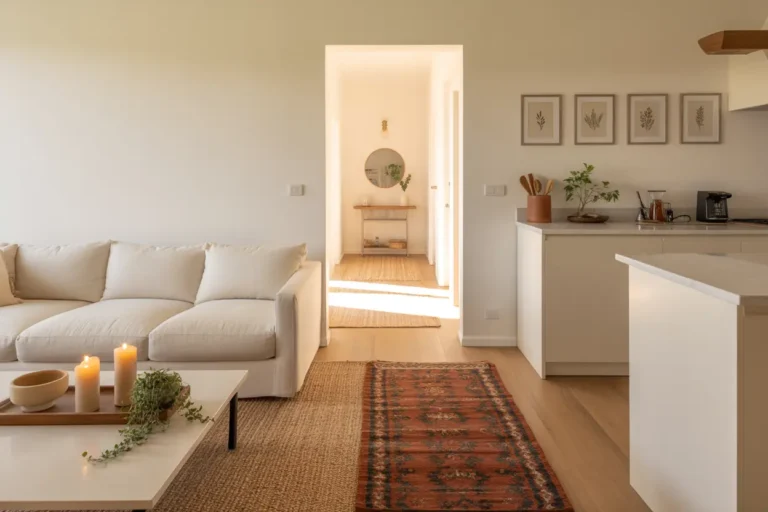
A rug on the floor provides the tactile warmth underfoot and the visual anchor that defines the room’s primary zone. In a minimalist room, the rug should be a single solid or subtly textured piece in a warm neutral tone rather than a boldly patterned or multicolored one. The rug’s warmth comes from its material quality and its warm color rather than from visual complexity. A wool rug in warm cream, a jute rug in natural honey, or a cotton rug in soft warm gray all work. The rug tells the room where the living happens and makes that zone feel distinctly warmer than the surrounding floor.
8. Deliberately Chosen Books
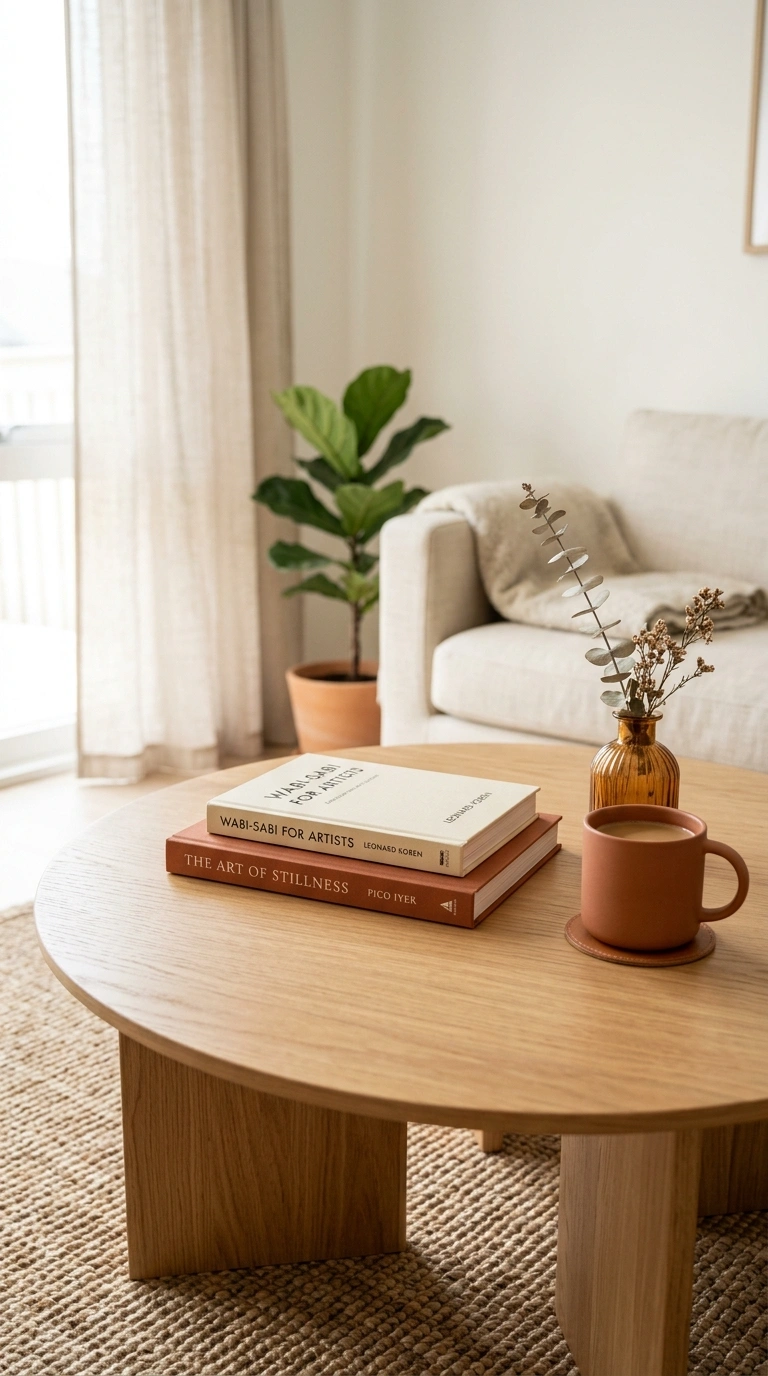
A small stack of two or three books on a coffee table or a shelf provides the intellectual warmth and the personal quality that a completely object-free surface lacks. Choose books with covers that suit the room’s palette and that you actually care about rather than decorative books purchased for their spine color. A small stack of well-chosen books reads as a sign of a thinking person who lives in the room. The books should be displayed with some care, stacked neatly with the most attractive cover face-up, or stood upright between two simple bookends. The same attention to choosing meaningful objects for a calm space also applies across minimalist and warm design approaches, including minimalist living room setups where every remaining object needs to earn its place.
9. Matte Ceramic Vessels
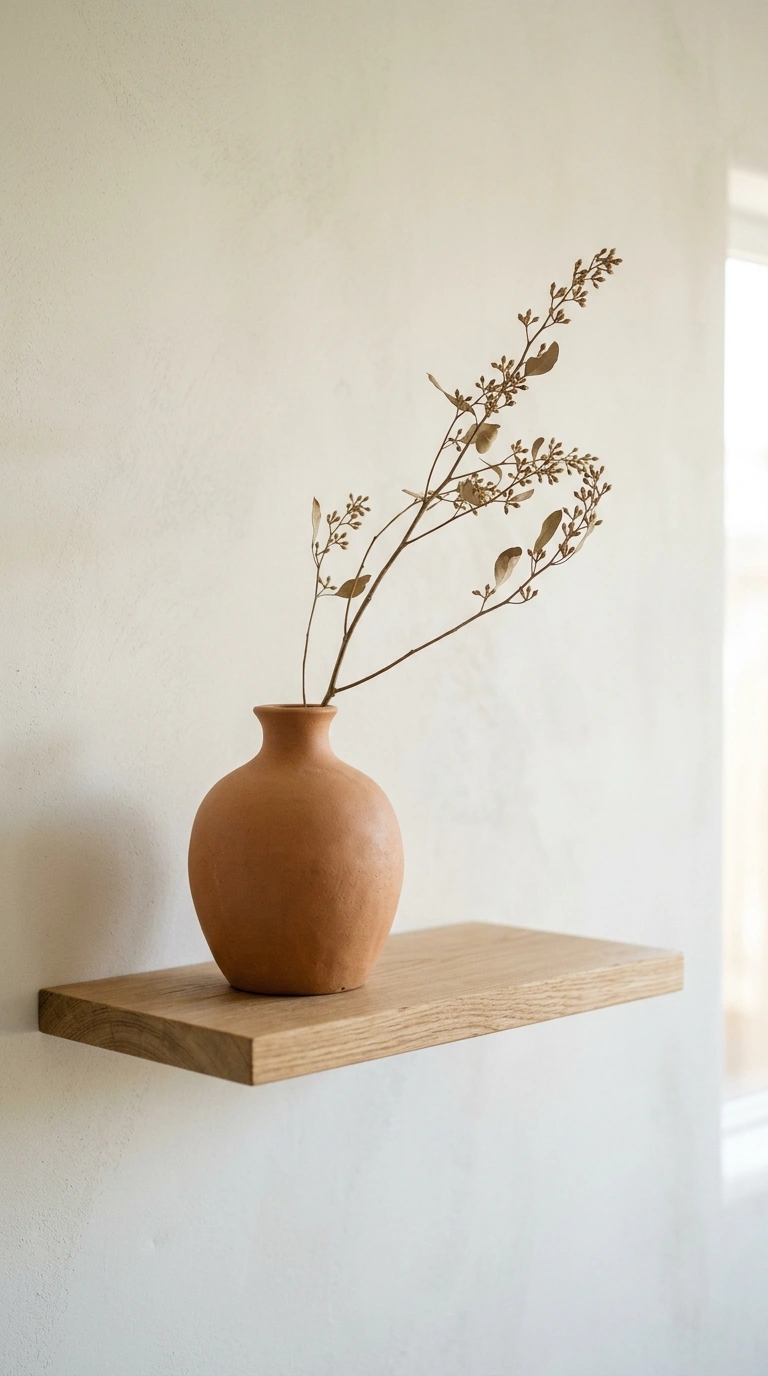
One or two matte ceramic vessels in warm earthy tones, a vase, a small bowl, a simple container, add the handmade quality and the organic warmth that a minimalist room needs in its smallest details. The matte finish reads as more natural and more minimal than glossy ceramics, and the earthy tones connect the object to the natural world rather than to a factory. Choose vessels with simple shapes and subtle irregularities that signal genuine craft. A single ceramic vase on a shelf holding one dried branch is one of the most reliably beautiful minimalist decor moments available.
10. Candle as Object and Light
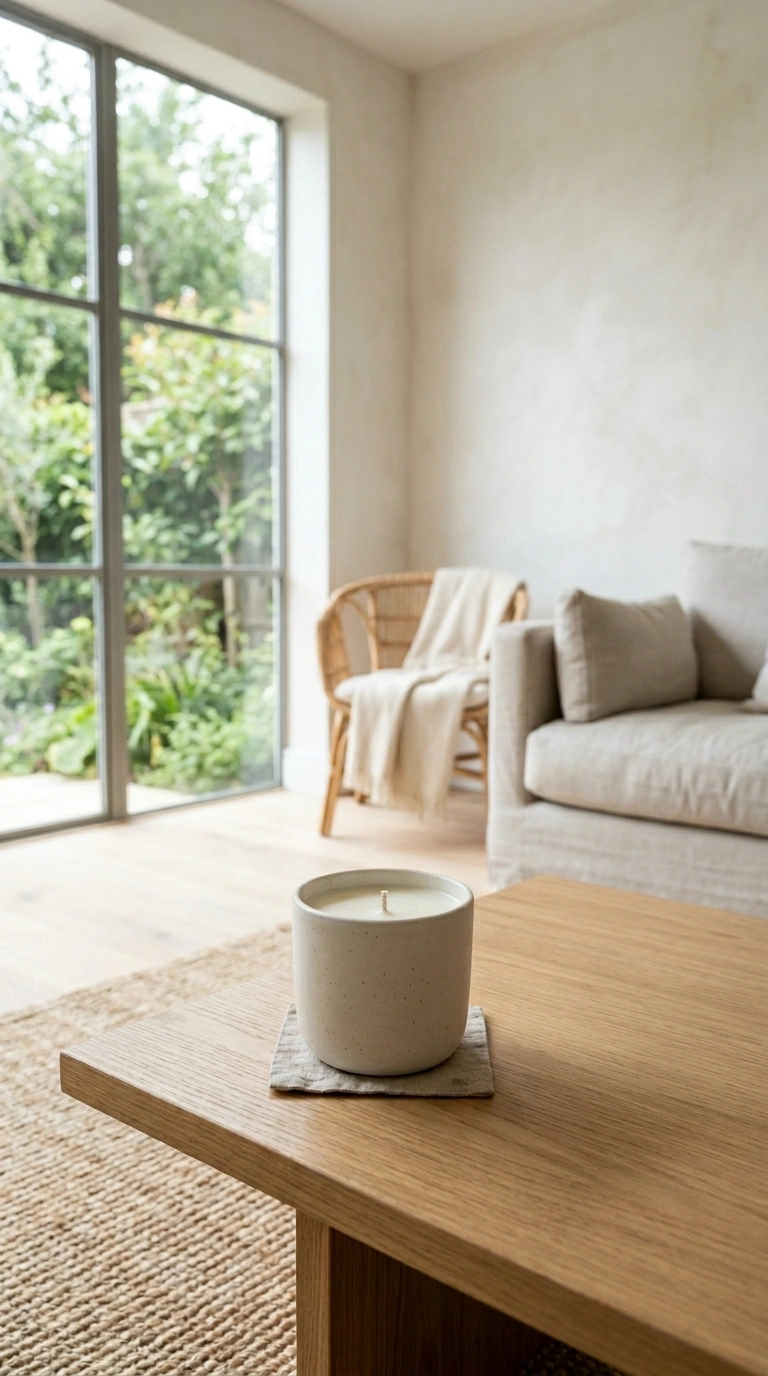
A single quality candle in a beautiful vessel serves double duty in a minimalist room: as a styled object during the day and as a warm light source when lit in the evening. Choose a candle in a simple ceramic or glass vessel that suits the room’s material palette. A warm natural scent, sandalwood, cedar, or vanilla, adds an atmospheric layer when lit. The candle on the coffee table or on a shelf is one of the few objects in a minimalist room that changes states, which gives it a living quality that static objects lack. The unlit candle contributes visual warmth. The lit candle transforms the room’s atmosphere entirely.
11. Invisible Storage Systems
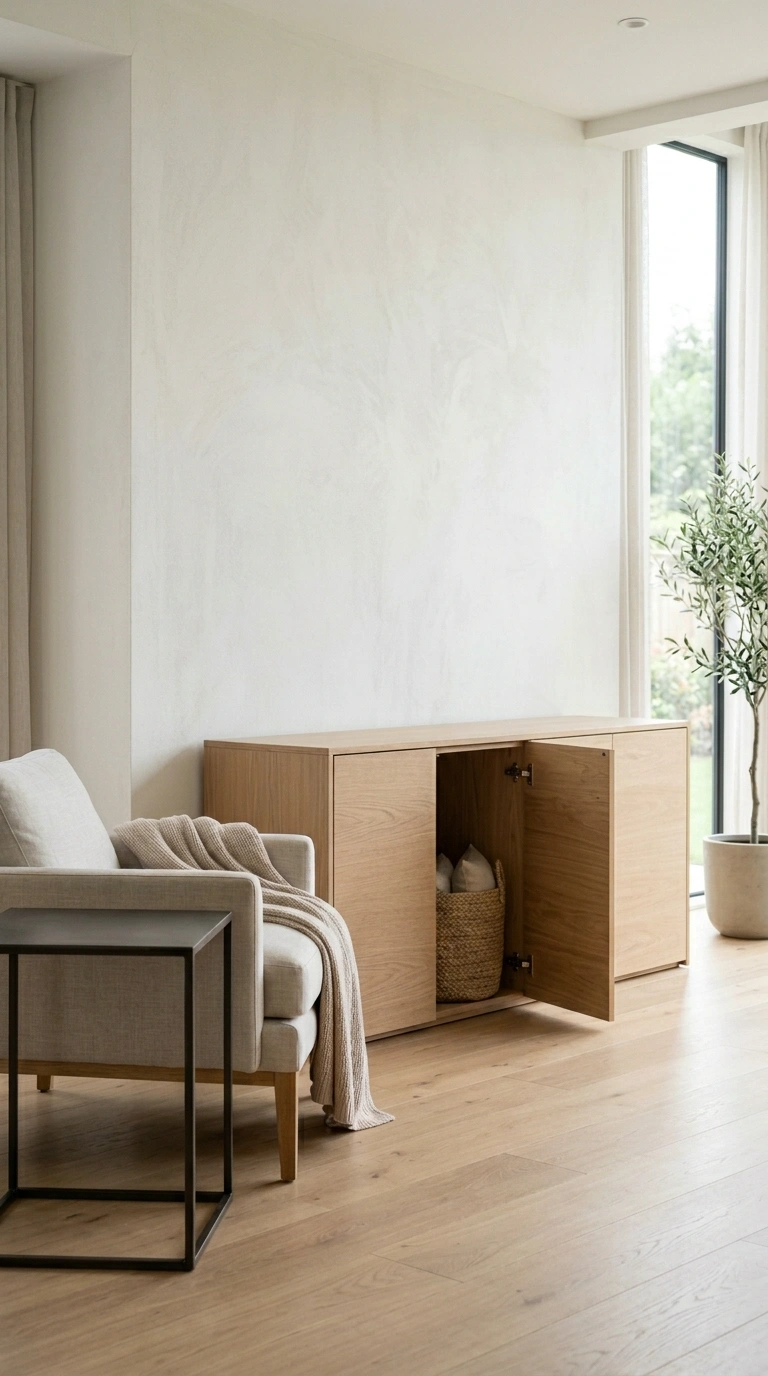
Minimalist rooms look calm because the daily functional objects, remotes, chargers, blankets, magazines, mail, are stored out of sight rather than displayed on every surface. A console with closed doors, a basket tucked under a table, a drawer in the side table, and a closet or cabinet in the room all provide the hidden storage that allows the visible surfaces to stay clear. Plan the storage before styling the room, since the storage infrastructure determines whether the minimalism is sustainable or merely a temporary state that degrades as objects accumulate.
12. Single Plant Statement
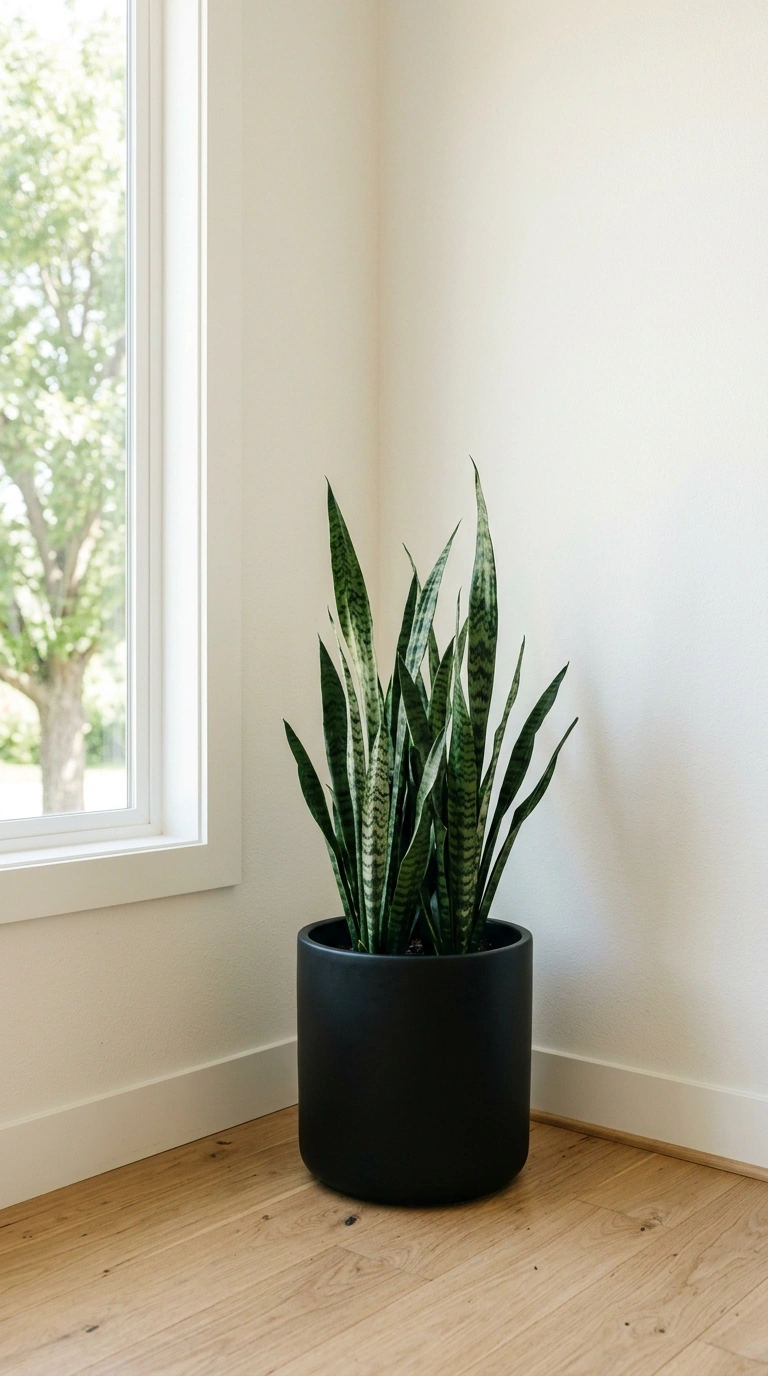
One plant in a simple pot, chosen for its sculptural quality and positioned in the spot where the room needs a living element, provides the organic warmth that an all-manufactured room lacks. The plant should be healthy, well-maintained, and substantial enough to read as a design element rather than an afterthought. In a minimalist context, one large or medium plant has more impact than several small ones, since the single plant reads as a deliberate choice while multiple small plants can read as casual accumulation. Match the pot to the room’s material palette: matte white, matte black, warm ceramic, or natural concrete all suit minimalist rooms.
13. Warm Blanket Always Present
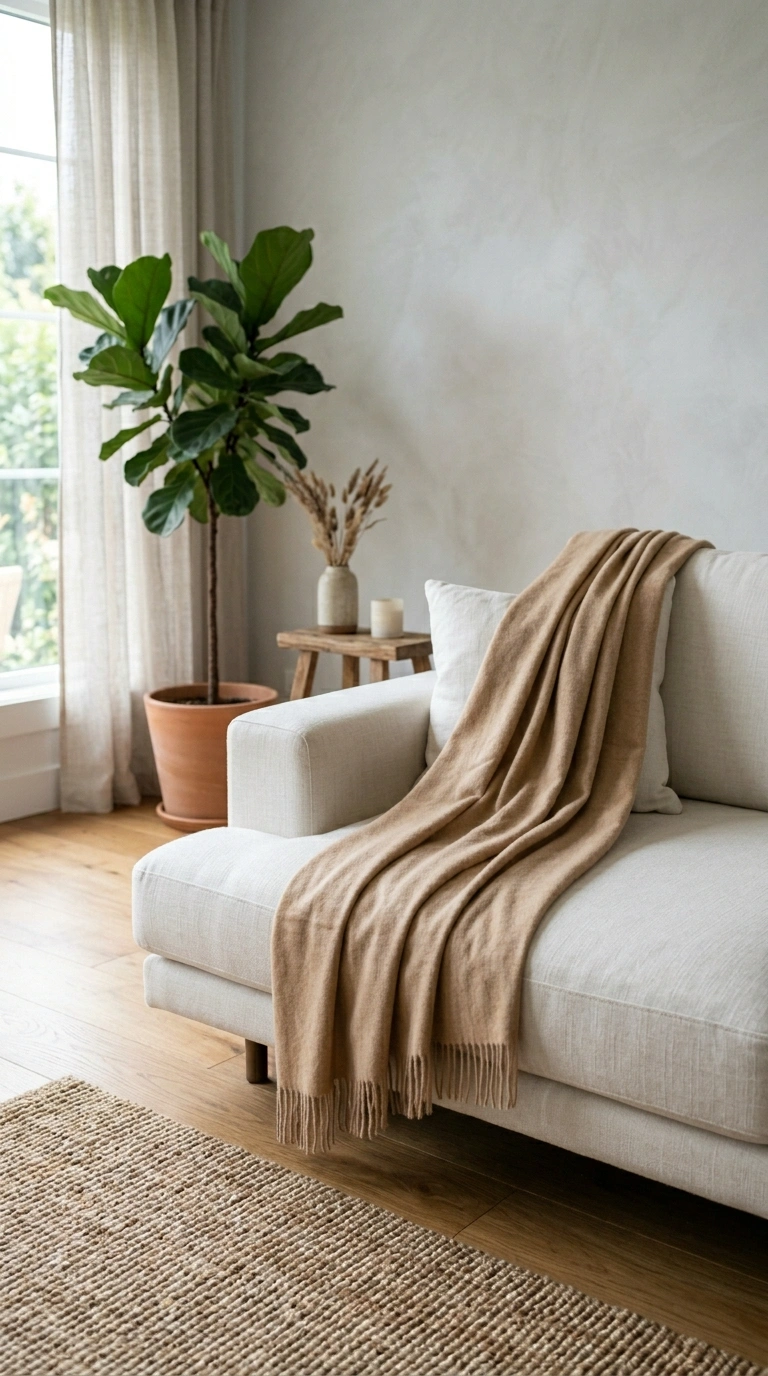
A folded blanket on the sofa, the bed, or a chair is one of the essential elements that separates a warm minimalist room from a cold one. The blanket says this room is for comfort and genuine use. Its absence says this room is for looking at. Choose a blanket in a warm substantial material, chunky wool, soft cashmere blend, or thick cotton in a warm neutral tone, and position it where it is accessible for actual use. The blanket adds a soft sculptural element to the furniture and provides the tactile invitation that makes guests and residents want to sit down and stay.
14. Clean Nightstand Styling
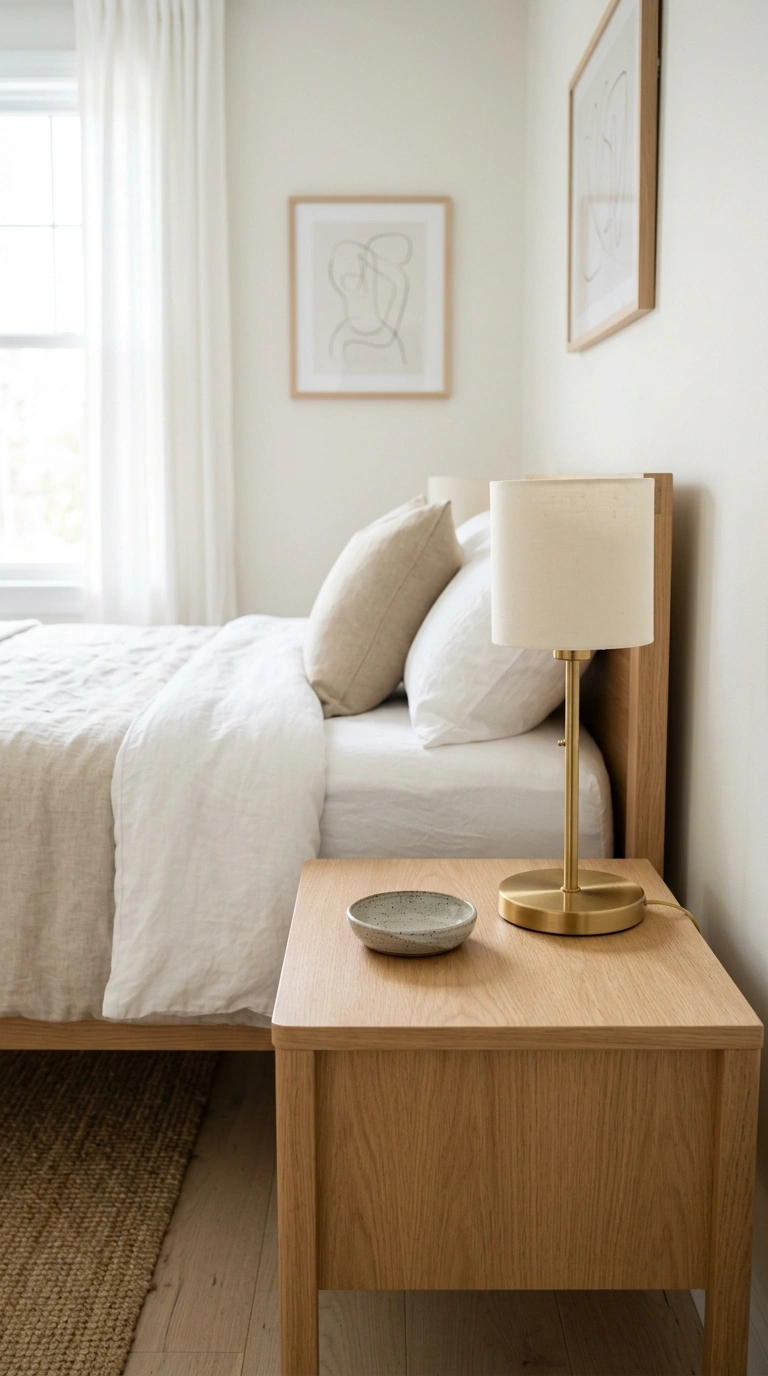
A minimalist bedroom nightstand holds a lamp, one small personal object, and nothing else visible. The phone charges in a drawer. The glass of water sits on a coaster. The book goes to the shelf when finished. The disciplined nightstand is one of the most revealing indicators of genuine minimalist practice because the nightstand is the surface most prone to daily accumulation. A lamp, a small ceramic, and empty space reads as calm and controlled. A lamp, a phone, a water glass, three books, a tissue box, and a jar of hand cream reads as a standard nightstand, not a minimalist one.
15. Minimal Bedroom Bedding
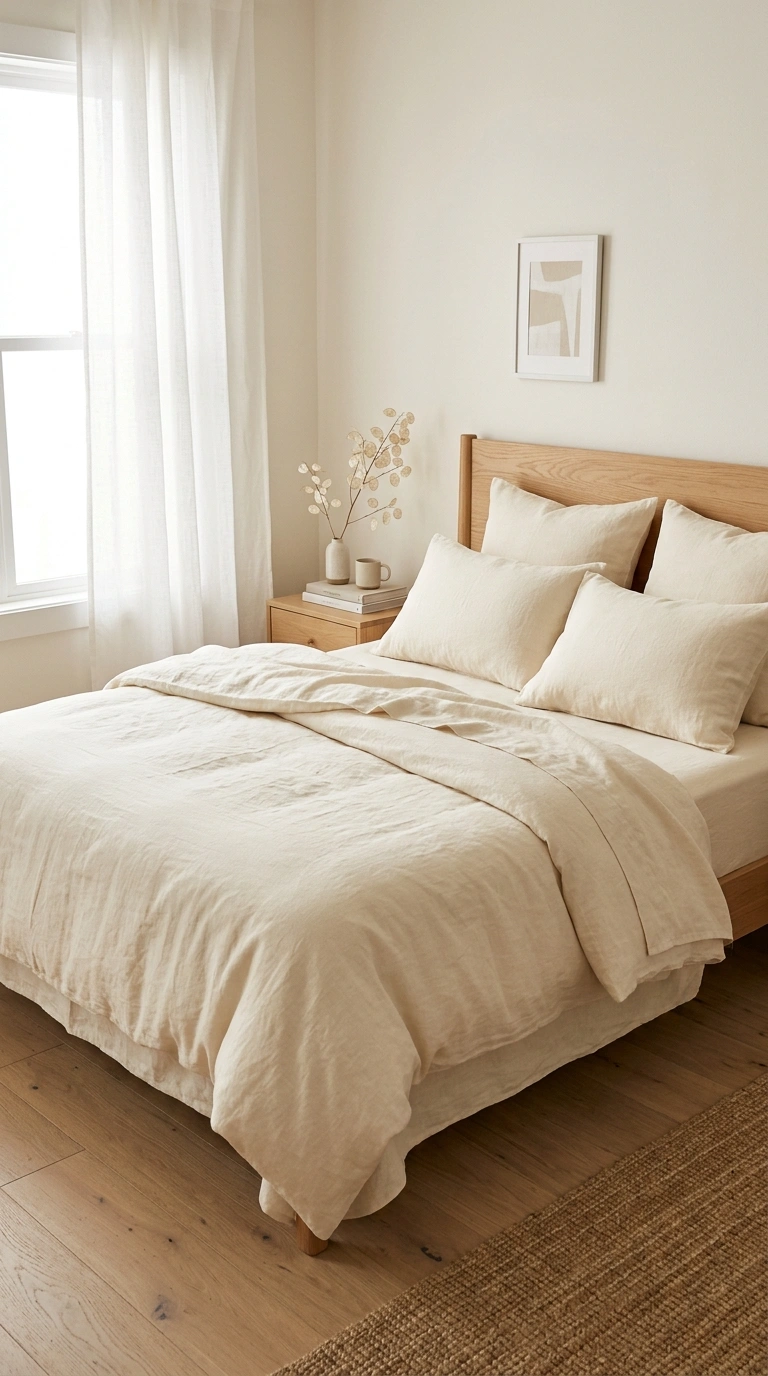
A minimalist bed uses high-quality bedding in a single warm neutral tone rather than layers of different colors and patterns. A fitted sheet, a flat sheet, a duvet in warm cream or soft white linen, and one or two pillows per person in matching cases create the clean bed surface that the aesthetic requires. The quality of the fabric replaces the visual complexity of multiple layers and patterns. Linen in a warm tone is the most reliably minimalist bedding choice because the natural rumple of linen reads as organic and lived-in while the simple color keeps the bed visually quiet.
16. Bathroom Minimal Essentials
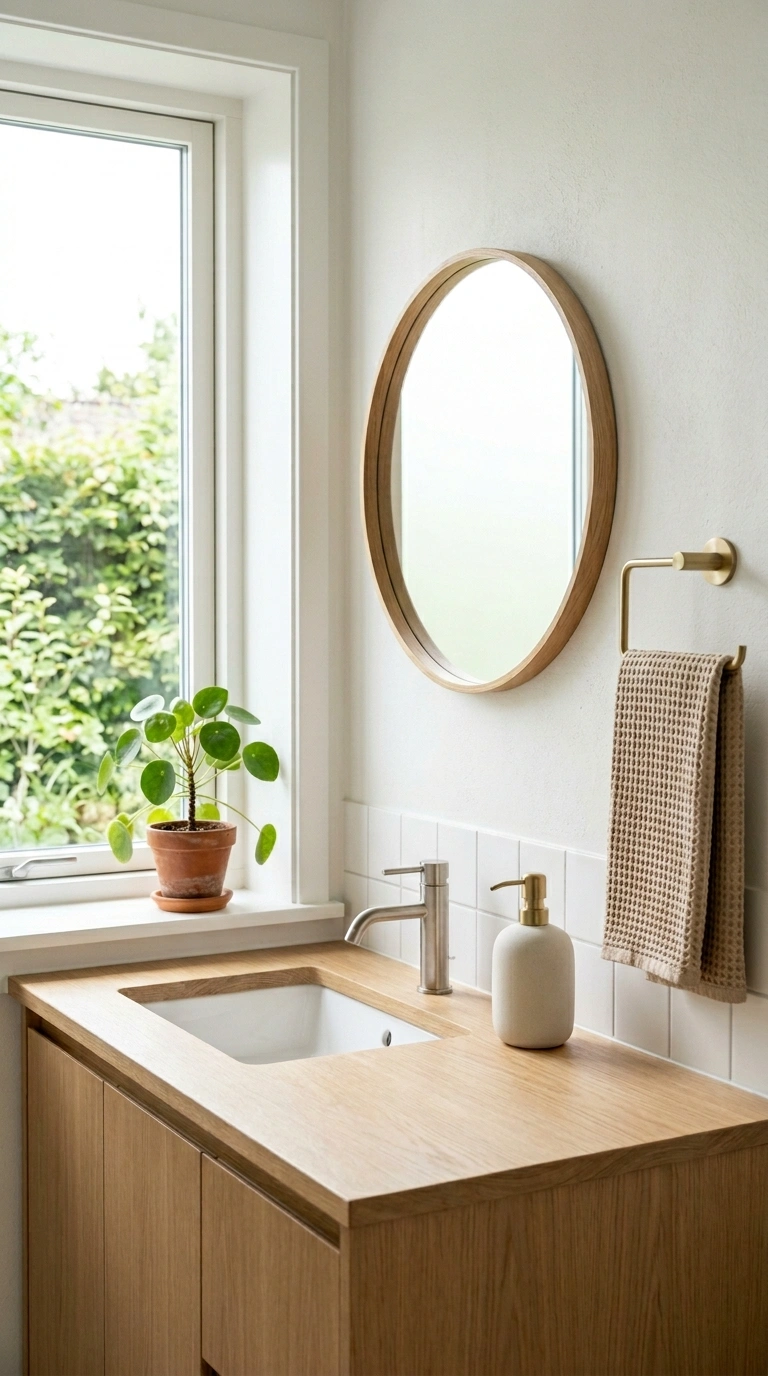
A minimalist bathroom keeps only the daily essentials visible and stores everything else behind cabinet doors or in a drawer. The counter holds the soap dispenser and nothing else. The shower holds the current shampoo and body wash, not six bottles of products used occasionally. The towels are folded or hung in a matching set of two or three rather than a mismatched collection. A minimalist bathroom with clean surfaces, matching towels, and a single small plant feels like a spa. The same bathroom with cluttered surfaces and random products feels like a bathroom that has given up on being styled.
17. Office Desk Clean Surface
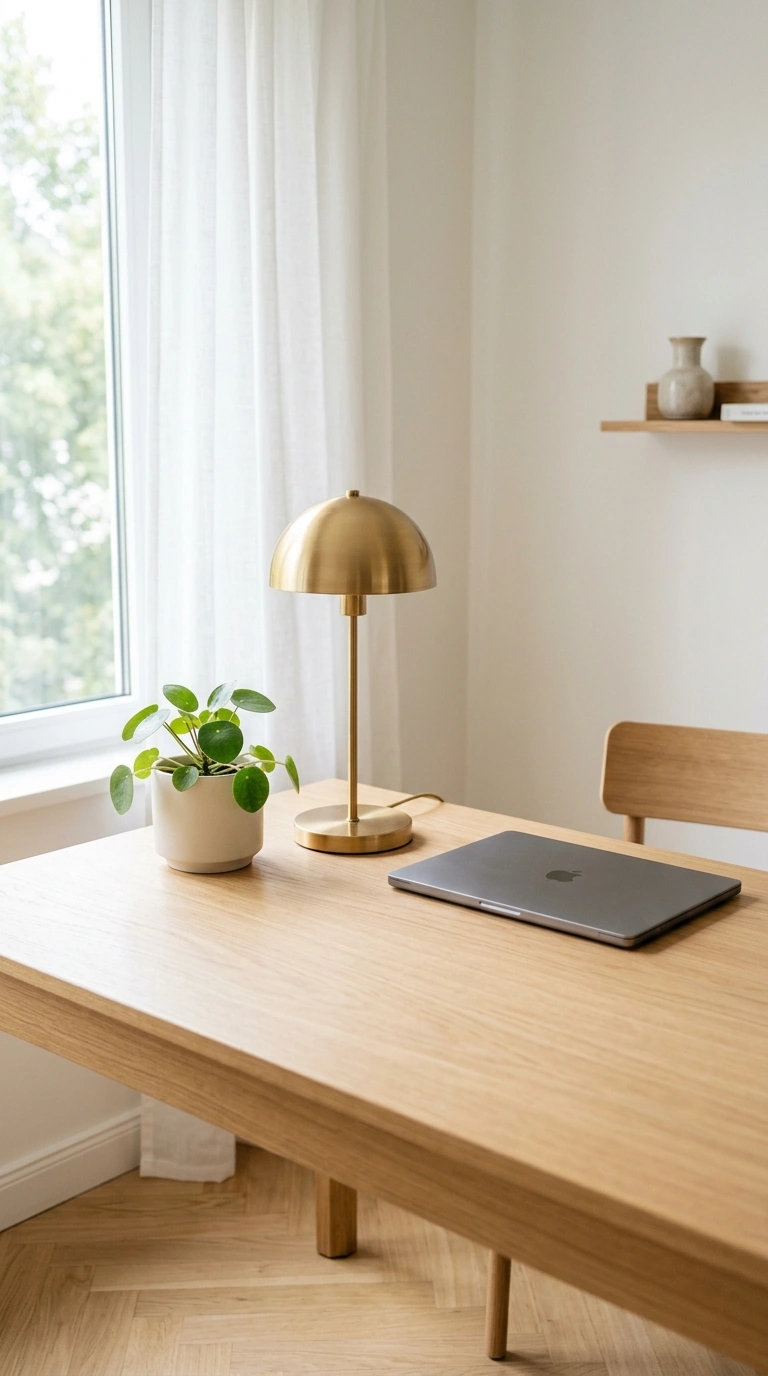
A minimalist desk holds the laptop or monitor, a single quality desk lamp, and one small personal object, a plant, a photograph, a beautiful pen holder. The rest of the desk is clear working surface. Papers go in a file or a drawer immediately rather than accumulating in stacks. The charging cable routes through the back of the desk or through a grommet. The desk supplies live in a single drawer, organized but not visible. The clean desk surface is both a visual achievement and a functional one, since clear workspace reduces distraction and makes actual work easier.
18. Entryway Simplicity Signal
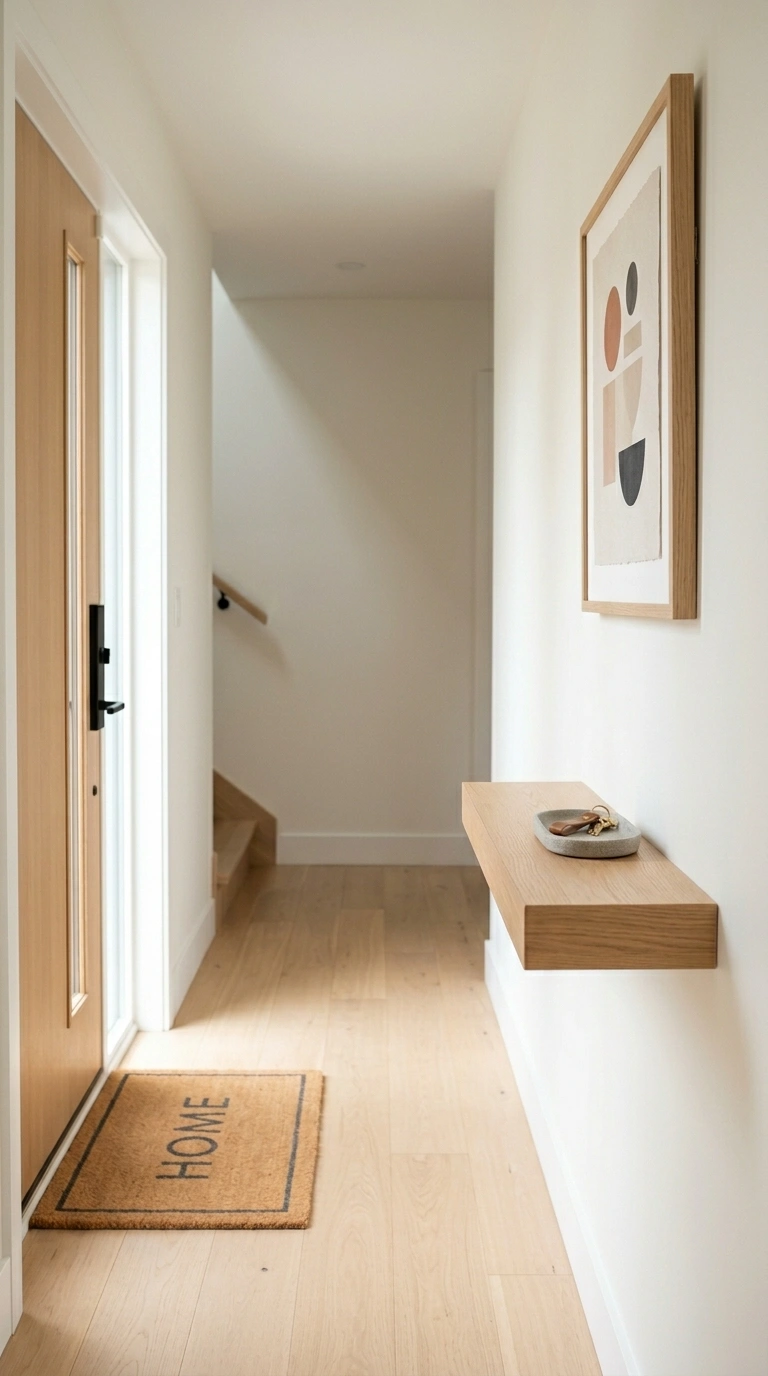
The entryway or the first view into a minimalist home sets the expectation for everything beyond it. A simple console table or a floating shelf, a small tray for keys, one piece of art or a mirror on the wall, and a clean floor with perhaps a single quality doormat create a first impression that signals calm and intention. The entryway should have nothing sitting on the floor except a mat, nothing piled on the surface except a small tray, and nothing cluttering the wall except one considered piece. The entry is the first and last impression of the home and its minimalism sets the tone.
19. Warm Lighting Always Dimmable
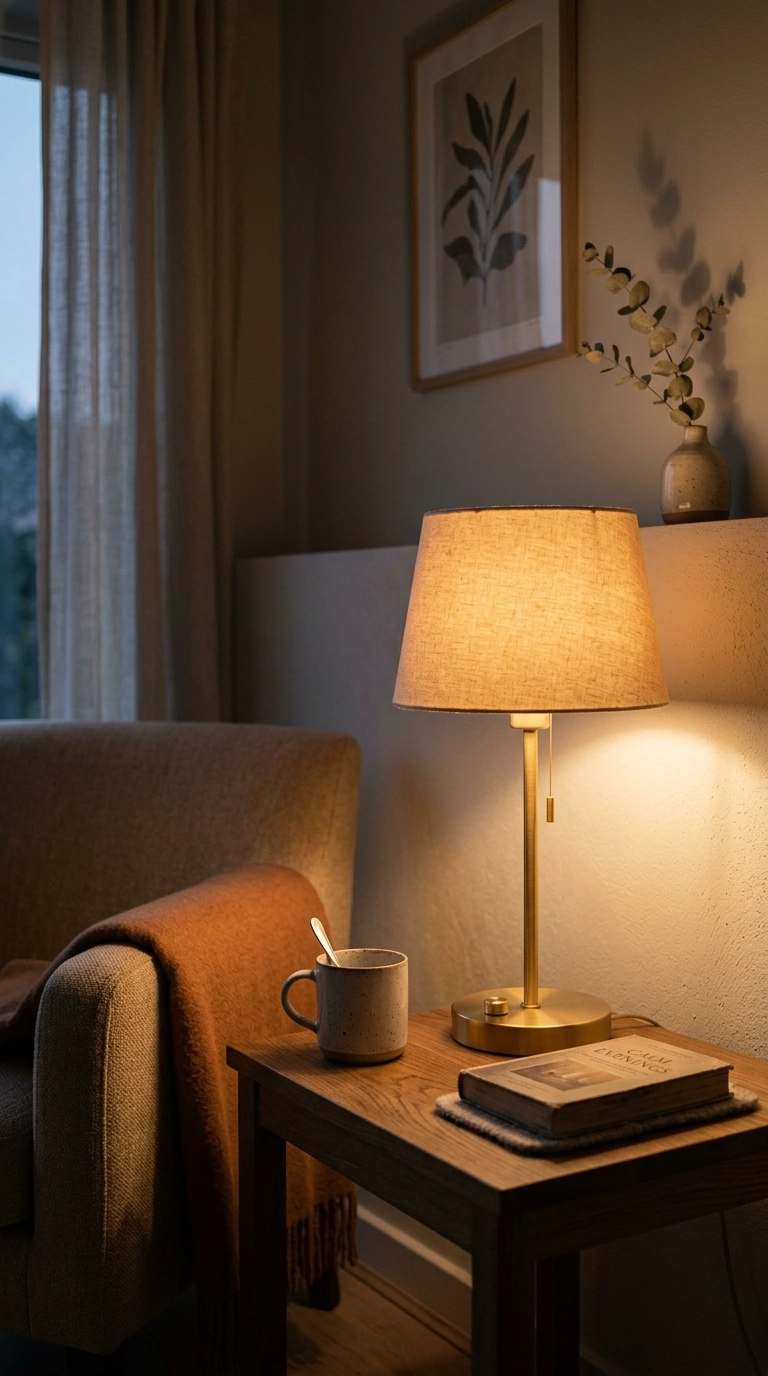
Every light source in a minimalist room should be dimmable or adjustable so the room can shift between functional brightness during active hours and warm ambient glow during relaxing hours. The same room feels completely different at full brightness versus dimmed to thirty percent with a candle lit. The dimmable lighting gives the resident control over the room’s atmosphere throughout the day and ensures the minimal space never feels clinically bright, which is the most common lighting mistake in minimalist rooms. Use warm-toned bulbs throughout and dim them for the most flattering and calming quality.
20. Remove Before Adding
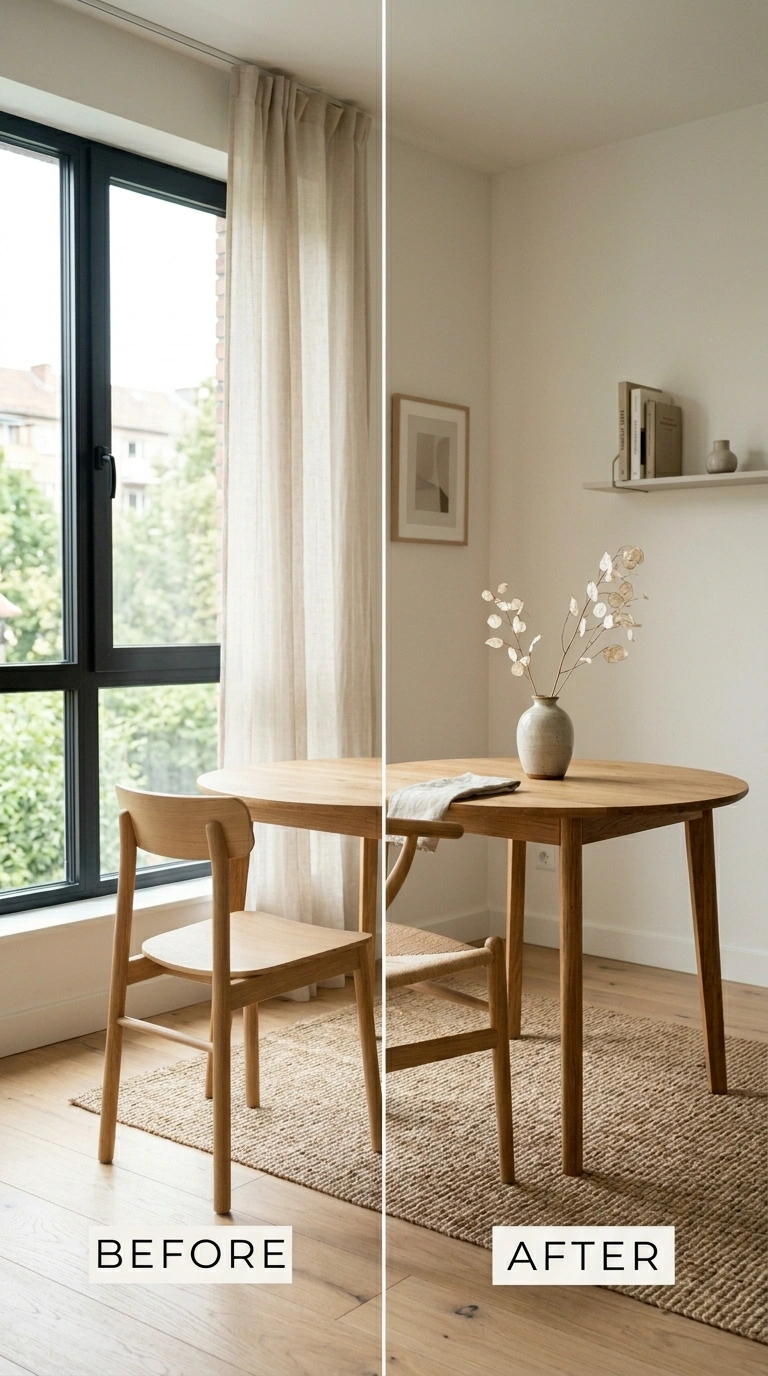
The most reliable minimalist decorating principle is to remove an object for every new object added to the room. This prevents the gradual accumulation that transforms a minimalist room into a conventional one over months and years. Before buying a new object for the room, identify which existing object it will replace. If nothing needs replacing, the new object probably is not needed. This discipline is what maintains the minimalist quality over time rather than allowing it to exist only on the day the room was first photographed.
21. Quality Over Quantity Budget
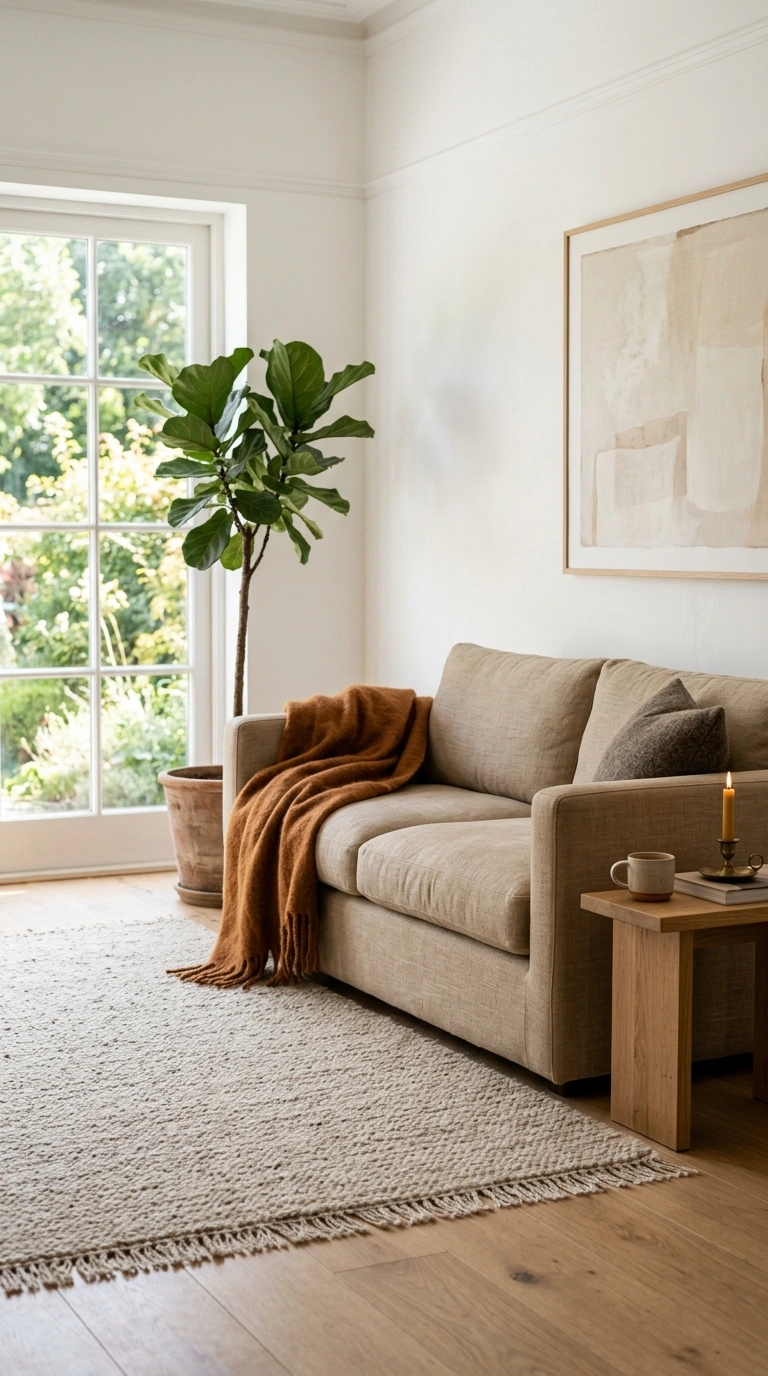
A minimalist room is not cheaper than a fully decorated room. The budget that would have been spent on many inexpensive items is instead spent on fewer expensive ones. A quality sofa costs more than a cheap one but lasts a decade. A quality rug costs more but does not need replacing in two years. A quality throw blanket costs more but feels dramatically better against the skin. The minimalist budget redirects spending from quantity to quality, which produces a room where every object feels genuinely good rather than one where many objects feel adequate.
22. Your Version of Minimal
Minimalism is not a fixed number of objects or a specific shade of white. It is the personal practice of keeping only what genuinely contributes to how you live in the space and removing everything that does not. One person’s minimalist room has a bookshelf with fifty carefully chosen books. Another’s has bare walls and a single sofa. Both are minimalist if every remaining element has been deliberately chosen and everything unnecessary has been removed. Define your own version of minimal based on how you actually live, what you genuinely need, and what makes the room feel calm for you specifically. For more on how simple and warm coexist across all rooms of the home, the cozy minimalist guide covers the broader principles that apply across bedrooms, kitchens, and every other space.
A minimalist room that feels calm instead of empty needs one meaningful thing on the wall, warm materials on every surface, soft textiles within reach, warm lighting at every hour, and the discipline to maintain the open space as a feature rather than treating it as a vacancy to be filled. The calm quality is not what is left when you stop decorating. It is what you actively create by choosing less but choosing better.