20 Cozy Minimalist Ideas That Prove Simple Does Not Mean Cold
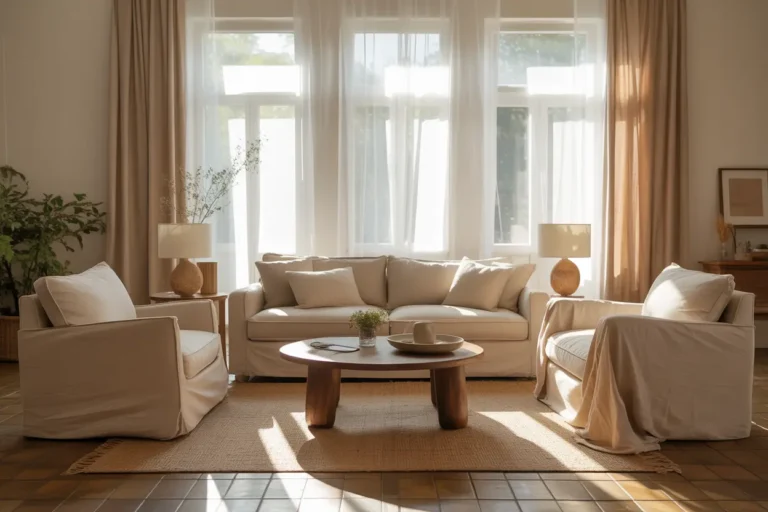
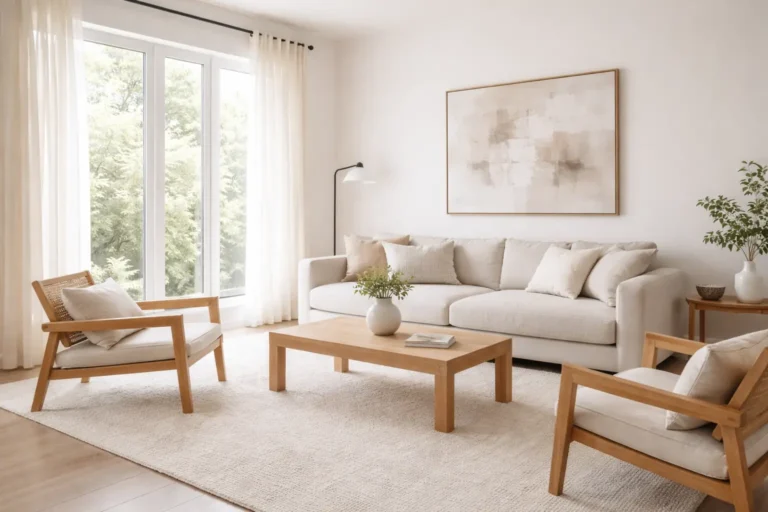
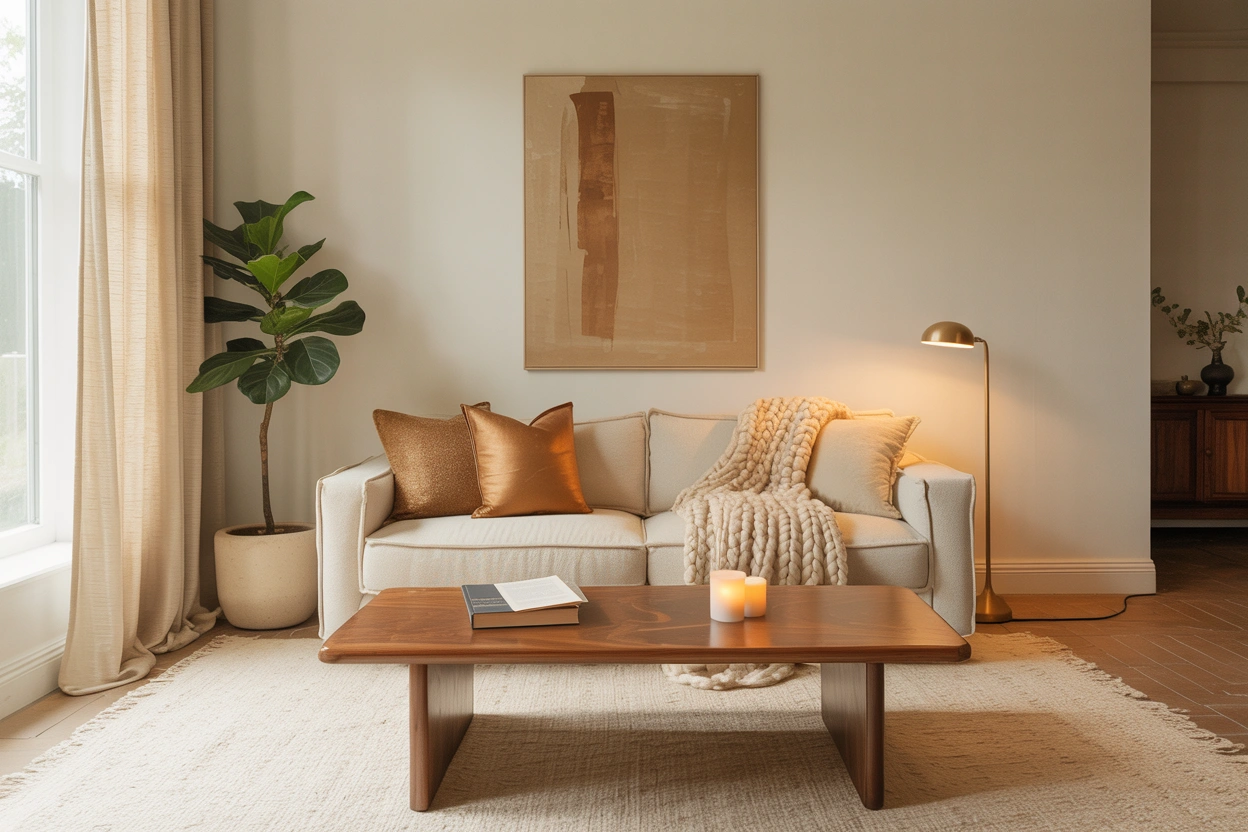
Cozy and minimalist sound like they should be opposites. Cozy implies layers, softness, accumulation, warmth, and abundance. Minimalist implies reduction, clean lines, empty space, and restraint. The reason they actually work together is that the things that make a room cozy are not the quantity of objects in it. They are the quality of the materials, the warmth of the light, and the comfort of the seating. You can have all three of those in a room with very few things in it. You can also have none of them in a room stuffed with cheap furniture and clutter. These 20 ideas show how cozy minimalism works in practice, across living rooms, bedrooms, kitchens, and the rest of the home, proving that simple genuinely does not have to mean cold.
1. Warm Materials Foundation
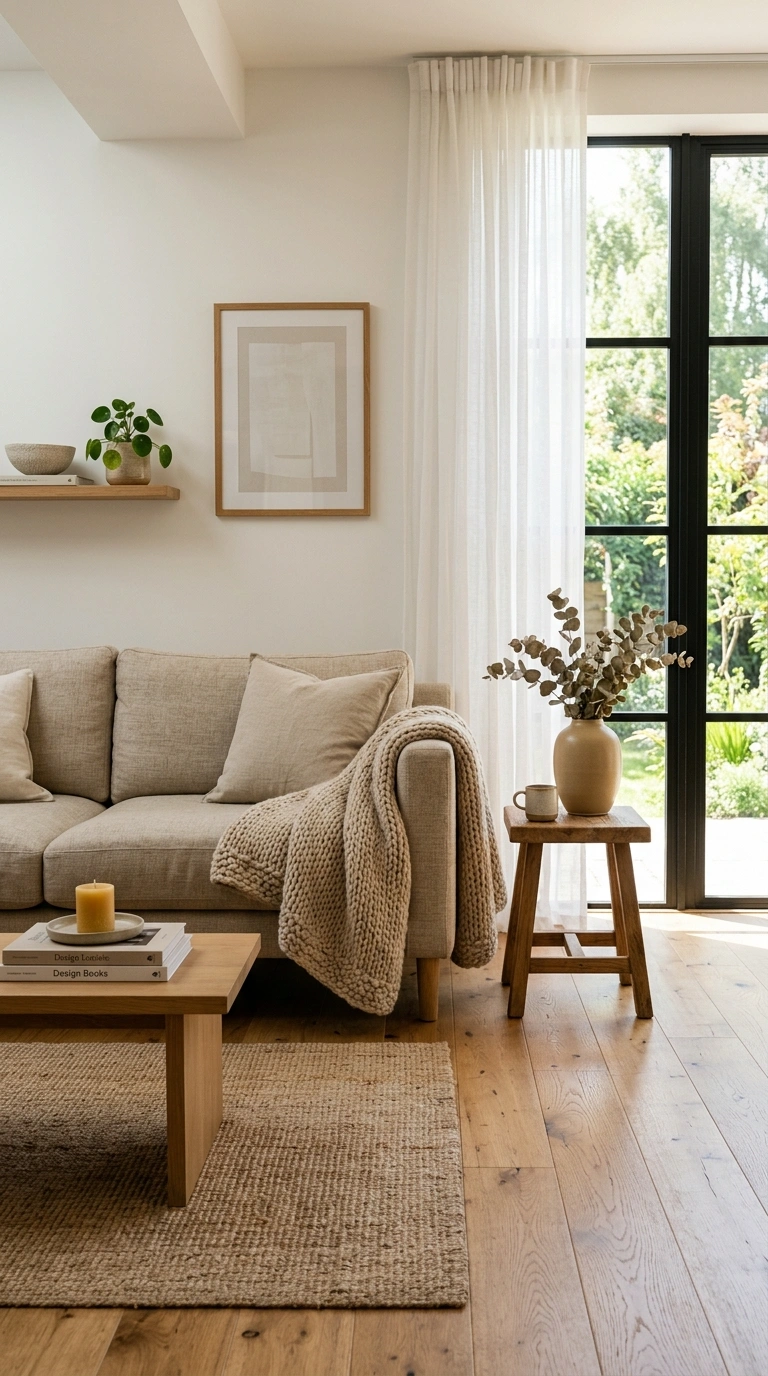
The foundation of cozy minimalism is warm natural materials on every major surface. Warm wood on the floor and the furniture. Soft natural fabric on the sofa and the bed. Warm ceramic and natural stone on the counters and the accessories. When the materials themselves are warm, the room feels warm even with very few objects in it. A room with a warm wood floor, a linen sofa, and a single wool throw blanket feels cozier than a room with ten cold accessories on a glass table. The warmth comes from the material quality, not from the quantity of decoration.
2. Soft Textiles in Every Room
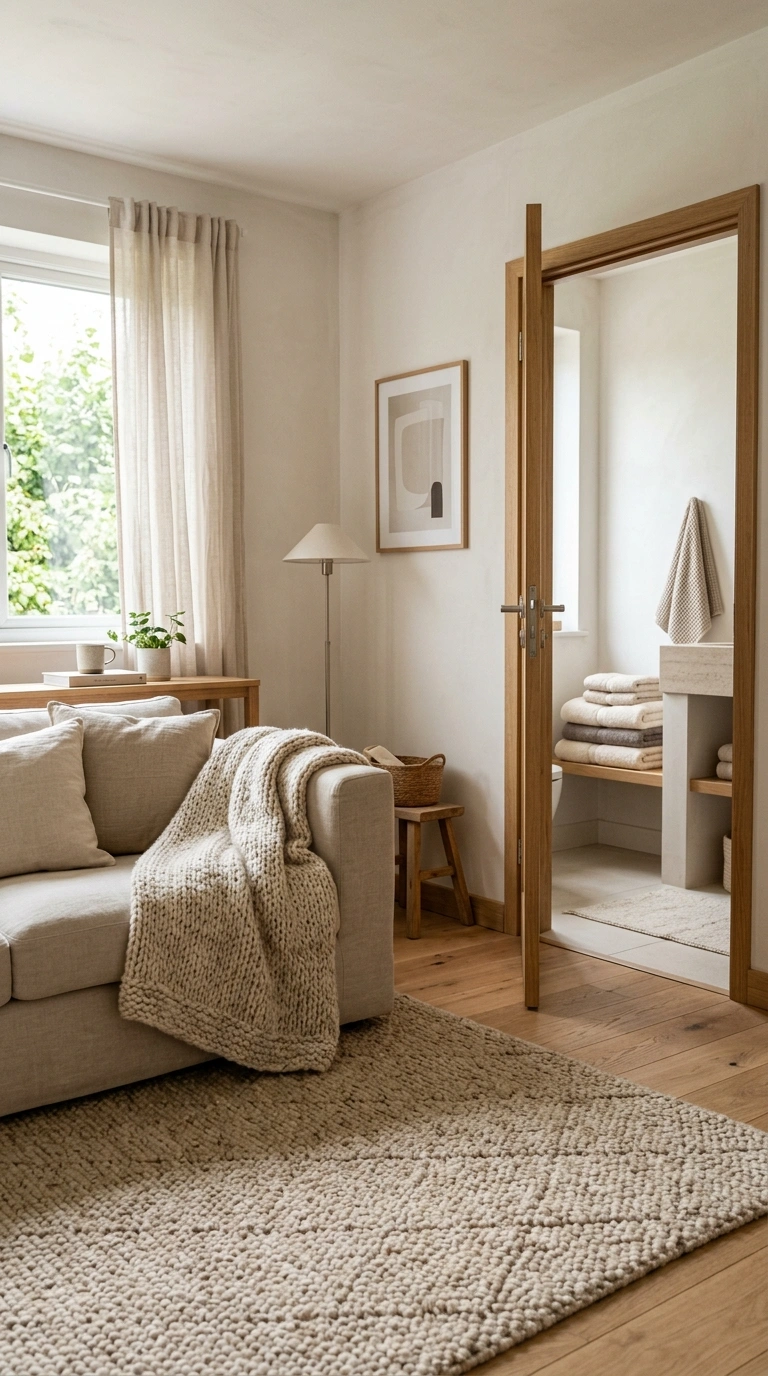
Every room in a cozy minimalist home includes at least one soft textile element that can be touched, wrapped around, or sat on comfortably. The living room has a quality throw blanket. The bedroom has substantial warm bedding. The bathroom has thick warm towels. The kitchen has soft linen tea towels. The soft textiles provide the physical comfort that makes a home feel cozy at the most basic tactile level. The textiles should be in warm neutral tones that suit the minimal palette: cream, oatmeal, warm gray, soft blush, or natural undyed fibers. The quality matters more than the quantity. One excellent blanket does more for coziness than five thin ones.
3. Candlelight Every Evening
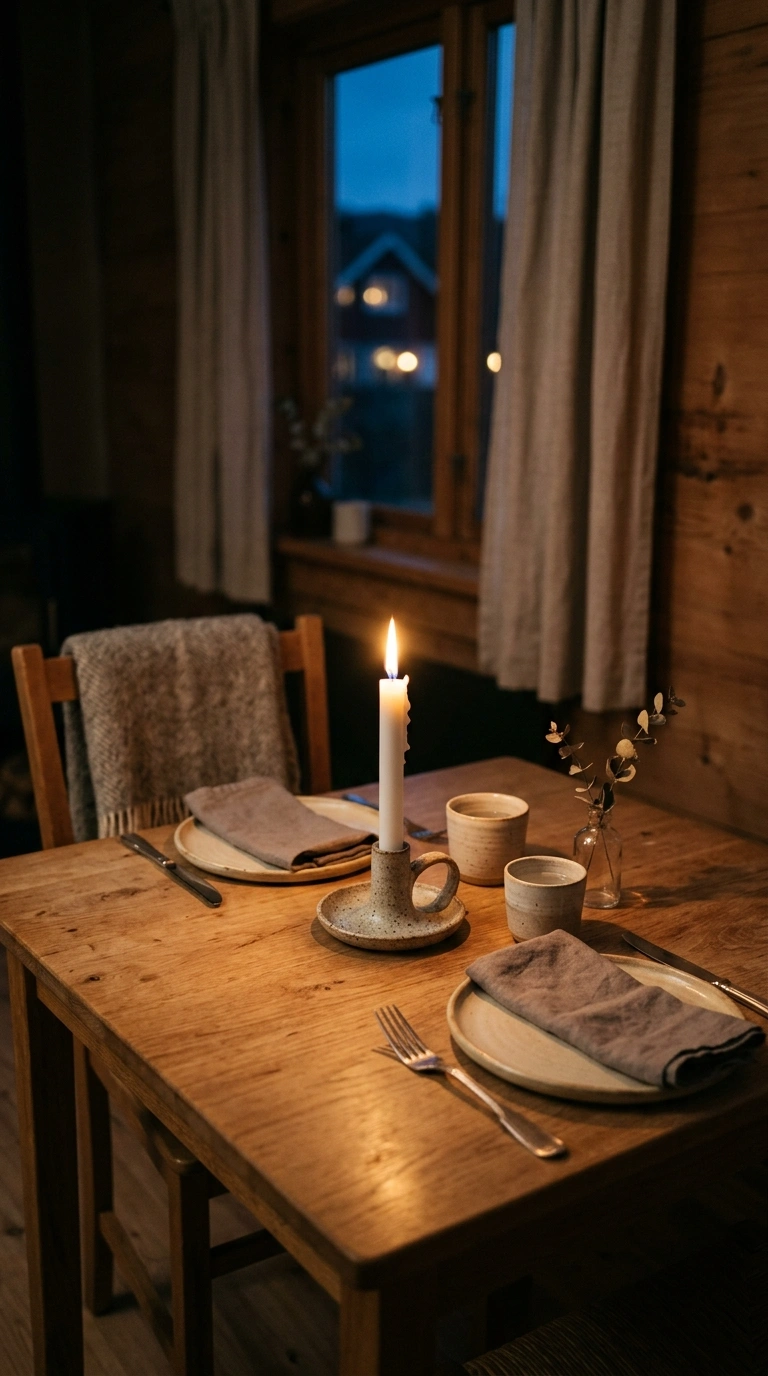
The single most effective cozy habit in a minimalist home is lighting a candle every evening. The warm flickering light transforms any room from functional daytime mode to warm intimate evening mode in seconds. A single candle on the dinner table during meals, on the coffee table during a movie, on the nightstand while reading, or on the bathroom counter during a bath creates the atmospheric shift that overhead electric light cannot. The candle is one of the few decorative objects that a cozy minimalist home actively needs rather than tolerates. Choose candles in warm natural scents and simple vessels that suit the minimal aesthetic.
4. Dim Warm Ambient Light
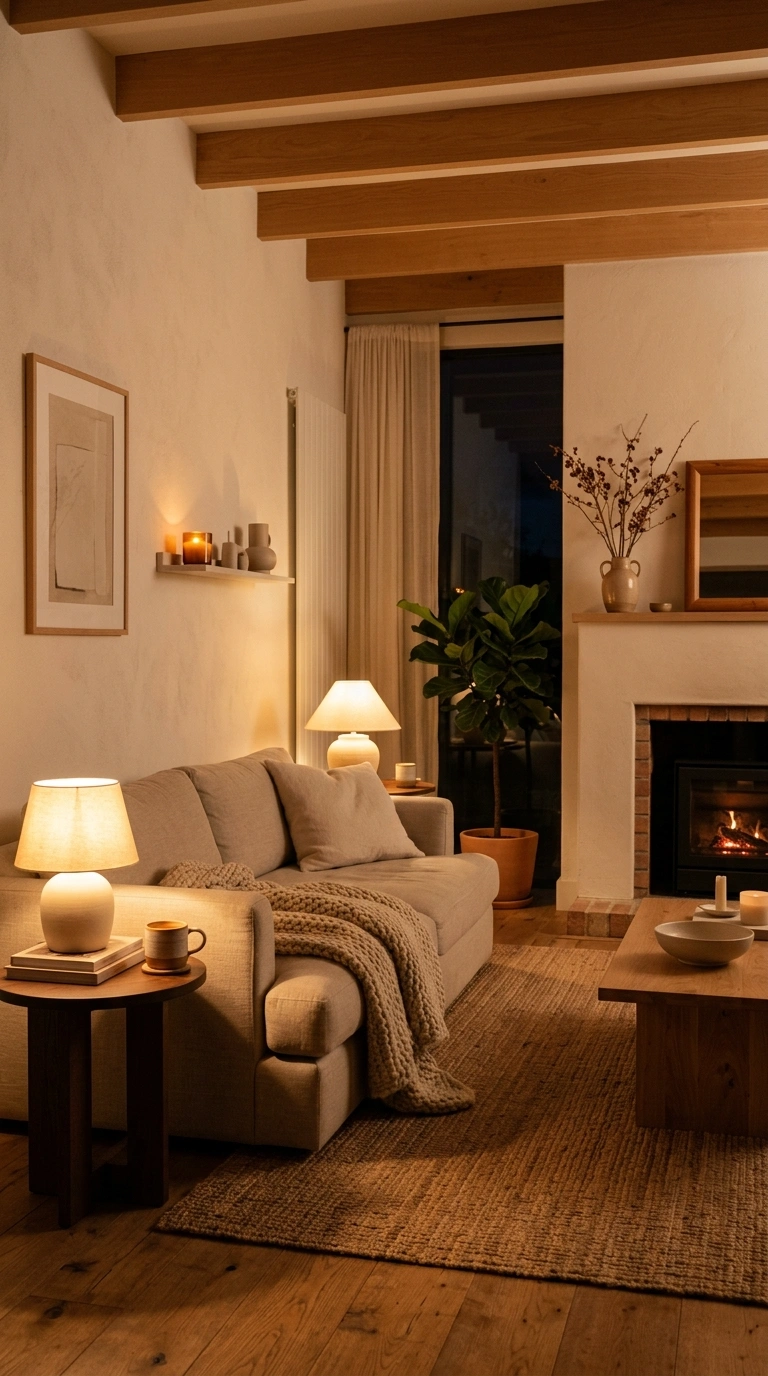
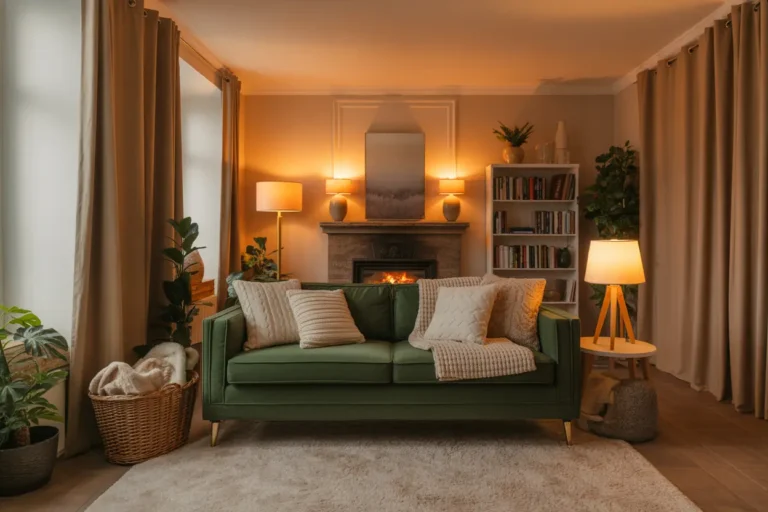
The lighting in a cozy minimalist home should always be dimmable and always warm-toned. Bright cool overhead lighting is the enemy of both coziness and atmosphere. Replace every bulb in the home with warm LEDs in the 2700K range and install dimmers on every fixture that will accept one. The ability to lower the light level from functional brightness to a warm glow is what allows a minimal room to feel cozy in the evening rather than stark. The dimmed warm light also makes the warm materials, the wood, the linen, the ceramic, glow with their natural warmth rather than being washed out by bright overhead illumination.
5. Lived-In Not Staged Quality
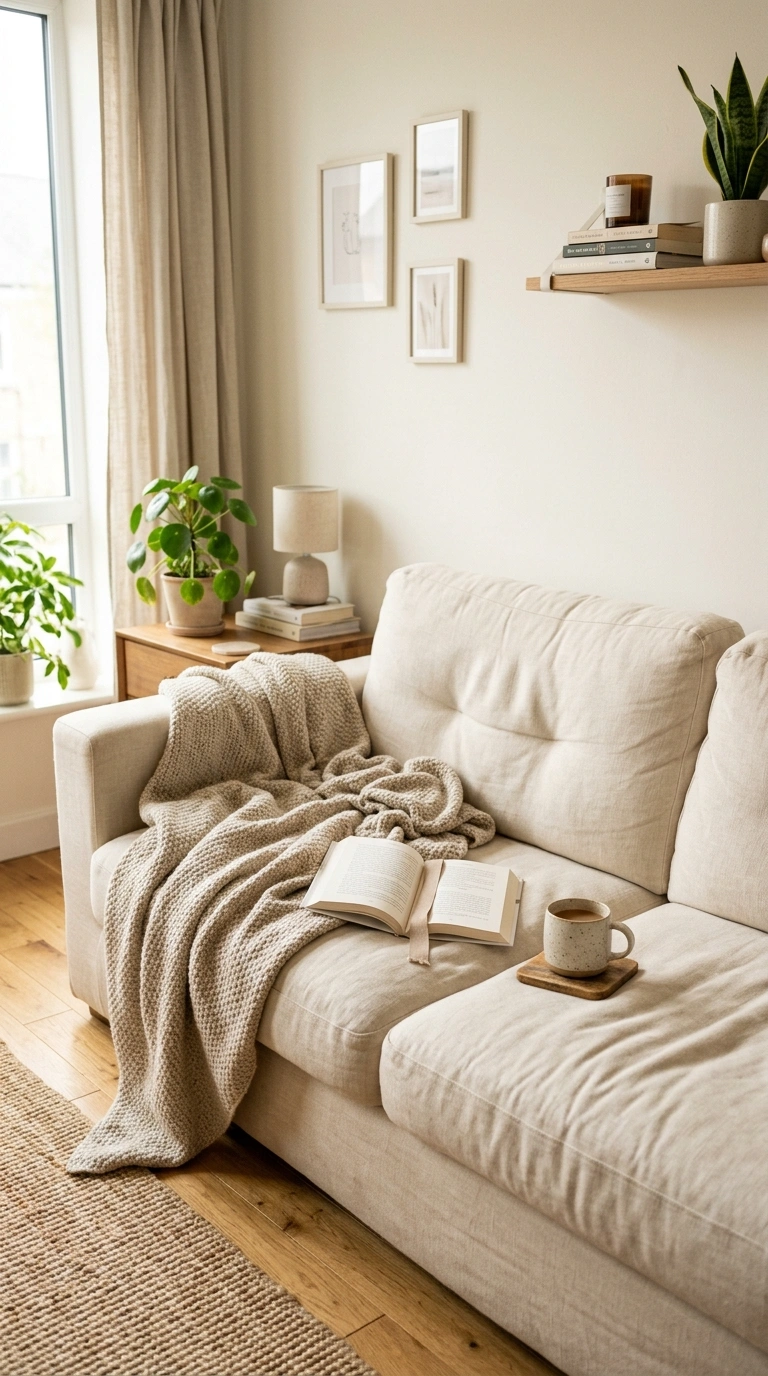
A cozy minimalist home looks lived-in rather than staged. The throw blanket is slightly rumpled rather than perfectly folded. The book on the coffee table is the one actually being read, with a bookmark in it, rather than a decorative prop. The plant has a few imperfect leaves. The cushion has a gentle dent from being sat on. These small signs of genuine life are what make the difference between a home and a showroom. The cozy quality comes from evidence of actual living. The minimalist quality comes from the absence of unnecessary objects. Both can exist simultaneously when the few remaining objects show the natural wear of daily use.
6. Morning Ritual Warmth
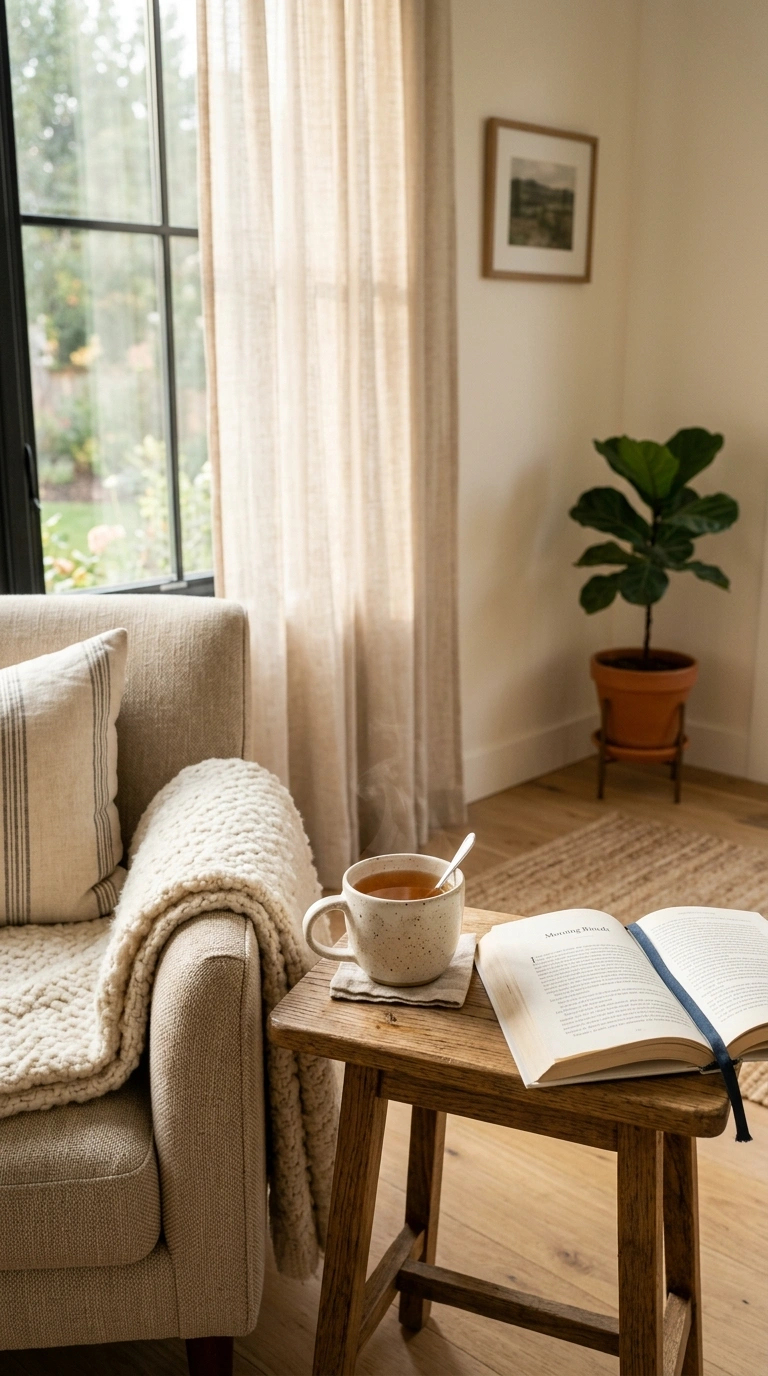
The cozy quality of a minimalist home extends to daily rituals. A simple morning routine, making a cup of tea in a beautiful mug, sitting in a comfortable chair for five minutes before the day begins, reading a page of a book in natural morning light, gives the home a warm human quality that transcends the decor. The ritual makes the home feel loved and inhabited rather than merely designed. The objects that support the ritual, the mug, the chair, the book, earn their place in the minimal home because they serve a genuine daily purpose. The same attention to creating small meaningful rituals in a warm functional room also applies in minimalist room decor where each remaining object should contribute to how you actually live in the space.
7. Kitchen Counter Clear Warm
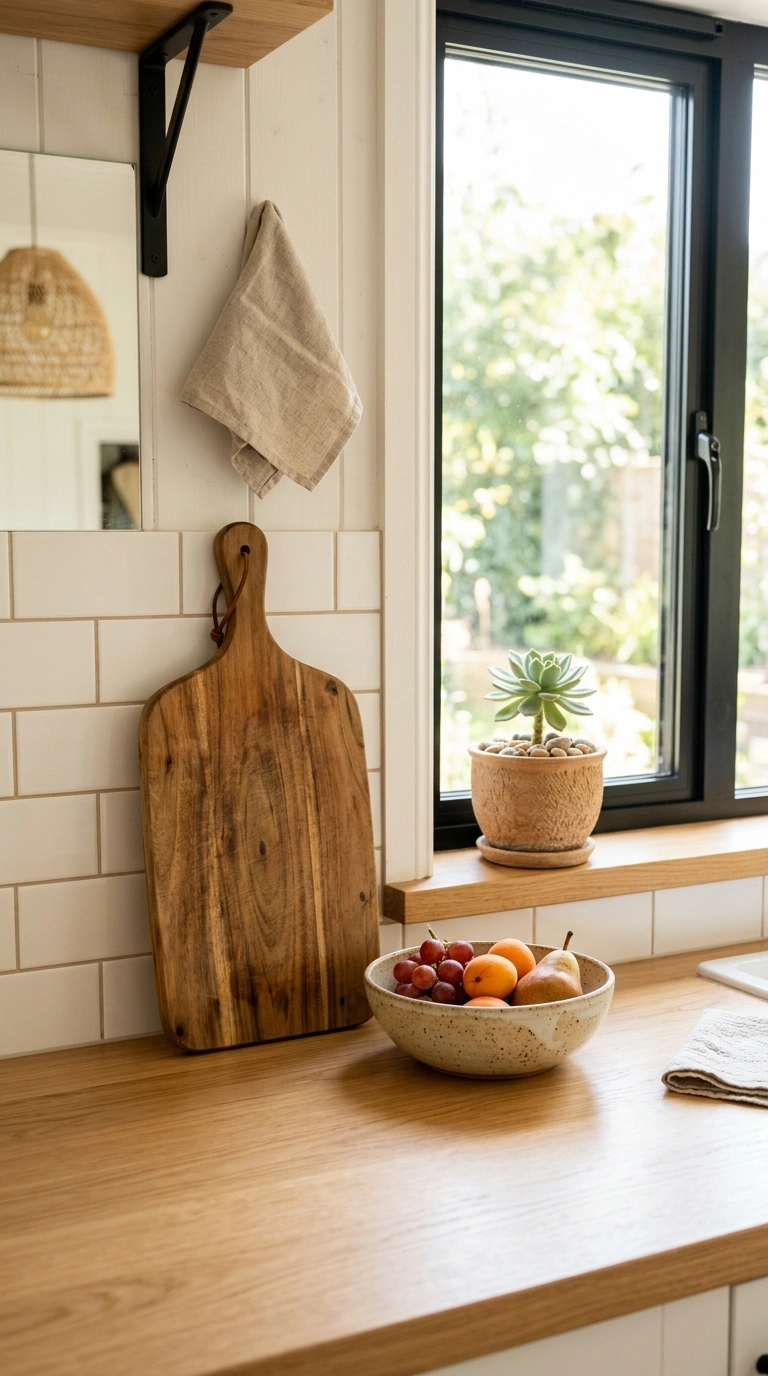
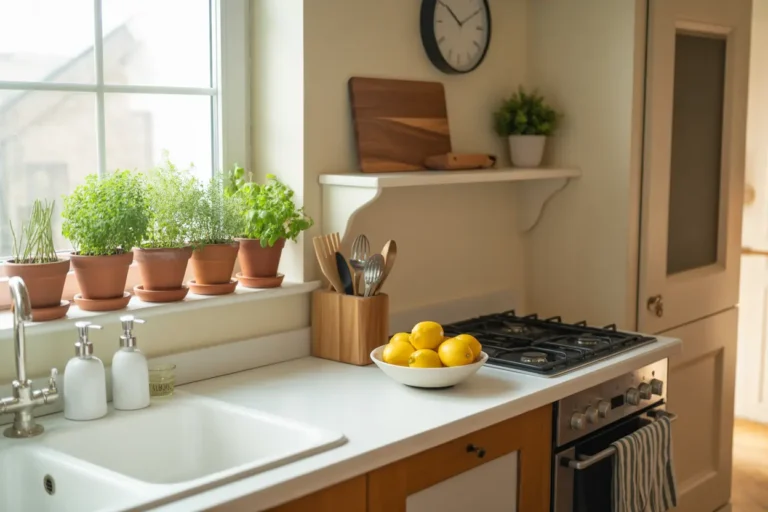
A cozy minimalist kitchen keeps the counters almost entirely clear but the few visible items are warm and beautiful rather than purely functional. A wooden cutting board leaning against the backsplash, a single ceramic bowl holding fruit, a warm mug on the counter beside the kettle, and a small plant on the windowsill together create a warm kitchen with almost nothing on the surfaces. The empty counter space makes the kitchen functional for actual cooking while the warm objects make it feel like the kitchen of someone who enjoys being there.
8. Bedroom Cocoon Quality
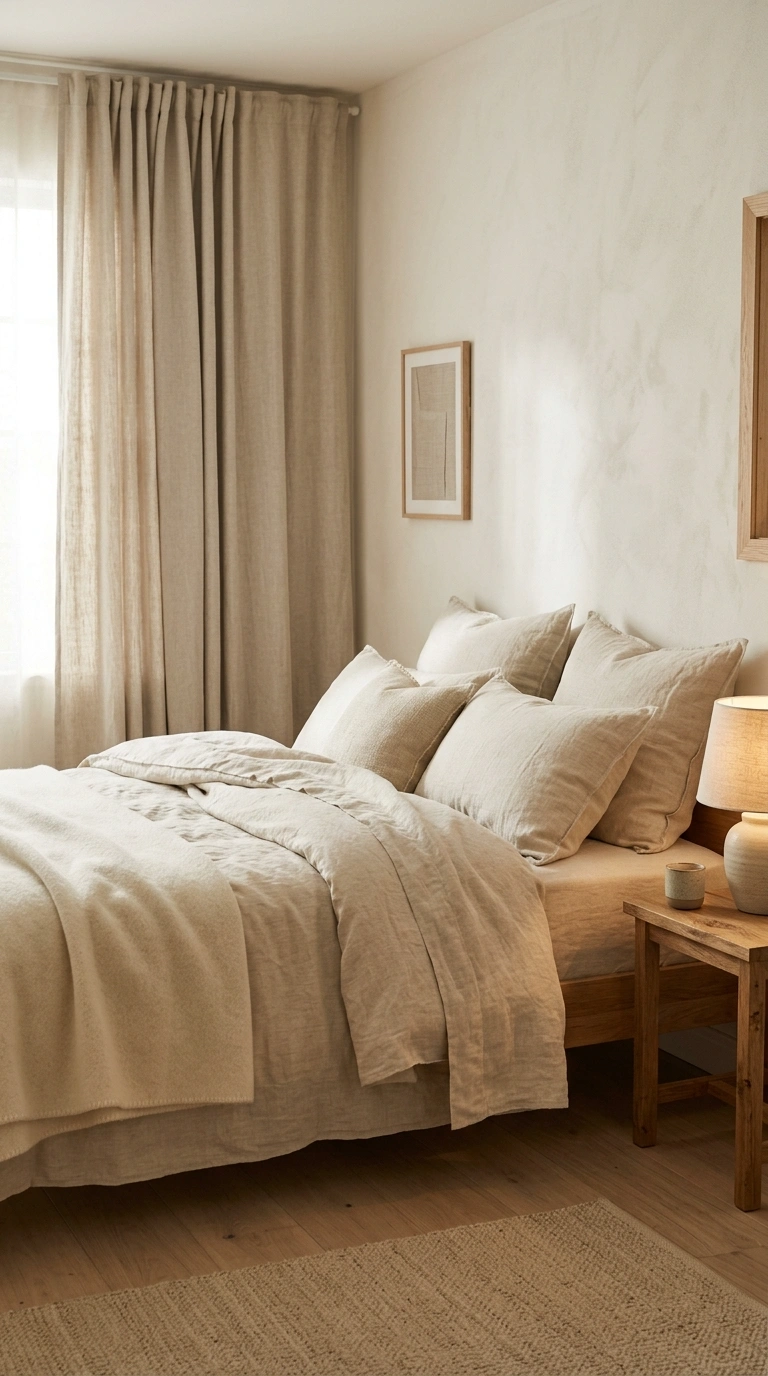
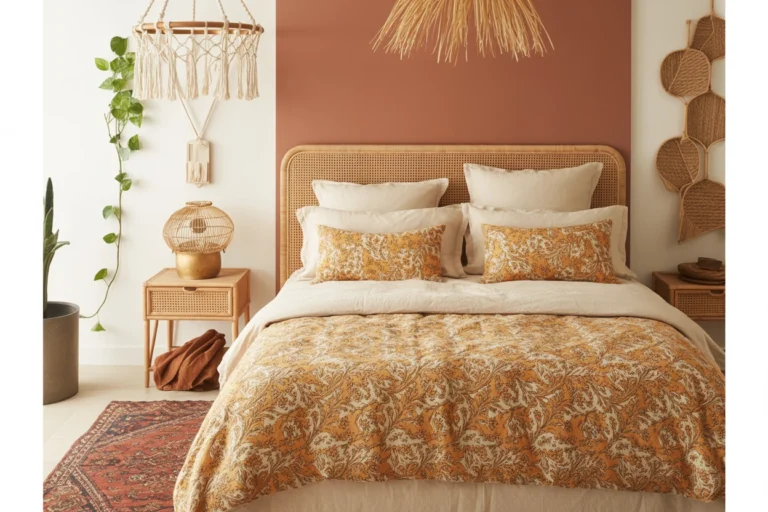
A cozy minimalist bedroom has the cocoon quality of a well-made bed in a quiet room with nothing else demanding attention. The bed should be made with high-quality warm bedding in a single neutral tone. The curtains should be heavy enough to darken the room for sleeping. The nightstand should hold only a lamp and one small object. The floor should be clear. The walls should hold one piece of art at most. The result is a room where the bed is the dominant element and everything in the room supports the single function of restful sleep. The cocoon quality comes from the simplicity itself, since there is nothing to stimulate or distract the mind when the day is done.
9. Natural Scent Subtle Layer
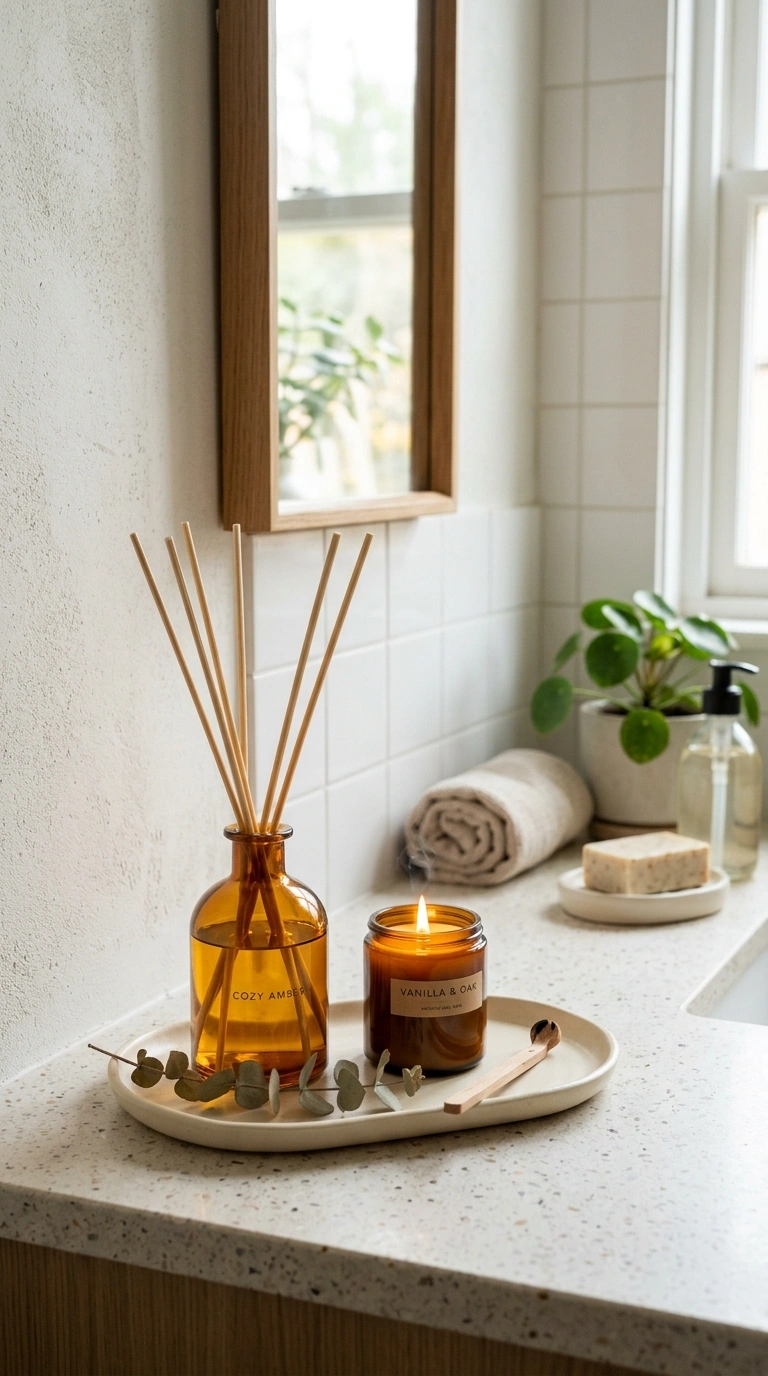
A gentle warm scent throughout the home, from a reed diffuser, a scented candle, or a few drops of essential oil, adds the invisible atmospheric layer that makes a minimal home feel warm rather than sterile. The scent should be barely noticeable after a few minutes in the room but perceptible when first entering. Warm sandalwood, soft vanilla, clean cedarwood, or a gentle linen scent all suit cozy minimalist homes. The scent signals that the home is cared for at a level deeper than visual styling and adds a sense of completeness that a home without any scent lacks.
10. Bathroom Spa Simplicity
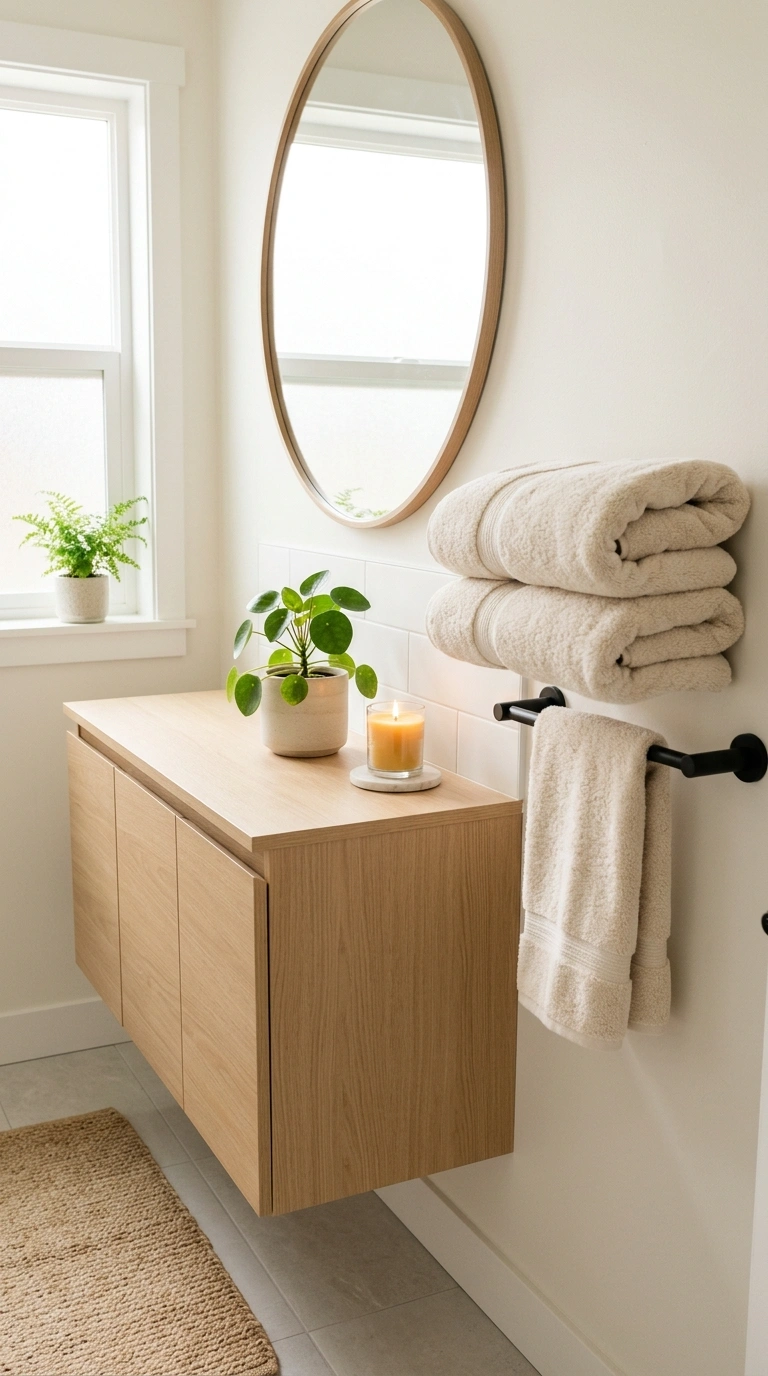
A cozy minimalist bathroom functions like a spa: warm lighting, thick matched towels, a single plant, a candle, and clean clear surfaces with all products stored out of sight. The spa quality comes from the absence of visual clutter combined with the presence of warm sensory details. The thick towels, the candle, and the warm light are the cozy elements. The clear counter and the hidden storage are the minimalist elements. Together they create a bathroom that feels like a daily luxury rather than a room to rush through.
11. One Cozy Reading Spot
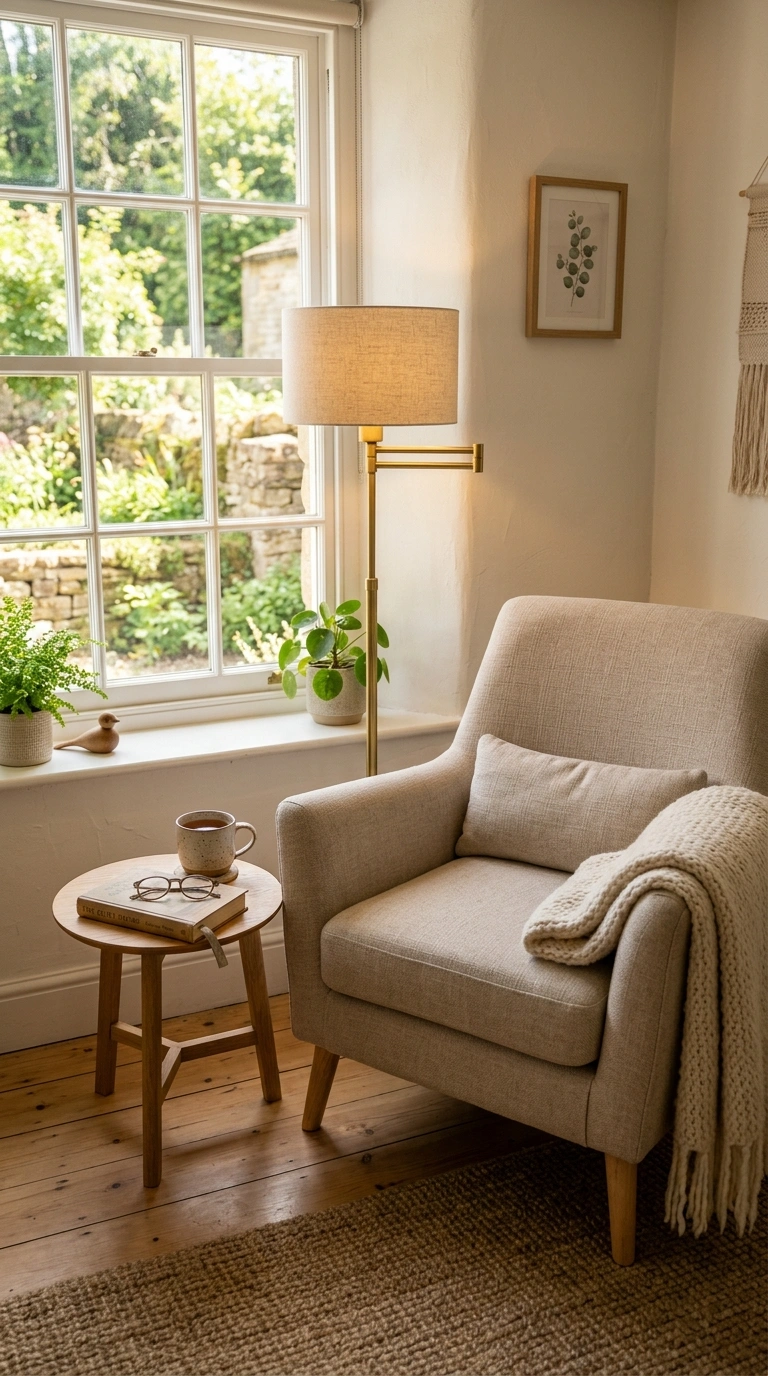
Every cozy minimalist home needs at least one dedicated spot that is designed for genuine comfort and extended sitting: a comfortable armchair with a good lamp and a small side table, a window seat with cushions, or a sofa corner with a blanket and a pillow. The reading spot is the physical proof that the home is for living in rather than for looking at. It should be positioned near natural light during the day and near a warm lamp for the evening. A small side table holding the current book and a mug completes the station. The reading spot is often the warmest and most inviting area of the entire home.
12. Warm Wood Everywhere
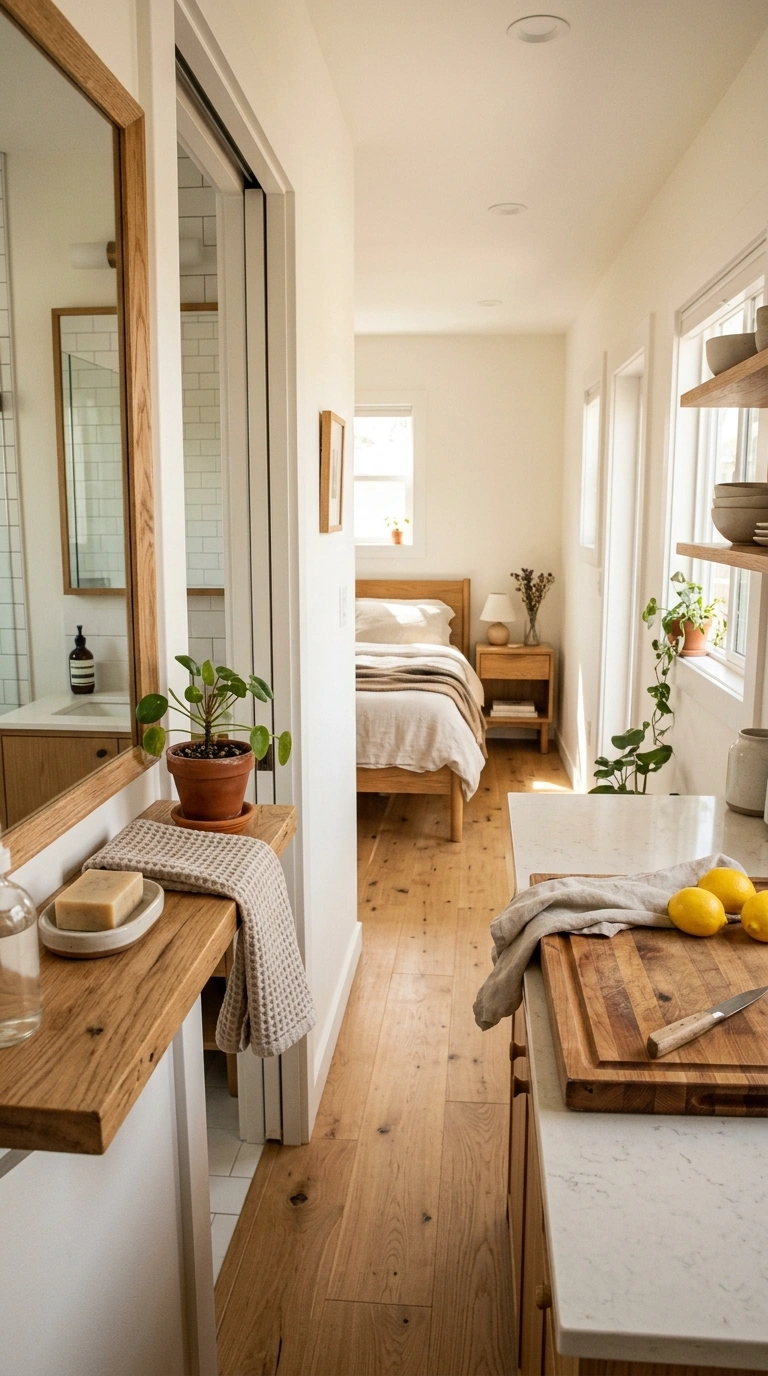
Warm wood should appear in every room of a cozy minimalist home, even if only in small amounts. A wooden shelf in the bathroom, a wooden cutting board in the kitchen, a wooden nightstand in the bedroom, a wooden coffee table in the living room, and wooden frames on the wall art together create a warm material thread that runs through the entire home. The consistent presence of warm wood prevents any individual room from feeling cold or manufactured. Choose a consistent wood tone throughout, whether light oak, warm walnut, or honey pine, for the most cohesive result.
13. Seasonal Small Adjustment
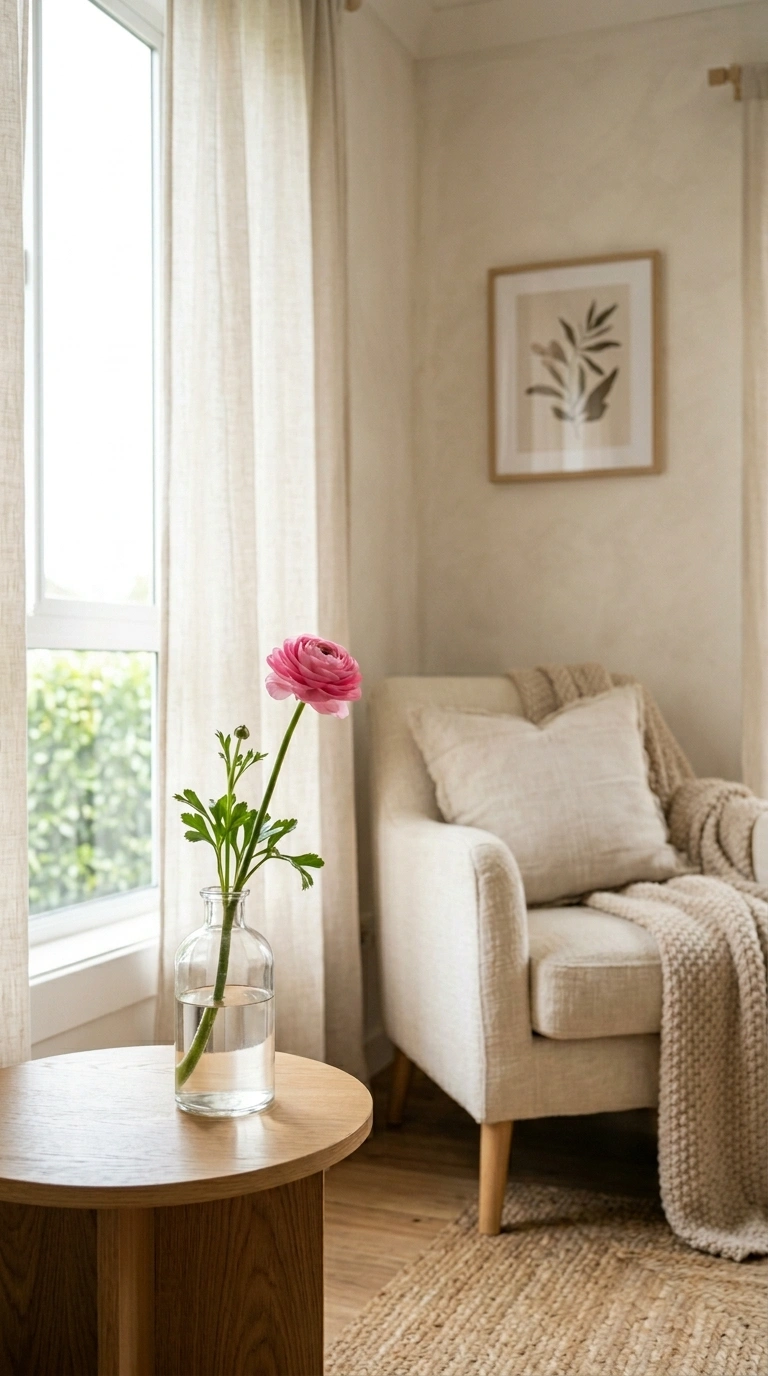
A cozy minimalist home acknowledges the seasons with small adjustments rather than full decorating overhauls. A lighter blanket replaces a heavier one in spring. A fresh flower replaces a dried stem in summer. A warm candle scent replaces a lighter one in autumn. A slightly thicker rug appears in winter. These small seasonal shifts keep the home feeling responsive and alive without adding objects or disrupting the minimal quality. The adjustments are replacements rather than additions, which maintains the overall simplicity while preventing the home from feeling static throughout the year.
14. Meaningful Object Collection
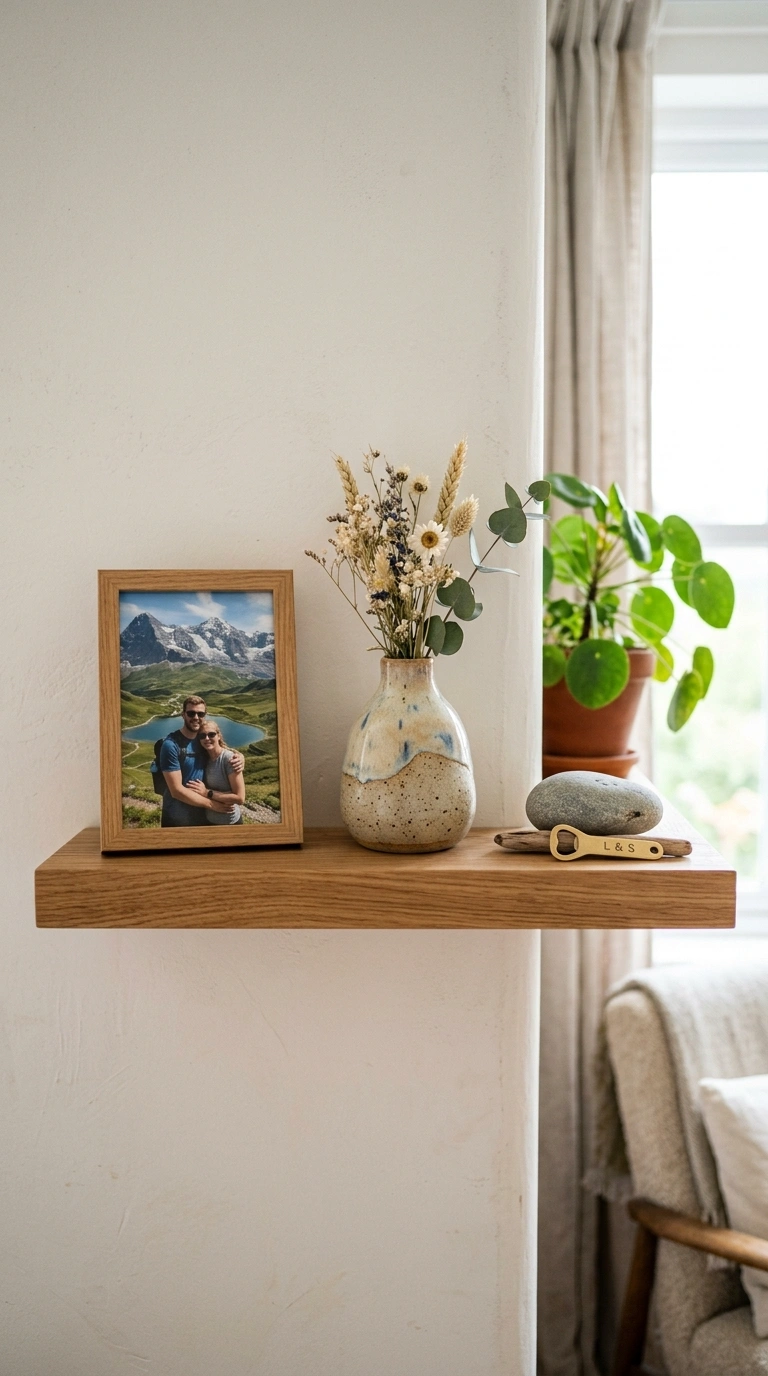
A cozy minimalist home is not a home without personal objects. It is a home where the personal objects are genuinely meaningful rather than casually accumulated. A photograph from a significant trip, a ceramic made by a friend, a book given by a parent, a stone from a meaningful beach, these personal objects earn their place in the minimal home because they carry emotional weight that generic decor does not. Display three or four truly meaningful objects throughout the home and let them tell the story of the person who lives there. The personal quality is what makes a minimal home feel warm rather than anonymous.
15. Guest Comfort Always Ready
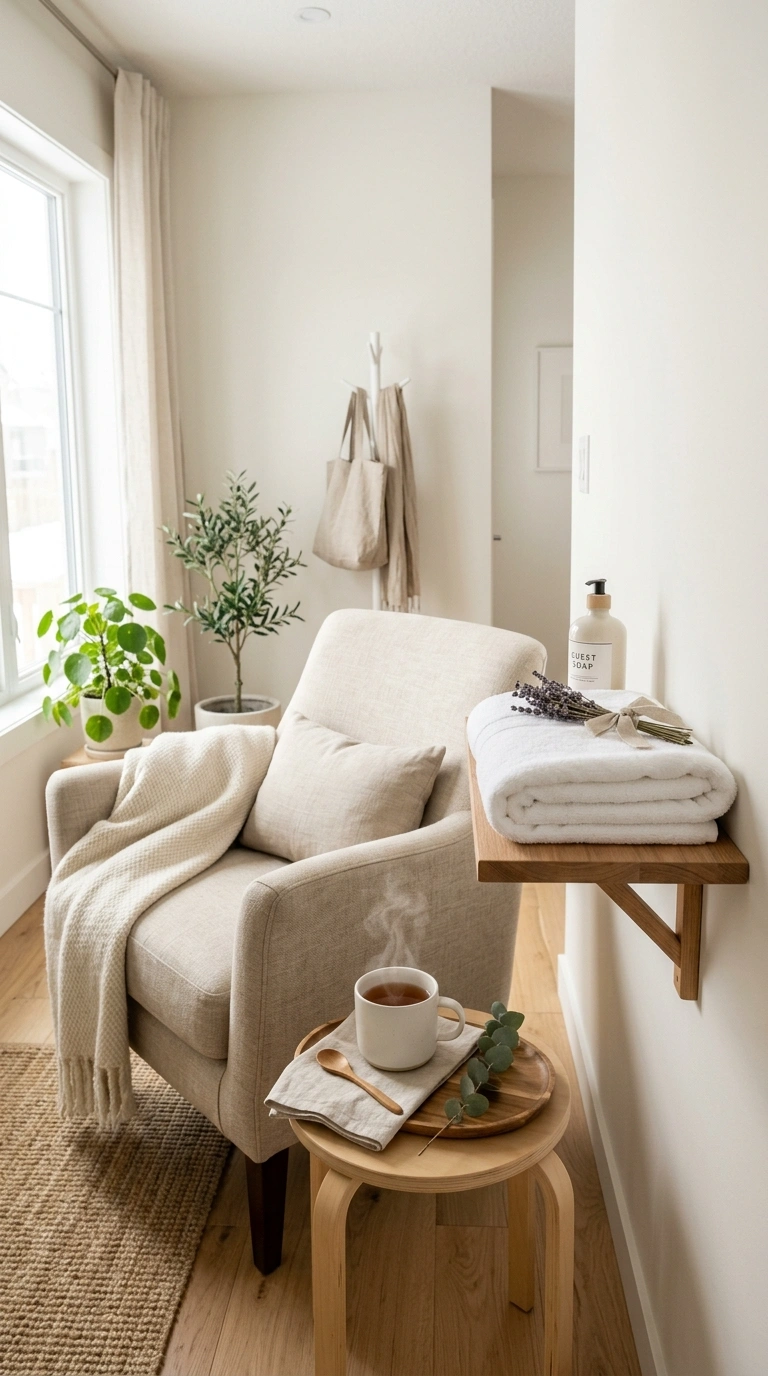
A cozy minimalist home extends its warmth to guests by being always ready to offer genuine comfort. A clean guest towel accessible without asking, a blanket offered without prompting, a warm drink made within minutes of arrival, and a comfortable place to sit that is not the host’s favorite chair all signal warmth and hospitality. The minimalist quality means the home is uncluttered and calm for the guest. The cozy quality means the guest feels immediately comfortable and cared for. Both impressions happen simultaneously when the home is designed with both principles in mind.
16. Quiet Color Palette Home-Wide
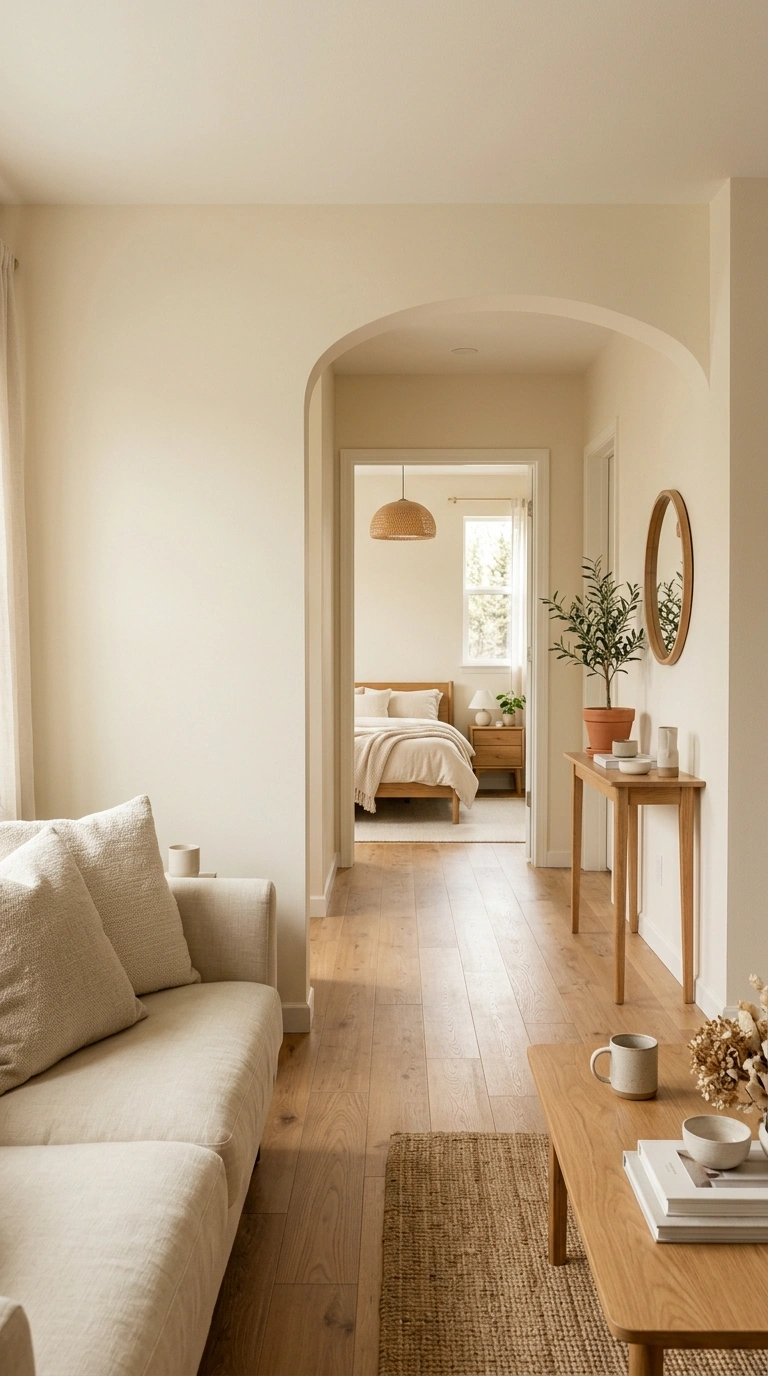
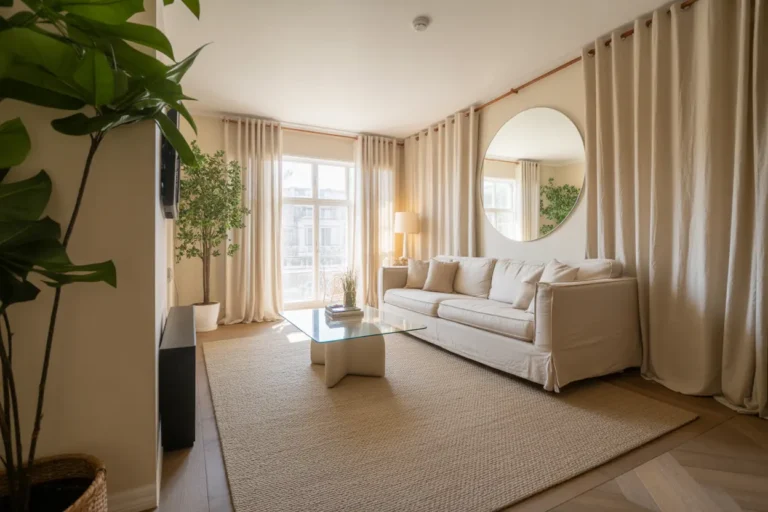
A cozy minimalist home uses a consistent quiet color palette throughout every room: warm whites, soft creams, warm grays, and muted earth tones with warm wood as the primary accent material. The consistency from room to room creates a calm flow that makes the home feel unified and peaceful as you move through it. Individual rooms can have slight variations, a slightly warmer tone in the bedroom, a slightly cooler one in the bathroom, but the overall family of colors should feel related rather than disconnected. The consistent palette is one of the strongest contributors to the overall calm quality of the home.
17. Digital Clutter Matters Too
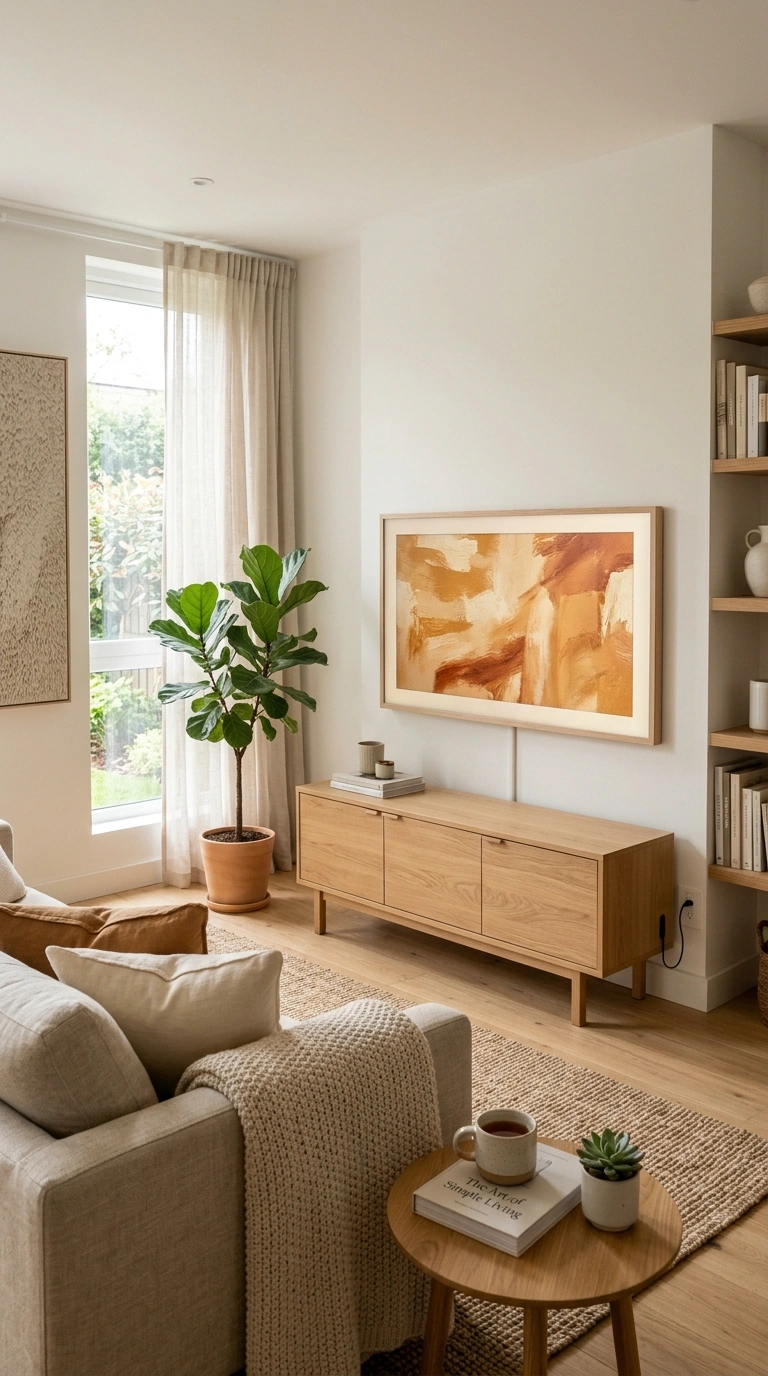
The cozy minimalist quality of a home extends beyond physical objects to the digital clutter that accumulates on screens and surfaces. A television that displays art or a screensaver when not in use rather than a standby light. A phone that charges in a drawer rather than on the nightstand. A laptop that closes and goes into a bag or a desk when work is done. The digital devices should retreat from the living space during non-use hours so the warm physical environment is the dominant sensory experience in the home. The discipline of managing digital presence in the home is as important as managing physical clutter.
18. Sound Environment Awareness
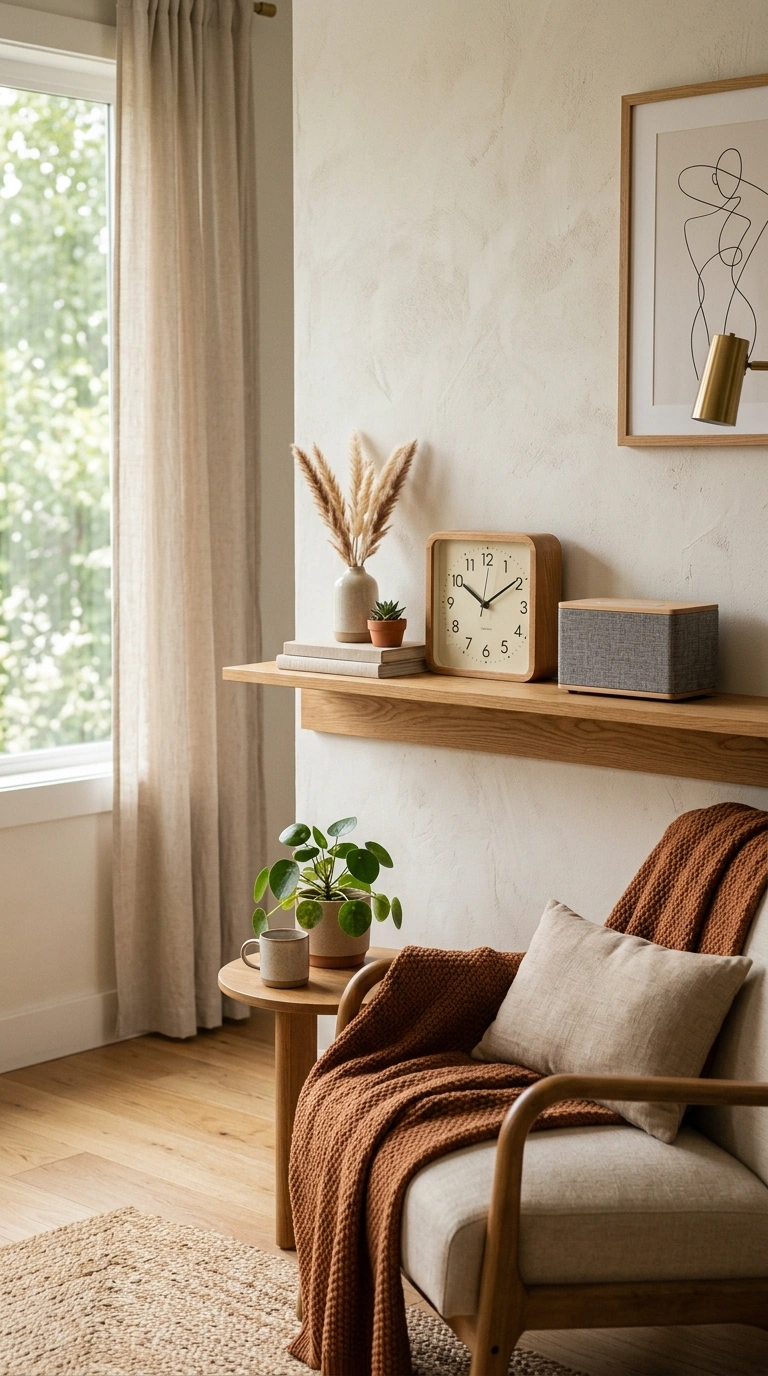
The cozy quality of a minimal home includes the sound environment. A quiet home with minimal background noise feels calm and restful. A small speaker playing gentle music or ambient sound during morning routines, during cooking, and during evening relaxation adds a warm atmospheric layer. A ticking clock on the mantle, the gentle hum of a small fountain, or the sound of the rain through a cracked window all contribute to the cozy sound environment. The minimal home should sound warm and quiet rather than either noisy or absolutely silent, since both extremes work against the cozy quality.
19. Clean Air Fresh Quality
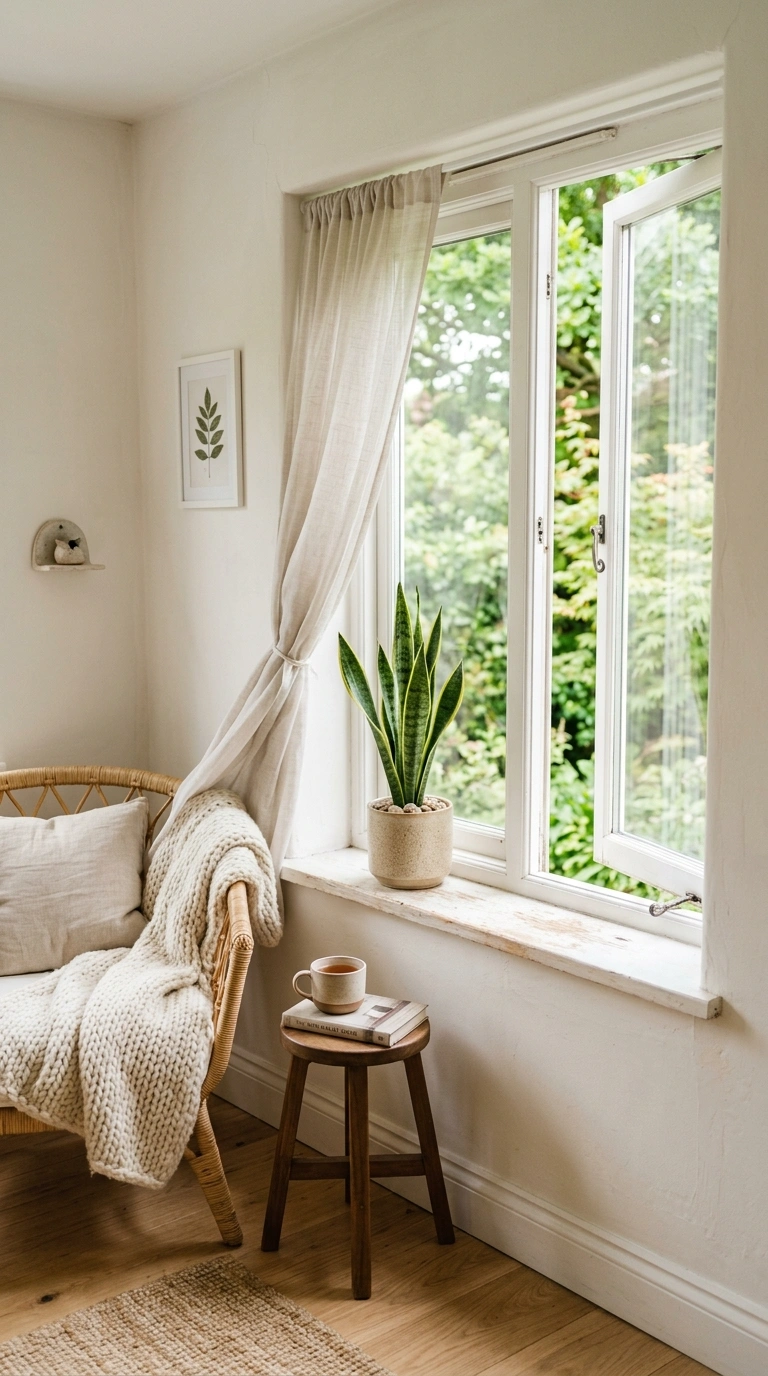
The air quality of a cozy minimalist home contributes to how the home feels at the most fundamental level. Open windows regularly for fresh air circulation. A single air-purifying plant in the main room adds both green visual warmth and genuine air quality benefit. Avoid heavy synthetic air fresheners that mask air quality rather than improving it. The combination of fresh air, a gentle natural scent, and clean surfaces creates the crisp-yet-warm quality that the best minimal homes have, a sense that the home is both cared for and genuinely healthy to live in.
20. Warmth Is the Whole Point
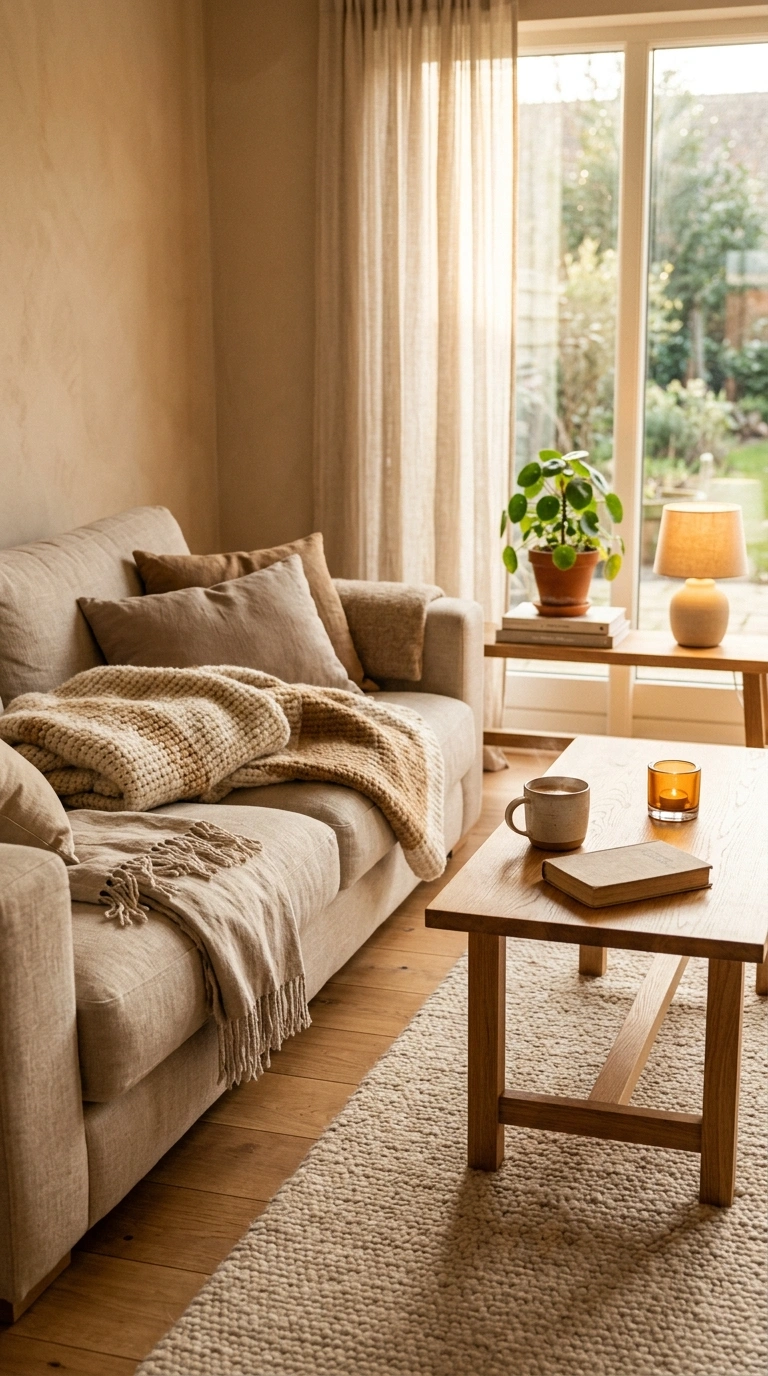
The central principle of cozy minimalism is that warmth is the whole point of having a home. Every decision, from the sofa to the lighting to the color of the walls, should be tested against the question: does this make the home feel warmer or colder? Objects that add warmth stay. Objects that add visual interest but no warmth are reconsidered. Objects that add neither are removed. The test is simple and it works in every room and for every potential purchase. When warmth is the filter through which every design decision passes, the result is a home that is both genuinely simple and genuinely warm, which is the combination that cozy minimalism promises and that these ideas are designed to deliver.
Cozy minimalism is not a compromise between two opposing ideas. It is the recognition that the things that make a home genuinely cozy, warm light, soft textiles, natural materials, and the evidence of a life actually being lived, do not require a lot of stuff. They require the right stuff, chosen with care and maintained with the daily habit of keeping only what genuinely contributes warmth. A home can be simple and warm at the same time. In fact, the simplicity is often what allows the warmth to be felt most clearly.