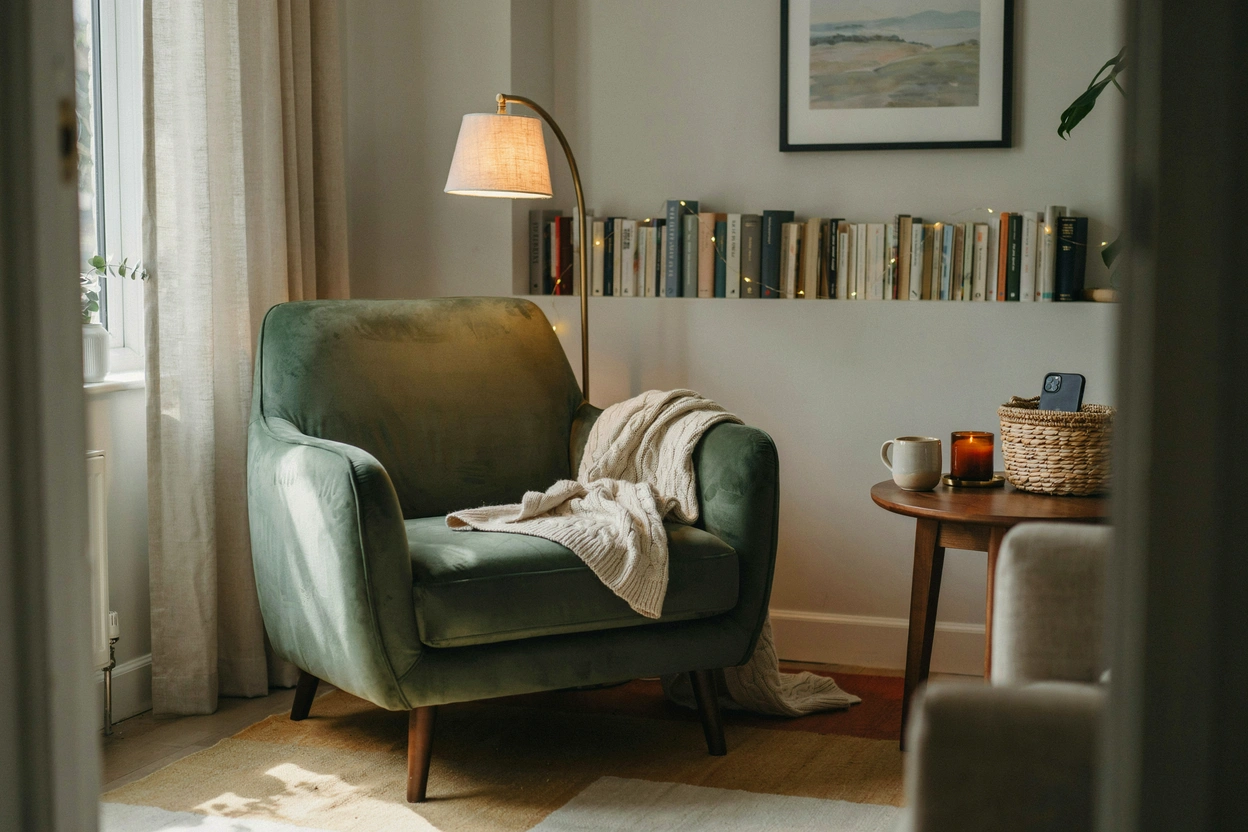
20 Reading Corner Setups That Turn Any Empty Spot Into a Book Retreat
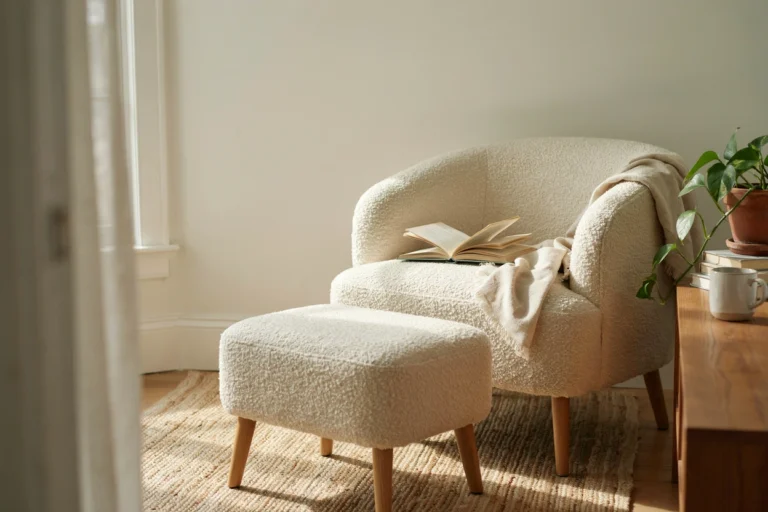
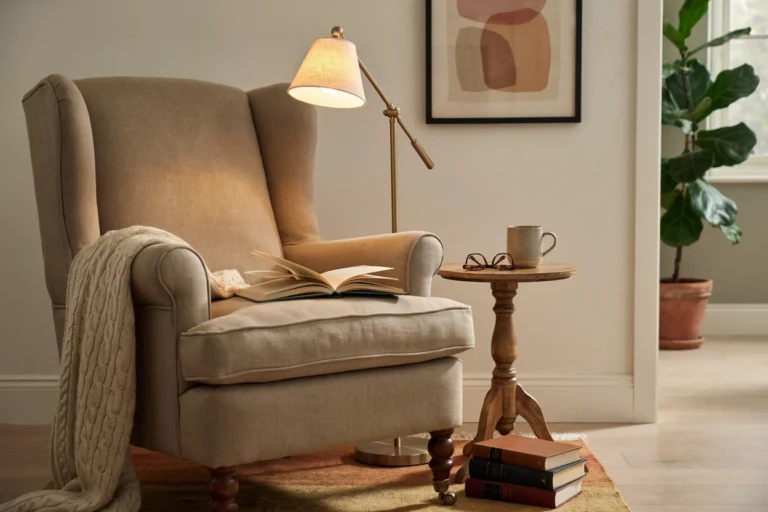
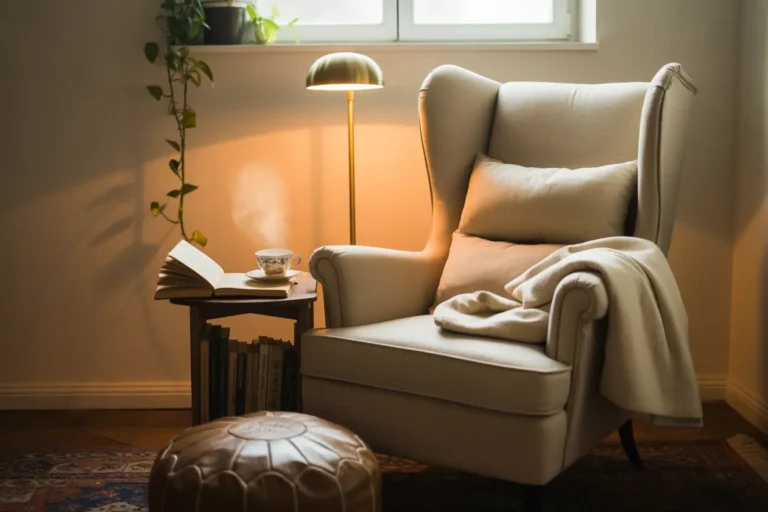
A reading corner requires exactly four things to work: a comfortable chair, a good light, a surface for a drink, and enough separation from the rest of the room that sitting down feels like arriving somewhere rather than just sitting in a different spot. Those four elements can fit into almost any empty corner, empty wall, or underused nook in almost any room of the house. The reading corner does not need to be a separate room or an elaborate built-in. It needs to be a specific place that is clearly designated for reading by the arrangement of its four essential elements. These 20 ideas show how to build complete reading corners from those four elements in living rooms, bedrooms, hallways, and other spaces, with the styling details that make each corner feel like a genuine retreat rather than a chair pushed into a gap.
1. Living Room Corner Station
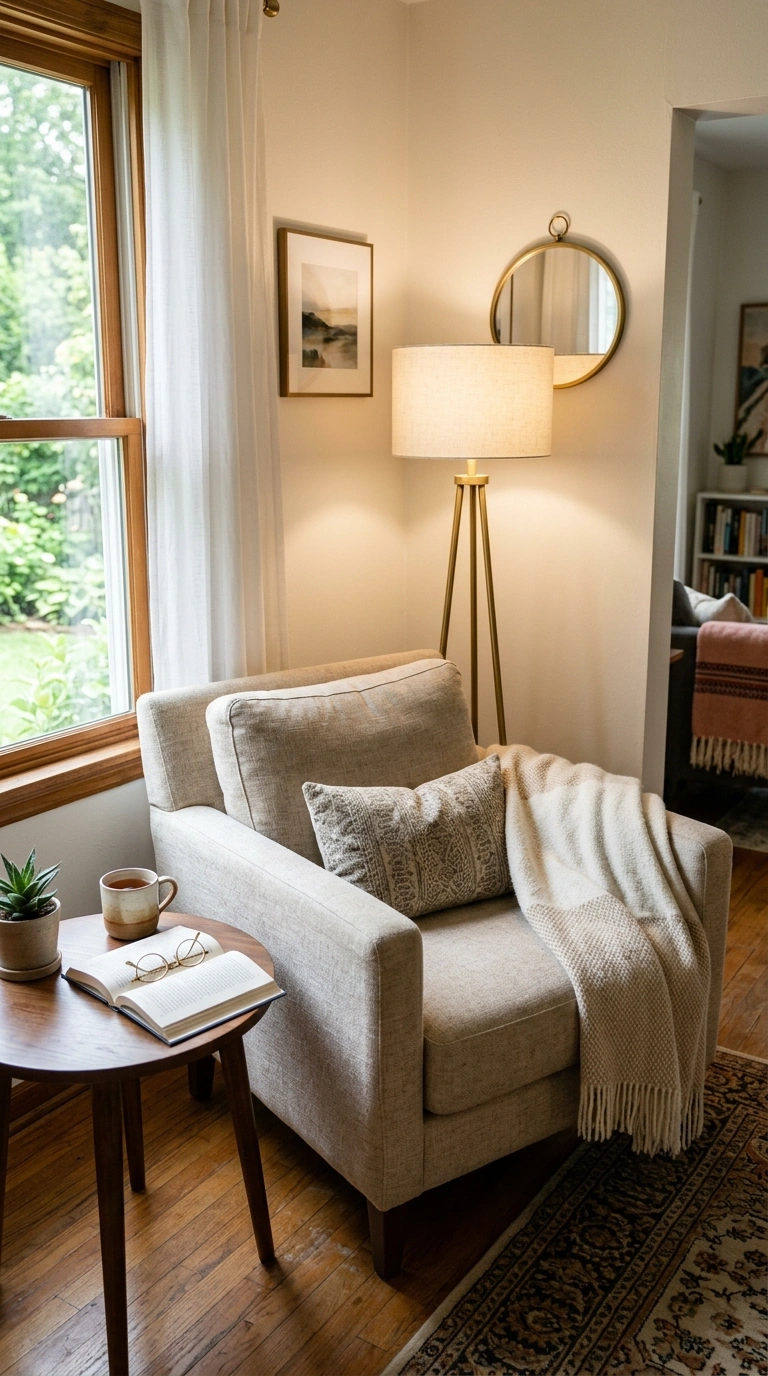
The most common reading corner location is a corner of the living room, positioned away from the television and the main conversation seating. Place a comfortable armchair angled slightly toward the room rather than facing the wall. Position a floor lamp with an adjustable arm behind and to one side of the chair. Add a small round side table within reach of the chair arm. Drape a throw blanket over the chair. The four elements together create a distinct reading zone within the larger living room that reads as a designed destination rather than as an extra chair with nowhere else to go.
2. Bedroom Window Reading Spot
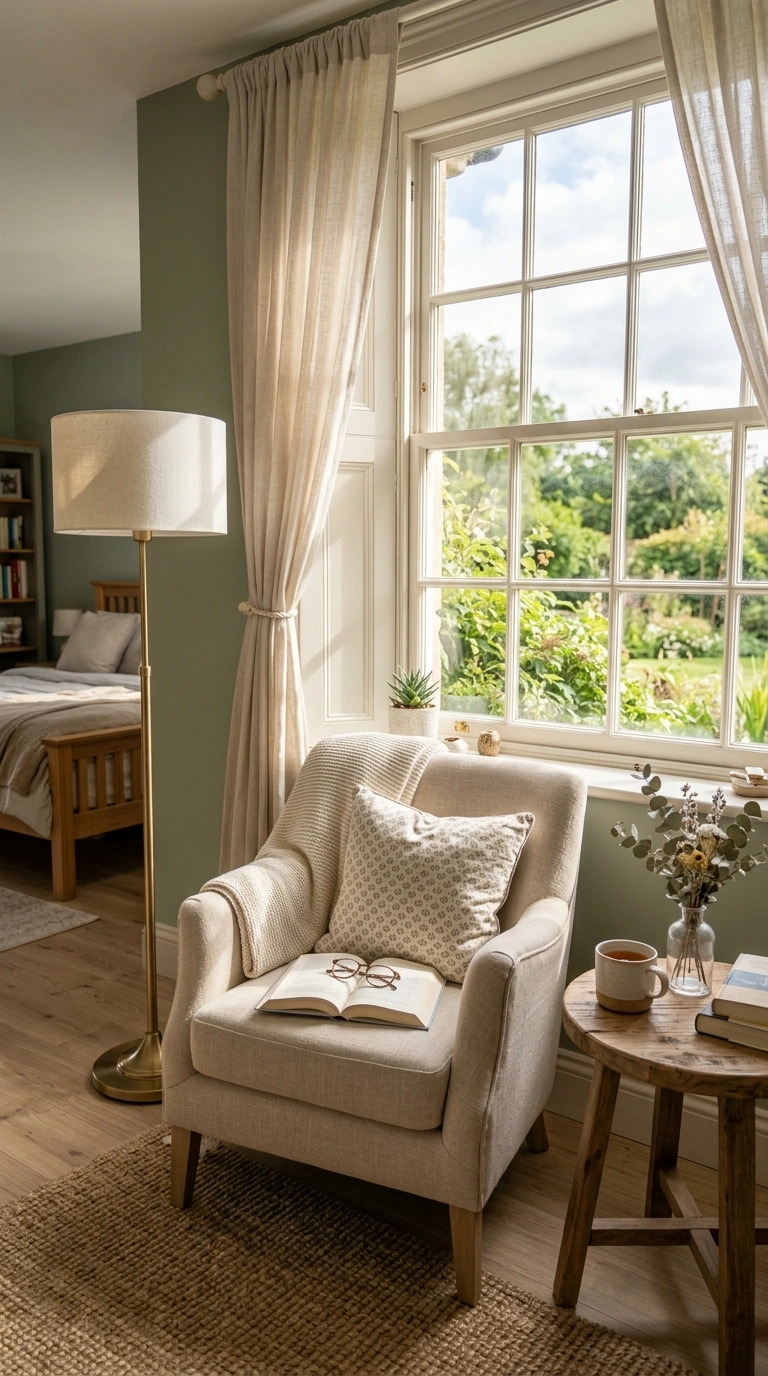
A comfortable chair positioned beside the bedroom window, with a small table on one side and a floor lamp on the other, creates a private reading spot that is separate from the bed and that catches the natural morning or evening light. The bedroom reading corner provides a place to read before bed that is not the bed itself, which sleep experts recommend because it separates the reading activity from the sleeping surface and supports better sleep habits. Choose a chair that suits the bedroom aesthetic and that is comfortable enough for the thirty to sixty minutes of pre-sleep reading that most readers do.
3. Hallway Niche Discovery
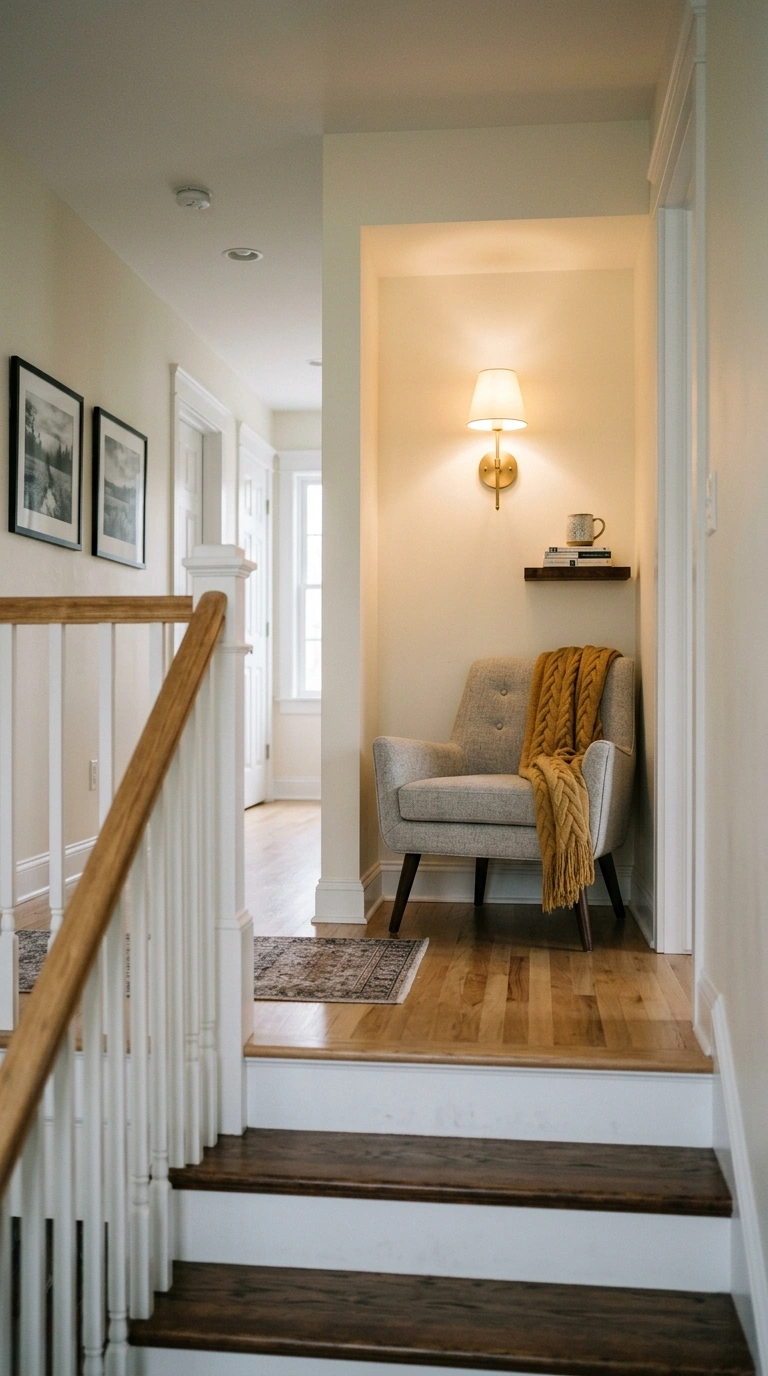
Many homes have an underused hallway niche, a wide landing at the top of the stairs, or a gap at the end of a corridor that is wide enough for a small chair but too narrow for standard furniture. A slim armchair, a small slipper chair, or even a built-in bench with a cushion fitted into this niche creates a reading spot that feels private and slightly secret, which is exactly the quality that makes a reading corner inviting. Add a wall-mounted sconce for light and a tiny floating shelf for a mug. The hallway reading corner is one of the most charming solutions because it uses space that would otherwise contribute nothing to the home. Similar approaches to creating reading destinations from underused spaces are covered in the reading nook ideas guide which explores how dedicated reading spots pull readers away from screens.
4. Floor Cushion Low Setup
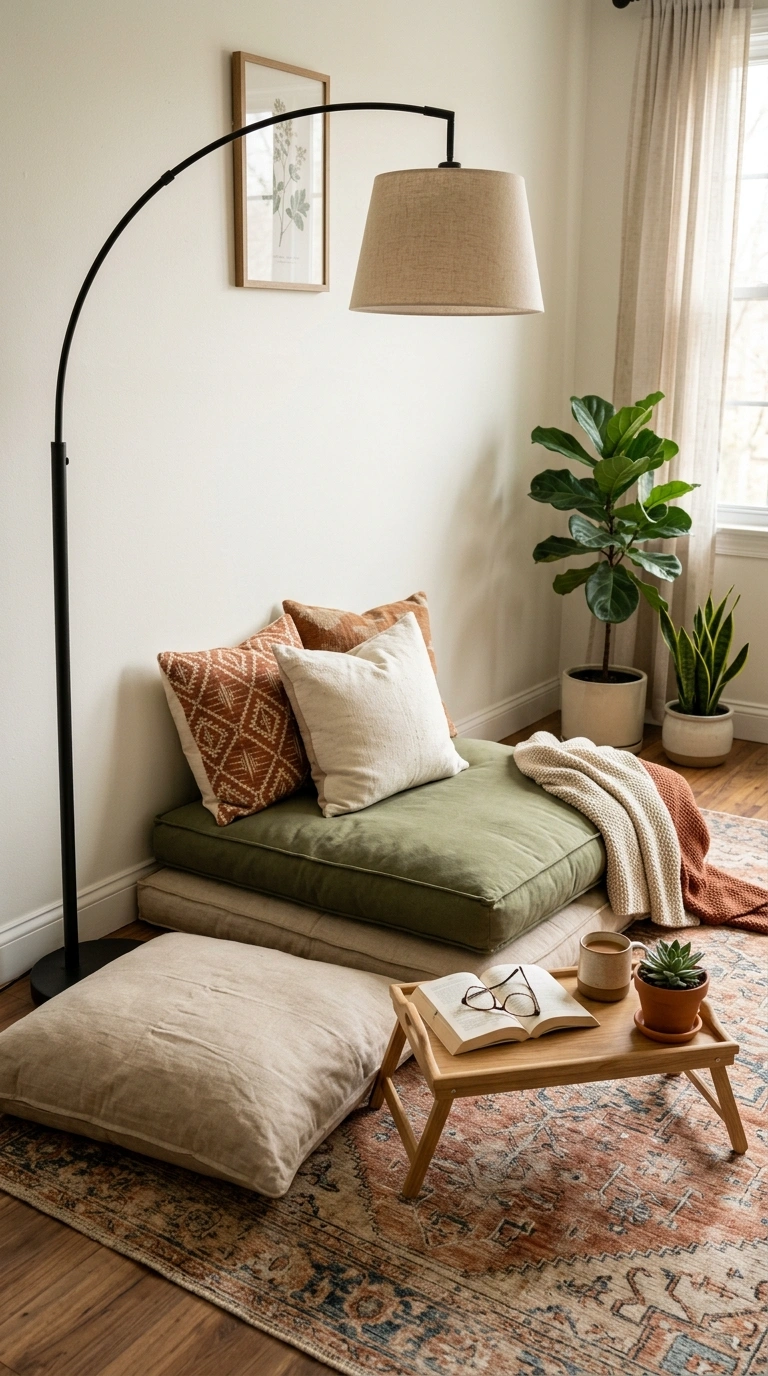
A large floor cushion or a stack of two thick floor cushions placed on a warm rug in a corner, with back pillows propped against the wall and a low side table or a tray beside them, creates a reading corner at floor level that costs almost nothing and takes up minimal space when not in use. The floor-level reading position suits readers who prefer sitting cross-legged or who want a casual, relaxed alternative to chair-height seating. Add a floor lamp that reaches down to the low reading level or a clip-on book light for focused illumination. The floor cushion setup is the most accessible and most affordable reading corner option and works in any room with floor space.
5. Bay Window Built-In Seat
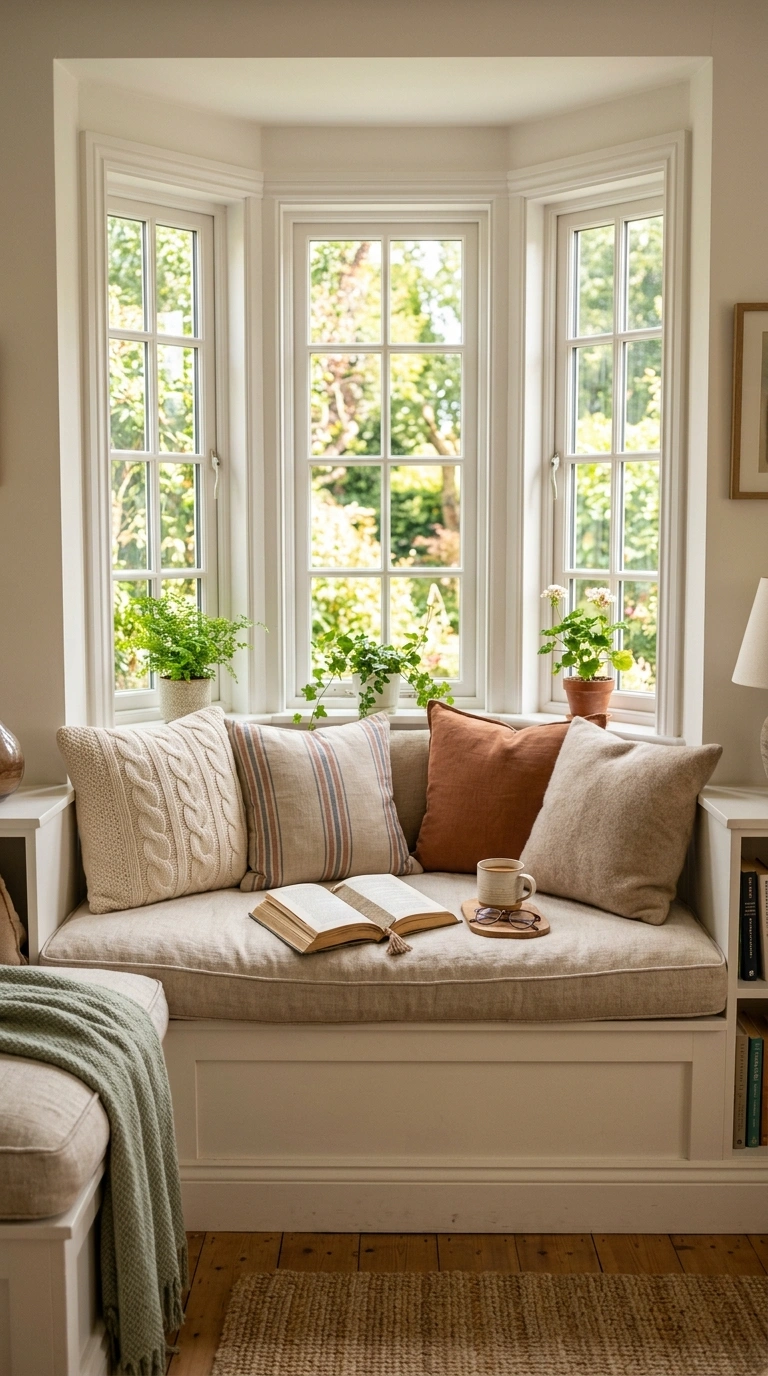
A bay window with a built-in bench and cushions creates the most architecturally integrated and the most naturally well-lit reading corner possible. The three-sided window provides light from multiple angles throughout the day, which reduces the need for supplemental reading lamps during daylight hours. Build a bench to fit the bay window width, add a thick cushion in a warm fabric, prop back pillows against the window frames, and add a small shelf nearby for books. The bay window reading corner is the most coveted reading spot in any home because the abundant natural light and the window enclosure create the ideal combination of brightness and privacy.
6. Under Staircase Reading Nook
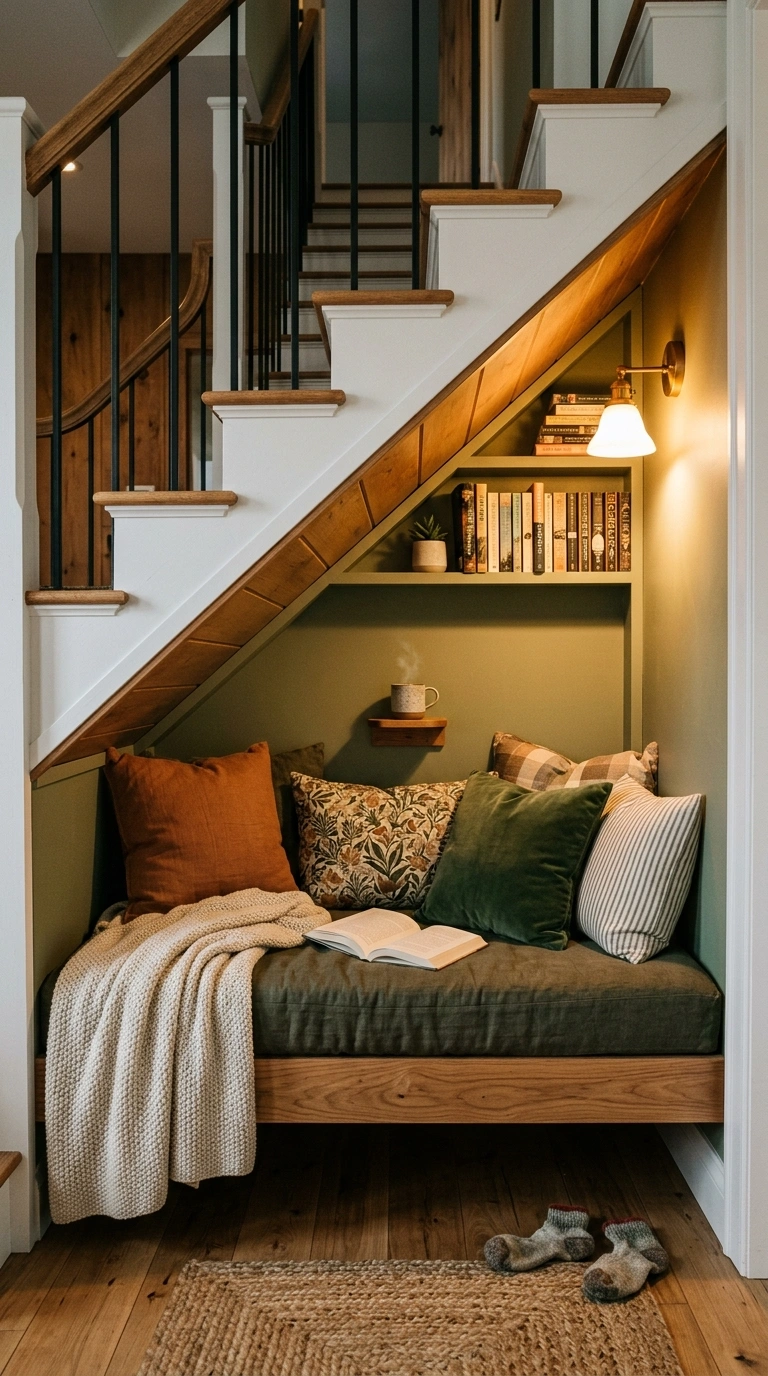
The triangular space under a staircase, which is often used as a closet or simply wasted, can be converted into a charming reading nook by adding a built-in bench or a small chair under the lower section of the stairs. The angled ceiling of the staircase creates an intimate, cave-like enclosure that makes the small nook feel protected and private. Add a cushion, a pillow or two, a small wall-mounted light, and a tiny shelf for books. The under-staircase reading nook is one of the most unexpected and most loved small-space reading solutions because the enclosed shape creates genuine coziness.
7. Home Office Reading Break
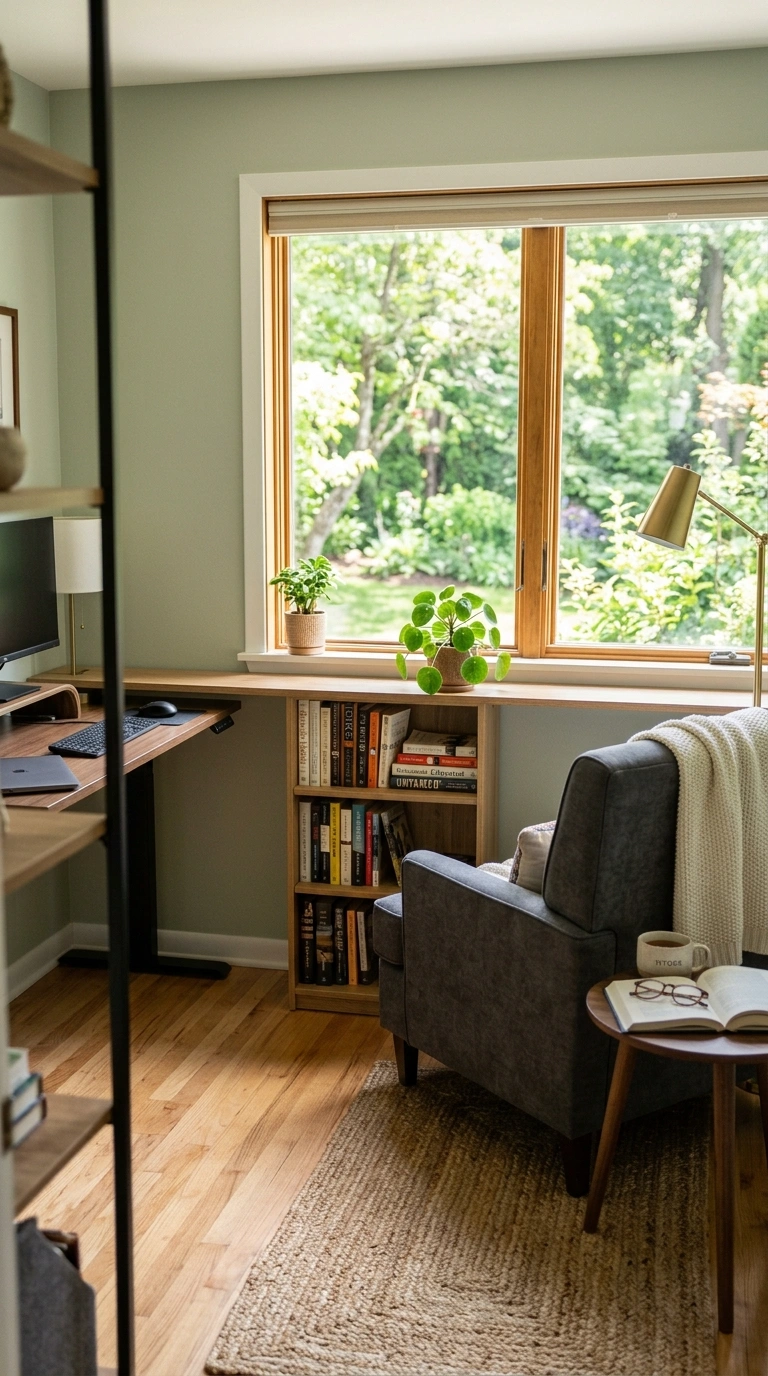
A comfortable chair in the corner of the home office, positioned away from the desk and the screen, provides a reading break spot during the workday that genuinely rests the eyes and the mind. The office reading chair serves a different purpose than a living room reading chair: it provides the brief escape from screen work that maintains focus and productivity throughout the day. The chair should face away from the desk so the reader is not looking at the work they are taking a break from. A small bookshelf nearby holding personal reading rather than work reference material completes the break zone.
8. Covered Porch Outdoor Reading
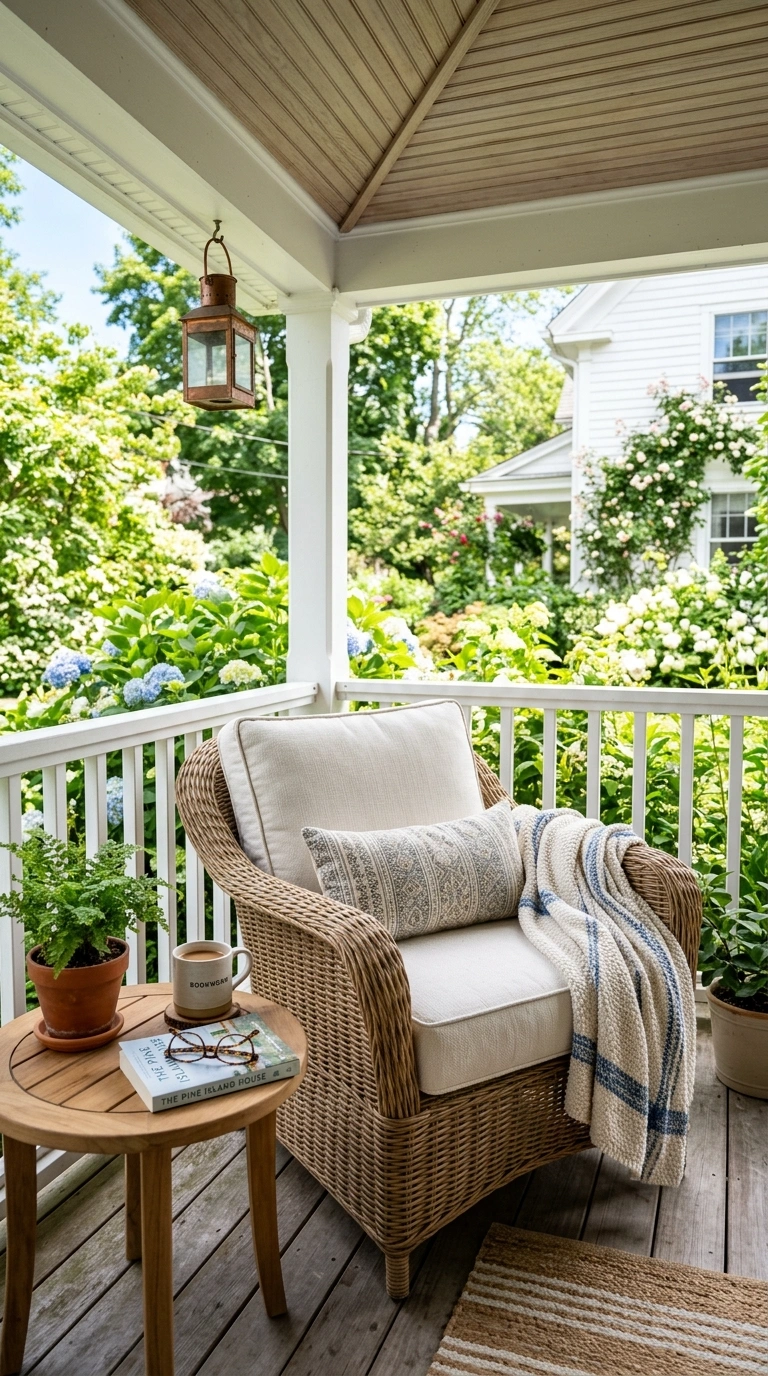
A weather-resistant chair on a covered porch, a screened porch, or a sheltered patio creates an outdoor reading spot that provides fresh air, natural light, and the calming sounds of the outdoors during reading. The outdoor reading chair should be genuinely comfortable for extended sitting rather than the standard stiff patio chair that most outdoor furniture provides. An upholstered outdoor chair, a deep-seated wicker chair with thick cushions, or a hanging porch swing all work for outdoor reading. Add a small weather-resistant side table and a throw blanket for cooler evenings.
9. Closet Reading Conversion
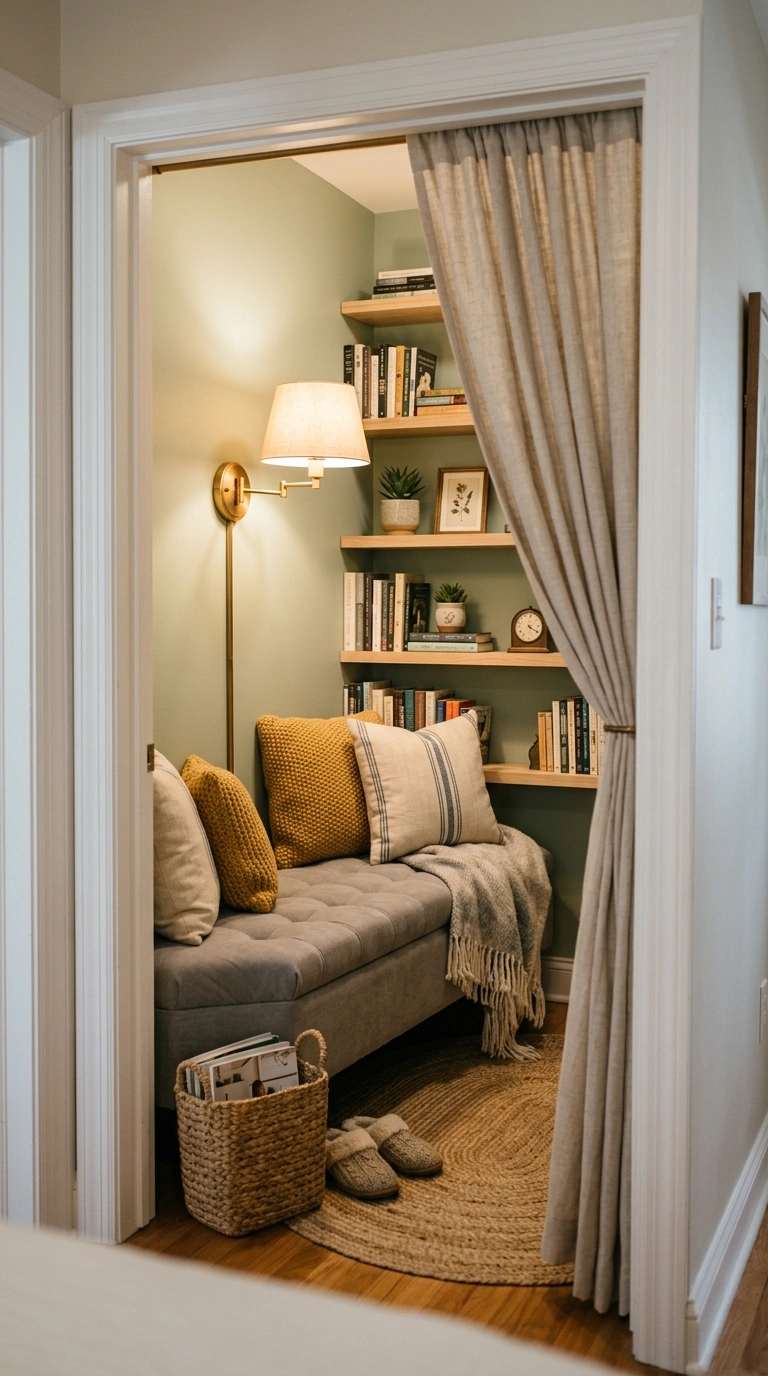
A walk-in closet or a deep reach-in closet that is not fully utilized for clothing storage can be converted into an enclosed reading nook by removing some or all of the clothing, adding a cushioned bench or a small chair, installing a light, and treating the space as a tiny private reading room. The closet reading nook has the most enclosed and the most private quality of any reading corner because the existing walls provide complete separation from the surrounding room. Add a small shelf for books and a soft curtain at the opening instead of the closet door for the most inviting result.
10. Corner Bookshelf Integration
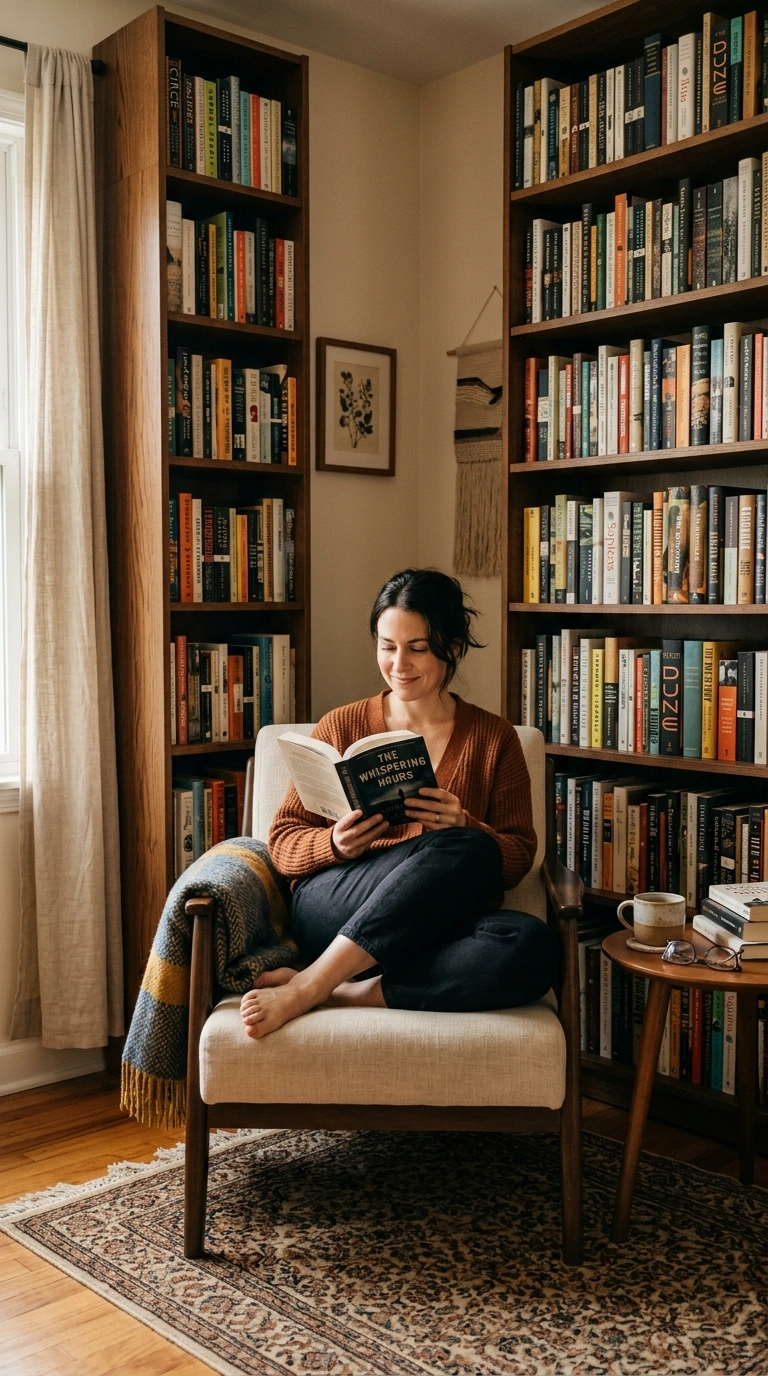
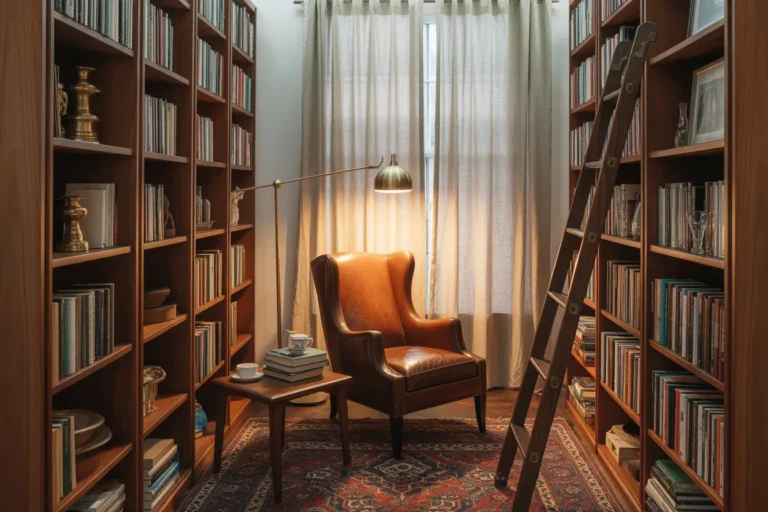
Positioning the reading chair beside or between bookshelves creates a reading corner that is surrounded by the books themselves, which is both practical for choosing the next book and atmospherically ideal because the visible books create a library quality around the reading spot. An armchair flanked by two narrow bookshelves or positioned in front of a full bookshelf wall creates the feeling of sitting in a small personal library. The books are within arm’s reach for browsing and the varied colors of the spines create a warm visual backdrop that photographs and blank walls cannot match.
11. Canopy Draped Privacy
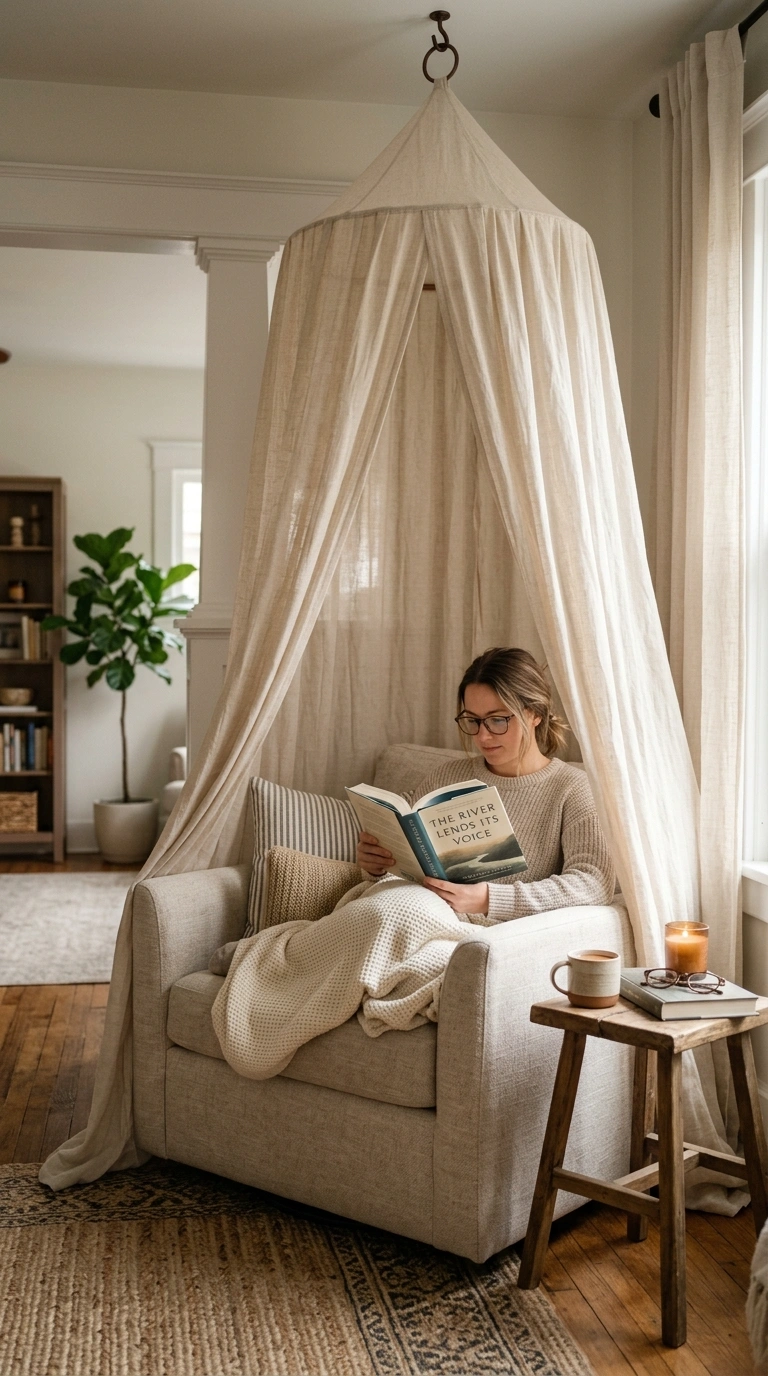
A sheer fabric canopy draped from the ceiling above the reading chair creates a soft visual enclosure that separates the reading corner from the surrounding room without blocking light or requiring structural changes. A simple sheer linen or muslin panel hung from a ceiling hook or a tension wire above the chair and draped to the sides creates a tent-like quality that makes the reading spot feel private and slightly magical. The canopy works particularly well in bedrooms and in shared living spaces where the reader wants visual privacy without closing a door.
12. Layered Warm Lighting
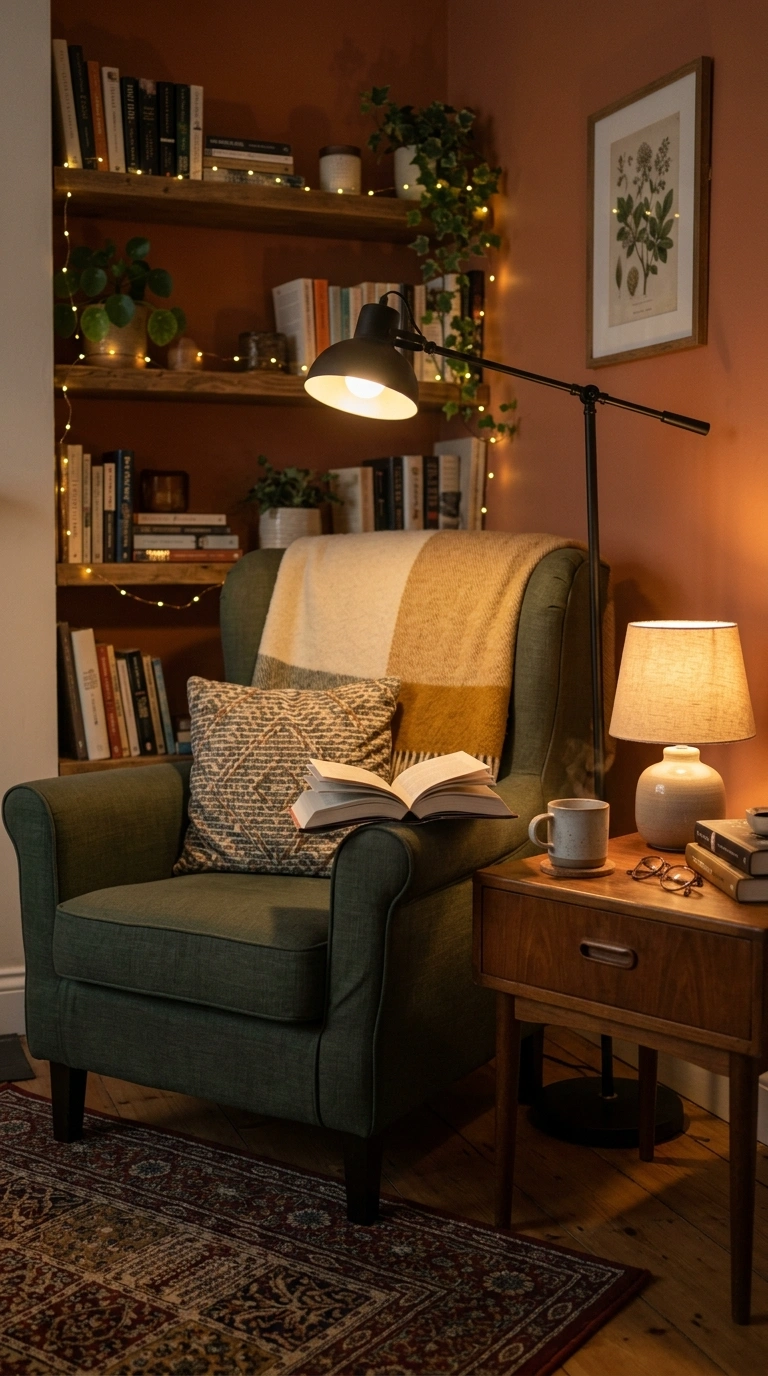
The best reading corners use layered lighting: a focused reading lamp for the pages, a small ambient light on the side table for general warmth, and perhaps a string of fairy lights along a nearby shelf for atmospheric sparkle. The layered lighting creates the warm, dimensional quality that a single overhead light cannot achieve and makes the reading corner feel like a distinct warm zone within the larger room. Use warm-toned bulbs throughout, in the 2700K to 3000K range, for the most flattering and restful quality. The same layered lighting approach creates inviting atmosphere in cozy living rooms where multiple light sources at different heights transform the room from flat to dimensional.
13. Small Rug Zone Definition
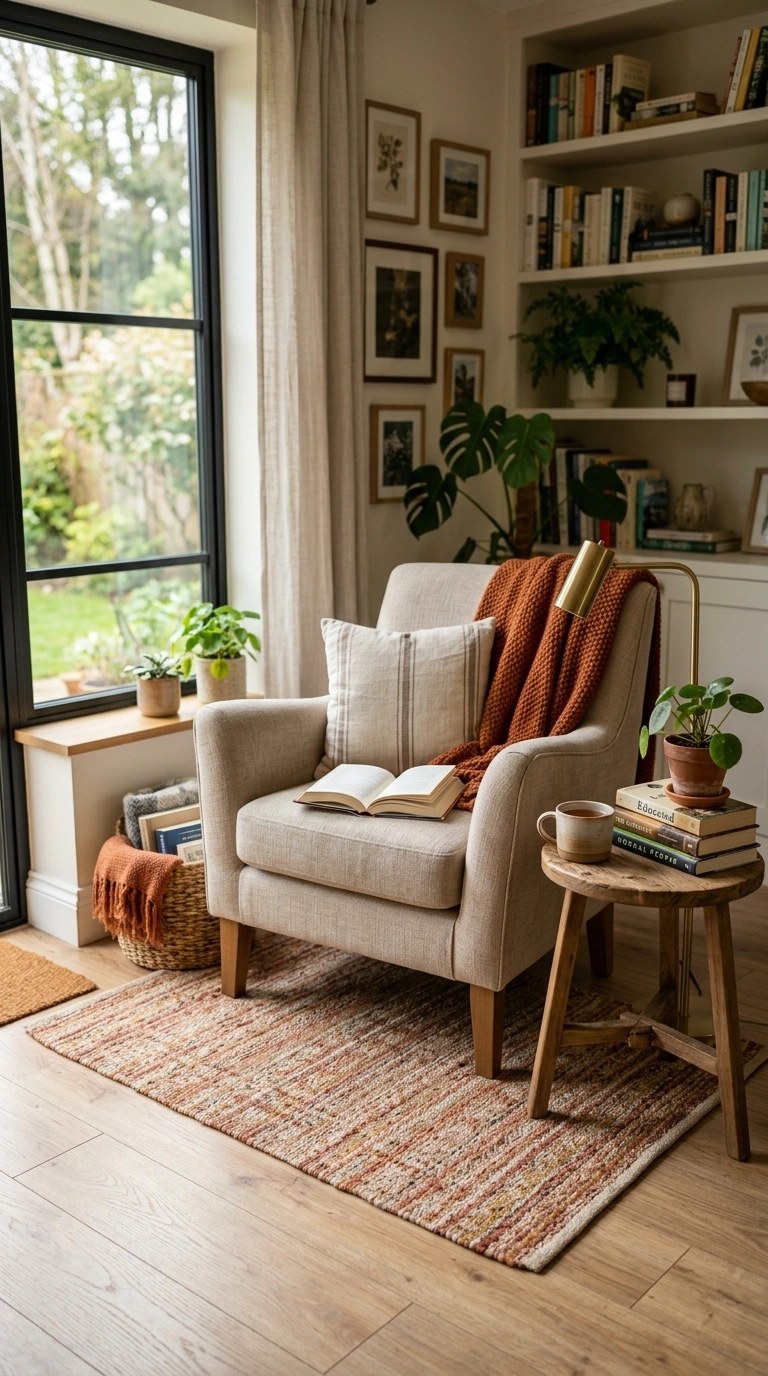
A small area rug placed under the reading chair and the side table defines the reading corner as a distinct zone on the floor, which creates a visual boundary that separates the reading spot from the rest of the room. The rug should be warm, soft underfoot, and sized to fit under the chair with a small border extending beyond the chair legs on all sides. A warm wool rug, a natural jute round, or a small vintage rug all work depending on the room’s aesthetic. The rug adds physical warmth underfoot and the visual boundary that signals this is a specific place rather than a random chair location.
14. Art Above the Chair
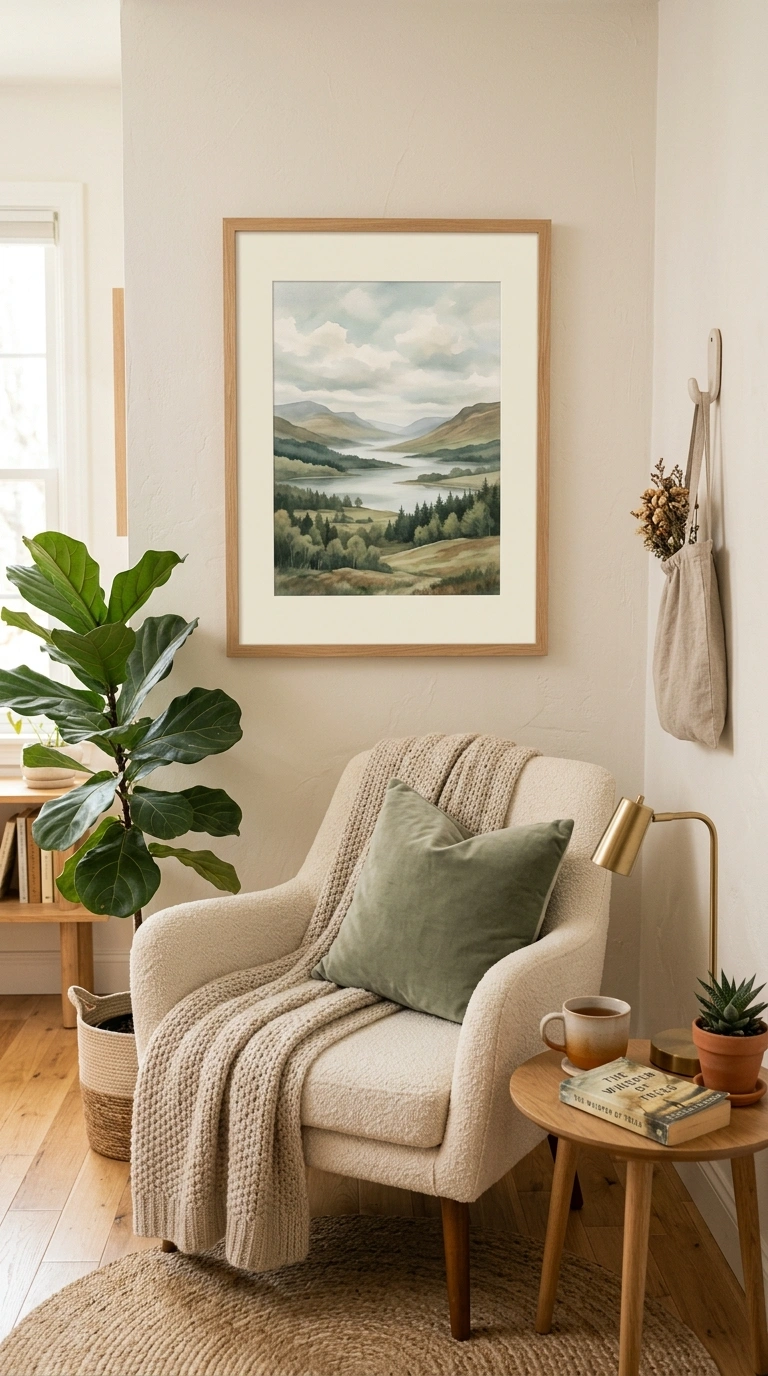
A piece of art hung on the wall directly above the reading chair gives the reading corner its own visual identity and signals that the corner is a designed destination rather than an improvised seating arrangement. Choose art that feels calm and personal rather than busy or stimulating, since the art is viewed during the natural pauses between reading sessions. A simple landscape, a botanical print, a calm abstract, or a personal photograph in a warm frame all suit the reading corner wall. Position the art at a height where it is visible from the seated position.
15. Book Stack Side Table Alternative
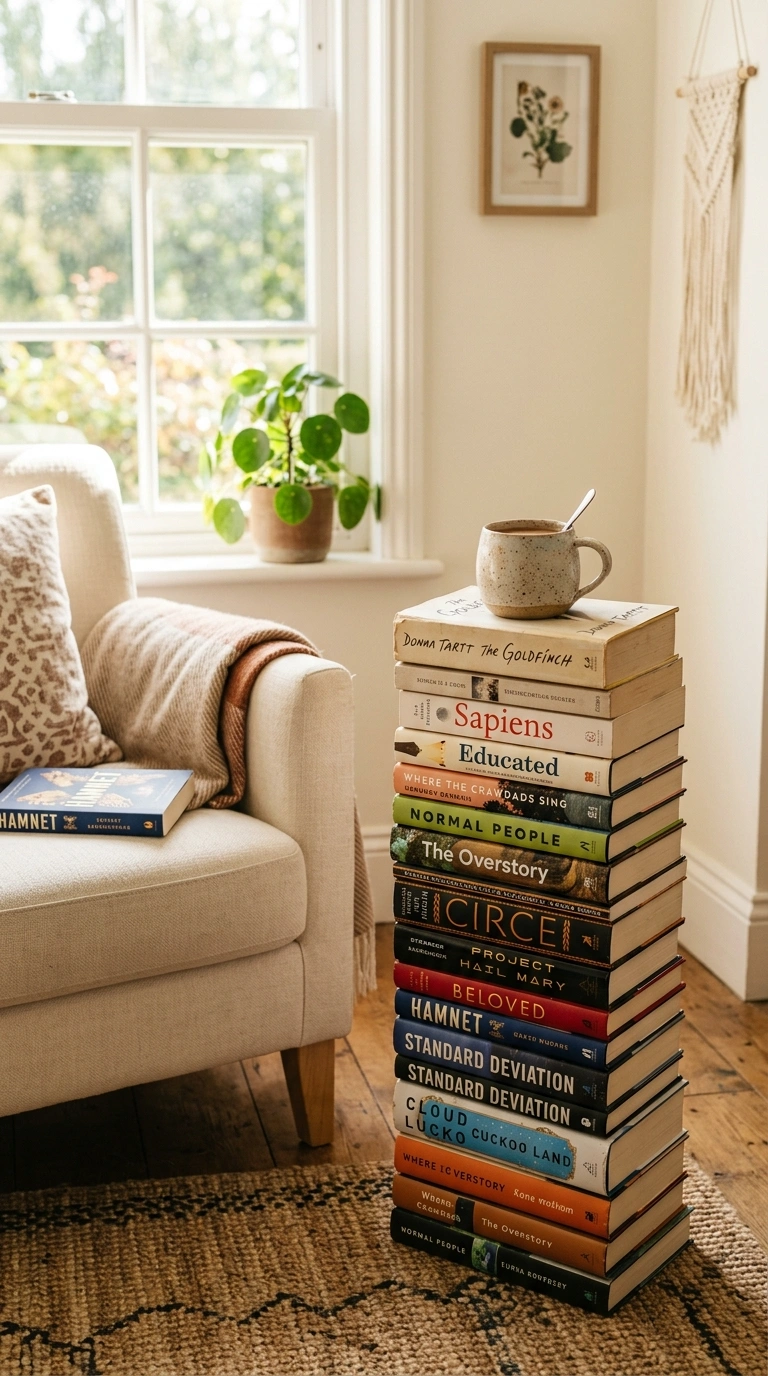
A tall stack of hardcover books can serve as a small side table beside the reading chair, holding a mug, a candle, or a lamp on the top book. The book stack table is the most on-theme side table possible for a reading corner and costs nothing if the books are already owned. Stack the books with the spines facing outward for the most visually interesting column, and choose a flat hardcover for the top surface. The book stack table works as both furniture and as a display of the reader’s taste and interests.
16. Personal Touch Display
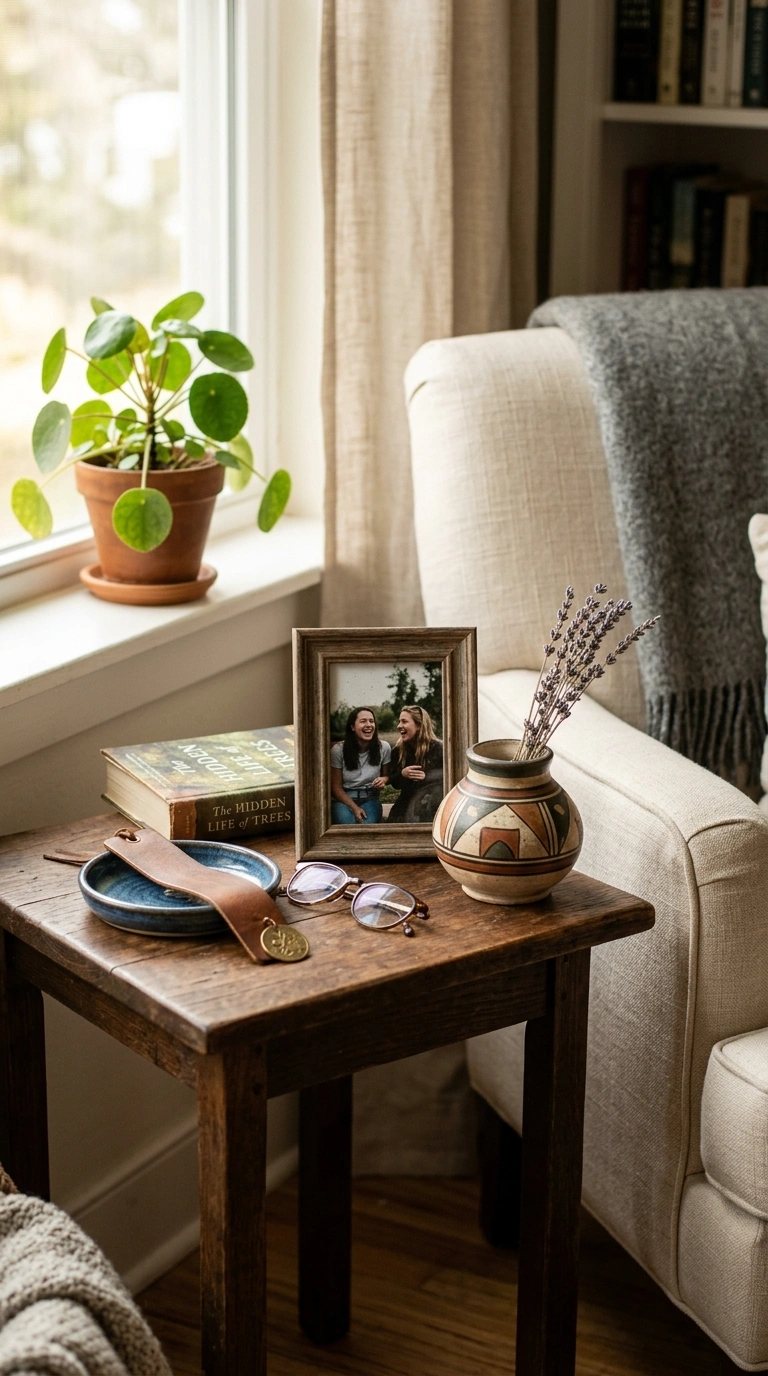
A few personal objects on the side table or on a small shelf near the reading chair, a framed photograph, a small ceramic from a meaningful trip, a inherited object, a favorite bookmark collection in a small dish, give the reading corner a personal quality that makes it feel like the reader’s specific spot rather than a generic seating arrangement. The personal touches are what transform a comfortable chair in a corner into a retreat that belongs to a specific person and that reflects their particular reading life.
17. Seasonal Reading Refresh
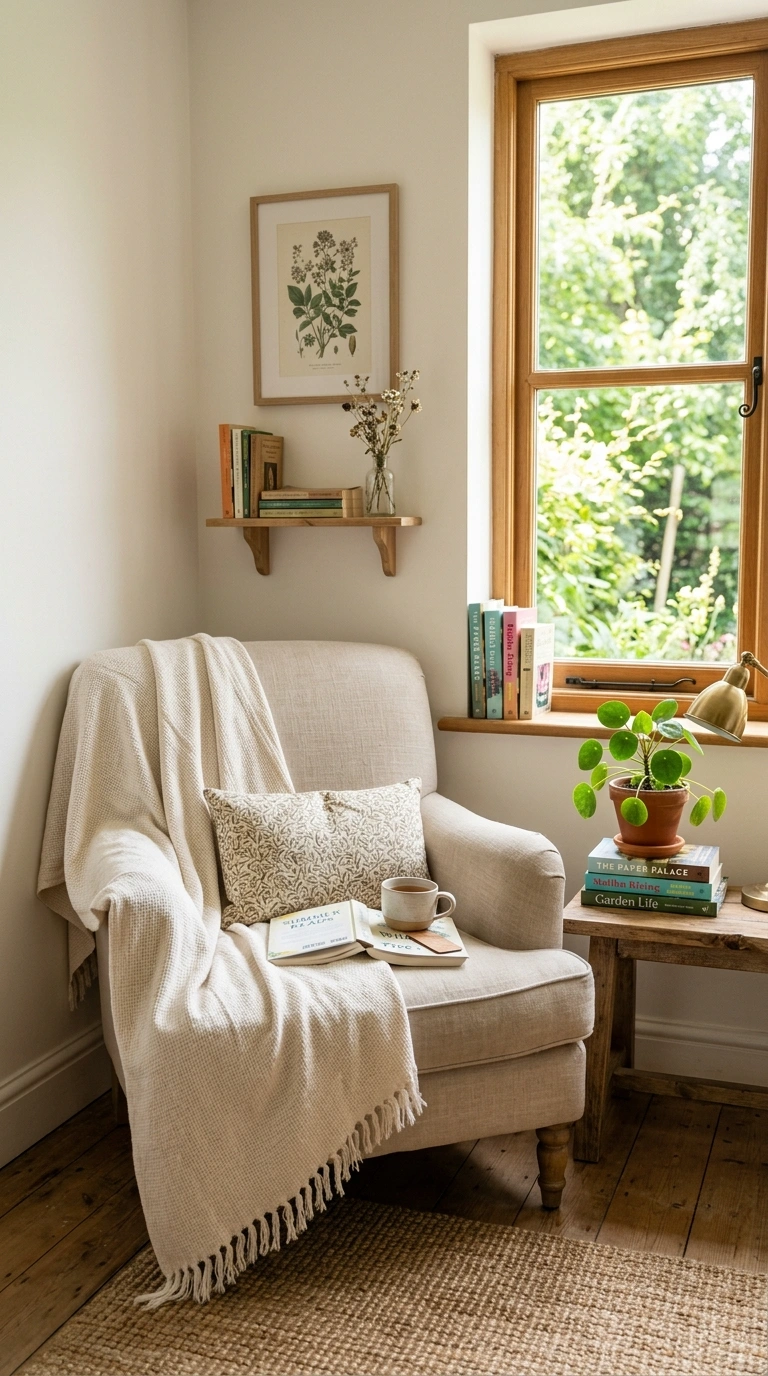
Refreshing the reading corner seasonally with a lighter blanket for summer and a heavier one for winter, a seasonal plant on the side table, and perhaps a rotation of the reading light from a warm lamp to natural window light as the daylight hours change keeps the reading corner feeling alive and responsive to the time of year. The seasonal refresh also provides an opportunity to clean the chair, reorganize the book stack, and reset the corner so it feels genuinely inviting rather than gradually stale.
18. Phone-Free Zone Signal
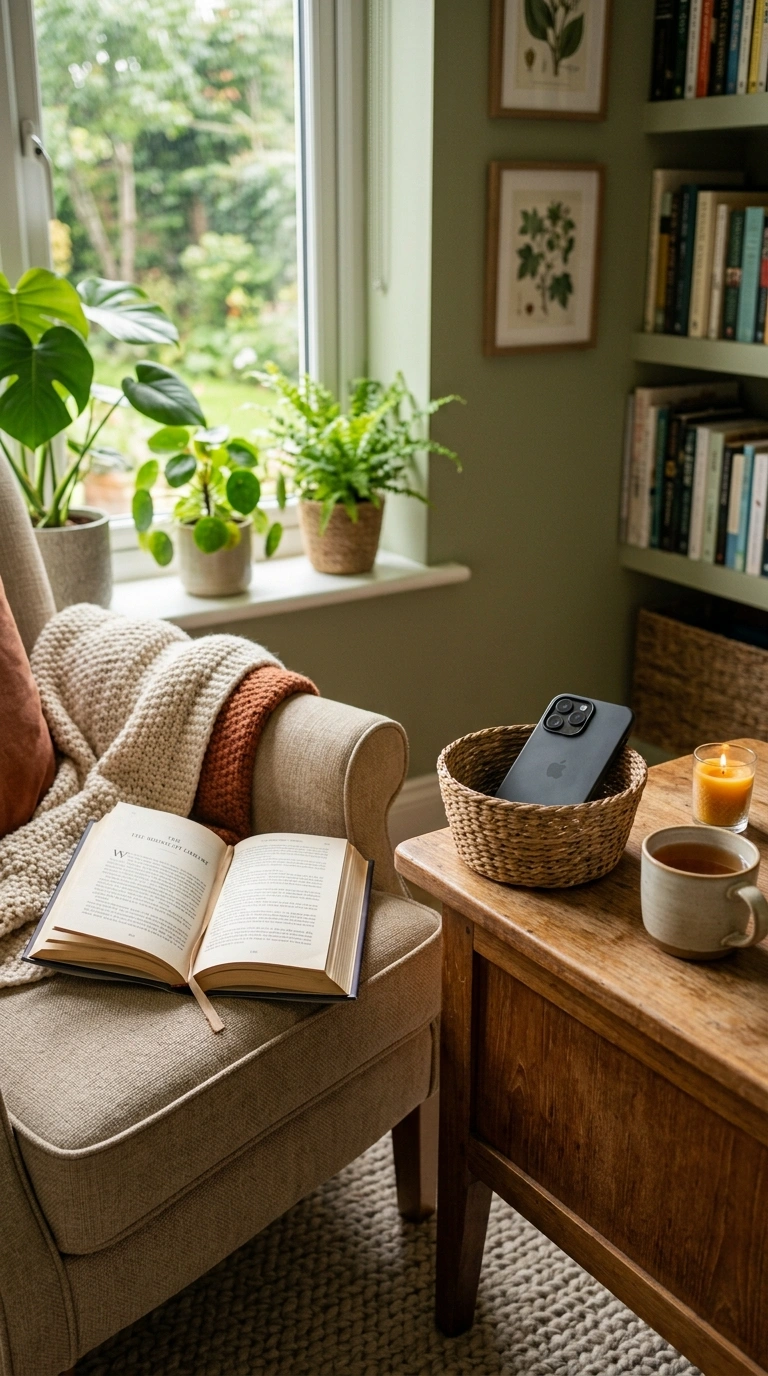
The reading corner should be a phone-free zone, and a small visual signal of this intention, a small basket or a drawer on the side table where the phone is placed face-down before reading begins, reinforces the habit of separating reading time from screen time. The phone-free ritual is the most important behavioral component of a successful reading corner because the phone is the primary competition for the reader’s attention. The reading corner that genuinely works is the one where the phone goes away before the book comes out.
19. Partner or Paired Setup
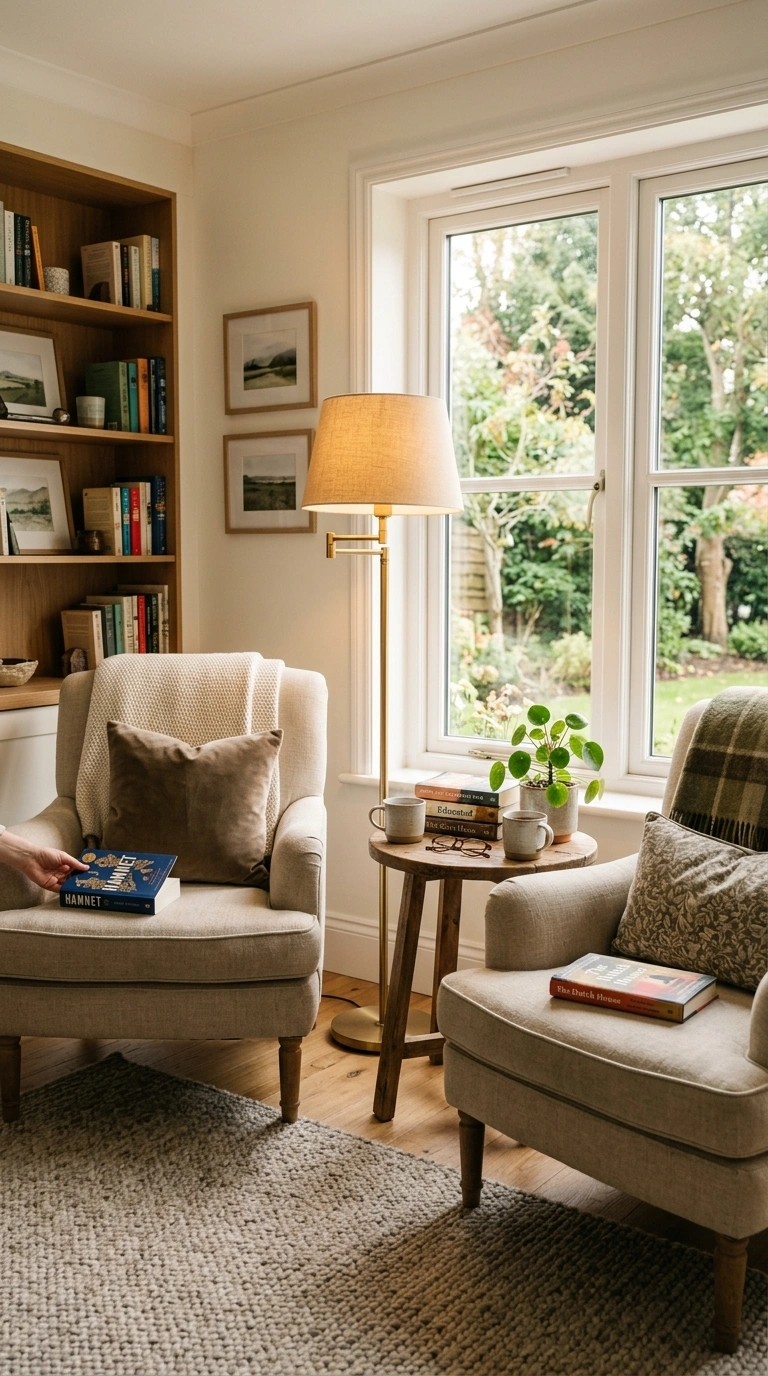
For households with two readers, a paired reading corner with two chairs, a shared floor lamp between them, and a shared side table creates a reading spot that supports companionable silent reading together. The two chairs should be angled slightly toward each other but not directly facing, which allows shared awareness without conversational pressure. A small loveseat also works for two readers who prefer sitting close together. The paired reading setup is one of the most intimate and one of the most valued shared activities in many households.
20. Start With What You Have
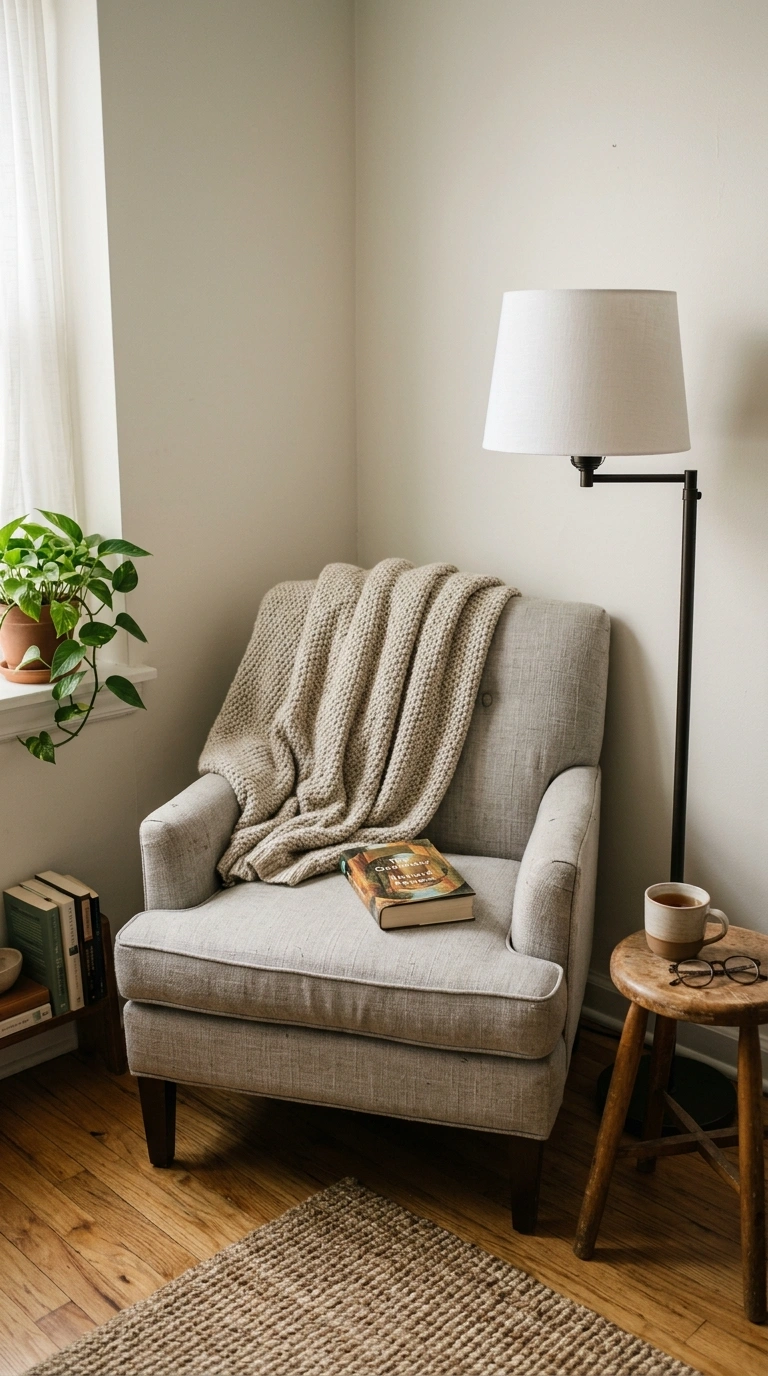
The most common obstacle to creating a reading corner is not lack of space or budget. It is waiting for the perfect chair. The reading corner that exists today with a chair you already own, a lamp you already have, and a blanket pulled from the closet is more valuable than the perfect reading corner you plan to create eventually. Pull the most comfortable chair you own into the quietest corner of your home. Put a lamp beside it. Put a blanket on it. Sit down. Read. Upgrade the chair and the accessories over time, but start the reading habit now with whatever you have. For inspiration on turning the simplest chair setup into a full accent piece, the accent chair ideas guide covers chairs that are both beautiful and genuinely comfortable for long reading sessions.
A reading corner that turns an empty spot into a book retreat requires only four things: a comfortable chair, a good light, a surface for a drink, and enough separation from the rest of the room to feel like a destination. Those four elements fit into almost any corner of almost any room. Start with whatever you have, position the elements with intention, and the empty corner becomes a place you want to be every evening.