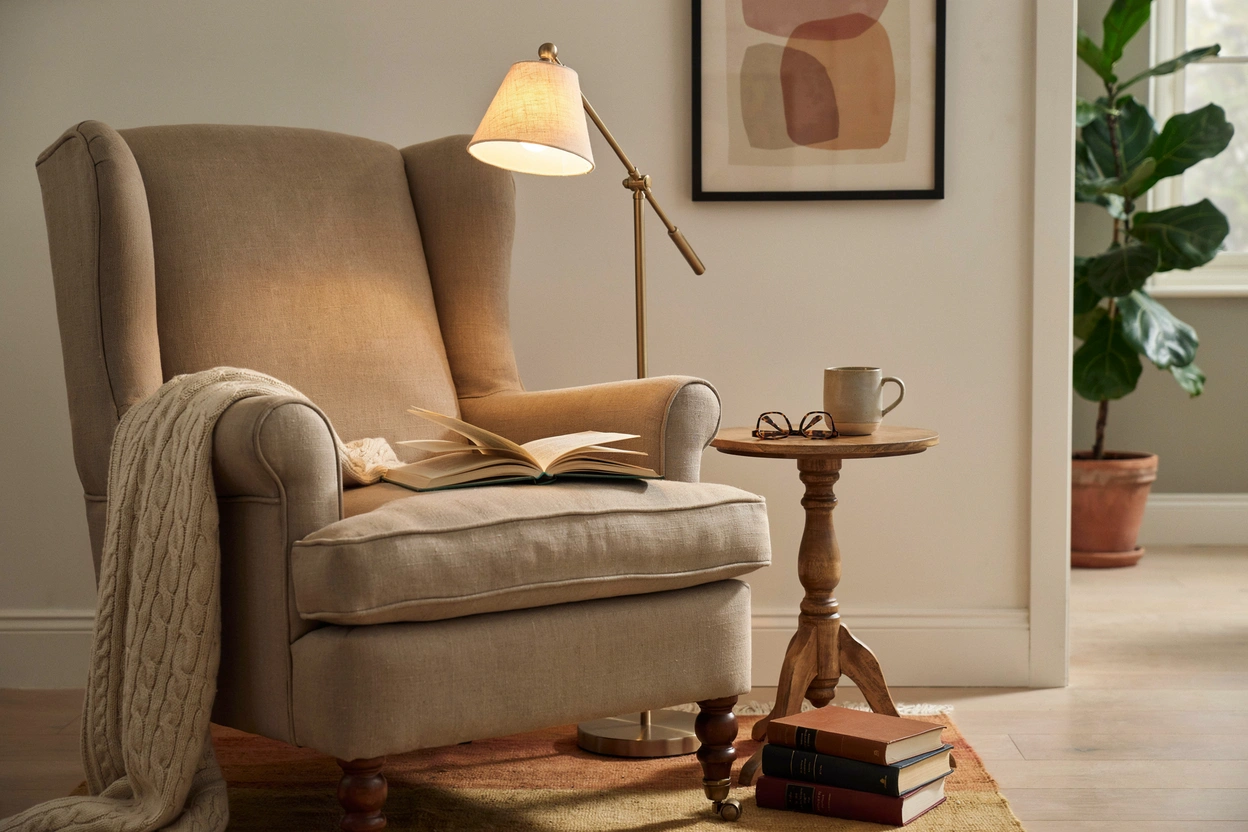
22 Cozy Reading Chair Ideas That Make You Actually Want to Sit and Stay
A reading chair has one job: to be comfortable enough that you forget you are sitting in it. Most chairs fail this test because they were chosen for how they look rather than for how they feel during the second hour of reading. A chair that is beautiful but too shallow, too firm, too upright, or too soft becomes a chair you avoid after the first few sessions. The reading chairs that genuinely work are the ones where the seat depth is right for curling sideways, the back angle supports the head and neck during sustained reading, the arms are at the right height for resting a book, and the upholstery feels warm and soft against the skin rather than scratchy or cold. These 22 ideas cover the specific chair types, the measurements that matter, and the upholstery choices that produce a reading chair you will actually use night after night.
1. Wingback Chair Classic Choice
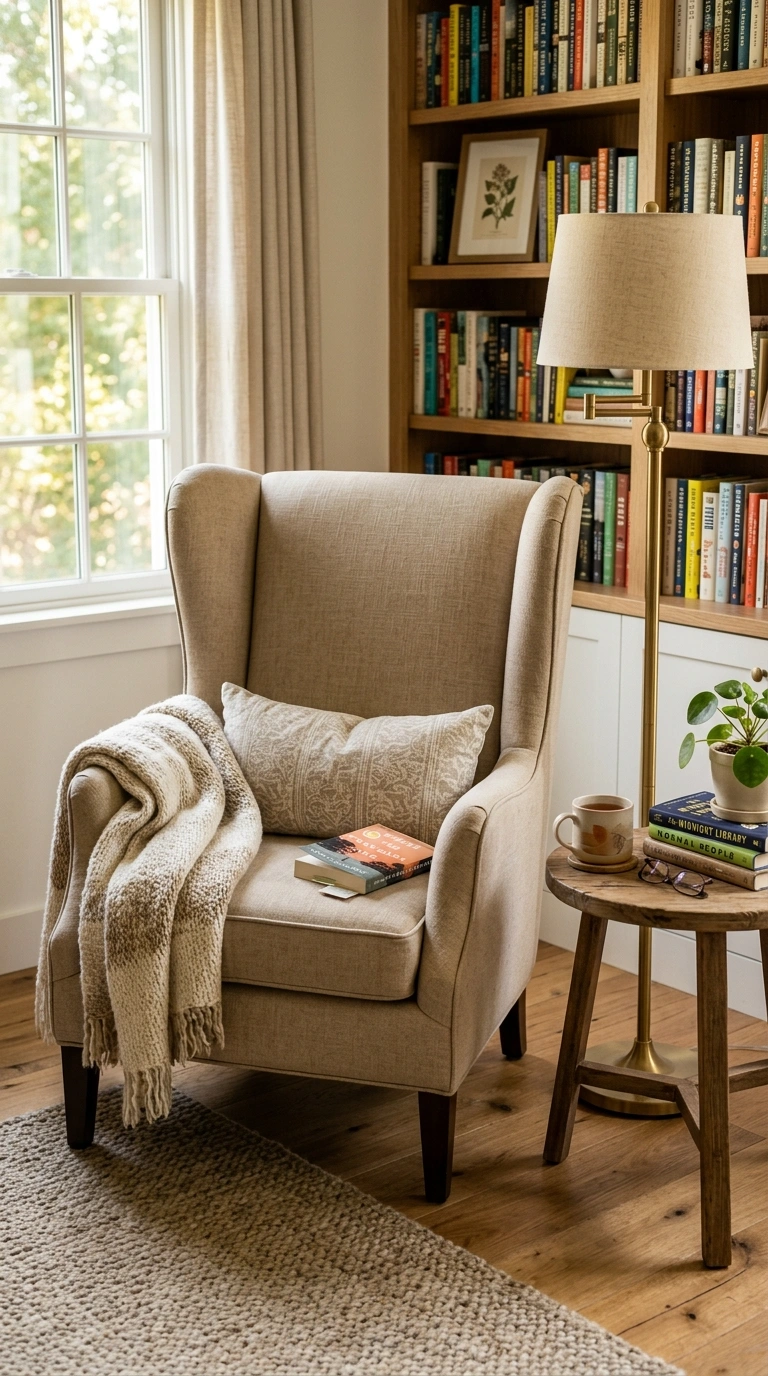
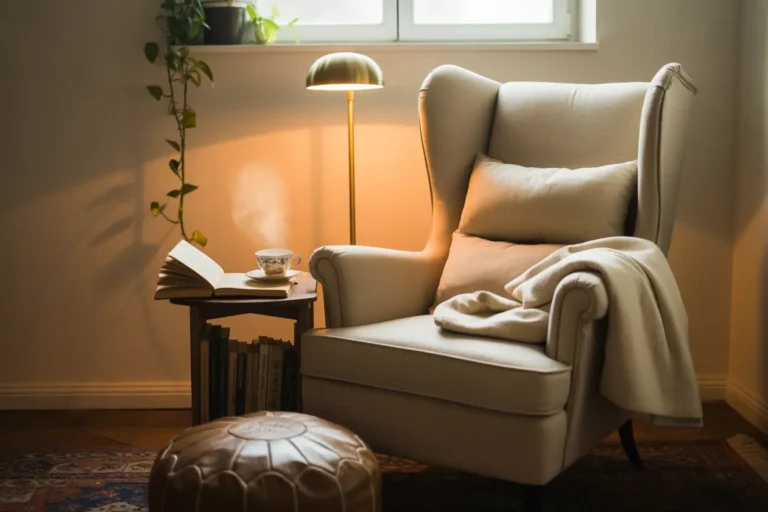
The wingback chair has been the classic reading chair for centuries because the high back supports the head during reading, the wings block peripheral visual distractions and drafts, and the deep seat allows the reader to settle into a slightly reclined position. A wingback chair with a seat depth of at least twenty-one inches, a back height of at least forty inches, and gently padded arms provides the proportions that sustained reading requires. Choose a wingback in a warm upholstery, oatmeal linen, soft velvet, warm boucle, or cognac leather, and position it beside a floor lamp and a small side table for the complete reading station.
2. Oversized Club Chair
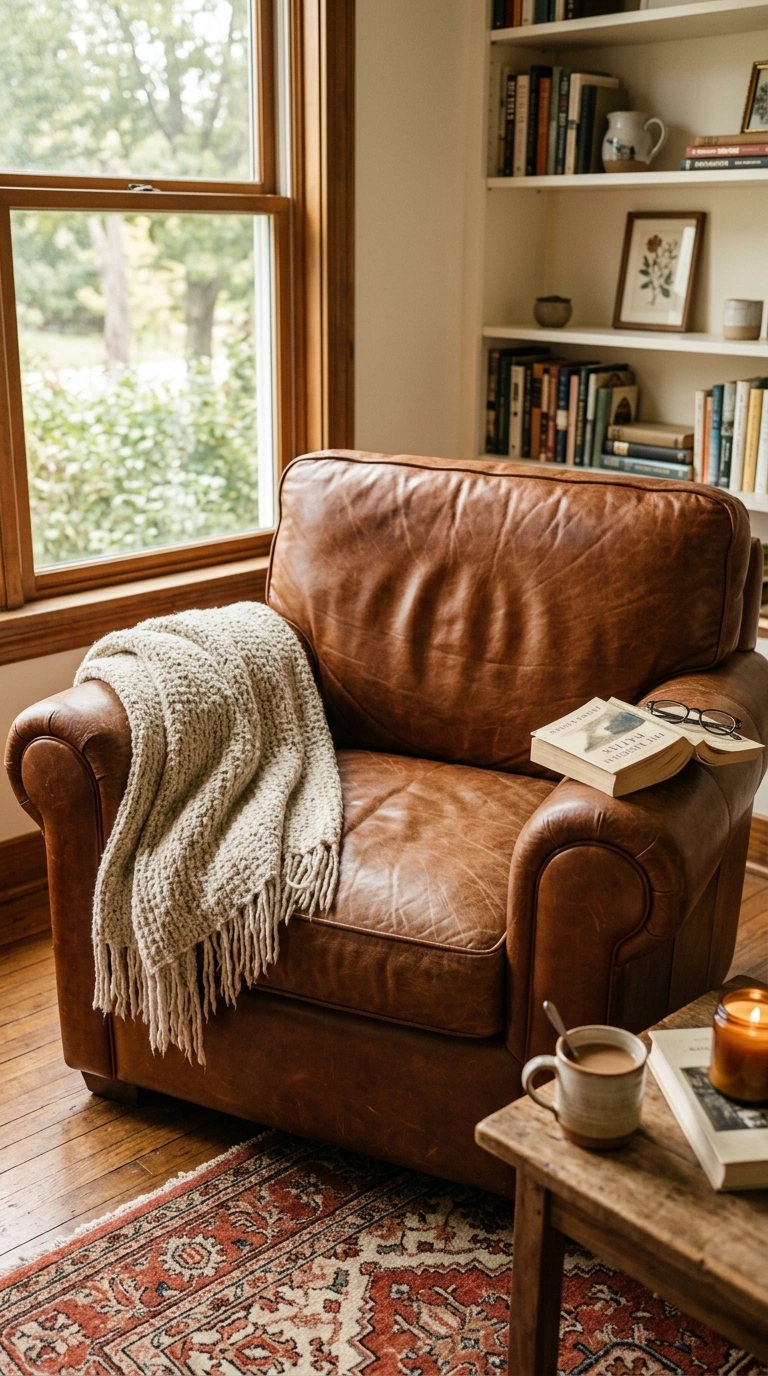
An oversized club chair with wide arms, a deep generous seat, and a low comfortable back creates the kind of enveloping seating that makes the reader feel held by the chair rather than perched on it. The oversized proportions allow the reader to shift positions throughout a long session, curling sideways with legs over one arm, sitting cross-legged in the center, or stretching out with feet on an ottoman. A club chair with a seat width of at least twenty-four inches and a seat depth of at least twenty-two inches provides the room for these position changes. The wide arms double as surfaces for resting a book, a mug, or an elbow.
3. Papasan Round Nest
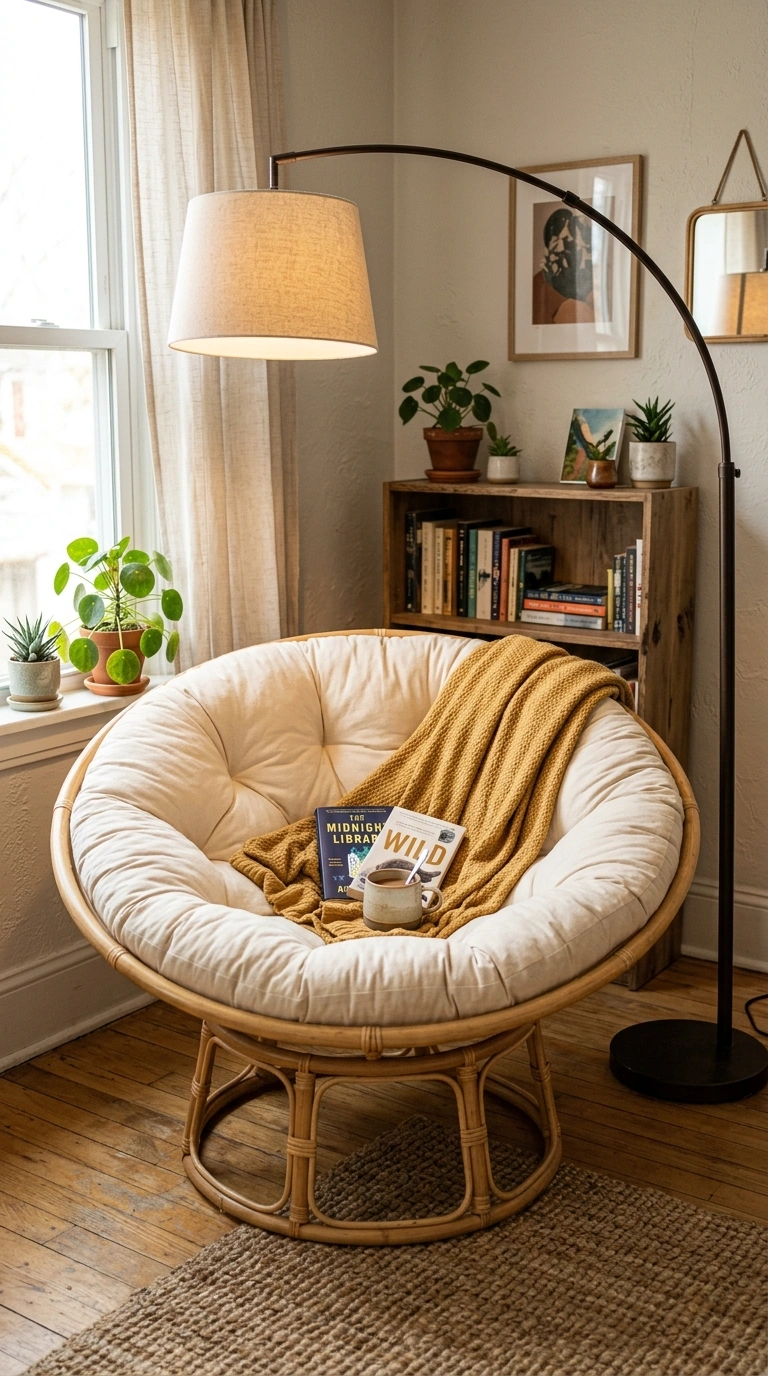
A papasan chair with its round cushioned bowl shape creates the most cocoon-like reading experience available because the curved shape wraps around the reader from every direction. The round seat holds the body in a gently reclined, slightly curled position that is ideal for extended reading sessions. A papasan with a high-quality thick cushion in a warm fabric transforms from a basic rattan frame into a genuine reading nest. Position the papasan in a corner with a floor lamp arcing over the edge for reading light. The papasan is one of the most genuinely comfortable reading chairs for people who prefer to read in a curled rather than upright position.
4. Chaise Lounge Reading Bed
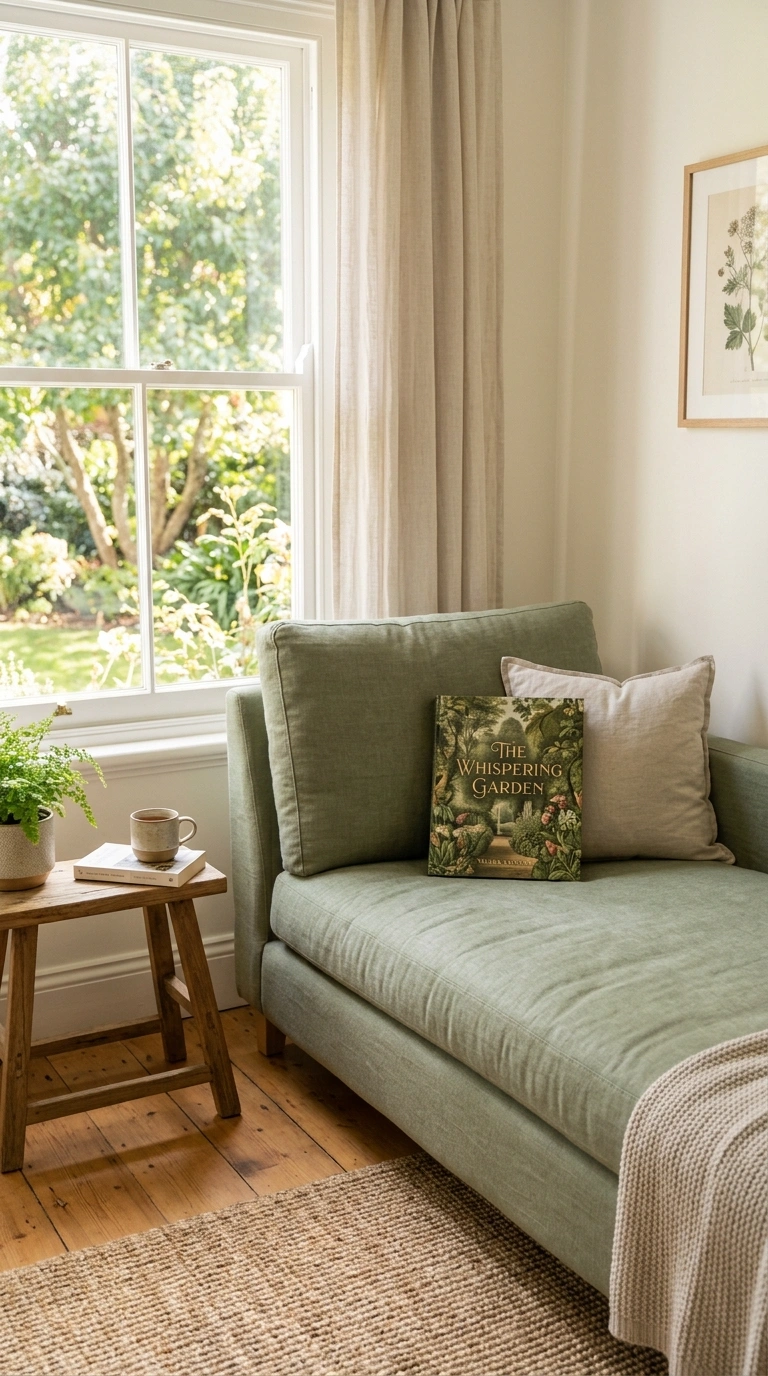
A chaise lounge, essentially a chair with a seat long enough to support the full length of the legs, provides a reading position that is halfway between sitting and lying down. The reclined position reduces pressure on the lower back and allows the reader to hold a book at a natural angle without raising the arms. A chaise lounge in a warm upholstery positioned beside a window with good natural light creates one of the most luxurious reading spots available in any home. The chaise works best in rooms with enough floor space to accommodate its length, which typically ranges from sixty to seventy inches.
5. Swivel Chair Versatility
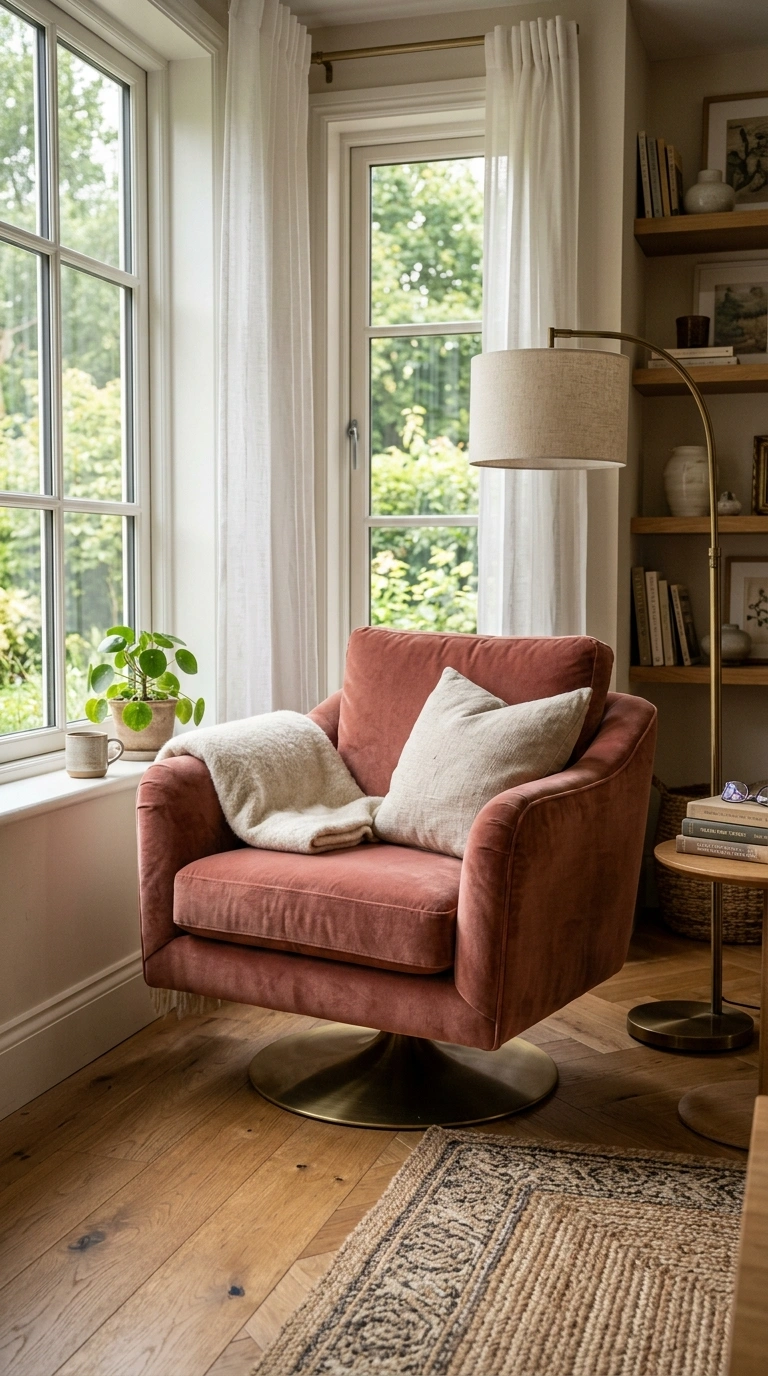
A swivel chair that rotates on its base allows the reader to turn toward the best light source at different times of day, face a conversation when someone enters the room, or simply shift orientation during a long reading session without getting up. The swivel function adds a practical versatility that fixed chairs lack. Choose a swivel chair with a substantial seat, proper back support, and warm upholstery rather than a small desk-style swivel that lacks the comfort reading demands. A swivel club chair in warm velvet or linen with a deep seat and padded arms provides both the comfort and the rotation. The same quality of genuinely comfortable dedicated seating also transforms a home office, as covered in cozy home office designs where the chair quality determines whether the room is used with pleasure or with reluctance.
6. Rocking Chair Gentle Motion
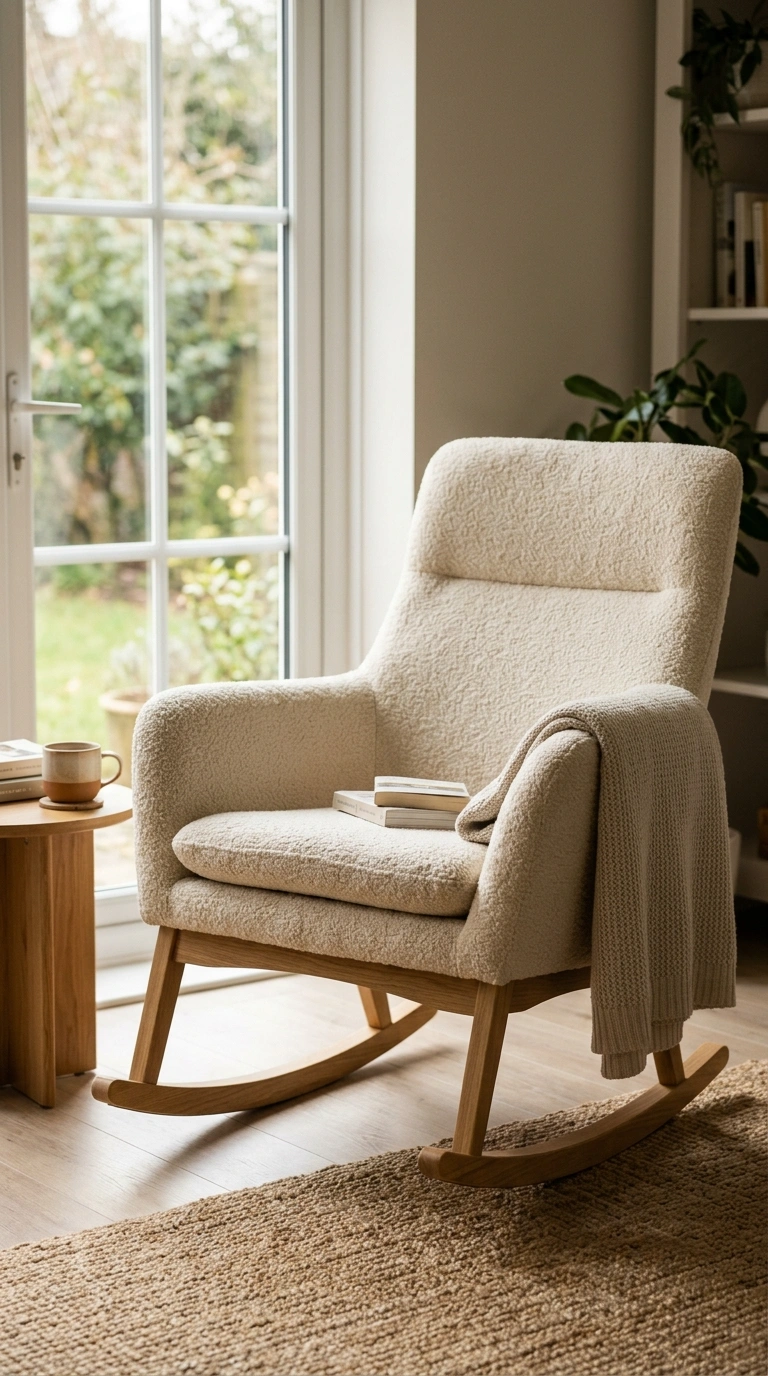
A rocking chair provides a gentle back-and-forth motion during reading that many people find calming and focus-enhancing. The rhythmic movement creates a meditative quality that still chairs cannot provide and helps the reader settle into the sustained attention that long reading requires. A modern upholstered rocking chair with proper back support and padded arms combines the traditional soothing motion with the comfort that simple wooden rockers lack. Position the rocker beside a window or a floor lamp and add a small throw blanket over the arm for a complete reading station. The rocker also works beautifully as a nursery chair that transitions to a reading chair once the nursery phase ends.
7. Window Seat Reading Spot
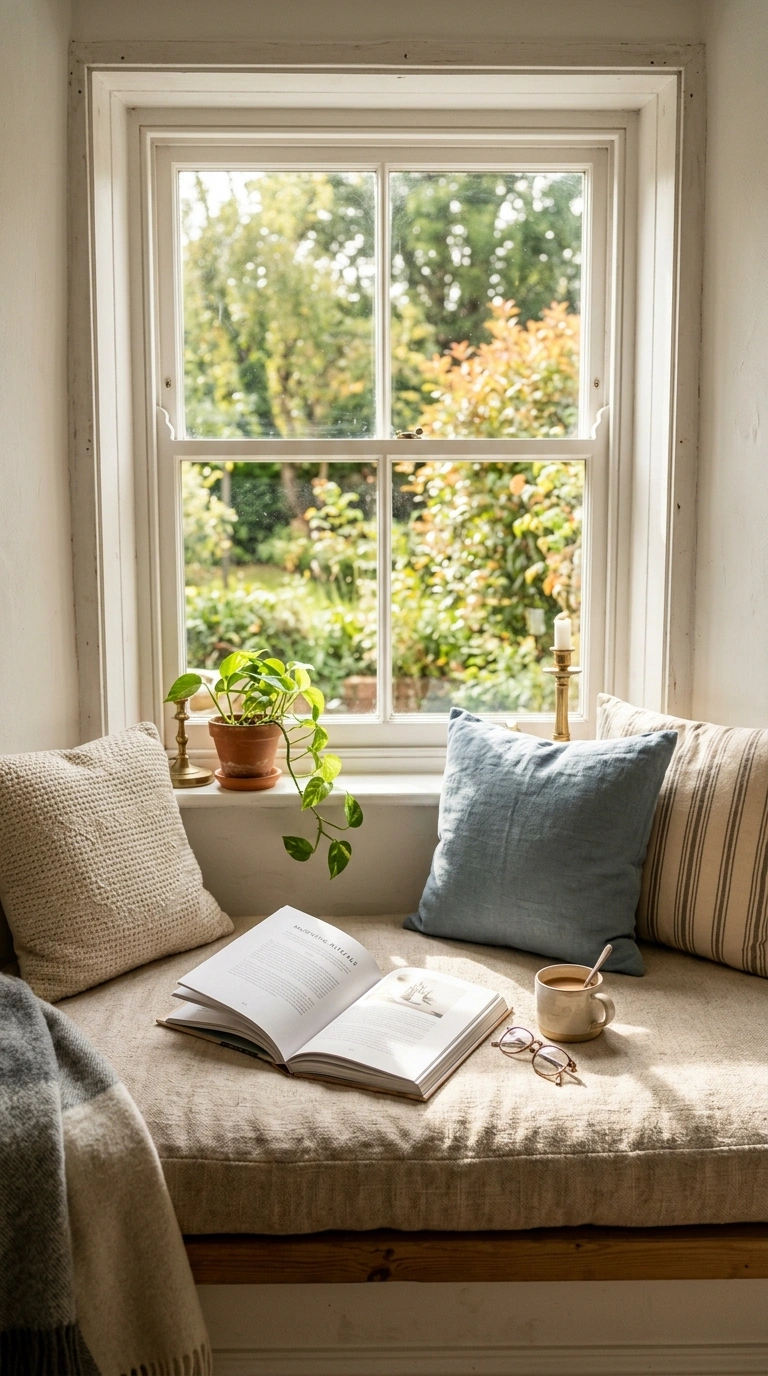
A built-in window seat with a thick cushion, back pillows propped against the window frame, and natural daylight streaming across the pages creates the most romanticized and one of the most genuinely effective reading positions available. The window seat keeps the reader beside the strongest natural light in the room, which reduces eye strain during daytime reading. A window seat cushion of at least three inches of high-density foam with a washable cover in a warm fabric provides genuine sitting comfort. Add two or three back pillows for support and a small throw blanket folded at one end for warmth.
8. Egg Chair Enclosed Feel
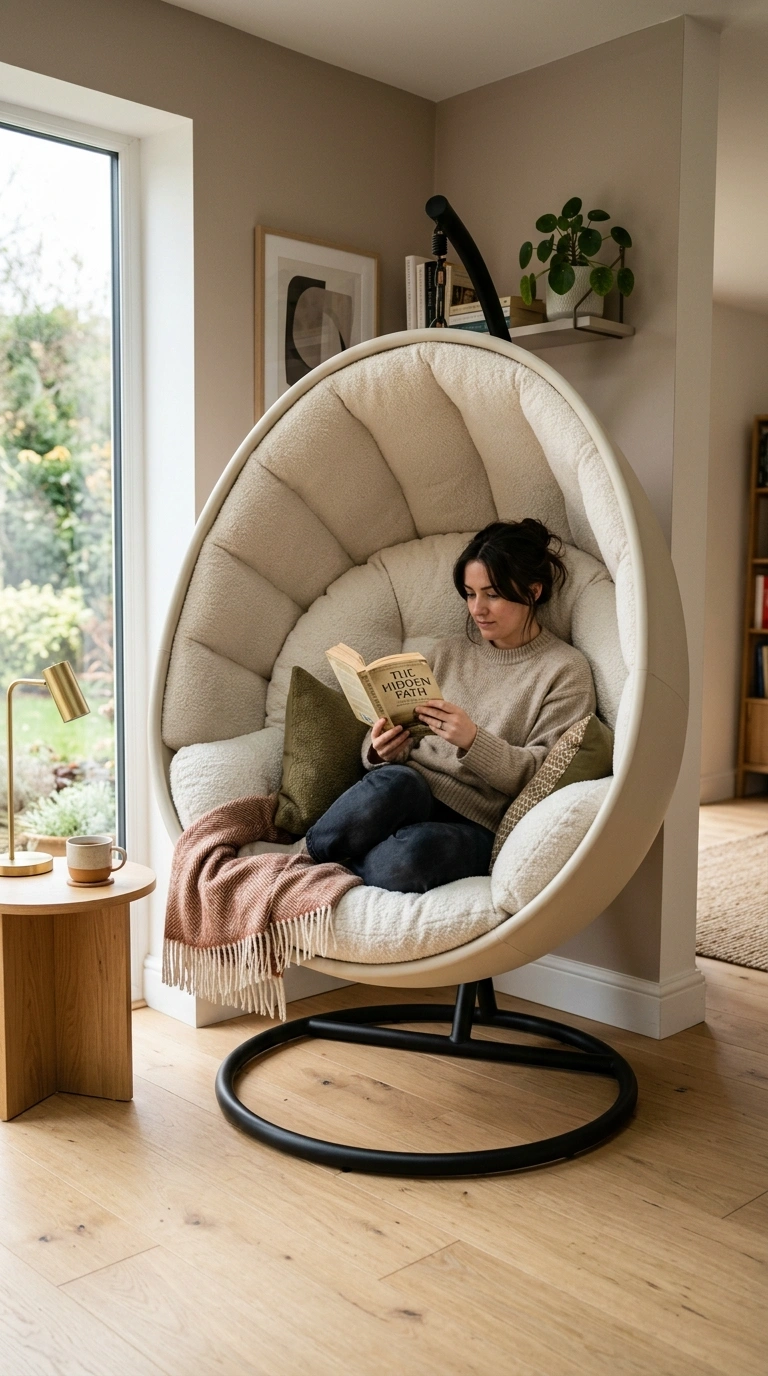
A hanging egg chair or a freestanding egg chair with its partially enclosed shell creates a private reading pod that blocks visual distractions from the sides and above. The enclosed shape creates a sense of privacy within the larger room that open chairs cannot achieve. A large egg chair with a thick internal cushion provides the comfort that smaller versions lack. The gentle swinging motion of a hanging egg chair adds the same calming quality as a rocking chair. Position the egg chair in a corner where the enclosed shape faces into the room for the most private and the most dramatic reading position.
9. Bergere Chair French Elegance
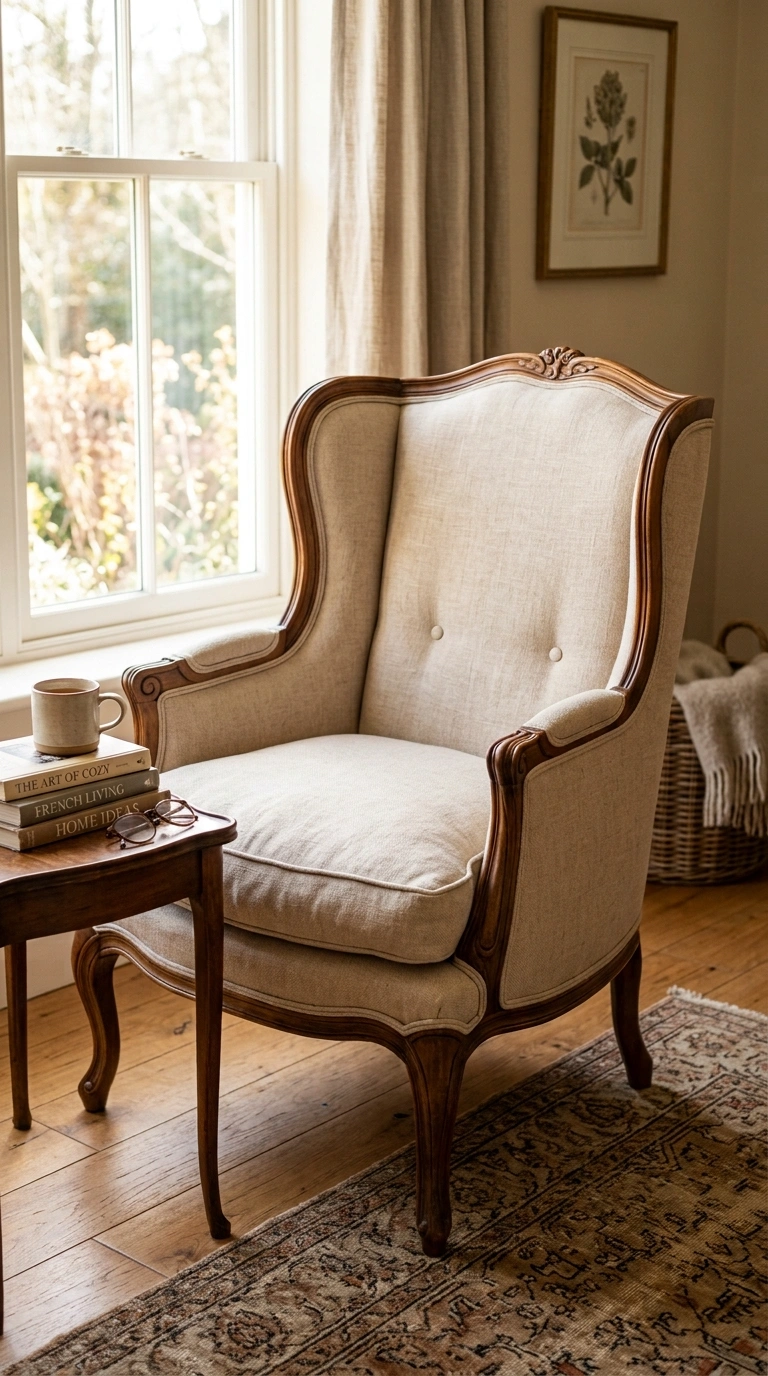
A bergere chair, the French upholstered armchair with exposed wooden frame, combines the comfort of full upholstery with the visual elegance of visible warm wood. The bergere provides proper reading comfort with its deep seat, high back, and padded arms while adding a decorative quality that simpler upholstered chairs lack. The exposed wood frame in warm oak, walnut, or a painted finish adds the furniture-quality character that makes the reading chair a genuine piece of living room decor. Choose a bergere with a seat depth of at least twenty inches and upholster it in a warm, substantial fabric.
10. Slipper Chair Low and Casual
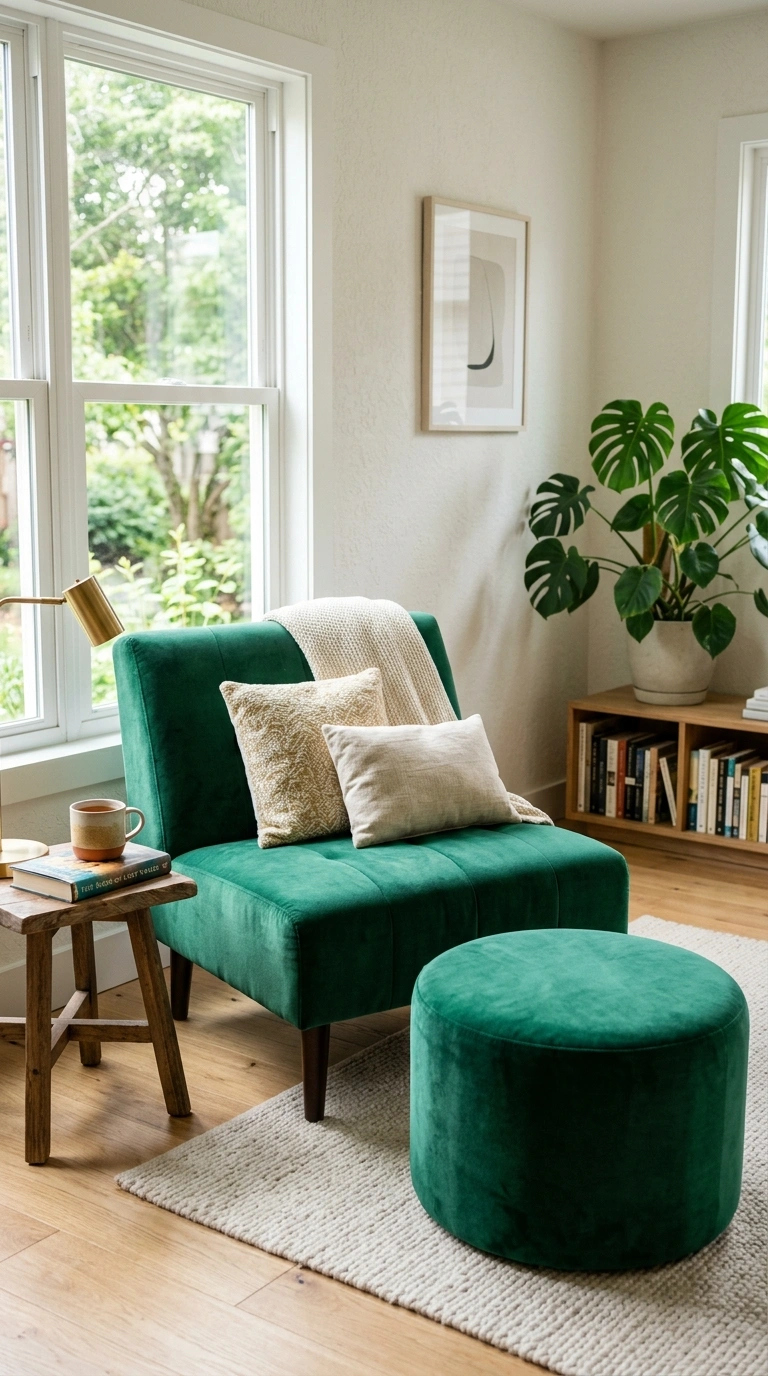
A slipper chair, characterized by its low seat height, no arms, and simple clean shape, creates a casual, modern reading position that is closer to the ground than traditional armchairs. The low seat height works well for readers who prefer to sit cross-legged or who pair the chair with a low ottoman for stretching out. A slipper chair in a bold fabric or a warm velvet also works as a bedroom reading chair because its slim profile fits into smaller spaces where a full armchair would be too bulky. The lack of arms means the reader cannot rest their elbows, which suits people who hold the book in their lap rather than raised on an armrest.
11. Upholstery Material Choice
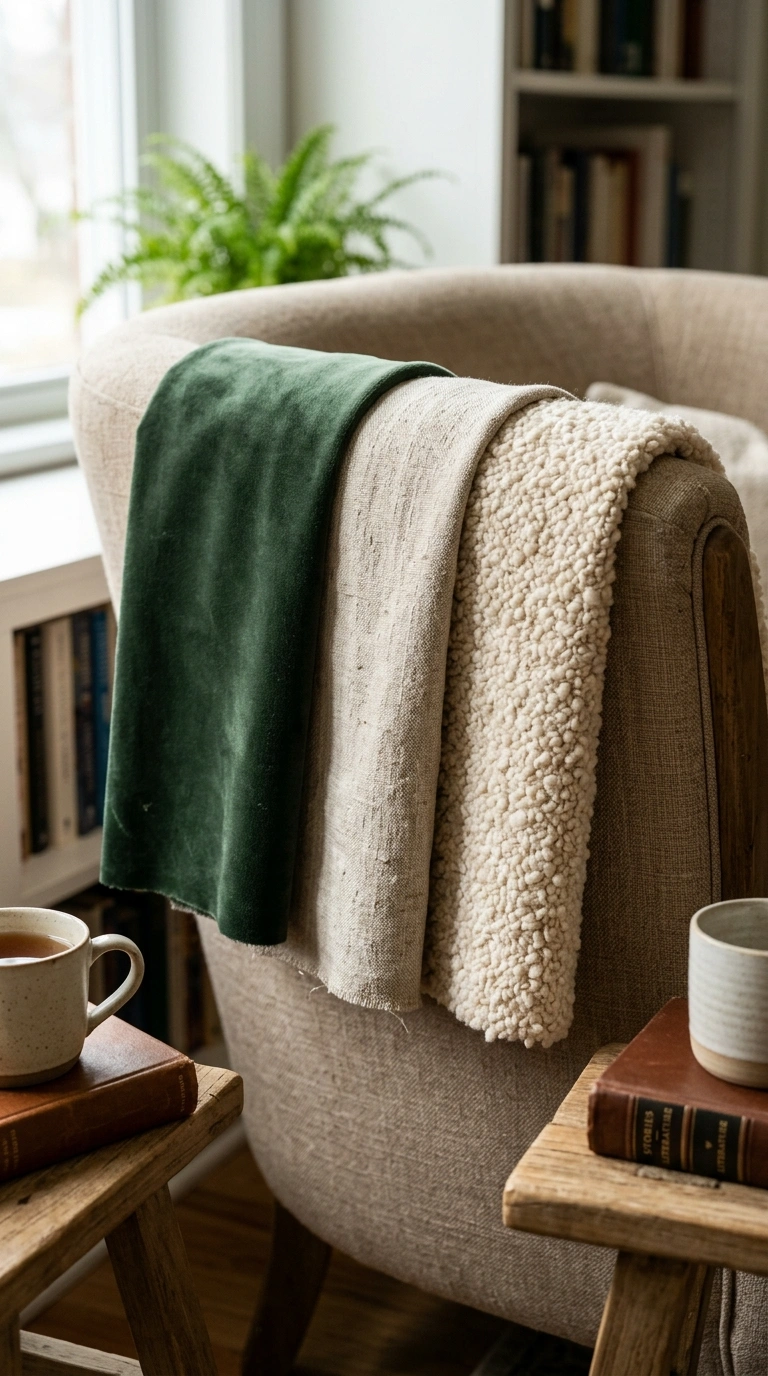
The upholstery material of a reading chair affects comfort as much as the chair’s shape. Velvet is one of the softest and most visually rich options, warm against the skin and beautiful in natural light. Linen is breathable and softens with use but can feel slightly rough against bare skin. Boucle has a nubby textured surface that feels cozy and photographs beautifully. Leather develops a warm patina with use but can feel cold initially and sticky in warm weather. Wool blends are warm and durable but can feel scratchy without a blanket barrier. Choose the upholstery based on how the chair feels against your skin during a two-hour reading session rather than how it looks in a photograph.
12. Seat Depth Measurement Rule
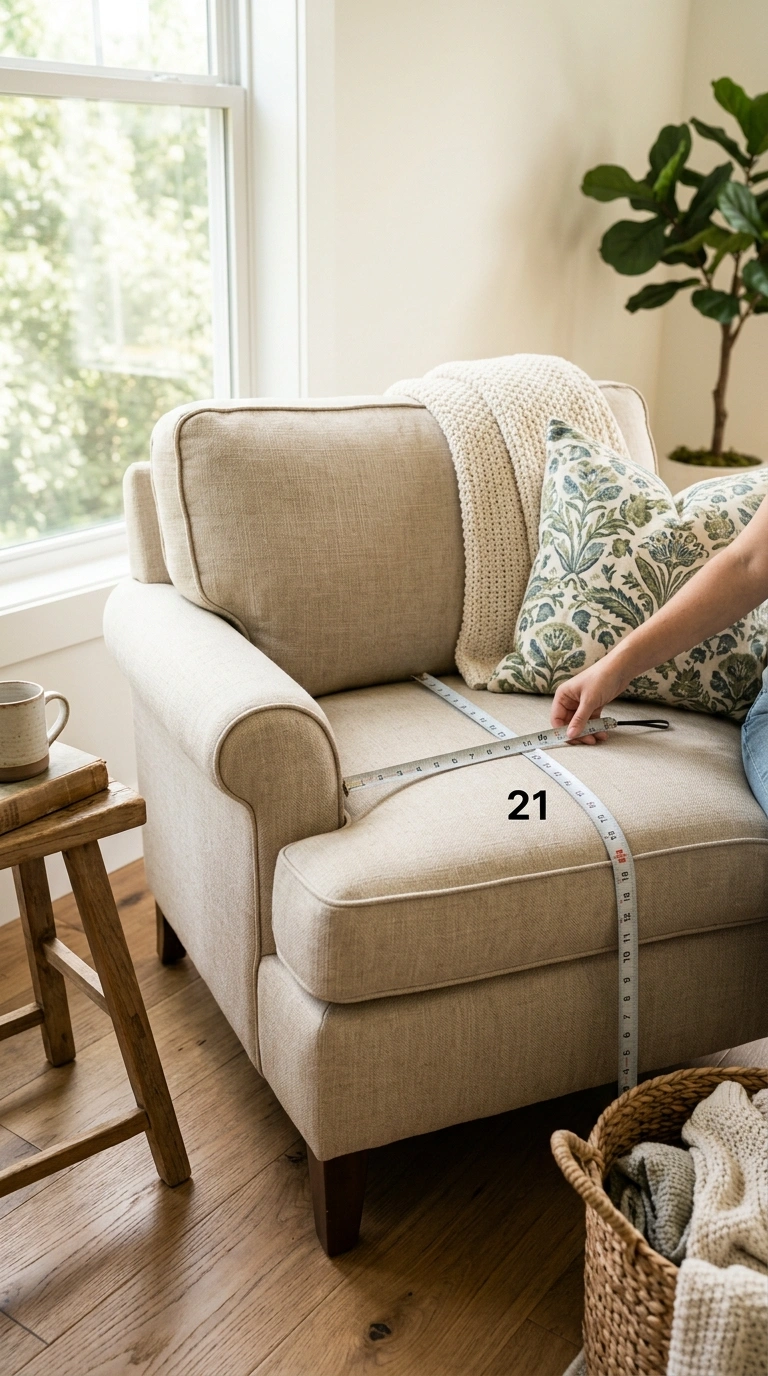
The most important measurement for a reading chair is the seat depth, the distance from the front edge of the seat to the back. A seat depth of twenty to twenty-three inches allows the reader to sit back with proper back support while still having room to curl sideways or tuck feet up. A seat depth under nineteen inches forces the reader to perch on the edge without back support. A seat depth over twenty-five inches means the reader either cannot reach the back or sits so deep that the front edge cuts into the backs of the knees. Measure the seat depth before purchasing any reading chair and sit in it for at least ten minutes in the store to test the fit.
13. Ottoman or Footrest Pairing
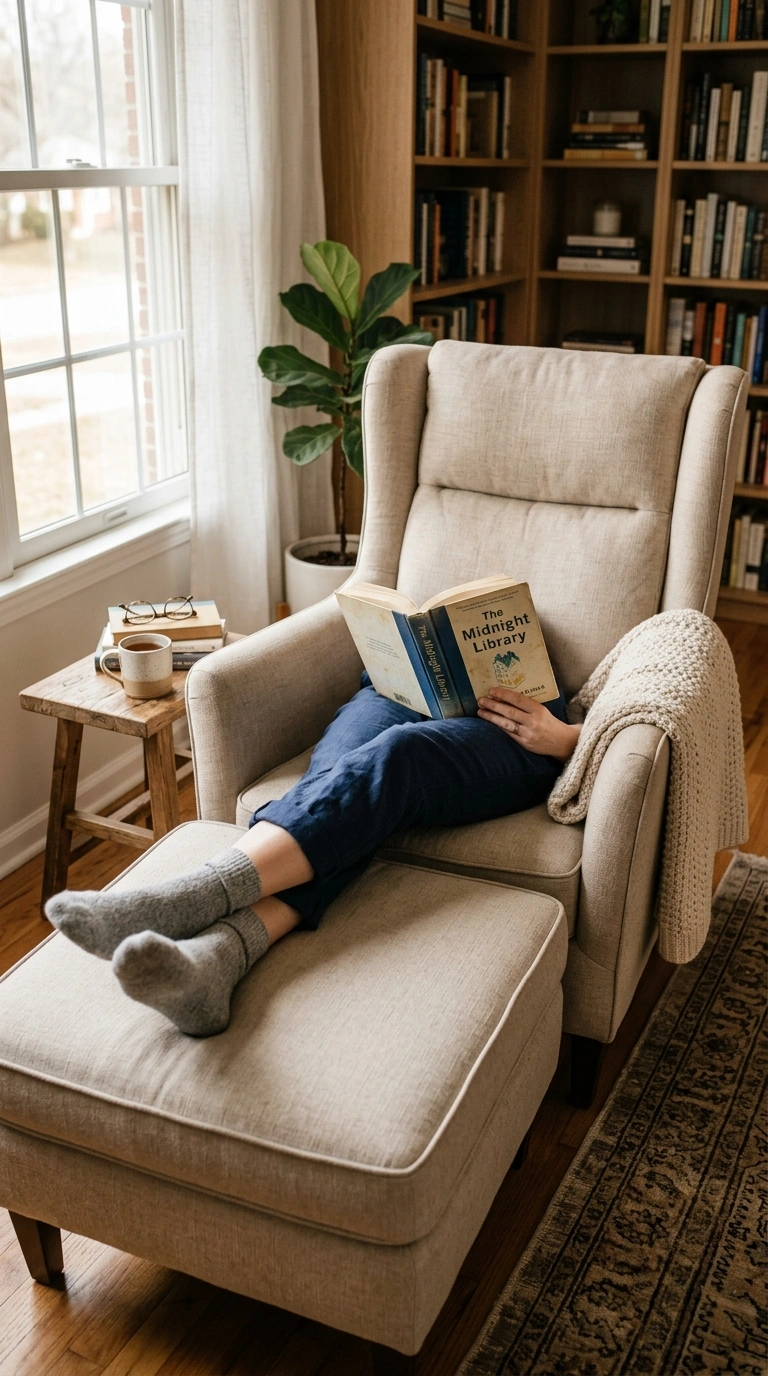
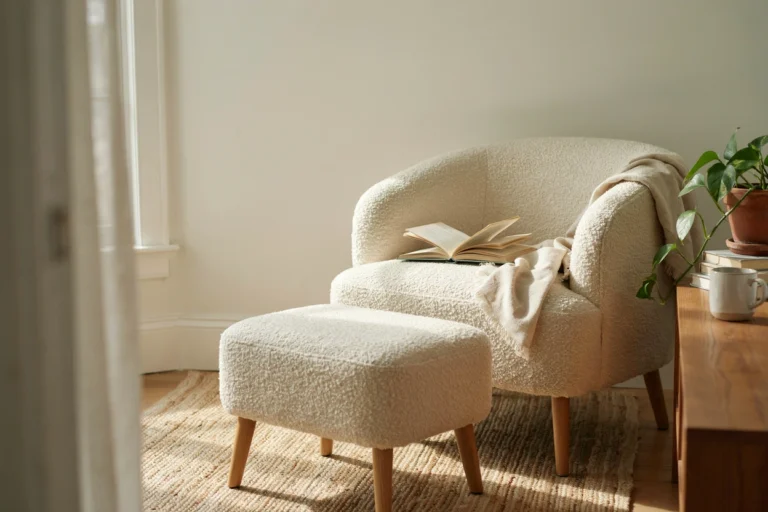
A reading chair paired with a matching or coordinating ottoman extends the seating length so the reader can stretch their legs out while maintaining proper back support. The ottoman converts any standard armchair into something approaching a chaise lounge without the floor space commitment. Choose an ottoman that is the same height as the chair seat for the most comfortable leg extension. A round pouf, a rectangular ottoman, or a small cube all work depending on the available space. The chair-and-ottoman combination is one of the most reliable reading setups because it provides both upright and reclined position options. Similar dedicated comfort pairings also improve reading nook setups where the chair and its accessories together create a complete reading destination.
14. Blanket Always Within Reach
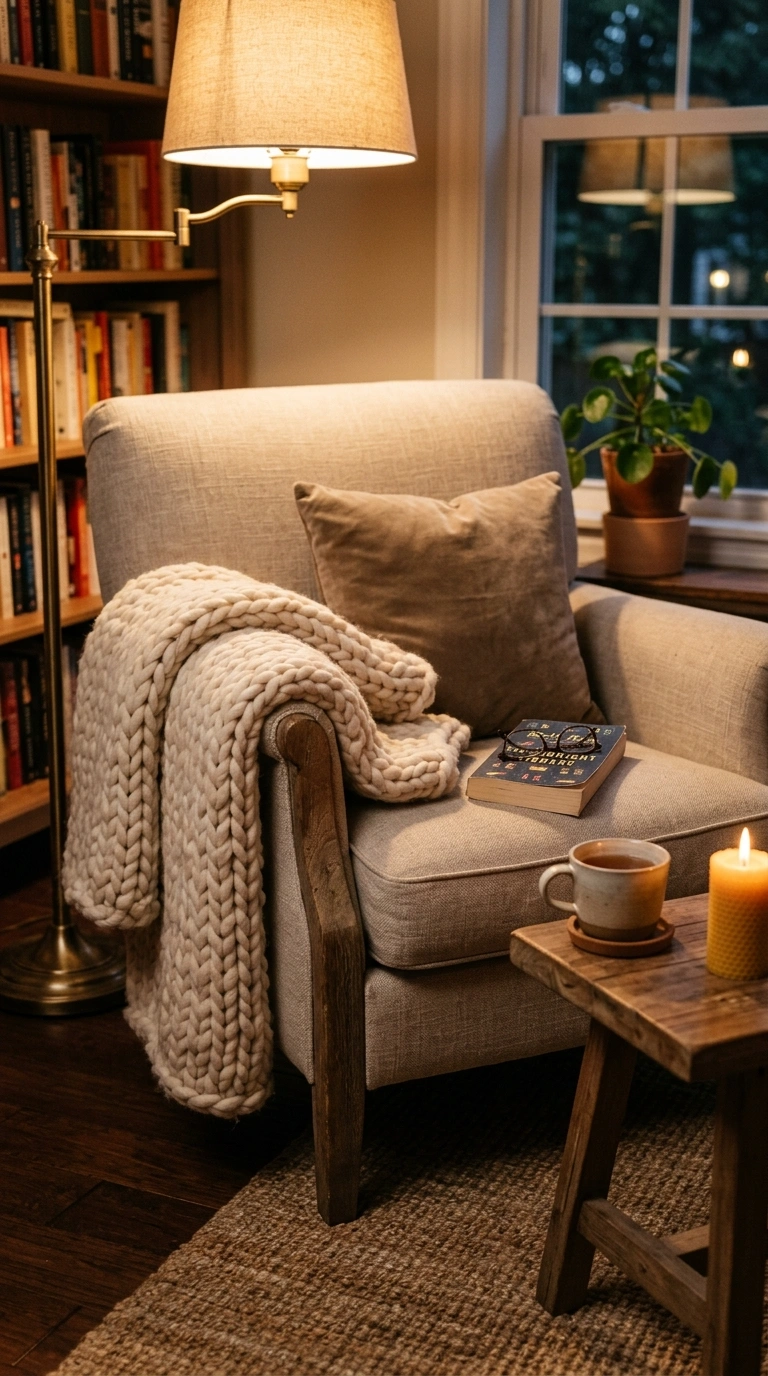
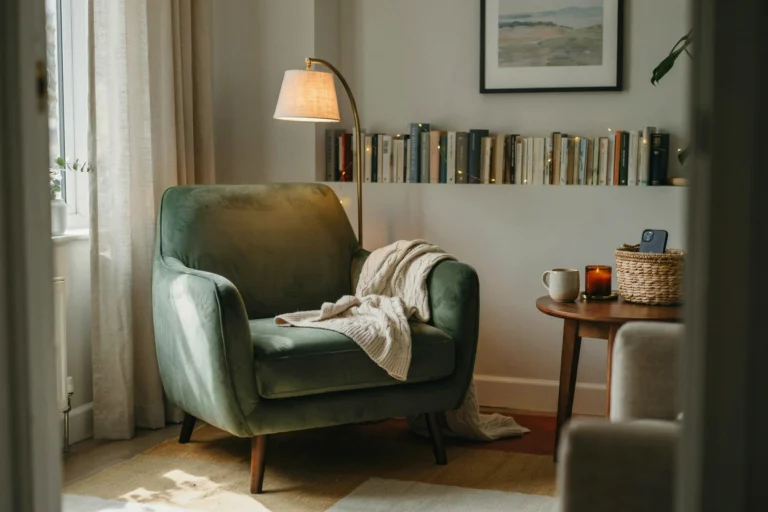
A throw blanket draped over the chair arm or folded across the seat is not just decorative in a reading chair context. It is a functional essential. The body temperature drops during prolonged still sitting, which means a reader who was warm when they sat down is often cold an hour later. A soft warm throw blanket within arm’s reach, without needing to get up, means the reading session can continue comfortably rather than being interrupted by a chill. Choose a blanket in a soft material that feels good against skin: lightweight wool, a cotton knit, cashmere blend, or a warm fleece in a cool climate.
15. Reading Light Positioning
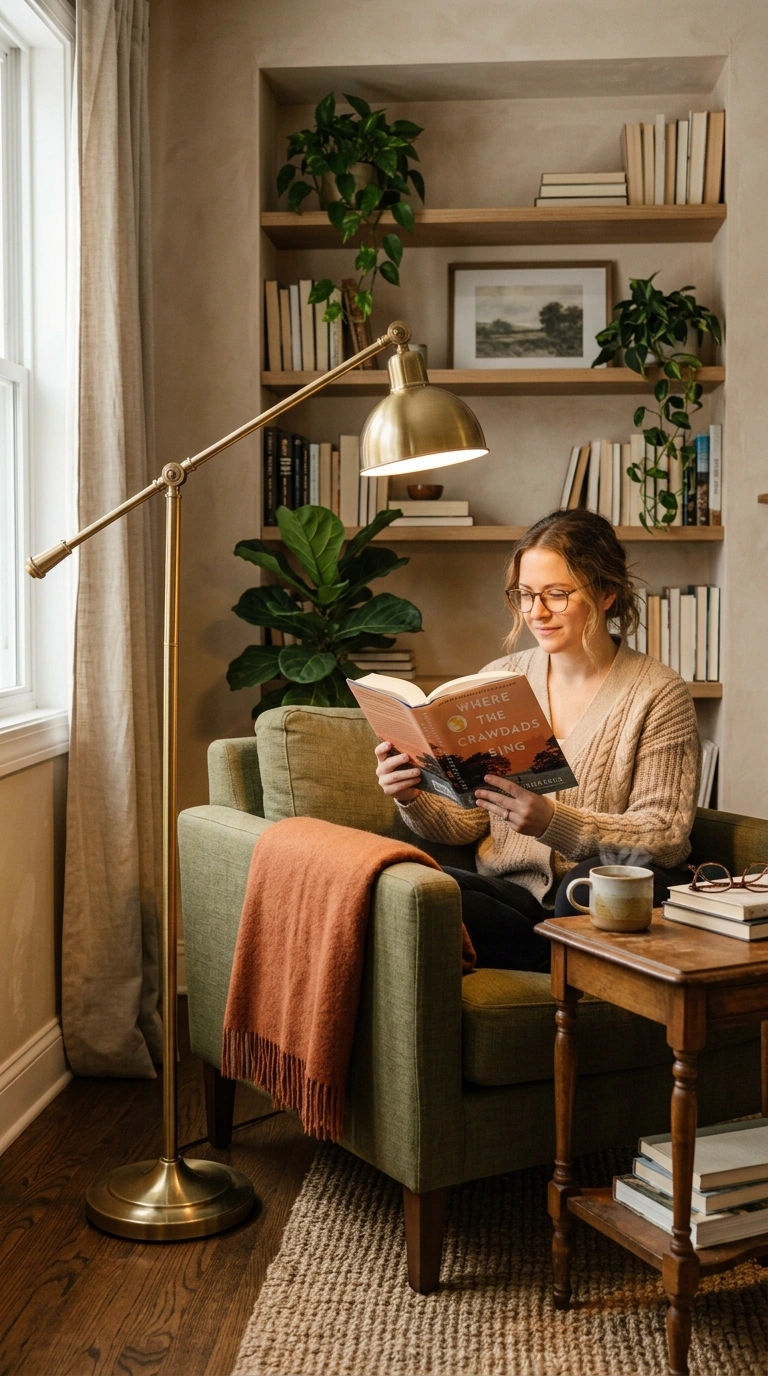
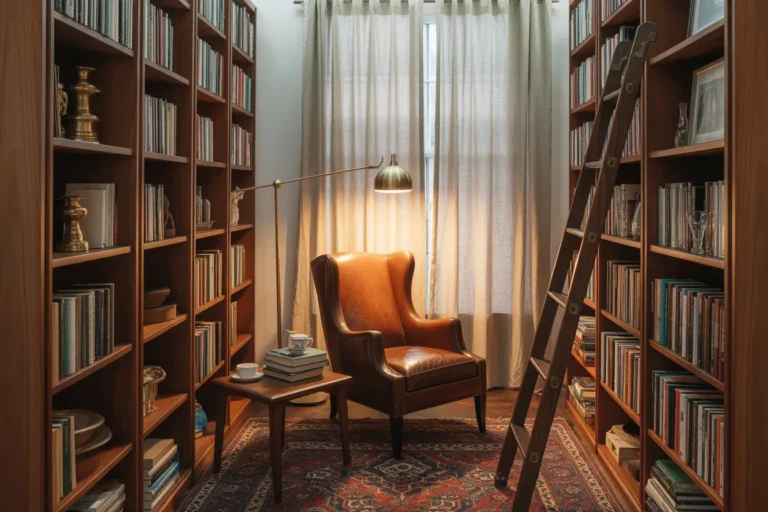
The reading light should fall on the book from over the shoulder or from beside and slightly behind the reader, which illuminates the pages without casting a shadow from the reader’s hand or body. A floor lamp with an adjustable arm positioned behind and to one side of the chair is the most reliable reading light setup. The lamp should be bright enough to read comfortably without straining but warm enough in tone that it does not feel clinical. A bulb in the 2700K to 3000K range with a brightness of about 450 to 800 lumens provides the right combination of warmth and readability for sustained reading.
16. Side Table Necessity
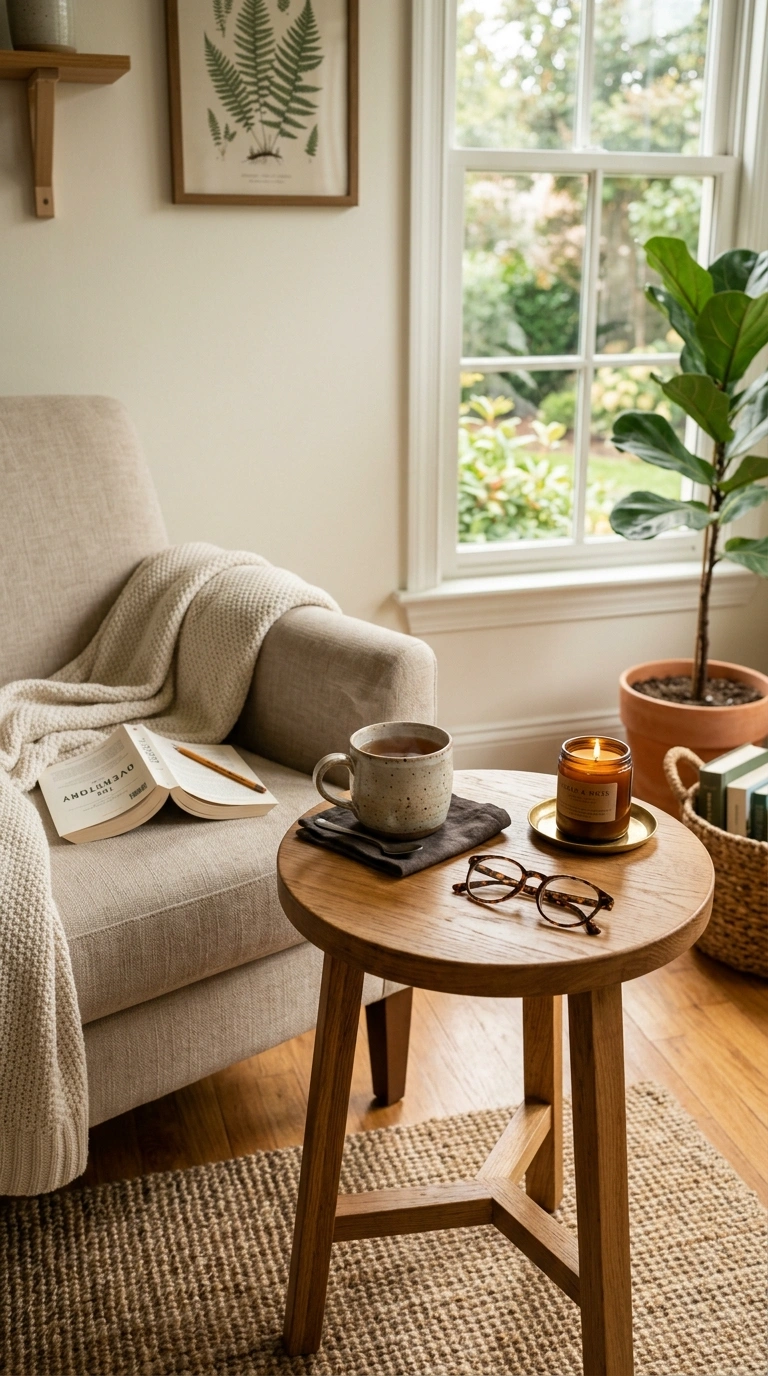
A small side table beside the reading chair holds the essentials that make a long reading session sustainable: a warm drink, a glass of water, reading glasses, a bookmark, and perhaps a small notebook for capturing thoughts. The table should be at the right height relative to the chair arm, within easy reaching distance without leaning or stretching. A round table of about sixteen to twenty inches in diameter is usually sufficient. A table that is too large takes up unnecessary floor space and a table that is too small does not hold a mug and a book simultaneously.
17. Quiet Corner Placement
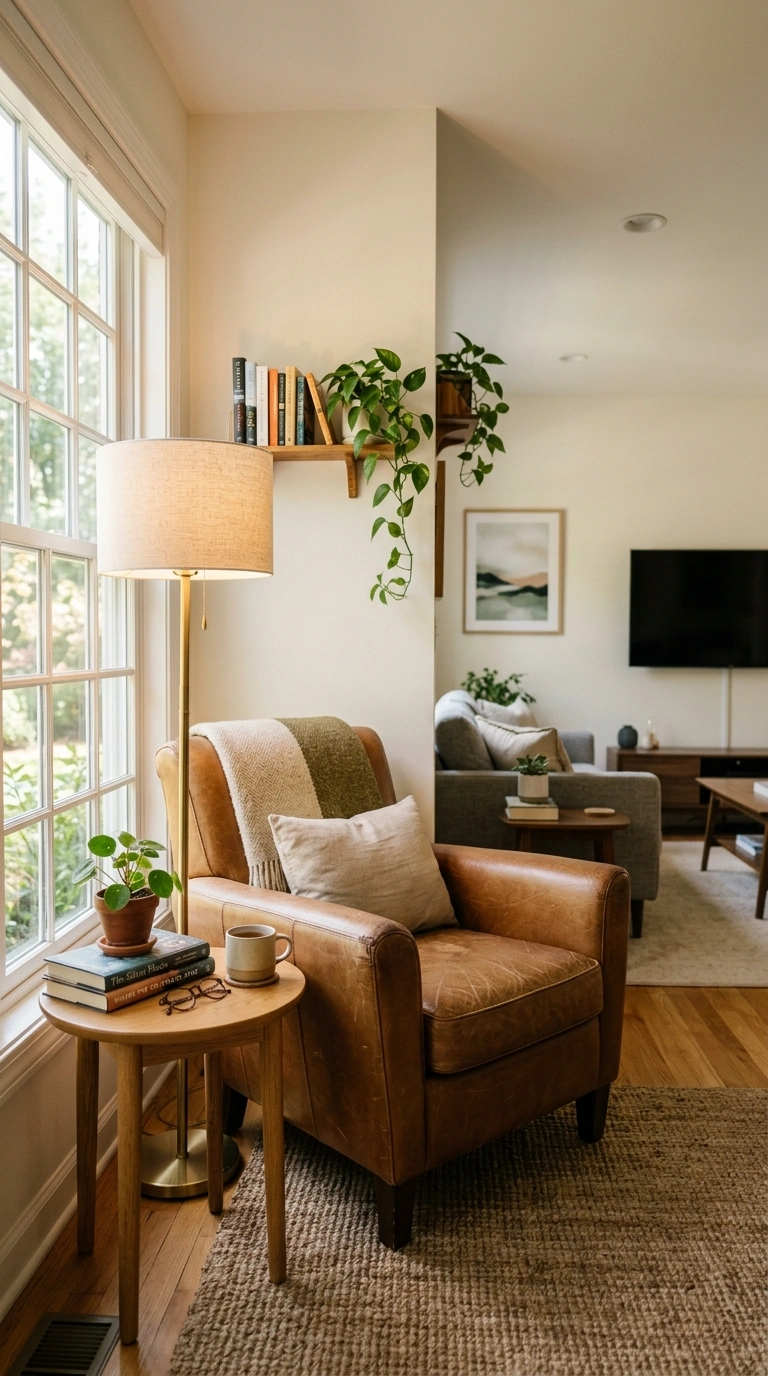
The reading chair should be positioned in the quietest corner or zone of the room, away from the television, away from high-traffic walkways, and ideally near a window for natural light during daytime reading. The quiet placement signals that the chair is for focused solitary activity rather than for social seating. A reading chair positioned in a busy pathway becomes a chair people walk past constantly. The same chair positioned in a corner with a lamp and a side table becomes a private retreat within the room that draws the reader in and keeps distractions out.
18. Warm Color Upholstery
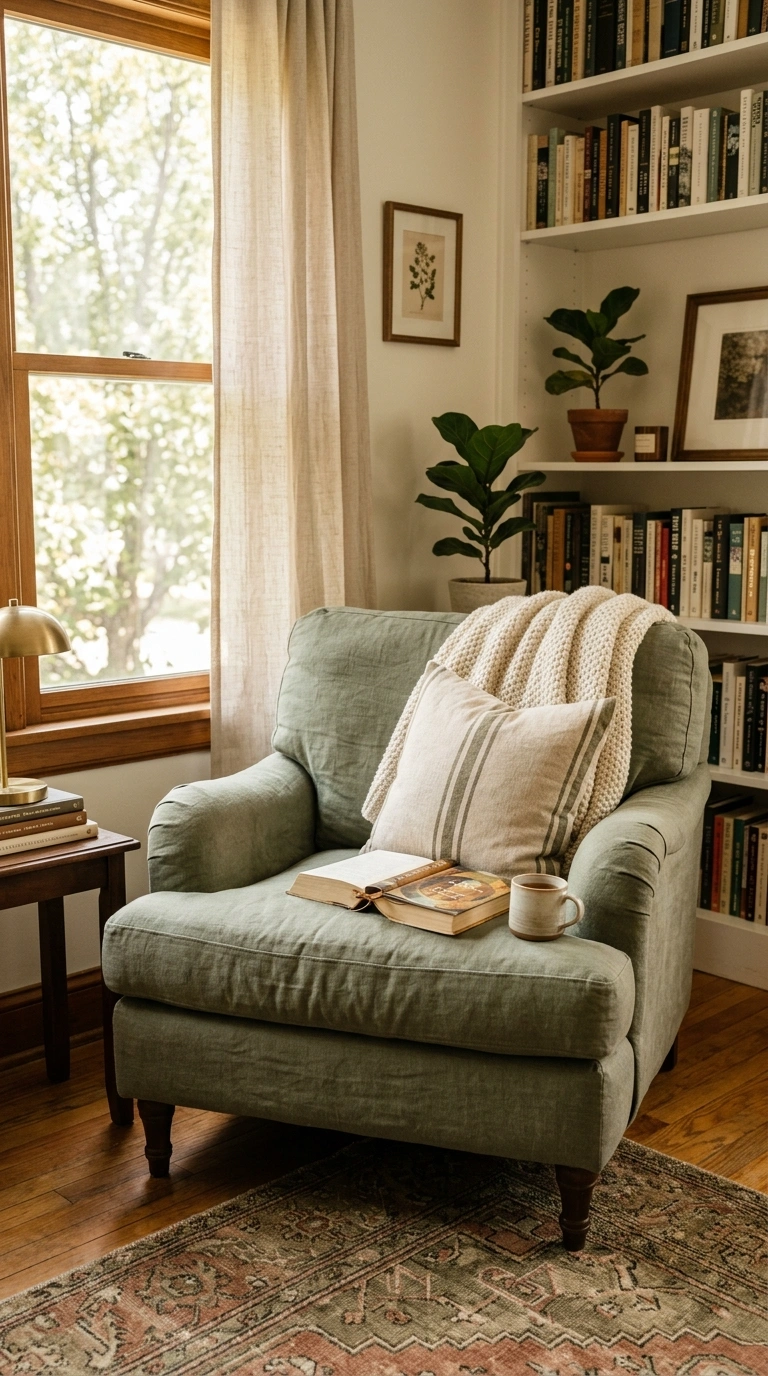
The color of the reading chair upholstery affects the psychological warmth of the reading experience. Warm tones, cognac leather, dusty blush velvet, warm sage linen, oatmeal boucle, deep mustard, create an inviting, cozy quality that cool tones do not match for a reading context. A warm-toned reading chair in a room with warm lighting and a soft blanket creates the specific feeling of being held by warmth that makes long reading sessions pleasurable. Cool gray, stark white, or bright primary-colored chairs can look striking but rarely feel as inviting for sustained sitting.
19. Cushion Back Support Addition
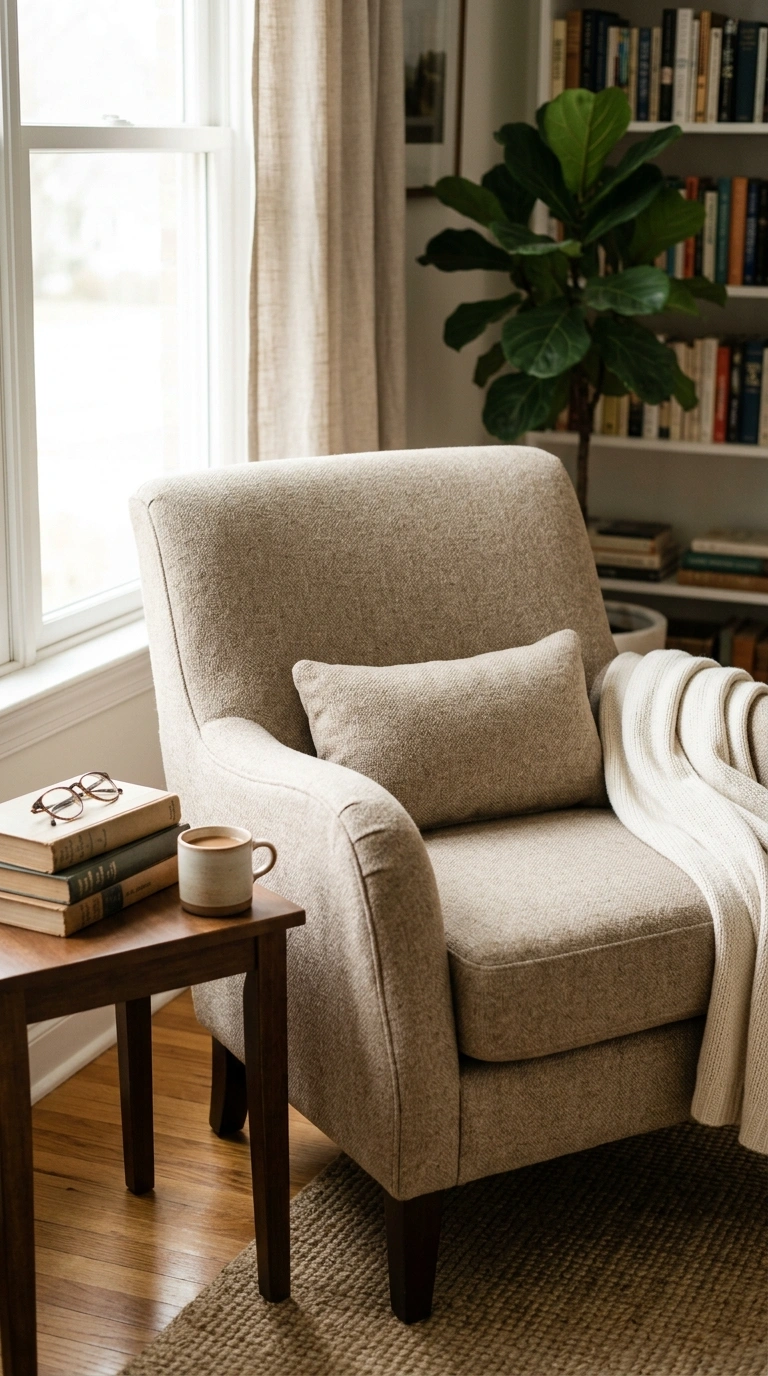
A small lumbar cushion or a back pillow placed in the reading chair provides the lower back support that many otherwise comfortable chairs lack. The lumbar support maintains the natural curve of the lower spine during long seated sessions and prevents the gradual slumping that leads to back pain after an hour or two. A simple rectangular pillow positioned at the small of the back or a dedicated lumbar support cushion in a warm cover that matches the chair upholstery adds both comfort and visual styling. The lumbar cushion is one of the cheapest and most effective comfort upgrades for any existing reading chair.
20. Chair for Every Room
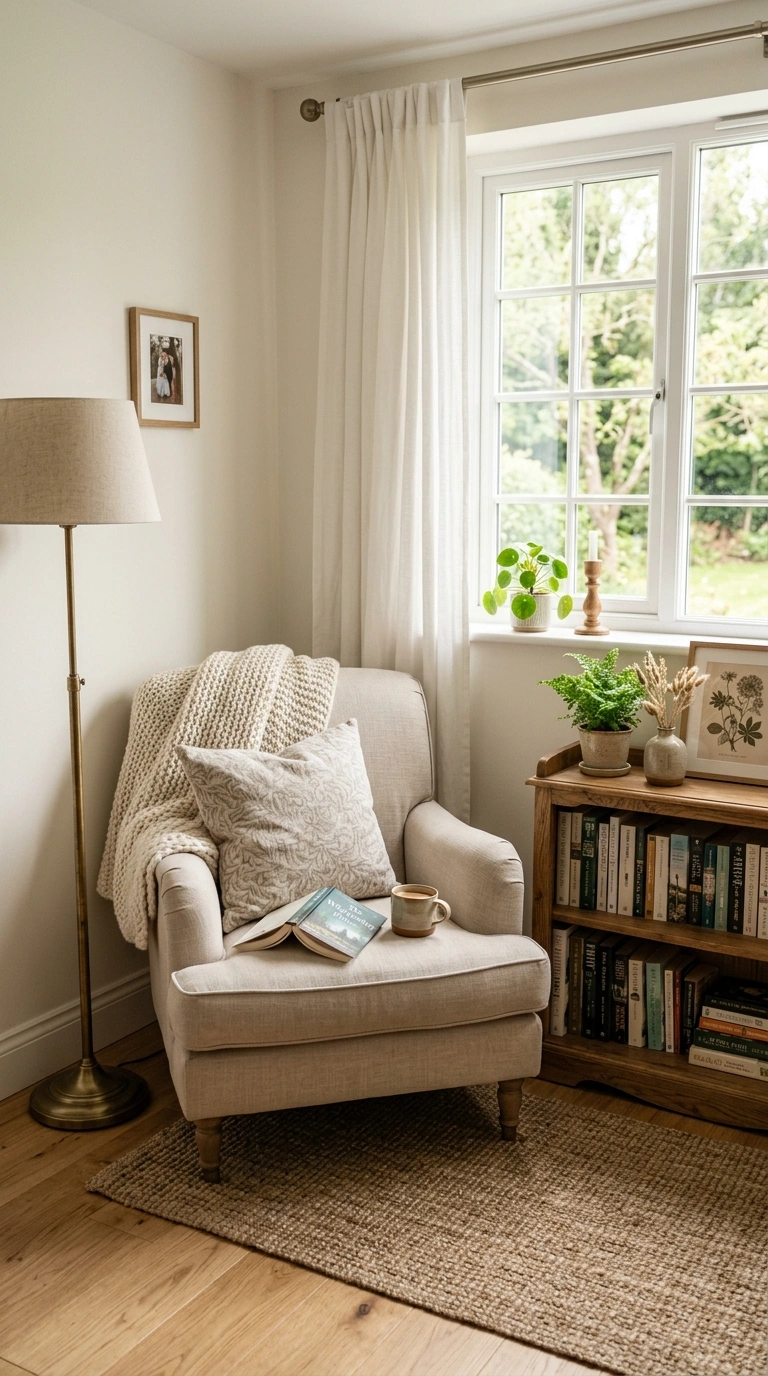
A reading chair does not need to be in the living room. A comfortable chair in the bedroom provides a private reading spot away from the household activity. A chair in the home office provides a break from the desk screen. A chair on a covered porch provides fresh-air reading in good weather. A chair in the nursery serves for feeding during the baby phase and for reading during every phase after. Each reading chair should suit the room’s aesthetic and the room’s light conditions. A warm velvet chair beside a bedroom window, a linen chair in a sunny living room corner, and a weather-resistant chair on the porch together provide reading options for every mood and every time of day. More on creating dedicated reading setups in different rooms can be found in the reading corner setups guide which covers how to build a complete reading destination around any chair in any room.
21. Test Before You Buy
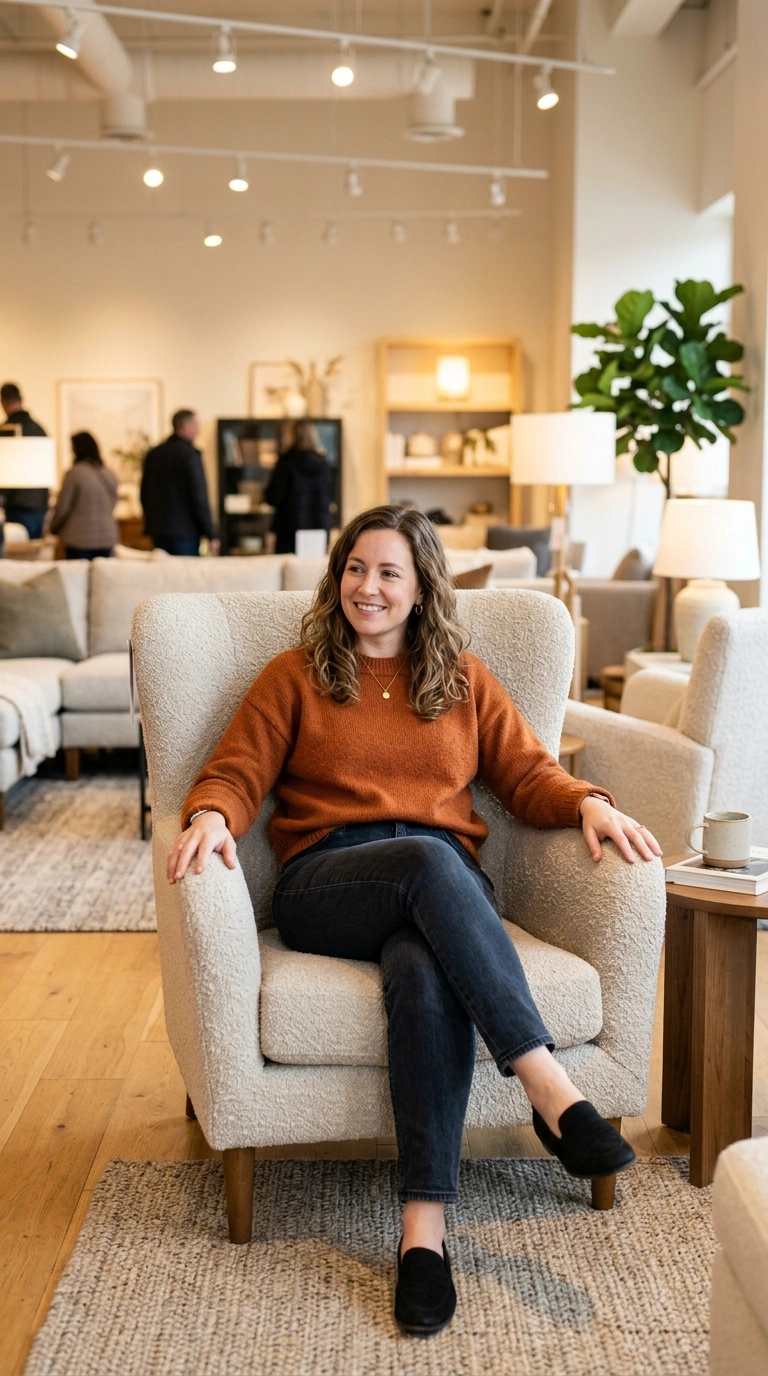
The single most important step in choosing a reading chair is sitting in it for at least fifteen minutes in the store before purchasing. Online photographs show how a chair looks but they cannot show how it feels at minute thirty of a reading session. Sit in the chair. Lean back. Shift to a sideways position. Rest a book on the arm. Try curling your legs up. If the chair accommodates these positions comfortably during the store visit, it will work at home. If it feels slightly wrong during a brief test, it will feel significantly wrong during a genuine reading session.
22. The Chair You Use
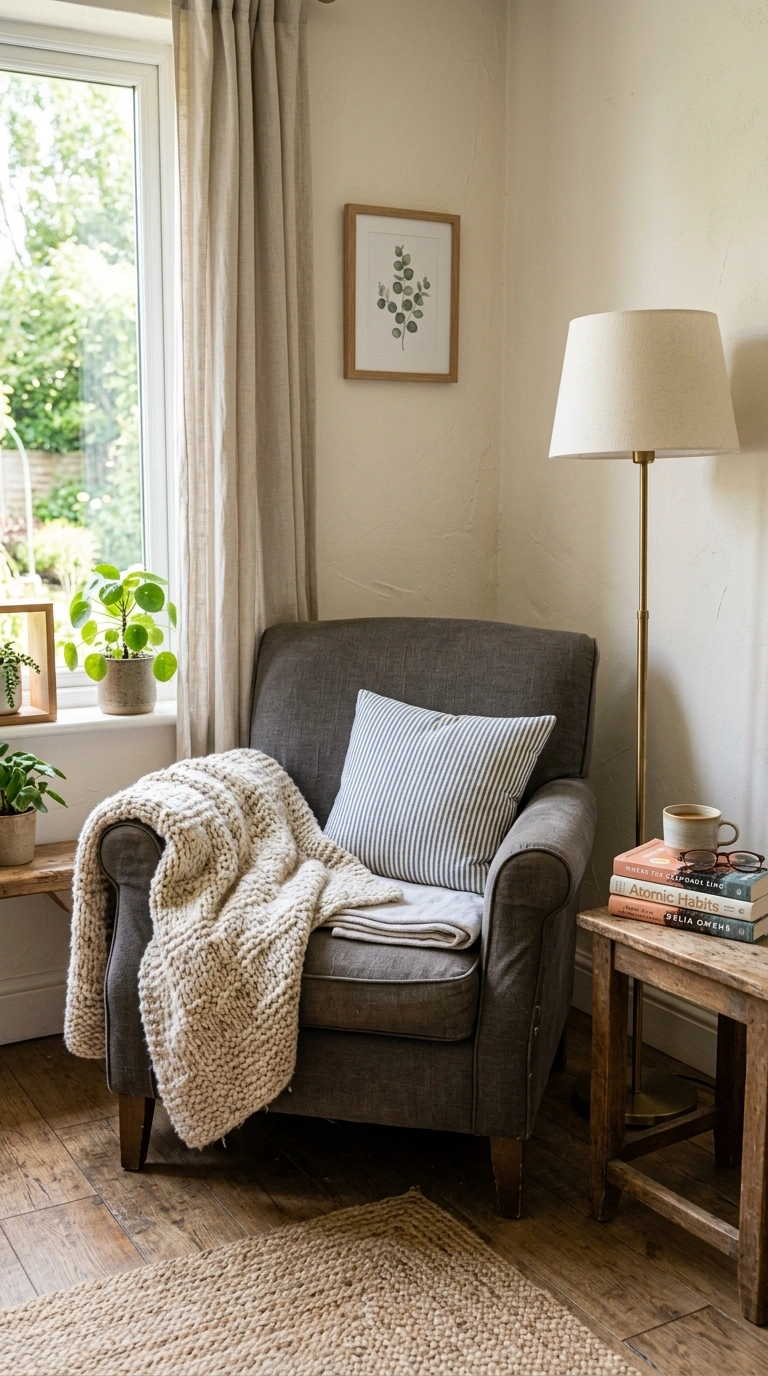
The most important quality of a reading chair is not the style, the material, or the price. It is whether you actually sit in it and read. A beautiful chair that is too uncomfortable, too far from a light source, or positioned in a busy part of the room becomes an expensive piece of decor that nobody uses. A simple comfortable chair with a good lamp beside it, positioned in a quiet corner with a blanket on the arm, becomes a chair that gets used every evening. The reading chair that works is the one that is comfortable enough, well-lit enough, and private enough that sitting down in it with a book is easier than reaching for the phone.
A cozy reading chair that makes you want to sit and stay is built on the right proportions, the right upholstery, the right position in the room, and the essential accessories, a lamp, a side table, and a blanket, that make long sessions sustainable. Test the chair before buying, position it in the quietest and best-lit corner available, and the reading habit follows naturally from the comfort.